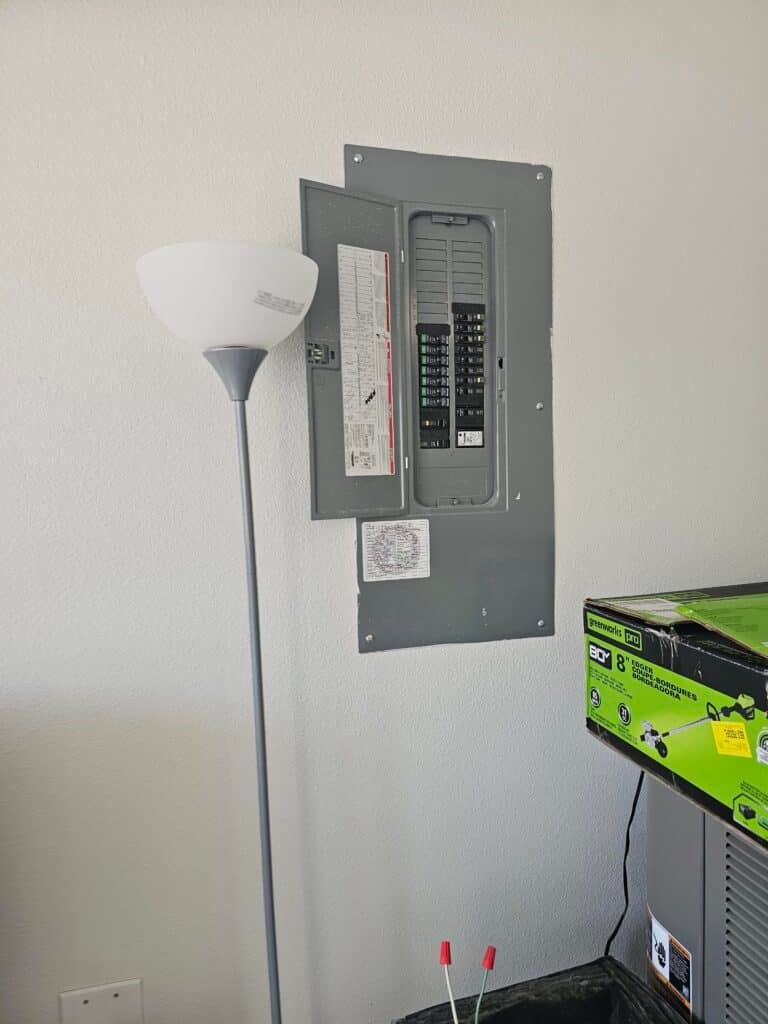
Power dips inside your property don’t just interrupt your day—they can damage your equipment and create hidden safety risks. If you’ve noticed dimming lights, flickering bulbs, or unexplained breaker trips in Plano, these signs often point to voltage sag issues that need attention. Keep reading to learn what causes these power dips, how to spot them early, and when it’s time to call a Plano electrician for a professional checkup. For more detailed insights, you can refer to this resource.
Common Causes of Power Dips
When addressing power dips, understanding the root causes can point you towards effective solutions. Power dips often stem from internal electrical issues within the home.
Loose Neutral Connections
Loose neutral connections can wreak havoc on your home’s electrical system. When these connections aren’t secure, they can lead to fluctuating voltages, which may cause lights to flicker. This inconsistency in voltage can also damage your appliances, leading to costly repairs. You might notice that one side of your home has brighter lights while the other seems dimmer. This imbalance is a clear sign that you might have a neutral connection issue.
If you suspect a loose neutral, it’s crucial to address it promptly. Ignoring such signs can lead to severe electrical failures or even a fire hazard. Most homeowners find it challenging to diagnose this problem on their own, so contacting a professional is often necessary. You can learn more about the effects of voltage dips from this article.
Overloaded Circuit Issues
Overloaded circuits are another common cause of power dips. When too many devices operate on a single circuit, it can exceed the circuit’s capacity, causing breakers to trip. You’ll often notice this when you run multiple high-power appliances simultaneously. This not only interrupts the power supply but can also wear out your electrical system over time.
To prevent overloads, consider redistributing your appliances across different circuits. This simple step can help maintain consistent power flow and protect your electrical system from undue stress. If your circuit breakers frequently trip, it might be time to consult with an electrician for a more permanent solution.
HVAC Inrush Current Problems
Your HVAC system can also contribute to power dips, especially during startup. The inrush current required to start the system can cause a temporary dip in power, which might be noticeable as dimming lights or brief outages. This is particularly common in older systems or those not adequately maintained.
Regular maintenance of your HVAC system can help mitigate these issues. Ensuring that your system is running efficiently not only reduces power dips but also extends the lifespan of your equipment. If you continue to experience problems, a professional assessment might be necessary to determine if upgrades or repairs are needed.
Identifying Early Warning Signs
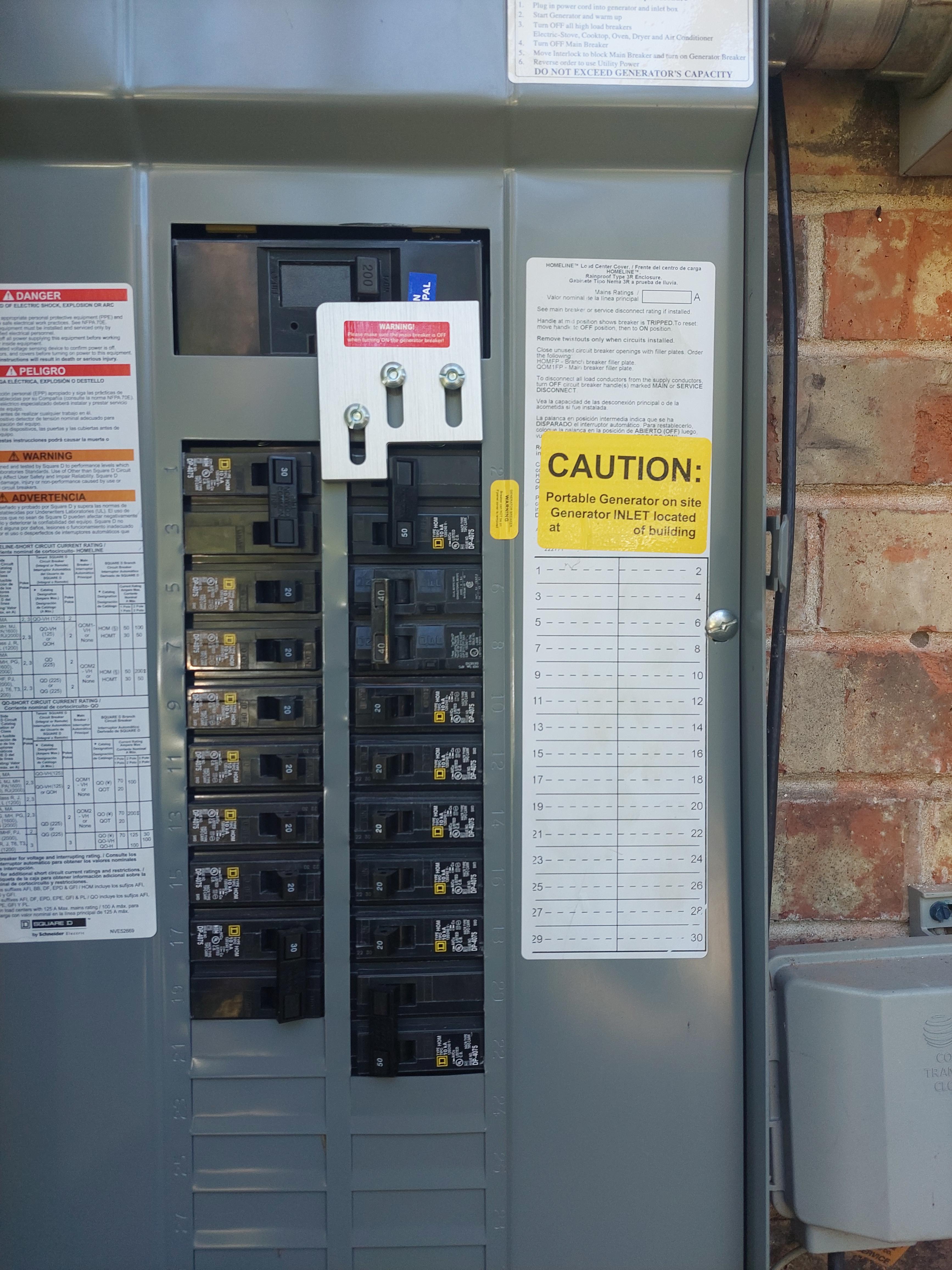
Spotting early warning signs of power dips can save you from future headaches. By addressing these signs early, you can prevent more significant issues down the road.
Dimming and Flickering Lights
Dimming and flickering lights are often the first indicators of potential electrical issues. If you notice your lights frequently flicker or dim, it could signal an underlying problem like a loose neutral connection or an overloaded circuit. These issues, if left unchecked, could escalate into more severe electrical failures.
Regularly observing your lighting patterns can help you catch these early warning signs. If flickering persists, it might be time to consider a power quality monitoring system to track inconsistencies in your power supply.
Unexplained Breaker Trips
Breaker trips are another common sign of potential electrical problems. While it’s normal for breakers to trip occasionally, frequent occurrences could suggest something more serious. Overloaded circuits or short circuits often cause these trips, and consistent issues should not be ignored.
Investigate the cause of frequent trips by monitoring which appliances are in use when the breaker trips. This can help you identify whether the issue is due to overload or something more complex. Consulting with an electrician can provide a more thorough diagnosis and solution.
Equipment Resets and Failures
If your electronic equipment frequently resets or fails unexpectedly, you could be dealing with power dips. Voltage sags can disrupt the normal operation of sensitive electronics, leading to resets or even permanent damage. This is particularly concerning for home offices or businesses where equipment reliability is crucial.
To protect your equipment, consider using surge protectors or uninterruptible power supplies (UPS). These devices can provide a buffer against power inconsistencies, safeguarding your electronics from potential damage. Regular equipment maintenance and monitoring can also help identify and mitigate risks early.
Solutions and Professional Help
Once you’ve recognized the signs of power dips, knowing the right steps to take can ensure your home remains safe and efficient.
Simple Checks for Homeowners
Before calling a professional, there are a few simple checks you can perform. Ensure that all connections are tight and secure, particularly in your breaker panel. Distribute appliances across different circuits to avoid overloads. Finally, consider scheduling regular maintenance for systems like your HVAC to ensure they’re running optimally.
These checks can address minor issues and give you peace of mind. However, if problems persist, it’s crucial to get professional help to avoid potential hazards.
When to Call a Plano Electrician
Knowing when to call a professional can prevent minor issues from becoming major problems. If you’ve tried basic troubleshooting without success, or if you notice persistent power dips, it’s time to call an electrician. An expert can diagnose the root cause and provide targeted solutions to ensure your electrical system is safe and efficient.
Professional electricians have the tools and expertise to handle complex electrical issues safely. By seeking their help, you not only protect your home but also ensure compliance with local electrical codes.
Benefits of Power Quality Monitoring
Implementing power quality monitoring can offer long-term benefits for your home. These systems track voltage levels, frequency, and other electrical parameters, helping you identify and rectify issues before they escalate.
With continuous monitoring, you can prevent equipment damage, reduce energy waste, and improve the overall reliability of your electrical system. Investing in power quality monitoring is a proactive step towards maintaining a safe and efficient home environment.
Frequently Asked Questions
What causes power dips in my home?
Power dips are often caused by loose neutral connections, overloaded circuits, or inrush current from appliances like HVAC systems. Identifying and addressing these issues early can prevent more significant problems.
How can I tell if my electrical system is overloaded?
Common signs of an overloaded system include frequent breaker trips, dimming or flickering lights, and equipment resets. Monitoring these signs can help you identify potential overloads.
When should I call a professional electrician?
If you’ve tried basic troubleshooting without success, or if electrical issues persist, it’s time to call an electrician. They can offer a comprehensive diagnosis and targeted solutions to ensure your system’s safety and efficiency.
How does power quality monitoring help?
Power quality monitoring tracks your electrical system’s performance, identifying issues before they become severe. It helps prevent equipment damage, reduces energy waste, and enhances system reliability.
What steps can I take to prevent power dips?
To prevent power dips, ensure tight and secure connections, avoid circuit overloads by distributing appliances, and schedule regular maintenance for electrical systems and appliances. These steps can help maintain a stable power supply.