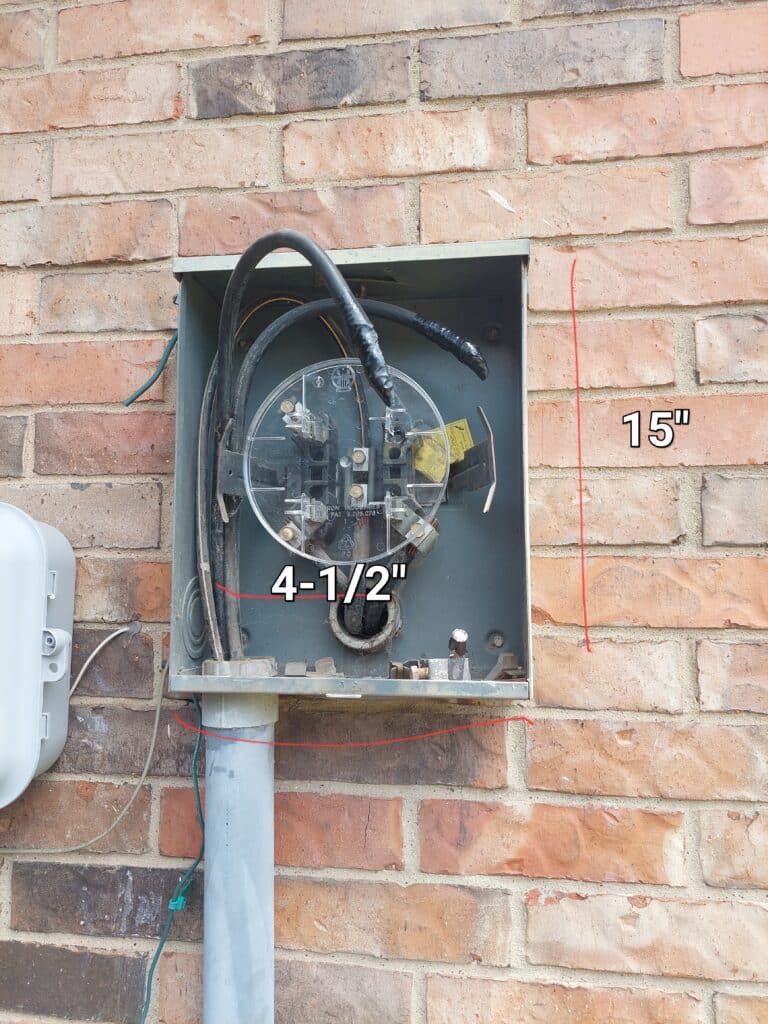
Planning for a Level 2 EV charger in Plano means more than just picking a spot to plug in. Your electrical panel might not handle the extra load without a careful check. Knowing how to manage your system’s capacity can prevent costly upgrades and keep your home safe. This guide breaks down what you need to know about EV charger installation Plano, from load calculations to smart load management, so you’re ready without risking overload.
Preparing for EV Charger Installation
Getting your home ready for an EV charger involves more than installing the unit. It’s about understanding your electrical demands and ensuring everything can handle the new load.
Understanding Load Calculations
The first step is to figure out how much power your new charger will need. This is where load calculations come into play. Think about all the appliances and devices you already have. Your current setup might feel perfect, but adding a Level 2 EV charger is like inviting another big appliance into your home. It’s crucial to check your total power usage. You don’t want to blow a fuse or trip a breaker.
To get an accurate picture, use guidelines like the load calculation NEC Article 220. This helps you measure your home’s overall electrical demand. It’s a bit like counting calories, but for electricity. By knowing your limits, you can plan ahead for any necessary adjustments.
Evaluating Panel and Service Capacity
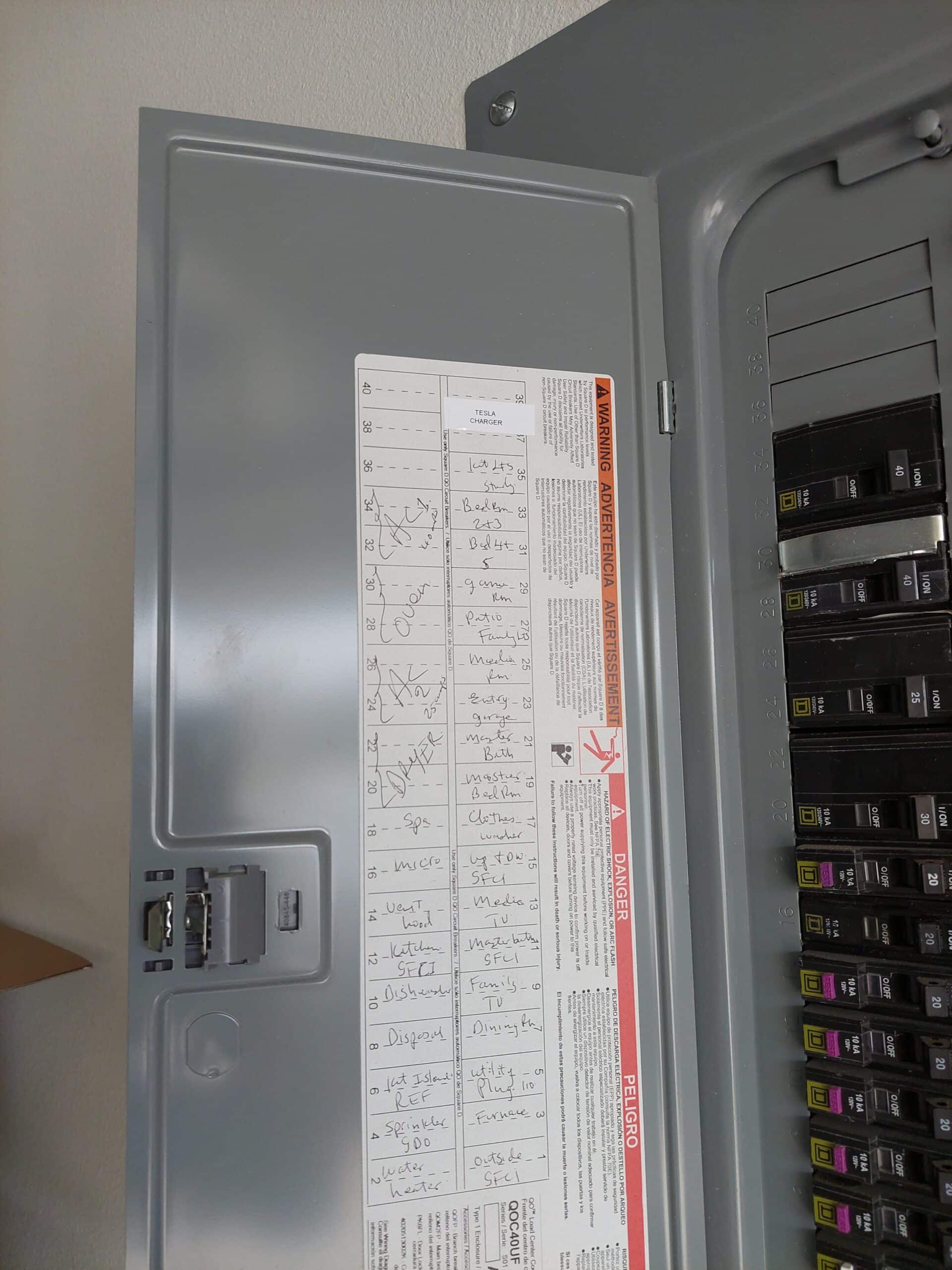
After understanding your power needs, it’s time to see if your home’s electrical panel can handle them. Your panel is like the heart of your home’s electrical system. It distributes power to all your gadgets and appliances. If your panel is old or undersized, it might struggle with the extra load from a new charger.
Check if your panel has room for a dedicated 240V circuit for the charger. If not, it might be time to consider an electrical panel upgrade. Upgrading can ensure your home stays safe and functional, even with the additional power demand.
Essential Wiring and Permitting
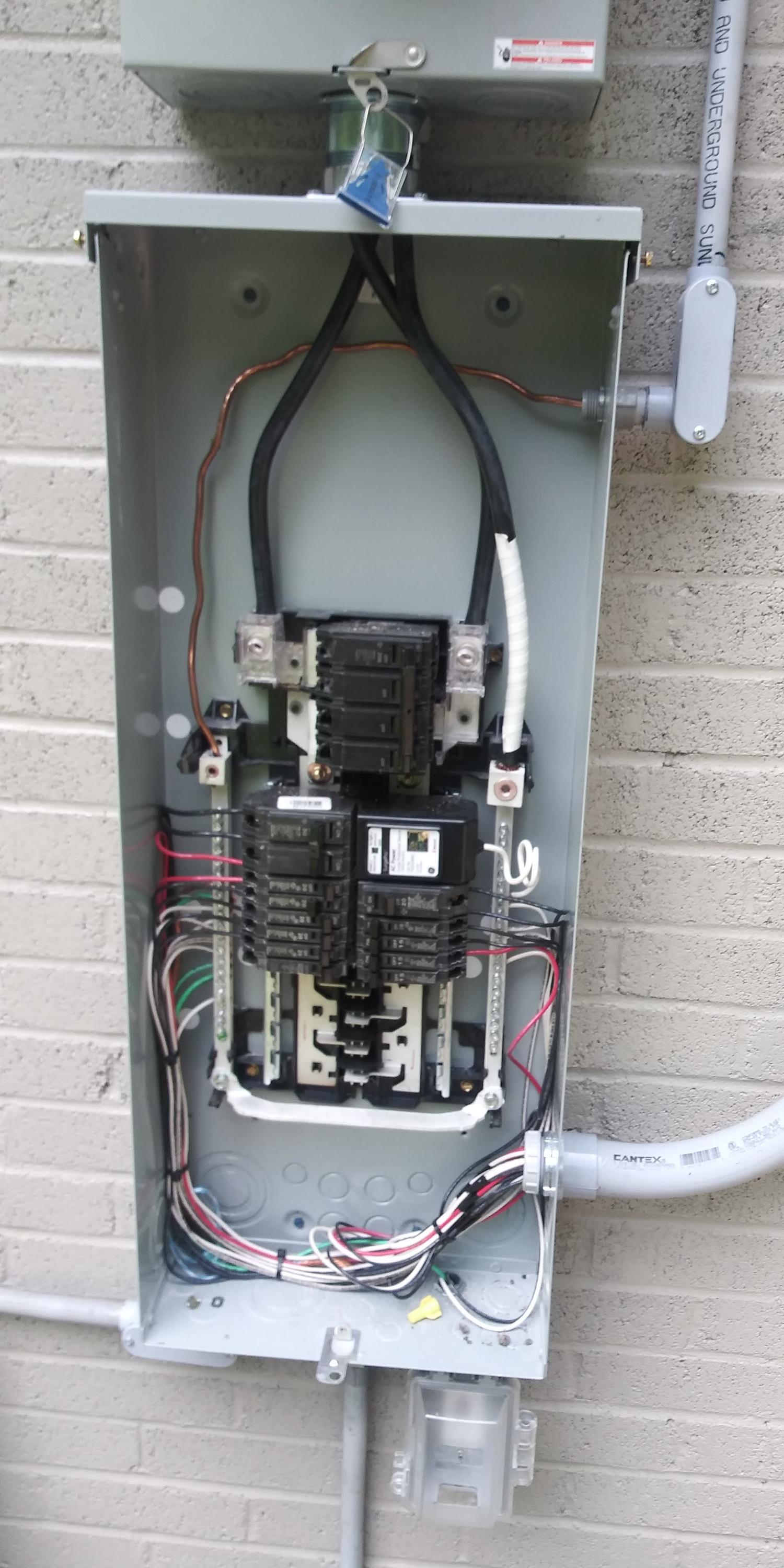
Ensuring proper wiring and obtaining necessary permits are critical steps in setting up your EV charger.
Wiring for Level 2 EV Chargers
For a Level 2 charger, you’ll need specific wiring. Your home’s wiring needs to support the high electrical demand of the charger. Think of it like having strong highways for heavy traffic. A typical Level 2 charger requires a 240V outlet. This is different from your standard outlets, which are usually 120V. Installing this specialized outlet ensures your charger works efficiently and reduces the risk of electrical issues.
Professional installation is recommended to handle the wiring needs. Electricians familiar with NEC 625 EV charging can ensure everything is up to code. They’ll check the wiring, grounding, and bonding to prevent any mishaps. Proper installation guarantees safety and functionality for your charging station.
Permit and Inspection Requirements
Before you start using your charger, you need to meet local codes and regulations. Obtaining a permit is a must. This ensures your installation meets safety standards. The process might seem like a hassle, but it’s crucial for avoiding future problems. Permits provide a record that your installation was done correctly.
Once the wiring is complete, an inspection ensures everything is safe and up to code. This step is like getting a doctor’s check-up for your electrical system. It’s a way to catch potential issues before they become real problems. The permit and inspection process in Plano guarantees peace of mind and compliance with local regulations.
Smart Load Management Solutions
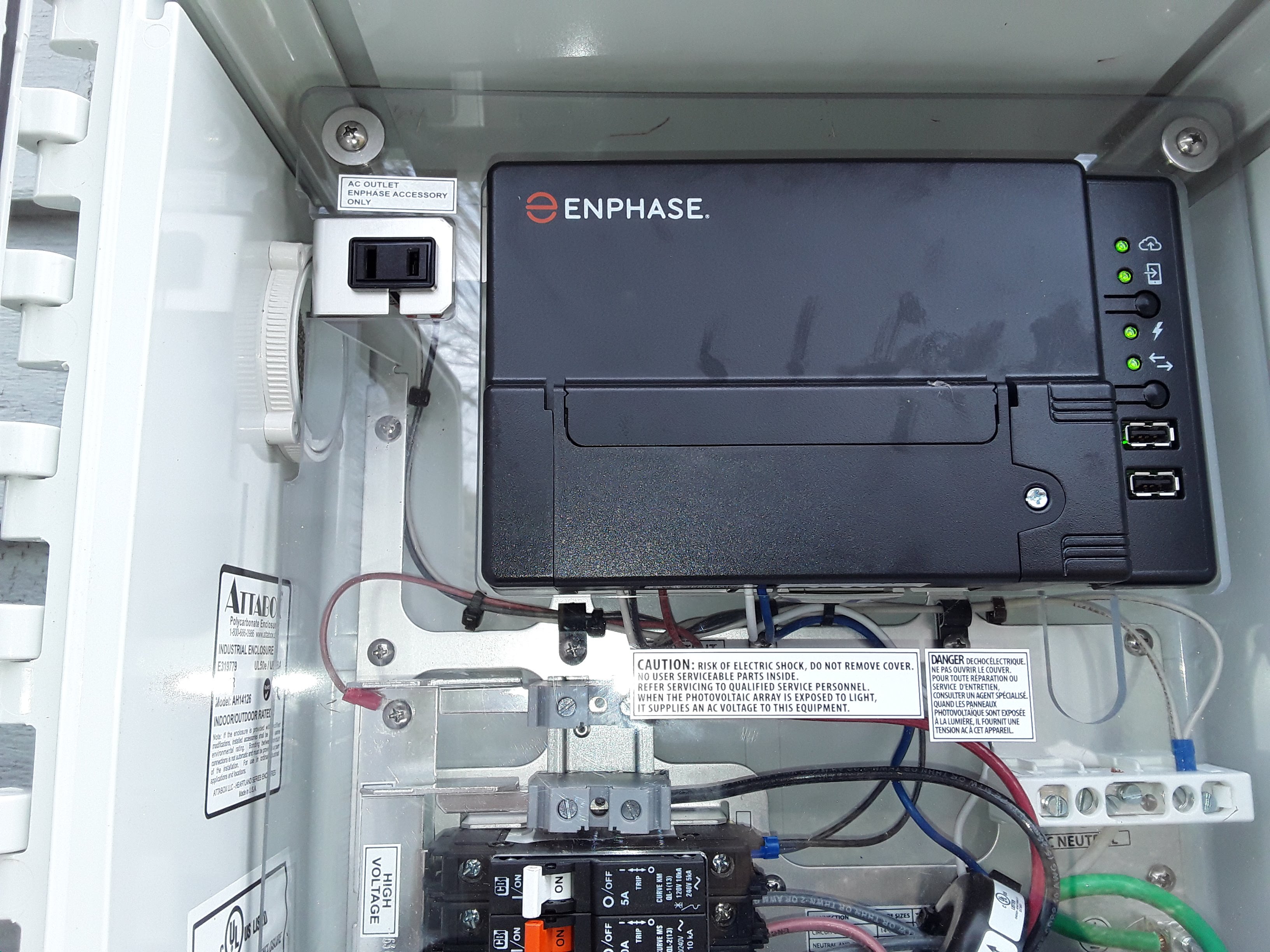
As you prepare for your EV charger, consider smart solutions to manage your home’s electricity more efficiently.
Benefits of Smart Load Management
Smart load management is like having an intelligent system that balances your home’s energy use. It helps prevent overloads by distributing power based on priority and demand. This technology can optimize how electricity flows through your home, reducing the risk of tripped breakers.
By adopting smart load management, you can enjoy the convenience of your EV charger without worrying about overloading your system. It’s a proactive approach that adjusts power distribution automatically. This way, you can maintain the performance of your devices and appliances without interruption.
Upgrading to a 200 Amp Service
For homes with high energy demands or those planning significant electrical upgrades, increasing your service capacity might be necessary. Upgrading to a 200 amp service can support new devices, including an EV charger, more effectively.
A 200 amp upgrade enhances your home’s ability to handle multiple high-demand appliances. Think of it as expanding your home’s electrical bandwidth. This upgrade not only supports current needs but also prepares your home for future expansions. A subpanel for EV charging can be an effective way to manage your increased electrical load efficiently.
Frequently Asked Questions
What is load calculation NEC Article 220?
Load calculation NEC Article 220 is a guideline that helps determine the total electrical demand of a property. It ensures that your system can handle all your devices, including an EV charger, without overloading.
Is a permit necessary for EV charger installation in Plano?
Yes, obtaining a permit is crucial when installing an EV charger in Plano. It ensures that your setup complies with local safety codes and regulations, reducing the risk of future electrical issues.
How does smart load management benefit an EV charger installation?
Smart load management optimizes the distribution of electricity in your home, preventing overloads. It ensures that your EV charger and other high-demand appliances function efficiently without tripping breakers.