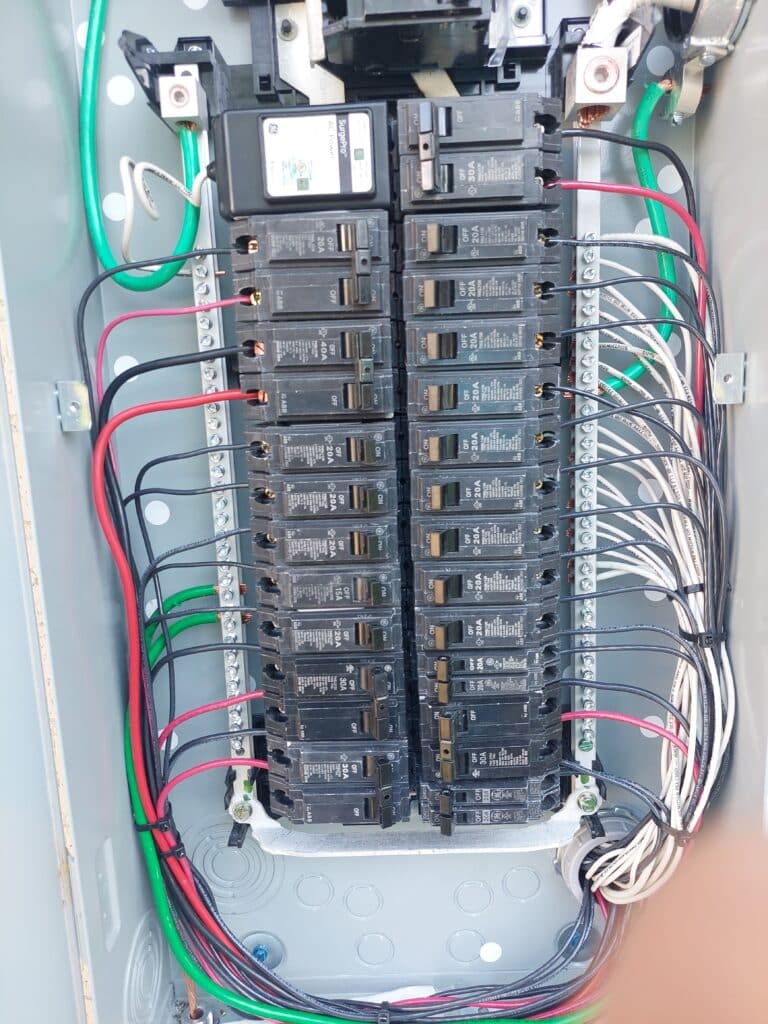
Power outages in North Texas are more than an inconvenience—they can disrupt your home or business for hours, even days. With ERCOT grid outages still a risk, having a backup power plan tailored to your needs is crucial. This guide walks you through what to power, how to size your system, fuel options, transfer switches, and maintenance so you stay ready before the next storm season hits. For more information, visit Tesla Alarm and Electrical.
Essential Backup Power Strategies
Prioritizing Critical Systems
When planning for backup power, the first step is to identify what systems are essential for your home or business. Ask yourself: what can’t you live without during an outage? Typically, this includes lights, refrigerators, and heating or cooling systems. For businesses, critical systems might cover security systems and servers. Once you determine these, you can ensure your backup power plan addresses these needs, offering peace of mind during outages.
Knowing your priorities helps in choosing the right generator or battery backup. Some prefer whole home generators, which keep everything running seamlessly. Others might opt for a UPS (Uninterruptible Power Supply) for critical equipment. In either case, identifying your essential systems is crucial for a customized solution that fits your lifestyle or business operations.
Sizing and Fuel Choices
The size of your backup power system directly impacts its effectiveness. First, calculate the total wattage your critical systems require. This is known as a load calculation, and it ensures your generator or battery backup can handle the demand. Oversizing your system is unnecessary and costly, while undersizing can leave you without power when you need it most.
After sizing, consider fuel options. Generators typically run on natural gas, propane, or diesel. Natural gas generators are popular for their convenience and constant fuel supply. Propane offers cleaner burning, while diesel is known for efficiency. Your choice depends on fuel availability and storage capacity.
Transfer Switch Options
Transfer switches are the bridge between your power sources. They ensure a smooth transition when the grid fails. You have two main options: automatic and manual. An automatic transfer switch (ATS) detects power loss and switches to your backup system instantly. This is ideal for businesses or homes where constant power is crucial.
A manual transfer switch requires you to flip the switch when the power goes out. It’s more affordable but requires you to be present to activate it. Consider your specific needs and the convenience each option offers before making a decision.
Compliance and Maintenance
Understanding Code and Permitting
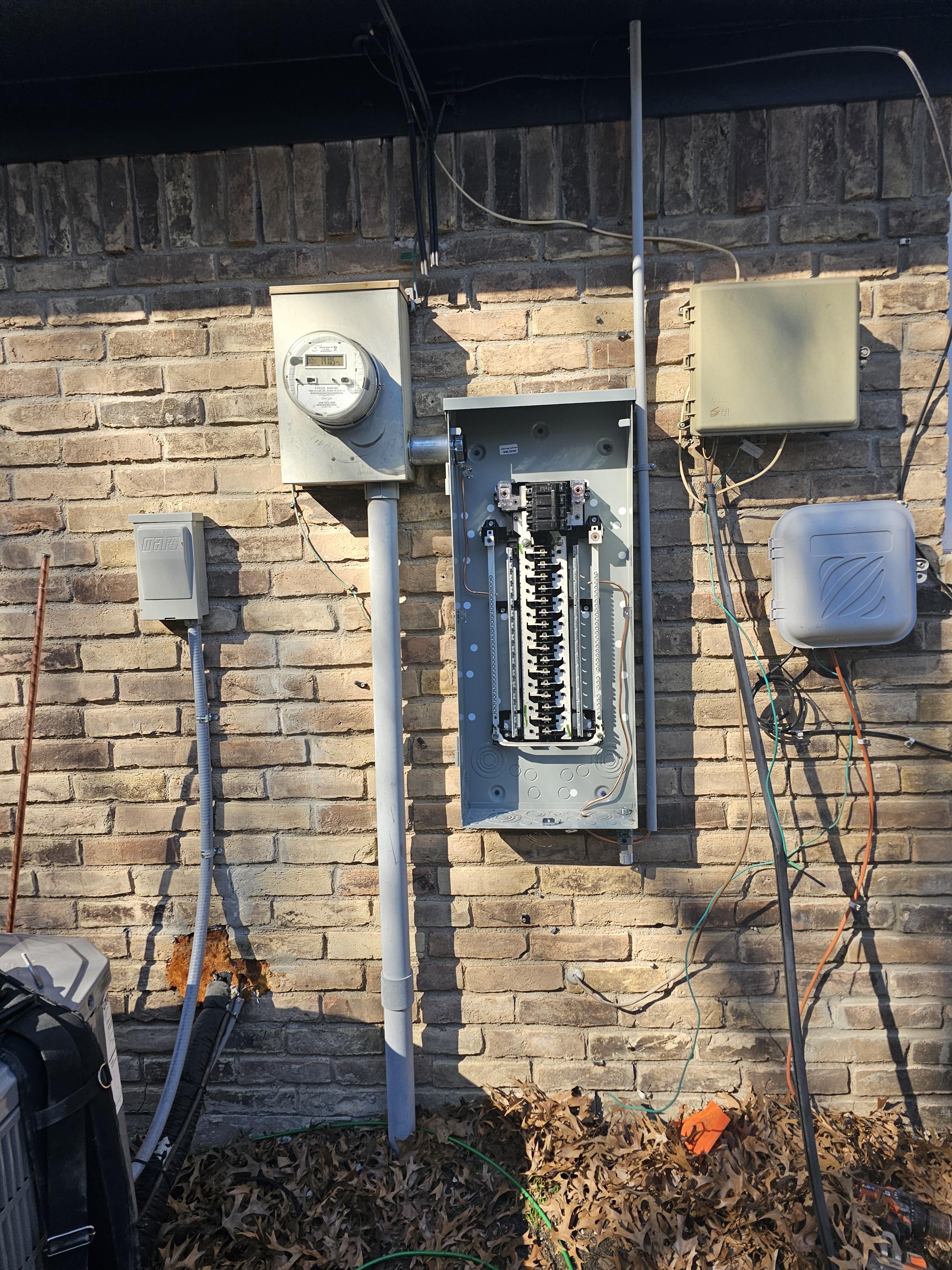
Compliance with local codes and acquiring the right permits are non-negotiable when installing backup power systems. Each area has specific electrical codes, and understanding these ensures your installation is safe and legal. It’s essential to work with professionals who know Plano’s regulations to avoid fines and ensure your system operates correctly.
Having a compliant system not only avoids legal trouble but also guarantees your safety. Improper installations can lead to dangerous situations, including fires or electrocution. Always prioritize working with licensed and experienced electricians who understand the local requirements.
Regular Generator Maintenance
To keep your generator reliable, regular maintenance is key. Just like a car, your generator needs periodic checks and services to run smoothly. This includes changing the oil, inspecting the fuel system, and testing the battery. A well-maintained generator is your best defense against unexpected failures during an outage.
Scheduling regular maintenance checks can prolong the life of your generator. Consider setting up a maintenance plan with a local service provider to ensure your generator is always ready to go. If you’re unsure about where to start, consult with a professional who can guide you through the process.
Smart Monitoring Solutions
Smart monitoring solutions can take your backup power system to the next level. These systems allow you to track your generator’s performance from your smartphone, providing real-time updates on fuel levels, power output, and any potential issues.
This technology offers peace of mind, knowing you can keep an eye on your system from anywhere. If your generator requires attention, smart alerts notify you immediately, ensuring timely repairs and minimizing downtime.
Expert Backup Power Solutions
Custom Backup Power Assessments
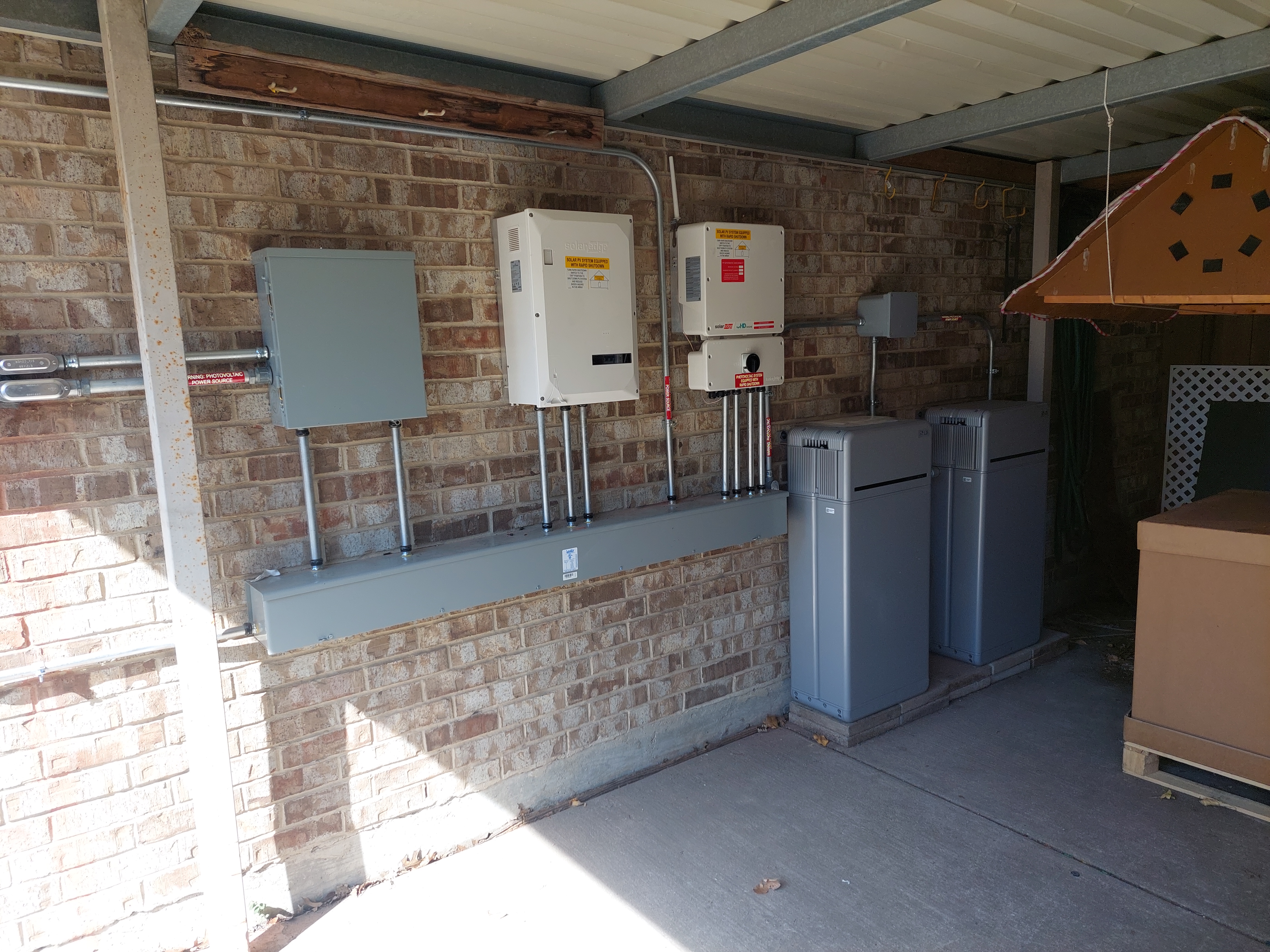
Tesla Alarm and Electrical offers personalized backup power assessments to determine the best system for your needs. Their experts evaluate your property, considering factors like essential systems, power requirements, and local codes. This tailored approach ensures you get a system that fits your specific needs and budget.
A professional assessment is invaluable, especially if you’re unsure about your power needs or system options. With expert guidance, you can confidently invest in a backup power solution that will serve you reliably for years.
Turnkey Installation Services
Once you choose a system, seamless installation is crucial. Tesla Alarm and Electrical provides turnkey installation services, handling everything from permits to wiring. This all-inclusive service removes the stress of coordinating multiple contractors, saving you time and ensuring a smooth process.
Having professionals manage the installation limits risks and guarantees your system is set up correctly. You can focus on other tasks, knowing your backup power setup is in expert hands.
Ongoing Support and Training
Backup power systems require ongoing support and training to ensure you can operate them efficiently. Tesla Alarm and Electrical offers continuous assistance, answering questions and providing necessary training. This support empowers you to manage your system confidently, maximizing its potential.
Training sessions cover operational basics, troubleshooting, and maintenance tips. With this knowledge, you’ll be prepared to handle any situation, ensuring your home or business stays powered through any outage.
Frequently Asked Questions
What size generator do I need for my home?
To determine the right generator size, calculate the total wattage of all the devices you want to power. This includes essentials like fridges, lights, and HVAC systems. Consulting a professional can help ensure you select the right size for your needs.
How often should I service my generator?
It’s advisable to service your generator at least once a year. Regular maintenance includes oil changes, fuel system checks, and battery tests. Following this routine keeps your generator running efficiently and prolongs its lifespan.
Can I install a generator myself?
While it’s possible, installing a generator involves complex electrical work and compliance with local codes. It’s safer and more efficient to hire a licensed professional to ensure proper installation and avoid potential hazards.
What are the benefits of an automatic transfer switch?
An automatic transfer switch (ATS) offers convenience and reliability, automatically switching to backup power during an outage. This is particularly beneficial for businesses or homes where power continuity is critical.
Do smart monitoring solutions require Wi-Fi?
Yes, most smart monitoring systems rely on Wi-Fi to provide real-time updates and alerts to your device. Ensure you have a reliable internet connection to make the most of these features.