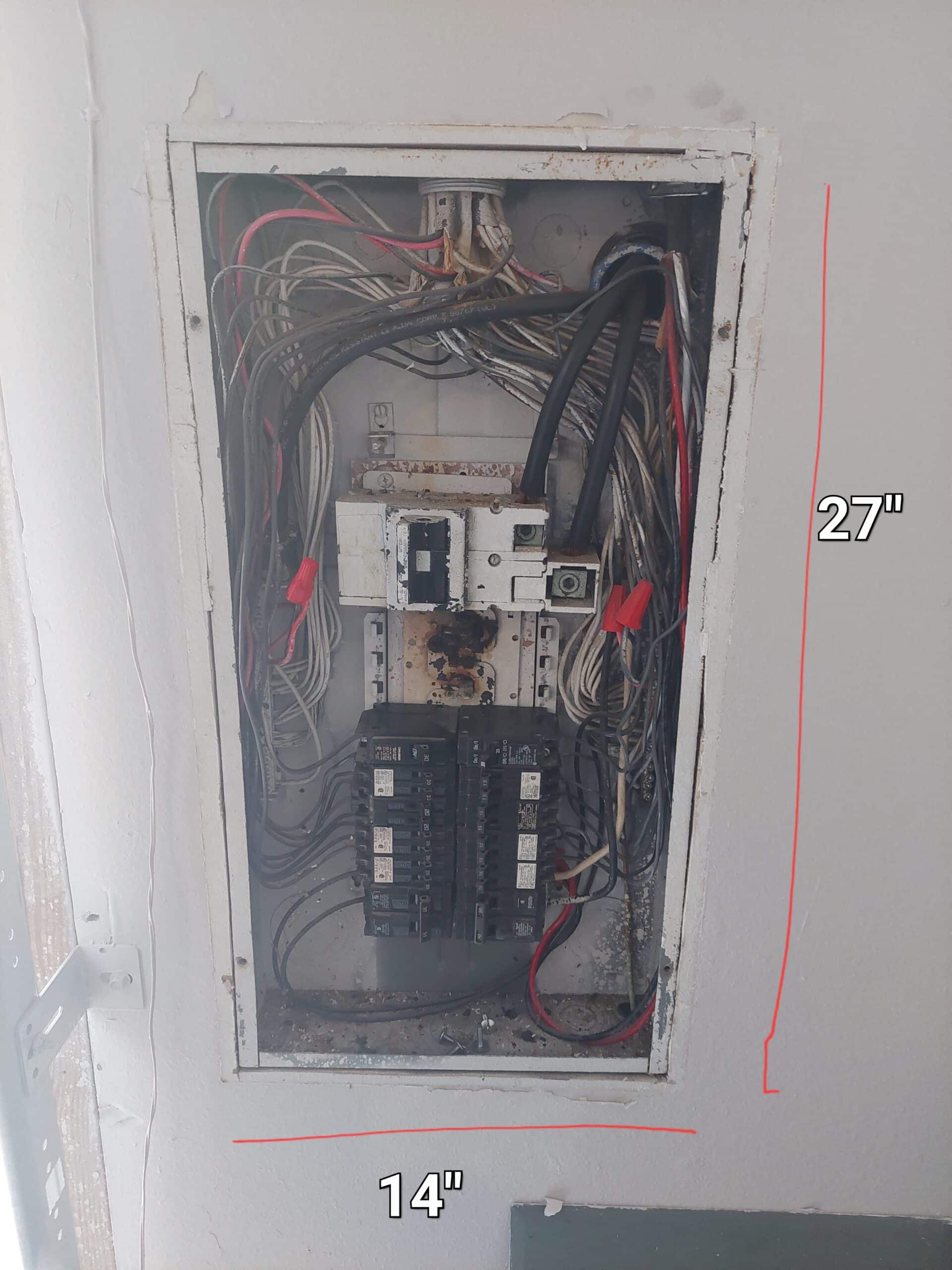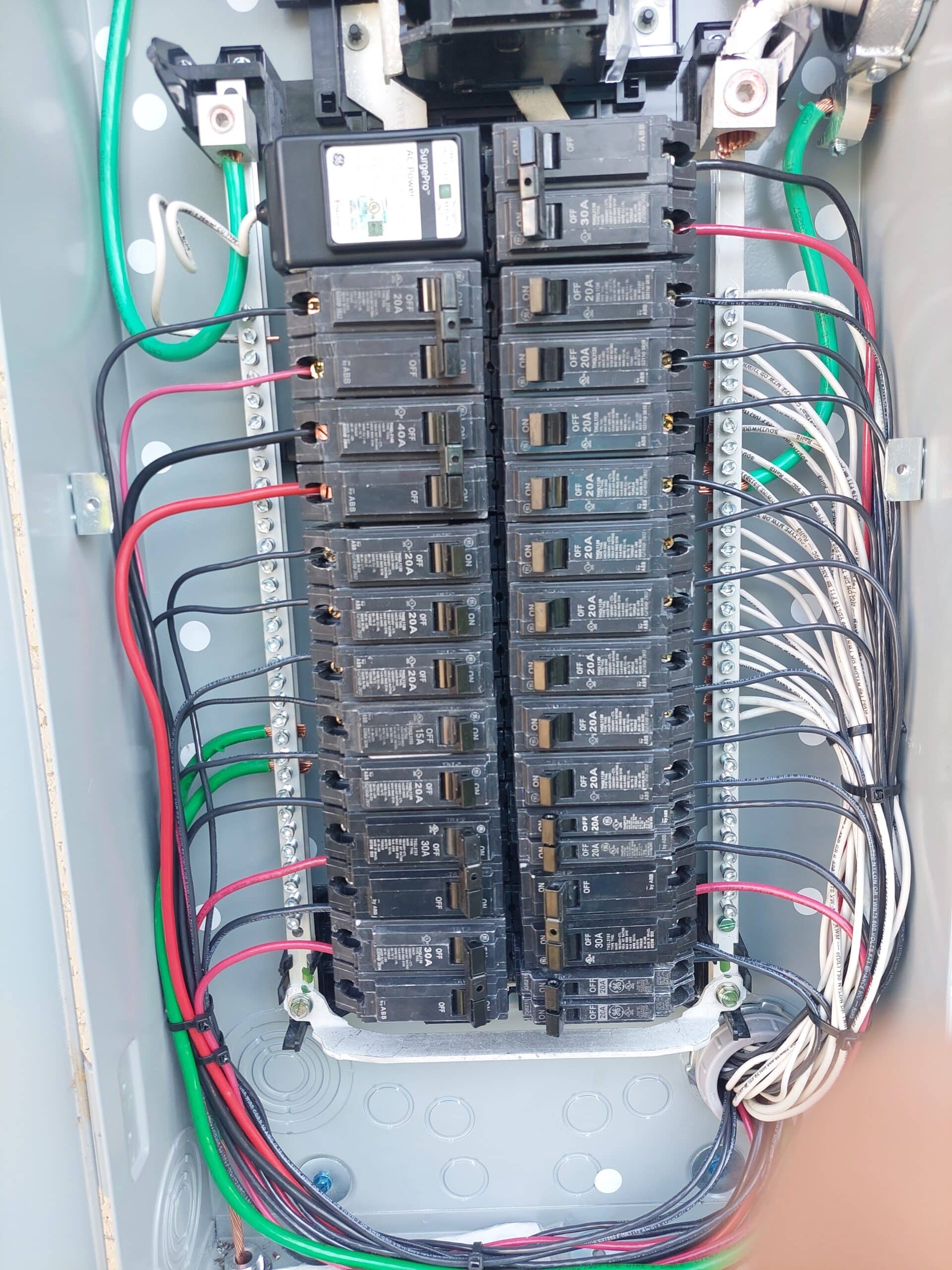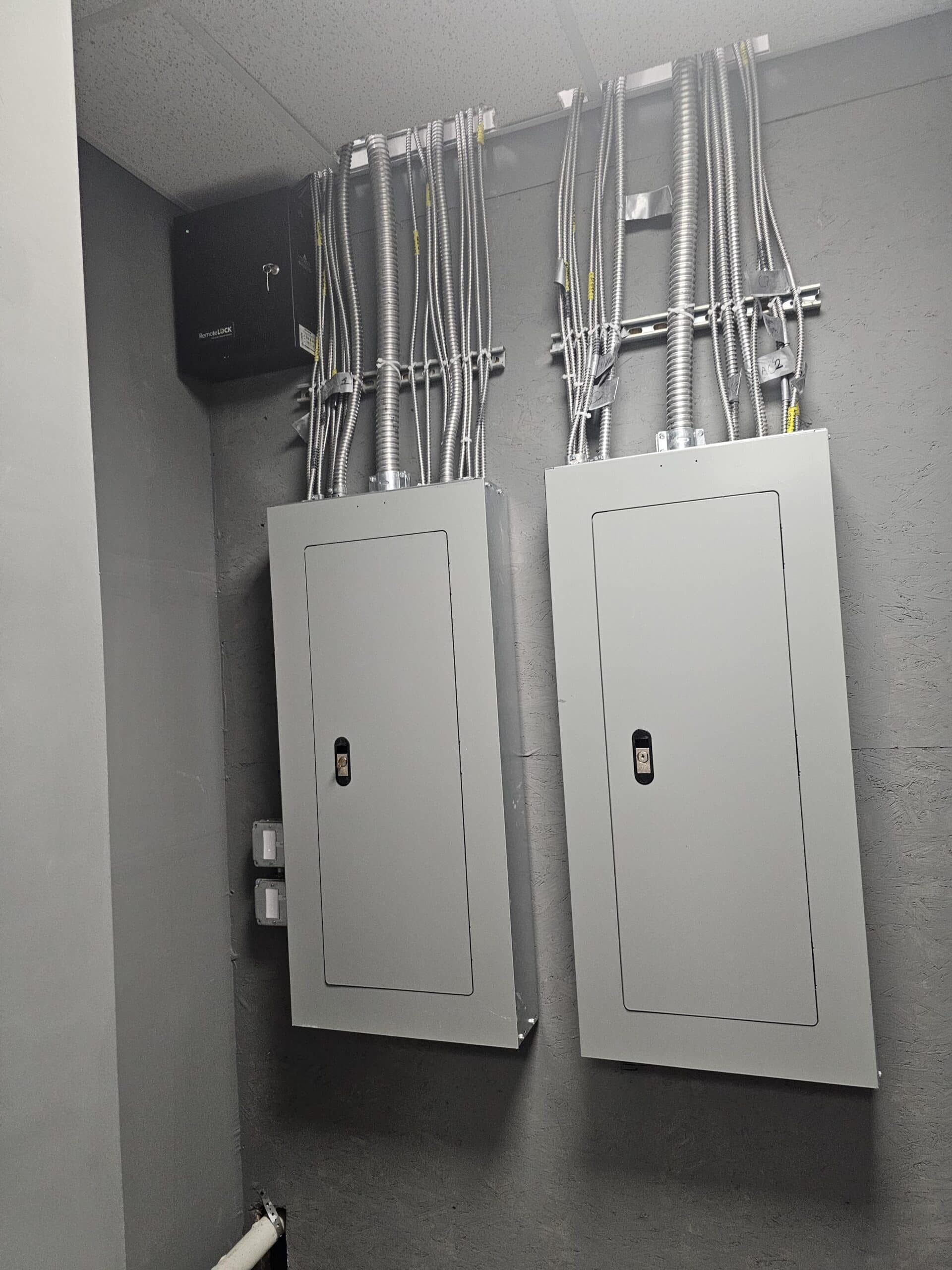

Most access control installations stumble over the same hidden hurdles: code compliance, hardware mismatches, and network setup. If you’re planning an office door access system or retail access control installation in Dallas or Plano, skipping these details can mean costly delays and headaches. This guide lays out what you need to know to get a smooth, reliable system that fits your budget and meets Texas standards. For more detailed insights, you can read about commercial office building access control here.
Key Steps for Access Control Installation
Understanding Codes and Compliance
Navigating code compliance is your first step to a successful access control system in Dallas or Plano. Ensure your system meets local building and safety standards to avoid costly penalties and redesigns.
Start by familiarizing yourself with the relevant regulations such as the International Building Codes (IBC), National Fire Protection Association (NFPA), and Americans with Disabilities Act (ADA). These standards ensure your system supports safe egress during emergencies and provides equal access to all individuals. Consult a professional to interpret these regulations accurately, as they can be complex and vary between jurisdictions. For a deeper dive into codes, check this article.
Door Hardware Compatibility
Matching your door hardware with your access control system is crucial. Incompatible hardware can lead to security vulnerabilities and operational issues.
Assess your existing doors and frames to determine if upgrades are needed. Consider the type of locking mechanism: electric strikes, which are generally quieter, or maglocks, known for their strength but often requiring more power. Each has unique benefits and limitations, so choose based on your specific security needs. Consulting with a security specialist can help you make the right decision.
Power, Cabling, and Network Setup
Power and network setup form the backbone of your access control system. Without proper planning, you may face connectivity issues or system failures.
Ensure you have sufficient power for all components, including locks, readers, and control panels. Low voltage wiring is typically used, but it must be installed correctly to prevent power drops. Networking is equally important. A robust network ensures that your system communicates effectively and remains secure. For additional guidance on network setups, explore insights from Mid Atlantic Entry.
Choosing the Right System for Your Space

Cloud vs On-Premise Solutions
Choosing between a cloud-based or on-premise access control system depends on your specific needs and infrastructure.
Cloud systems offer flexibility and remote management, making them ideal for businesses with multiple locations or limited IT resources. They automatically update, reducing maintenance demands. On-premise systems, however, provide greater control and may be preferred by organizations with stringent data security requirements. Weigh the benefits of each to decide what aligns best with your operational needs.
Credential Types and Security
Your choice of credentials impacts the security and convenience of your access control system.
Common options include key cards, mobile credentials, and biometric systems. Key cards are widely used and cost-effective, but mobile credentials offer added convenience and can reduce physical contact points. Biometric systems provide high security but may raise privacy concerns. Selecting the right credential type should consider both security requirements and user experience.
Integration with Existing Systems
Integrating your access control system with existing security measures can enhance overall safety and efficiency.
Coordinate with other systems such as video surveillance and alarm systems for seamless functionality. Integration allows for centralized management and quicker response to incidents. Ensure your chosen access control solution is compatible with your current infrastructure to avoid additional costs and complications. More information on integration strategies can be accessed in the Axis blog.
Planning and Budgeting Considerations
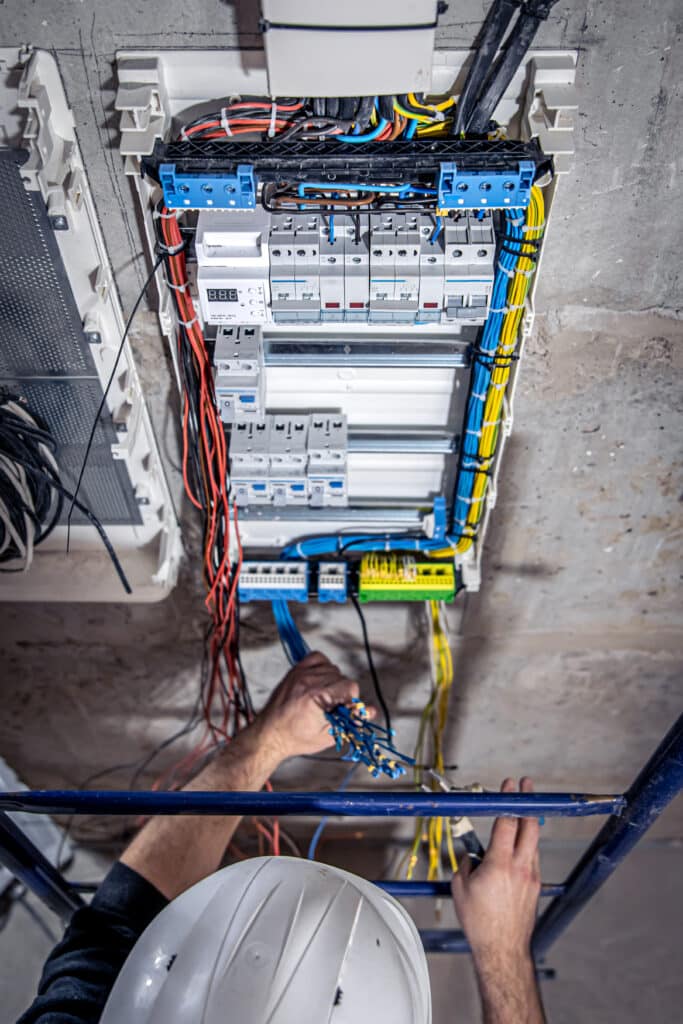
Permitting and Inspections Process
Navigating the permitting and inspection process is essential for a compliant and hassle-free installation.
You will need to secure the appropriate permits from local authorities before installation begins. Engage with your local building department early to understand their requirements and timelines. Inspections are crucial to ensure that your system meets safety and operational standards. Be prepared for potential adjustments based on inspector feedback.
Vendor Selection and Project Management
Choosing the right vendor and managing the project effectively can make or break your installation.
Select a vendor with a proven track record in access control installations, preferably one familiar with local codes and standards. Clear communication and detailed project plans are key to staying on schedule and budget. Regular updates and open lines of communication with your vendor will help address any issues promptly.
Scalability and Future Expansion
Scalability is a critical consideration for any access control system.
Ensure your chosen system can accommodate future growth, whether that means adding more doors, users, or integrating new technologies. Planning for expansion can prevent costly overhauls later. Consider systems that offer modular upgrades and flexible configurations to support your business needs as they evolve.
Frequently Asked Questions
What are the key considerations for access control installation in Dallas?
Key considerations include compliance with local codes, door hardware compatibility, and network setup. Proper planning ensures a reliable and secure system.
How do I choose between cloud and on-premise access control systems?
Consider your business size, IT resources, and security needs. Cloud systems offer remote management, while on-premise systems provide more control over data.
What types of credentials can be used in an access control system?
Options include key cards, mobile credentials, and biometrics. Each has pros and cons, so choose based on security needs and user convenience.
How important is integration with existing security systems?
Integration enhances overall security by enabling centralized management and swift response to incidents. Ensure compatibility with existing infrastructure.
Why is scalability important in access control systems?
Scalability allows for future growth and prevents costly overhauls. Choose systems that support easy upgrades and flexible configurations.