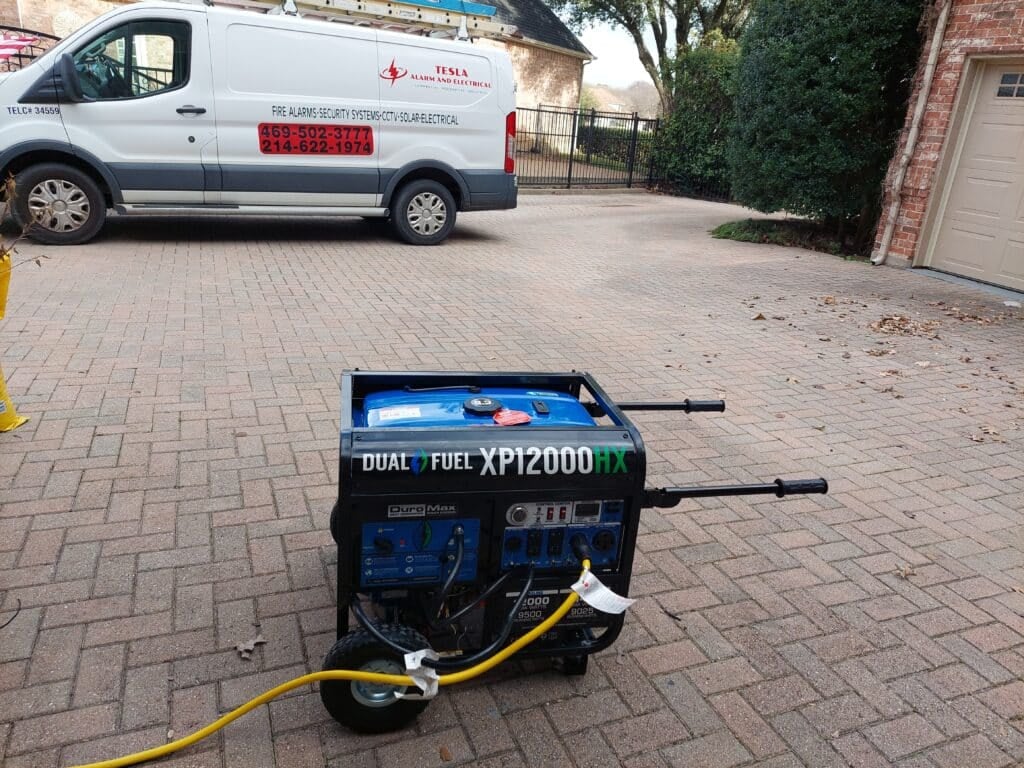
Power outages in North Texas aren’t just inconvenient—they can disrupt your daily life and business operations in a heartbeat. Installing a standby generator is a smart move, but getting the sizing, fuel choice, and code requirements right takes careful planning. Before you commit to a generator installation Plano experts, here’s what you need to know to avoid costly mistakes and ensure your backup power solution works when you need it most.
Key Considerations for Generator Installation
Choosing the right generator involves several key decisions. Let’s start by understanding how to match your needs with the correct generator size.
Sizing Your Generator
Picking the right size generator is crucial. A generator that’s too small won’t power your essentials during an outage, while one that’s too large can waste energy. The first step is to list the appliances and systems you need during a power cut. Common choices include refrigerators, HVAC units, and lights. Consult a professional to calculate the total wattage needed—this ensures you purchase a generator that meets your demands without overextending your budget. Check out this Gexa Energy guide for help on calculating the right size for your home.
Choosing Fuel Type: Gas vs Propane
Next, consider the fuel type. Natural gas and propane are the most common options. Gas is often more convenient if you already have a service line, offering an endless supply if infrastructure allows. Propane, on the other hand, can be stored on-site and is ideal if natural gas isn’t available. Each has pros and cons: gas is typically cheaper, while propane burns cleaner and can be stored indefinitely. Evaluate your home setup and accessibility when making this choice.
Understanding Generator Permits in Plano
Before installation, check local requirements. Plano has specific regulations for generator permits. It’s important to work with a licensed professional who understands these rules to avoid potential fines. Permits ensure that your installation meets safety standards and local codes. When hiring a professional, confirm they will handle the permit process for you, simplifying your preparation.
Site Placement and Code Compliance
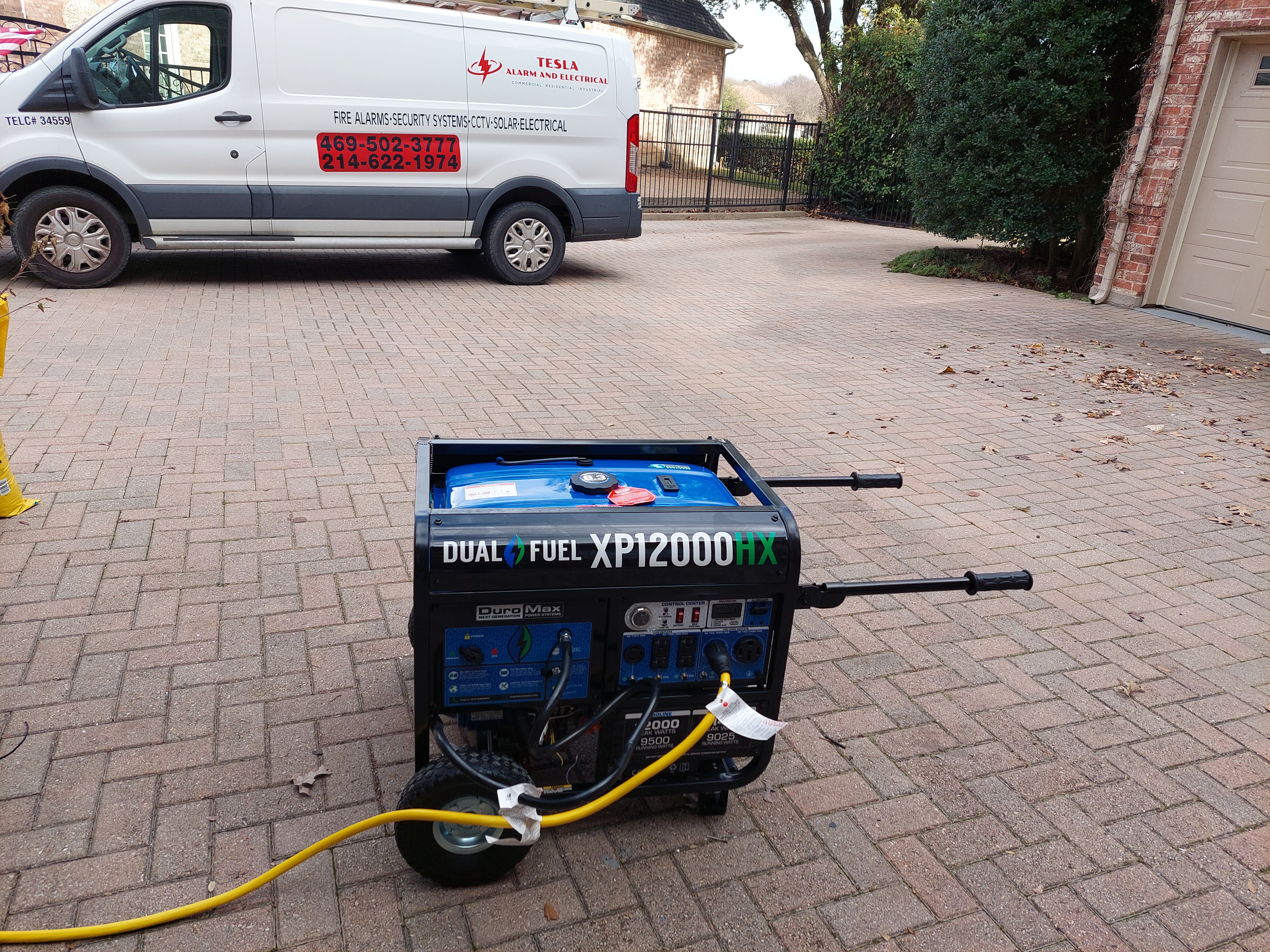
Once you’re clear on sizing and permits, plan where to position your generator. Placement affects performance and compliance with local codes.
Transfer Switch and Load Management
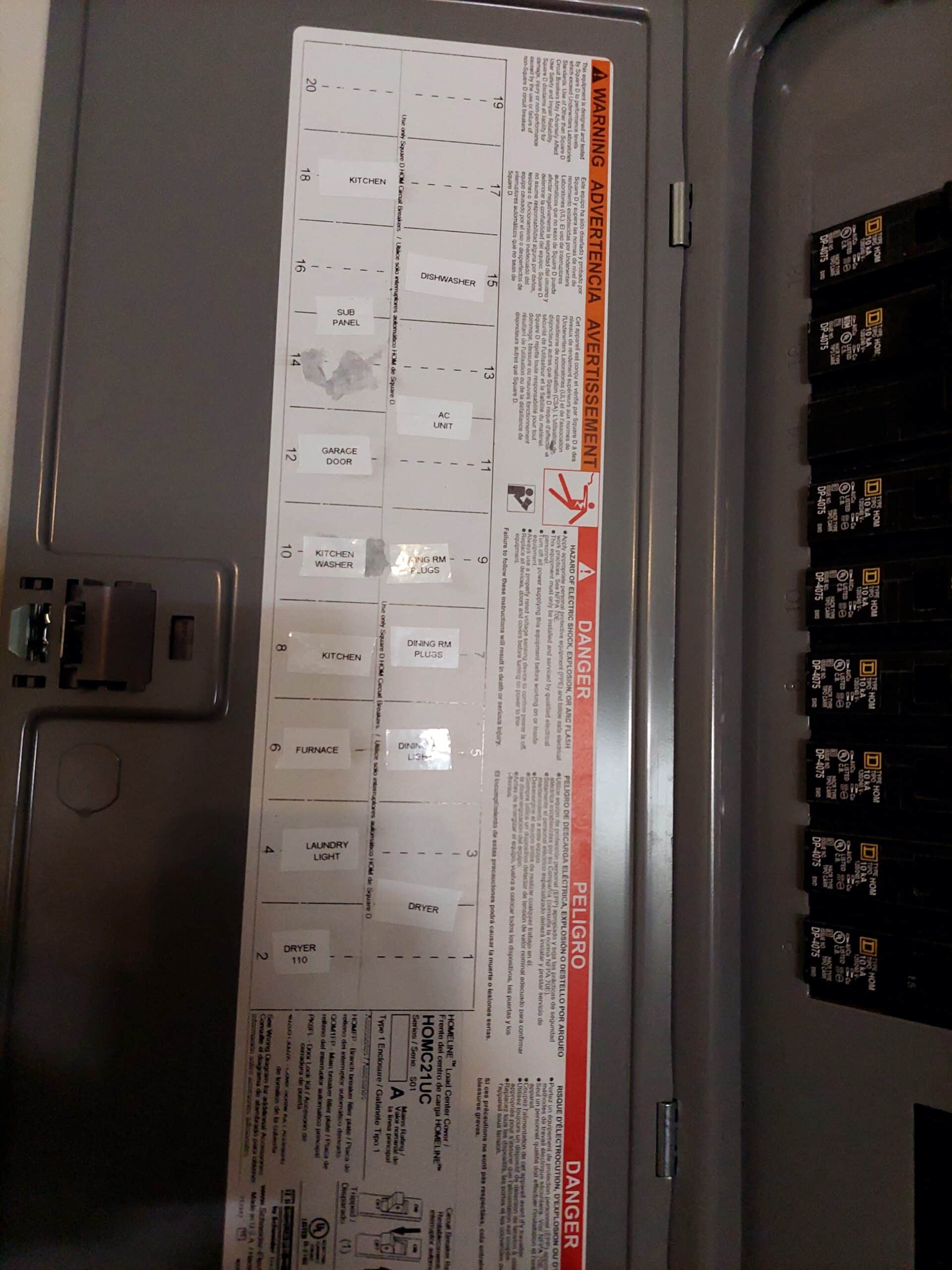
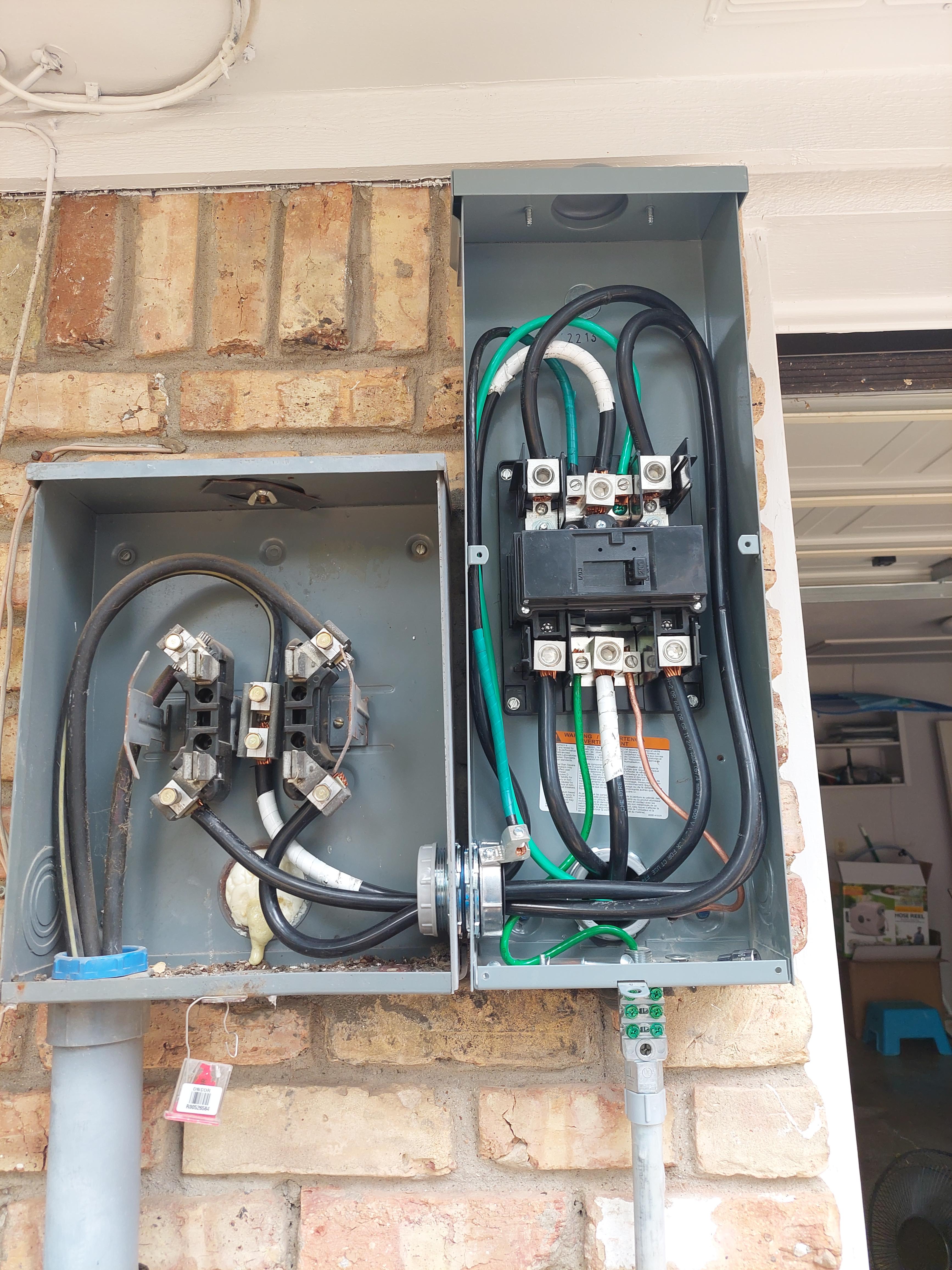
A transfer switch is essential. It connects your generator to your electrical system, allowing for a seamless transition when the power goes out. Automatic transfer switches (ATS) are popular for their hands-free operation. They also help manage the load by prioritizing essential circuits, ensuring your critical appliances get power first without overloading the system.
Noise and Safety Requirements
Generators can be noisy. Be mindful of noise ordinances in your area, especially if you have neighbors nearby. Look for models with lower decibel levels or install sound barriers. Safety is equally important. Ensure proper ventilation to prevent carbon monoxide buildup, and follow all safety guidelines to protect your family and property.
HOA Rules and Placement Guidelines
If you live in a community with a homeowners association, check their rules regarding generator installations. Some HOAs have specific placement guidelines to maintain neighborhood aesthetics. Discuss these guidelines with your installer to ensure compliance and prevent any future conflicts.
Real-World Costs and Maintenance
Understanding the financial aspects of generator installation and ongoing maintenance is key to making an informed decision.
Budgeting for Installation and Upgrades
Generator costs vary widely based on size, brand, and installation complexity. A basic setup might start at a few thousand dollars, while larger systems can run up to $15,000 or more. Factor in potential upgrades like concrete pads or additional wiring. Budgeting for these extras upfront prevents surprises down the road.
Maintenance Plans and Remote Monitoring
Regular maintenance keeps your generator ready to perform. Most manufacturers recommend servicing every six months. Consider investing in a maintenance plan that includes annual inspections and tune-ups. Remote monitoring is another option, offering real-time updates on your generator’s status, which can be especially useful for second homes or busy homeowners.
Surge Protection and Power Quality
Generators can help stabilize power during outages, but it’s wise to invest in surge protection. This safeguards your electronics from voltage spikes when power returns. Quality surge protectors can extend the life of your devices, making them a smart addition to your generator setup.
Frequently Asked Questions
What size generator do I need for my home?
To determine the size, make a list of essential appliances and their wattage. Use this to calculate the total power needed. Consulting a professional can ensure you choose a generator that meets your needs.
Which is better, natural gas or propane for generators?
Both have advantages. Natural gas is cost-effective and convenient if a line is available. Propane is cleaner and can be stored on-site, making it ideal for areas without gas lines.
Do I need a permit to install a generator in Plano?
Yes, a permit is typically required for generator installation in Plano. Working with a licensed professional helps ensure compliance with local codes and regulations.
How often should a generator be maintained?
Manufacturers recommend servicing generators every six months. Regular maintenance keeps your system in top condition and ready for use during outages.
What is the role of a transfer switch?
A transfer switch connects your generator to your home’s electrical system, allowing for a seamless transition during power outages. It ensures the safe and efficient operation of your generator.