Coordinated lighting and security is often overlooked until a blind spot causes a false alarm or a missed threat. You might have separate systems that don’t talk, leaving gaps in coverage and wasting energy. Planning your lighting and security together sharpens visibility, cuts down false alarms, and keeps daily operations running smoothly. Let’s look at how smart design choices in Plano and North Dallas can make your property safer and easier to manage.
Enhancing Safety with Coordinated Systems
Lighting and security systems working together create a safer environment. By integrating these systems, you reduce the risks associated with blind spots and false alarms, enhancing the overall safety of your property.
Reducing Blind Spots and False Alarms
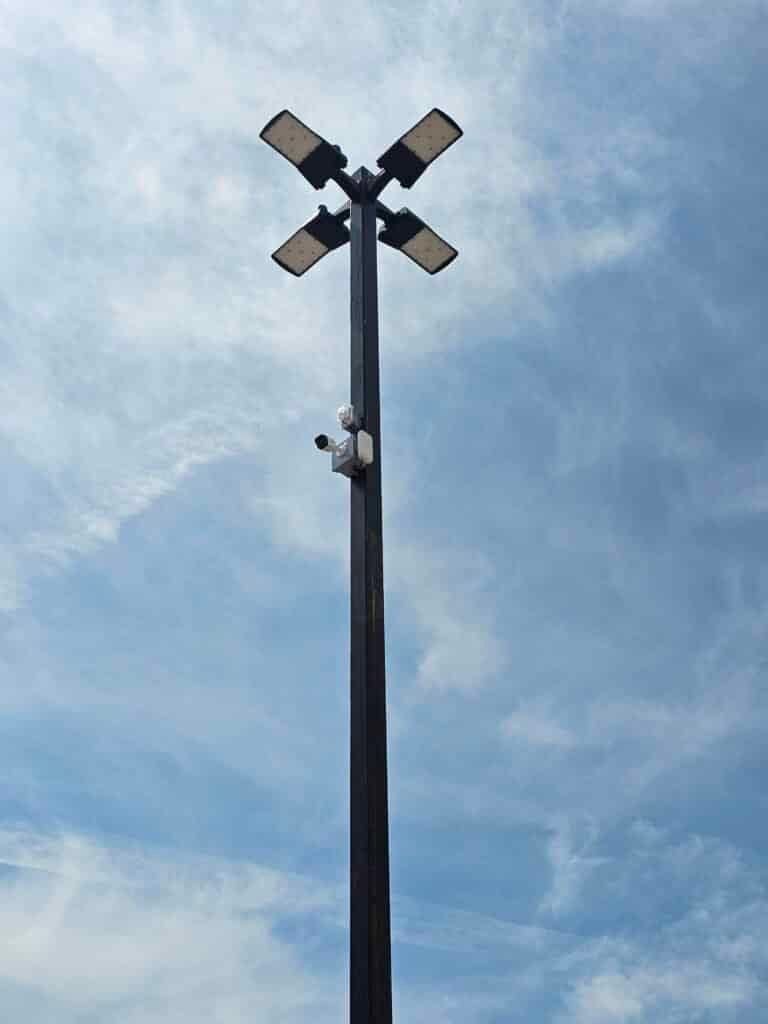
Picture your property well-lit and secure, where every corner is covered. When lighting and security are coordinated, blind spots shrink. This integration helps prevent false alarms, which can be costly and disruptive. With the right setup, sensors and cameras communicate, ensuring every area is monitored accurately. Imagine a scenario where a motion sensor light triggers a camera to record, capturing any activity in real-time. This synergy reduces the chance of mistakes, saving time and resources. Most people think separate systems are sufficient, but merging them can provide a comprehensive safety net.
Improving Visibility and Response Times
A well-designed system boosts visibility and quickens response. With coordinated efforts, security personnel can respond faster to issues. When lights and cameras work in tandem, visibility improves, making it easier to identify threats. Consider how bright lighting around entry points deters unwanted visitors. In emergencies, every second counts. Faster response times mean better protection for your property and peace of mind for you. The longer you wait to integrate, the more you risk delayed responses during critical moments.
Energy Efficiency and Operational Streamlining
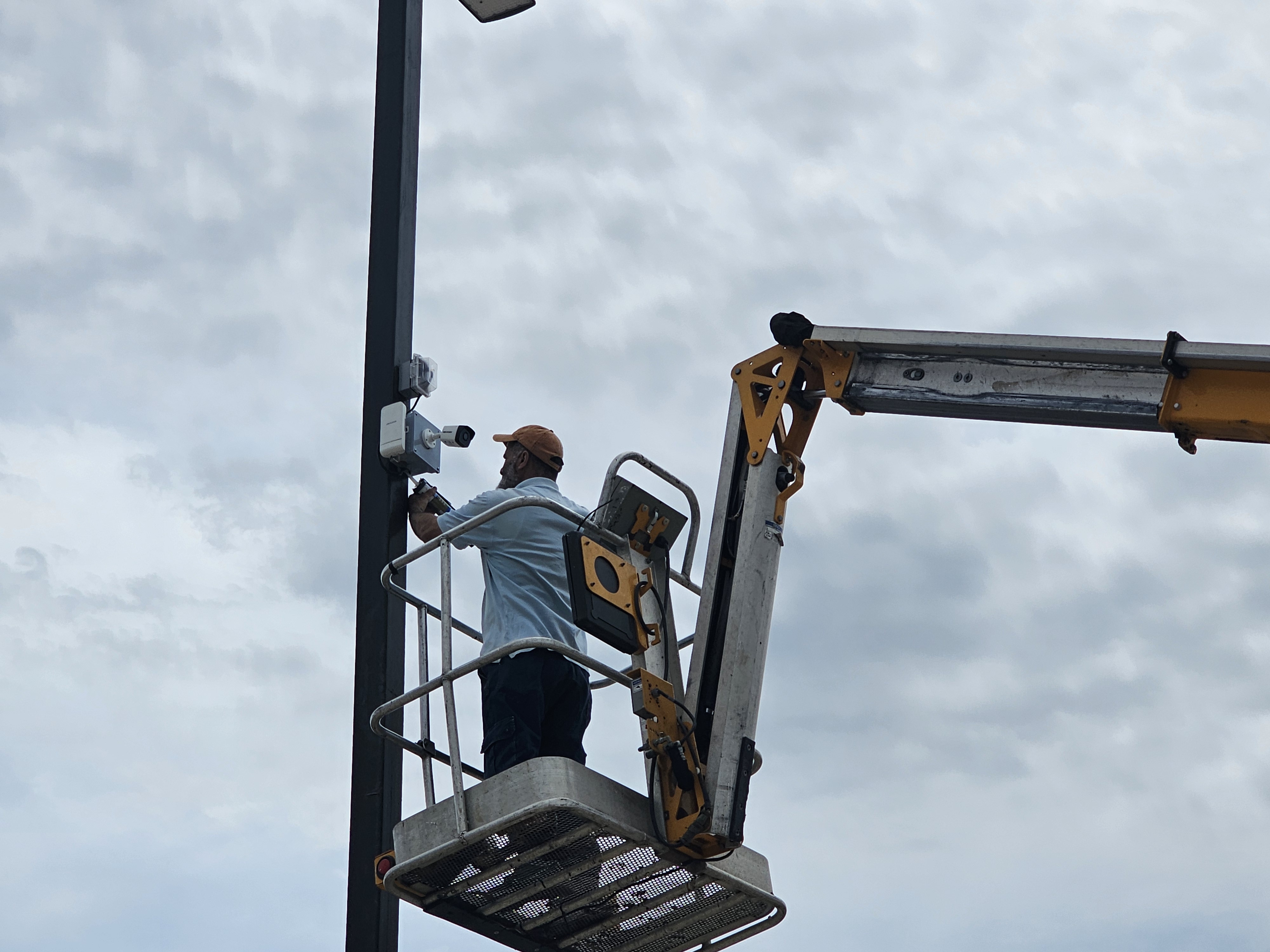
With safety enhanced, let’s explore how energy efficiency and streamlined operations come into play. Integrating your systems can lead to significant energy savings and operational improvements.
Boosting Energy Efficiency with Smart Controls
Smart controls make managing energy a breeze. By using sensors and timers, lights only operate when needed, cutting down on wasted energy. Imagine lights automatically dimming or turning off when no movement is detected—this is both eco-friendly and cost-effective. In Dallas, upgrading to smart lighting controls can reduce your electrical bills noticeably. You might think you’re saving by sticking with older systems, but smart upgrades often pay for themselves over time.
Streamlining Operations with Integrated Solutions
Managing your property becomes simpler with integrated solutions. When systems communicate, operations run smoothly. For instance, linking access control with lighting ensures areas are lit when needed, providing seamless transitions for staff and visitors. This integration minimizes overlap and redundancy, reducing the workload on your team. Instead of juggling multiple systems, a unified approach allows for centralized control, making daily management tasks easier. Don’t assume more systems mean more complexity—often, it’s the opposite.
Practical Planning for Lighting and Security

With benefits clear, the next step is practical planning. Let’s delve into how you can plan effectively for your property’s needs.
Conducting a Coordinated Site Walkthrough
A site walkthrough is crucial. It helps identify potential issues and areas for improvement. By walking through your property, you can pinpoint where lighting and security need to work together. This hands-on approach ensures nothing is overlooked. During the walkthrough, take note of poorly lit areas or outdated equipment—these are prime targets for upgrades. A thorough assessment leads to a tailored plan that meets your specific needs. Don’t wait for problems to arise; proactive planning is key to maintaining a secure environment.
Designing a Phased, Code-Compliant Plan
A phased plan ensures updates are manageable and compliant with local codes. Breaking upgrades into phases allows for a smooth transition without disrupting daily operations. Each phase should focus on critical areas first, then expand to cover the entire property. Compliance with codes is essential to avoid future issues and ensure safety standards are met. Collaborating with a Plano electrician familiar with local regulations can streamline this process, ensuring your plan is both effective and compliant. Planning upfront saves time and money down the road.
Frequently Asked Questions
What are the benefits of coordinating lighting and security systems?
Coordinating these systems reduces blind spots, cuts false alarms, enhances visibility, and speeds up response times. It also leads to energy savings and streamlined operations.
How can smart controls improve energy efficiency?
Smart controls optimize energy use by turning lights on and off based on occupancy and time, reducing unnecessary energy consumption and lowering utility bills.
Why is a site walkthrough important in planning?
A site walkthrough identifies potential security and lighting issues, allowing for a tailored plan that addresses specific needs and ensures nothing is overlooked.
What does a phased plan mean for upgrades?
A phased plan breaks the upgrade process into manageable steps, ensuring compliance with local codes and minimizing disruption to daily operations.
How does integration streamline property management?
Integration allows for centralized control, reducing redundancy and making it easier to manage daily operations efficiently.