Power outages in North Texas hit harder when you’re scrambling at the last minute. You already know storms, ice, and summer heat waves strain the grid, leaving homes and businesses in the dark. Planning backup power ahead means no surprises when the lights go out. This guide will walk you through everything from generator load calculation to fuel choices, so you can schedule your Plano generator installation with confidence before the next outage.
Understanding Backup Power Needs
Before diving into equipment choices, it’s crucial to understand the power demands you’ll face. Knowing what you need helps avoid over- or under-investing.
Calculate Generator Load
Start by identifying the devices you want to keep running during an outage. Think about essentials like refrigerators, heaters, and lights. Make a list and note the wattage of each. Add them up: this is your total generator load. For most households, an average of 5,000-7,500 watts suffices. In business settings, this number might be higher. Always consult with a professional to verify your needs, ensuring your calculations accommodate potential growth or changes in usage.
Explore Generator Types
Generators come in two main types: portable and standby. Portable generators offer flexibility and are usually less expensive. They’re ideal for temporary power needs, but you’ll need to start them manually. Standby generators, on the other hand, automatically kick in during an outage. They’re more costly but provide seamless transitions. Many homeowners and businesses in Dallas opt for standby options because they ensure everything from lights to HVAC systems runs without a hitch.
Choosing Fuel Options
Fuel choice affects your generator’s efficiency and convenience. Natural gas is common because it’s continuous and doesn’t require storage. Propane is another option, known for its clean burning and long shelf life. It’s important to consider what’s readily available in your area. Whatever you choose, ensure it’s capable of handling your calculated load. Discuss these options with your electrician to determine which offers the best balance of price and practicality for your situation.
Installation and Equipment Essentials
With your power needs outlined, it’s time to focus on installation and the right equipment. Proper setup ensures your system performs when it matters most.
Selecting Transfer Switches
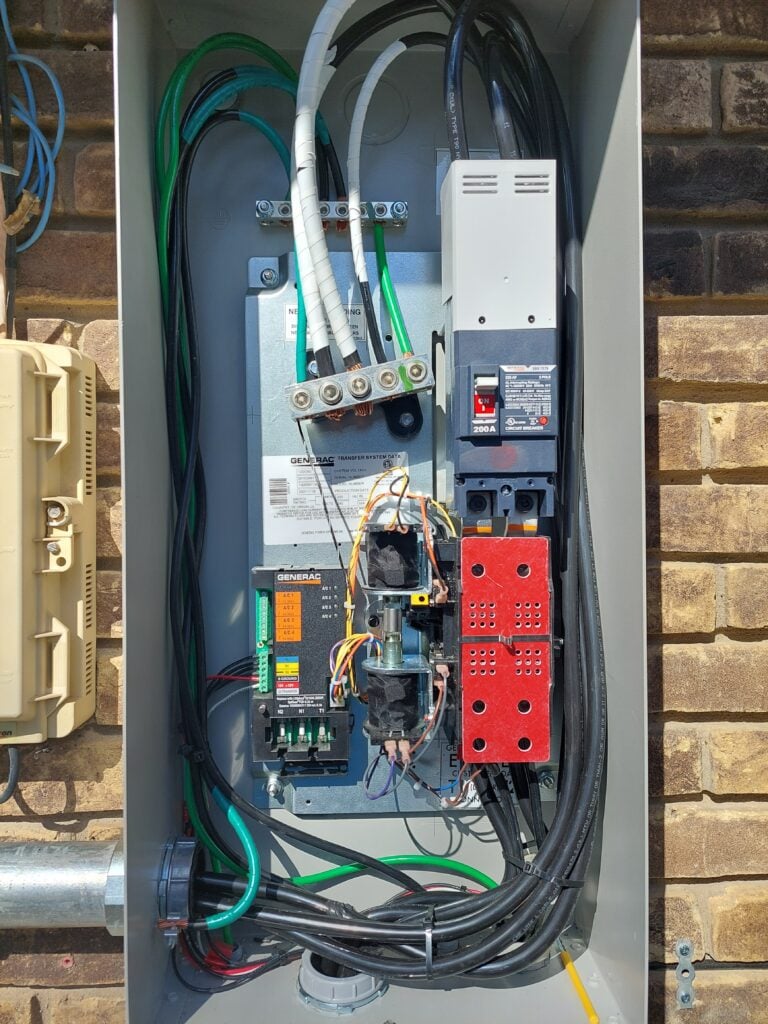
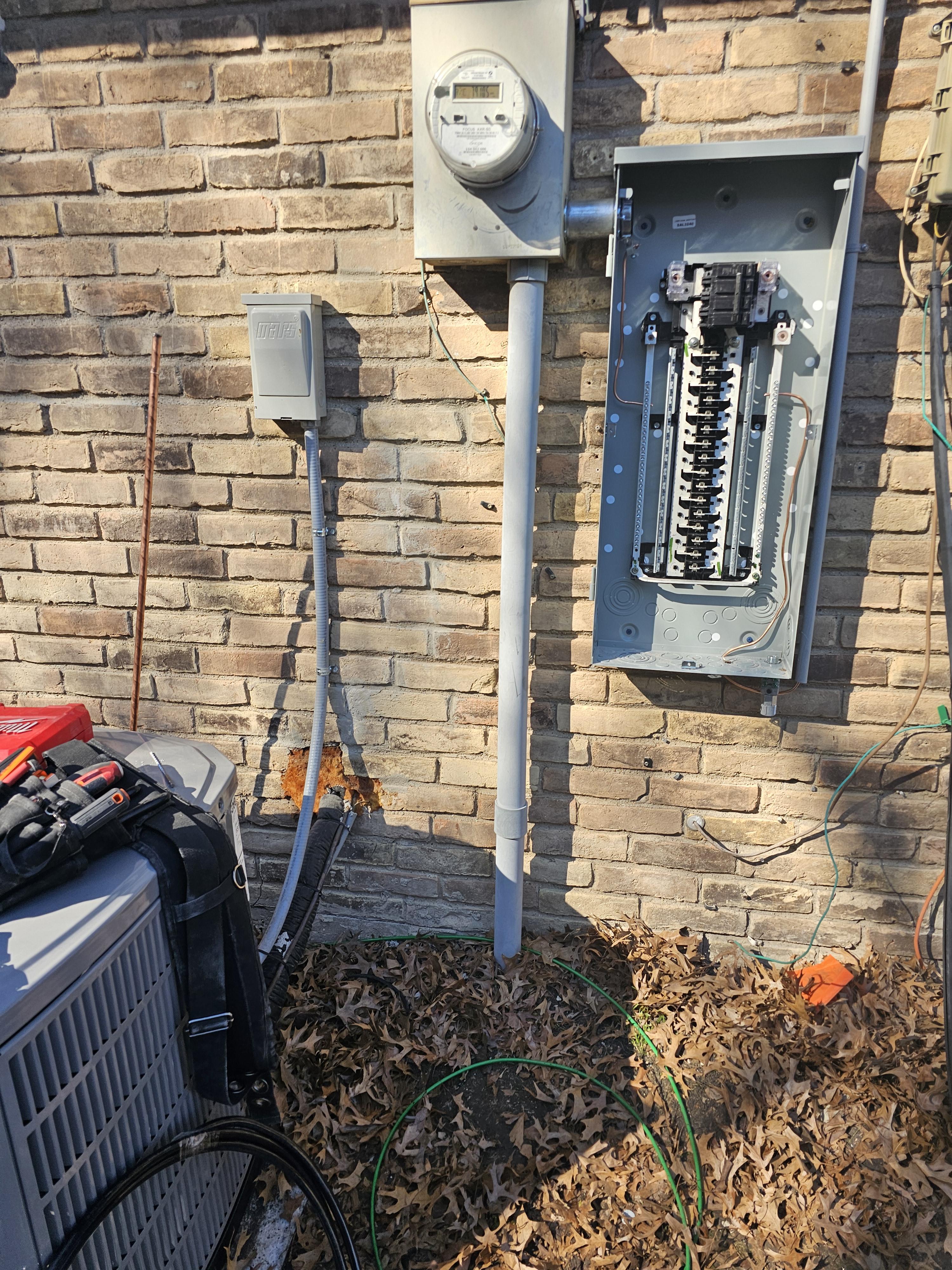
A transfer switch is vital for safely connecting your generator to your home’s electrical system. You have two choices: automatic or manual. An automatic transfer switch (ATS) seamlessly switches power sources without any effort from you. A manual transfer switch requires you to flip a switch during outages. For most families and businesses aiming for convenience and reliability, an ATS is worth the investment. It eliminates worry and keeps systems running smoothly.
Permitting and Timeline Considerations
Installing a generator isn’t just plugging it in; there are permits to secure and timelines to consider. Start the application process early, as local regulations in Plano can vary. Expect a few weeks for processing. Planning ahead avoids last-minute roadblocks. Coordinate with your contractor to ensure all permits are in place and timelines align with your needs. This proactive approach means you won’t be left in the dark when the next storm hits.
Safety and Maintenance Tips
Regular maintenance keeps your generator in peak condition. Simple tasks like checking oil levels and running the unit monthly can prevent long-term issues. Safety first: ensure your generator is in a well-ventilated area to avoid carbon monoxide buildup. Investing in a surge protection plan can also protect your essential devices from voltage spikes. Keeping up with these practices ensures your generator runs efficiently and extends its lifespan.
Benefits of Being Prepared
Having a generator isn’t just about having power—it’s about security and peace of mind.
Ensuring Business Continuity
For businesses, downtime equals lost revenue. A generator guarantees that essential systems like computers and security remain operational. This continuity keeps your business running smoothly, even when the power grid fails. You’ll provide consistent service to customers and avoid the financial impacts of unexpected outages.
Residential Peace of Mind
At home, a generator brings comfort. You’ll maintain heat during a cold snap or keep food from spoiling in the summer. Knowing your family is safe and comfortable during an outage provides invaluable peace of mind. It’s not just about convenience; it’s about ensuring stability when external conditions are unpredictable.
Scheduling a Consultation
Taking the first step toward backup power is easier than you think. Contact a licensed electrician to discuss your specific needs. They can help with everything from load calculation to installation timelines. A consultation sets the stage for a well-planned generator setup that aligns with your home’s or business’s demands. The longer you wait, the more you risk being caught unprepared when the next outage strikes.
Frequently Asked Questions
What size generator do I need for my home?
To determine the right size, list all essential appliances and their wattage. Calculate your total wattage needs, typically between 5,000-7,500 watts for most homes. Consult a professional for precise recommendations.
How often should I maintain my generator?
Regular maintenance is key. Check oil levels monthly, run the generator for a short period every month, and schedule a full service annually. This ensures reliability and longevity.
What’s the difference between a portable and a standby generator?
Portable generators are less expensive and require manual operation. Standby generators automatically engage during outages and support more significant power loads. Choose based on your convenience and power needs.
Do I need a permit to install a generator?
Yes, permits are typically required for installation. Regulations vary by location, so check with local authorities in Plano to ensure compliance and start the process early.
Can I install a generator myself?
It’s recommended to use a licensed electrician. Proper installation requires expertise to ensure safety and adherence to local codes. A professional will ensure your system is set up correctly.