Most security and cabling projects hit snags because planning happens in pieces. You might think placing cameras, alarms, and cables separately saves time, but it often leads to costly rework and delays. This guide will show you how to coordinate everything from power needs to network design in one clean plan, so your installation finishes right the first time with a licensed electrician Plano homeowners and Dallas security cameras experts trust.
Strategic Camera Placement
When setting up your security system, camera placement plays a crucial role. Proper planning ensures you cover all essential areas, enhancing both safety and peace of mind.
Key Spots for Dallas Security Cameras
To keep your property secure, pinpointing key camera locations is vital. High-traffic entry points such as front doors, driveways, and backyards should top your list. These are common areas where intrusions may occur, and having cameras here can deter potential threats. Think about installing cameras at garage doors and basement windows too. These spots often provide hidden access points that criminals prefer. A well-placed camera can catch suspicious activity early, allowing for quick action.
Outdoor Camera Installation Tips
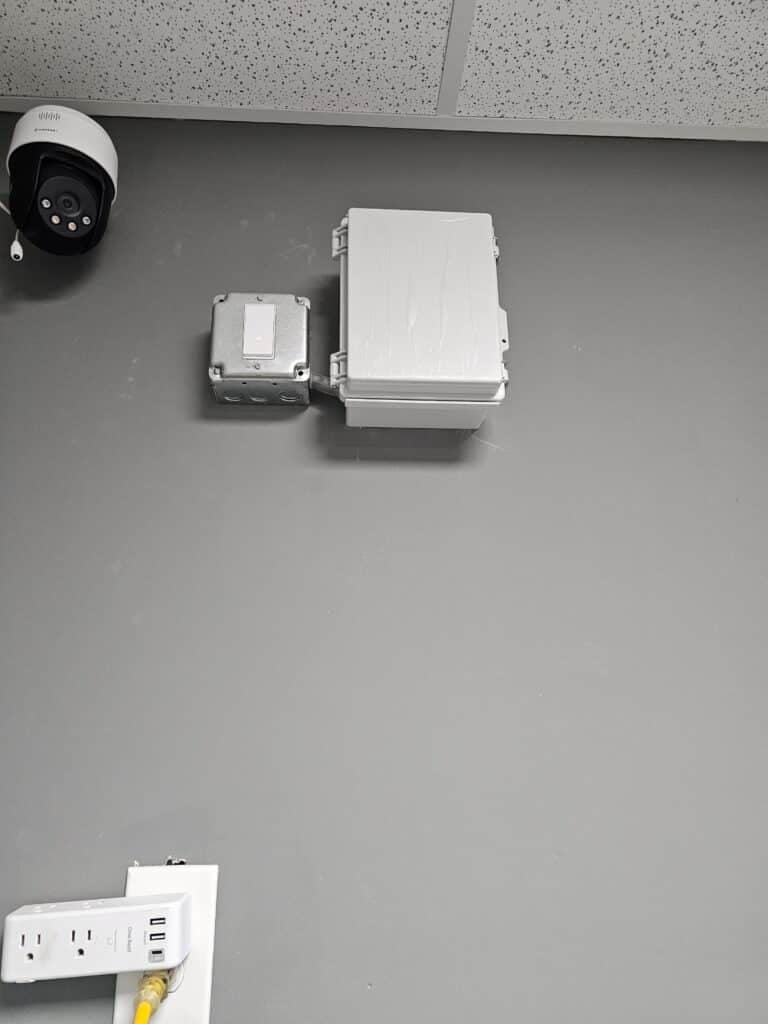
Outdoor cameras face different challenges than indoor ones. Weatherproofing is essential in Dallas, where conditions can vary. Make sure your cameras can withstand rain, wind, and the blazing sun. You also want to mount them high enough to avoid tampering but low enough to capture clear images. Consider using PoE camera installation for outdoor setups. This method simplifies wiring by using a single cable for both power and data, reducing clutter and potential weak points in your system.
Optimal Views for Residential Security
Getting the right camera angles is key to effective surveillance. Aim for wide, unobstructed views that cover the most ground possible. This might mean adjusting the camera lens or positioning it at a specific angle. For residential areas, focus on main living spaces and exterior doors. You want to capture as much activity as possible without missing crucial details. This method not only provides a comprehensive overview but also ensures that even subtle movements are detected.
Comprehensive Alarm System Planning
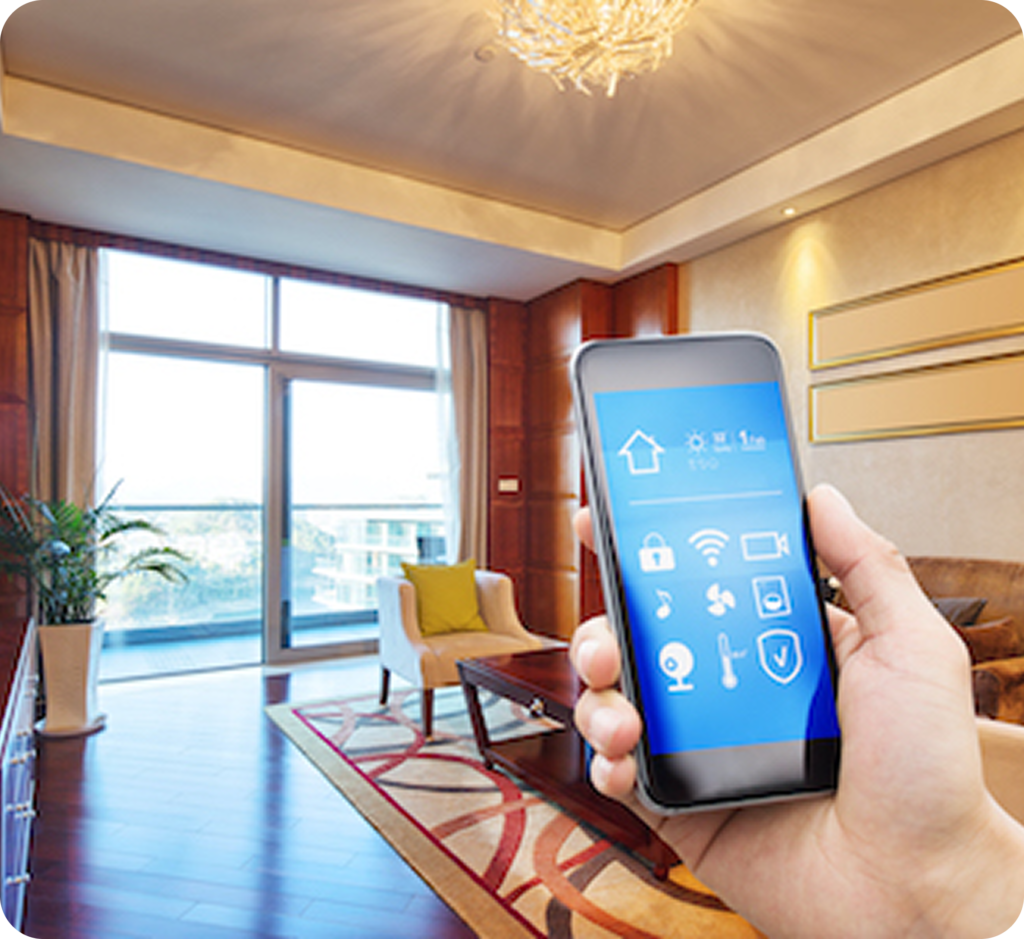
Getting your alarm system right requires thoughtful planning and integration with other security components. Here’s how to make sure your alarm system is both reliable and effective.
Alarm Installation Essentials in Plano
When installing alarms in Plano, consider local needs. This area might face unique threats, so customizing your alarm system is crucial. Start by identifying weak spots in your property’s security. Entry points such as doors and windows should have sensors that trigger alerts when breached. Additionally, smoke and carbon monoxide detectors are non-negotiable for safety. Regular maintenance and testing ensure your system works flawlessly when needed most.
Integrating Smart Home Security in Dallas
Incorporating smart technology into your security system can enhance functionality and convenience. A smart home system allows you to control alarms and cameras remotely, giving you peace of mind even when you’re away. Consider features like real-time alerts and remote system management. By using smart home security, you can respond to potential threats faster and more efficiently, making it a valuable addition to your safety measures.
Zoning and Code Compliance for Alarms
Compliance with local zoning and safety codes is essential for any alarm system. Start by understanding what the Dallas security system design requires. This might involve specific placement of devices or particular installation standards. Ensuring your system meets all legal requirements not only avoids fines but also guarantees the system works correctly during emergencies. Partnering with professionals familiar with local codes can simplify this process and ensure your system is up to standard.
Efficient Cabling and Power Solutions
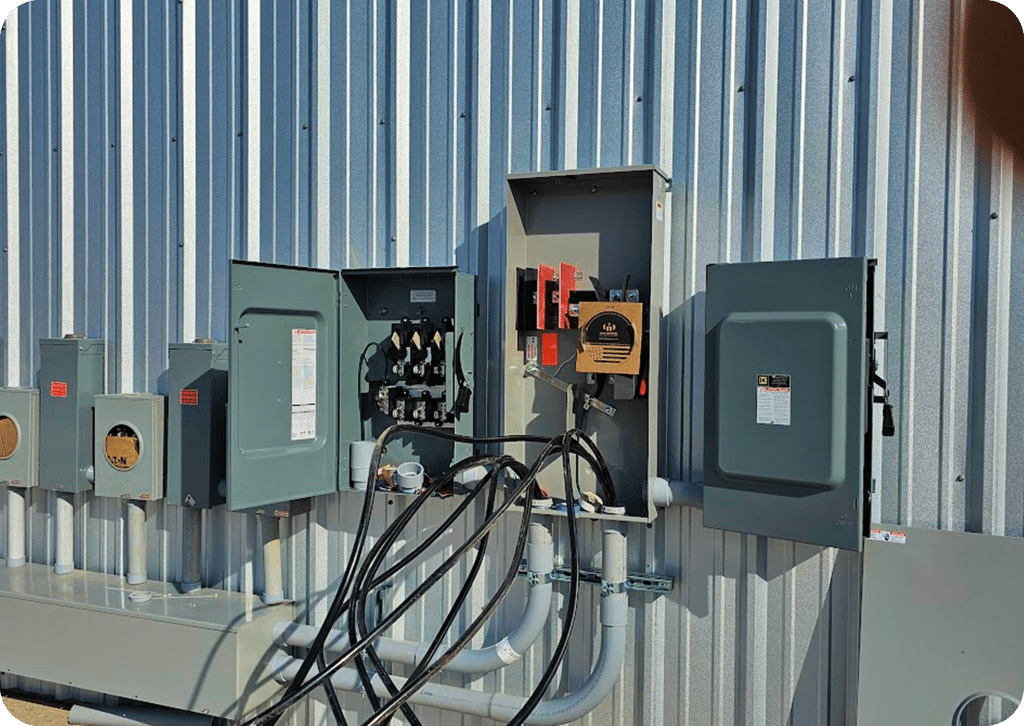
Solid cabling and power solutions form the backbone of a reliable security system. Planning these elements well ensures seamless operation and minimizes disruptions.
Structured Cabling in DFW Projects
Structured cabling simplifies complex security systems, making them more manageable. By organizing cables into a single infrastructure, you create a streamlined setup that supports current and future needs. This method reduces clutter and potential errors, making maintenance easier. In DFW projects, structured cabling ensures compatibility with various devices, enhancing overall system performance and reliability.
CAT6 Cabling Tips for Dallas Properties
CAT6 cables are a popular choice for Dallas properties due to their high performance. They provide faster data transfer rates, which is crucial for security systems that handle large amounts of data. When installing CAT6 cabling, ensure proper insulation and avoid sharp bends, which can affect performance. Proper installation maximizes the cable’s benefits, giving you a fast, reliable connection for your security needs.
Surge Protection and UPS for Security Systems
Surge protection and UPS systems are critical for maintaining security system functionality. Power surges can damage sensitive equipment and lead to costly repairs. A surge protector shields your system from unexpected voltage spikes, preserving its integrity. A UPS provides backup power during outages, ensuring continuous operation. This redundancy is essential for Dallas security cameras and alarms, where uninterrupted monitoring can make a difference in preventing security breaches.
Frequently Asked Questions
What are the best spots for security cameras in Dallas?
Key spots include entry points like front doors and driveways, as well as hidden access points such as garage doors and basement windows. Covering these areas helps deter intrusions and catch suspicious activity early.
How do you integrate smart technology into a security system?
Smart technology can be integrated through smart alarms and cameras that allow remote operation and real-time alerts. This integration provides enhanced control and quicker response to potential threats.
Why is structured cabling important for security systems?
Structured cabling organizes all cables into a single system, reducing clutter and errors. It supports various devices and future expansions, ensuring the system remains efficient and reliable.
What is the role of surge protection in security systems?
Surge protection shields against voltage spikes that can damage equipment. It ensures the longevity and reliability of your security system, preventing costly repairs.
How does a UPS benefit security systems?
A UPS provides backup power during outages, ensuring continuous operation of cameras and alarms. This redundancy is crucial for maintaining security coverage at all times.