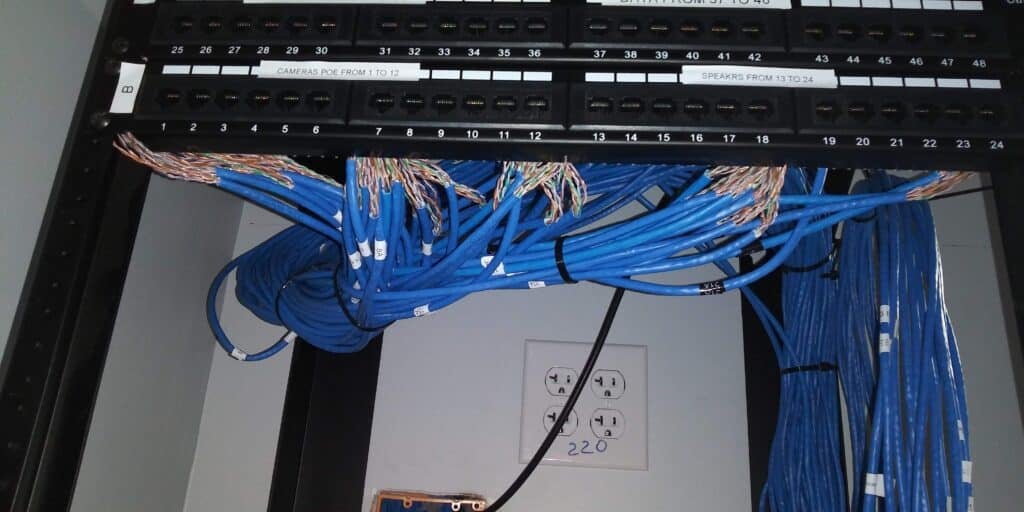
Older wiring isn’t just a minor inconvenience—it can seriously limit how well your security cameras and smart devices work. Many Plano properties built before the 2000s struggle with outdated wiring, ungrounded outlets, or aluminum wiring that can’t handle modern tech demands. Understanding what’s behind these restrictions lets you see how a panel upgrade in Plano and structured cabling can bring your system up to speed. Let’s break down why your wiring might be holding you back and what you can do next. For more information on planning upgrades, consider exploring this guide.
Technical Challenges with Older Wiring
Outdated wiring brings unexpected challenges to your security and smart systems. Let’s explore the key issues each system faces.
Impact on Security Cameras
Old wiring is like a roadblock for security cameras. If your property still uses aluminum wiring or ungrounded outlets, your cameras may not get the power they need. This can lead to unpredictable video quality or even system failures. The constant demand for power from modern PoE security cameras can overwhelm older systems, causing them to flicker or drop connection during critical moments.
In addition to power delivery, older wiring can’t support the data demands of high-resolution cameras. You might experience slow feeds or pixelated footage. This is a serious concern when you rely on these cameras for security. Upgrading to structured cabling like Cat6 can provide a reliable data pipeline, ensuring clear and uninterrupted video.
Limitations for Smart Devices
Smart devices are part of daily life, but older wiring limits their potential. Devices like smart thermostats, lighting, and speakers require stable power and data. Ungrounded or outdated wiring can result in frequent resets or connectivity issues. This means you might miss out on the full range of features your smart devices offer.
Smart home devices need a stable network to function properly. Older wiring often lacks the infrastructure for ethernet drops needed for a robust network. Without these, your devices might experience lag or intermittent connectivity, which can be frustrating and reduce efficiency. Upgrading your network infrastructure can enhance device performance, giving you seamless control over your smart home.
Issues with Access Control Systems
Access control systems are vital for security, yet they face unique challenges with older wiring. These systems rely on low-voltage wiring to communicate and operate smoothly. If your wiring can’t handle these demands, you might face delayed responses or system downtime. This poses a security risk, especially in commercial settings where reliable access is crucial.
Older wiring struggles to support modern access control features like remote management and monitoring. Without structured cabling, integrating these advanced features becomes difficult. This can leave your system outdated and less secure. Upgrading to support technologies like PoE network switches is key to maintaining a robust access control system.
Upgrade Solutions for Plano Properties
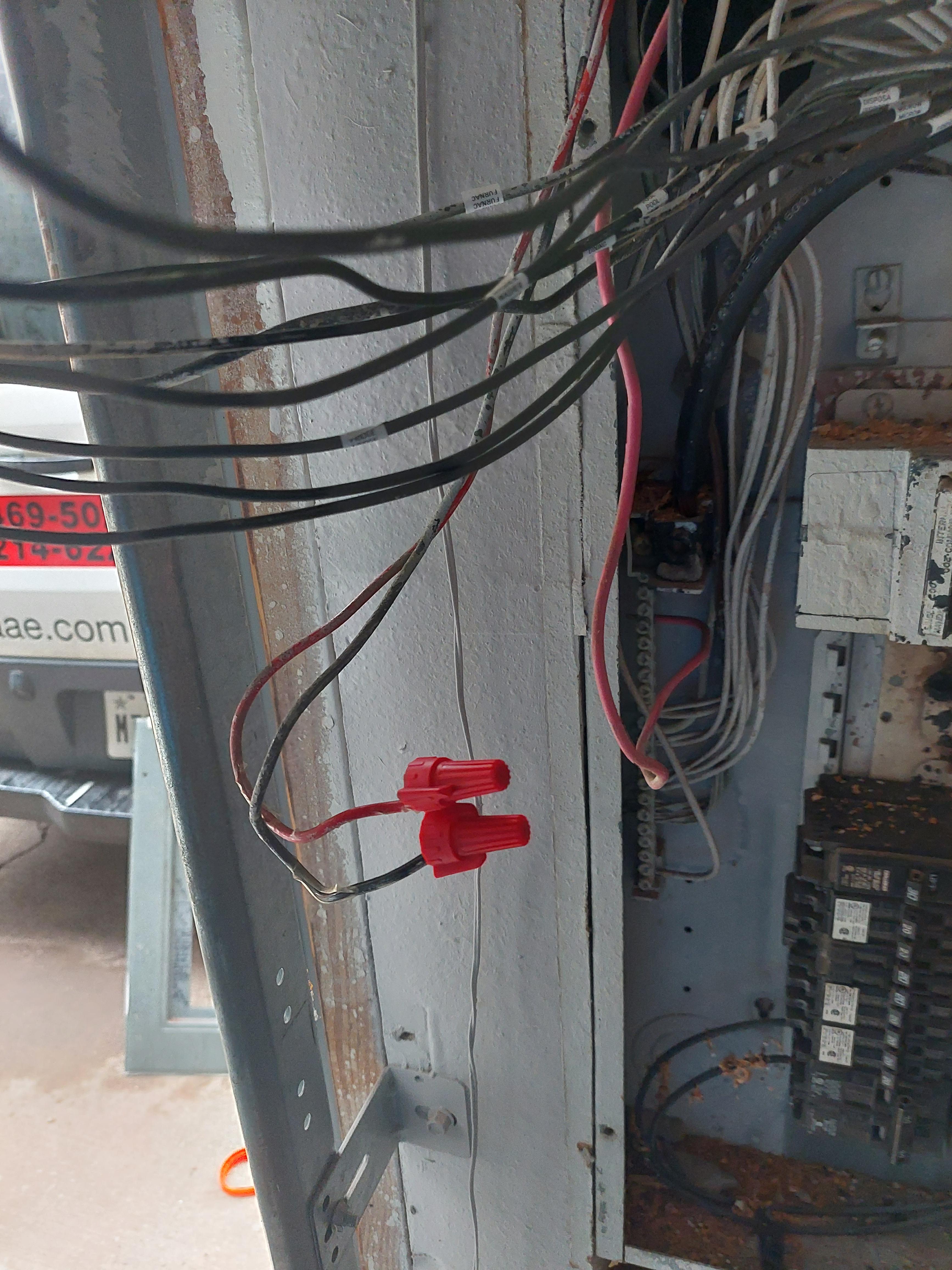
Recognizing the limitations of your current wiring is the first step. Now, let’s discuss how you can upgrade your systems effectively.
Wiring and Panel Upgrades
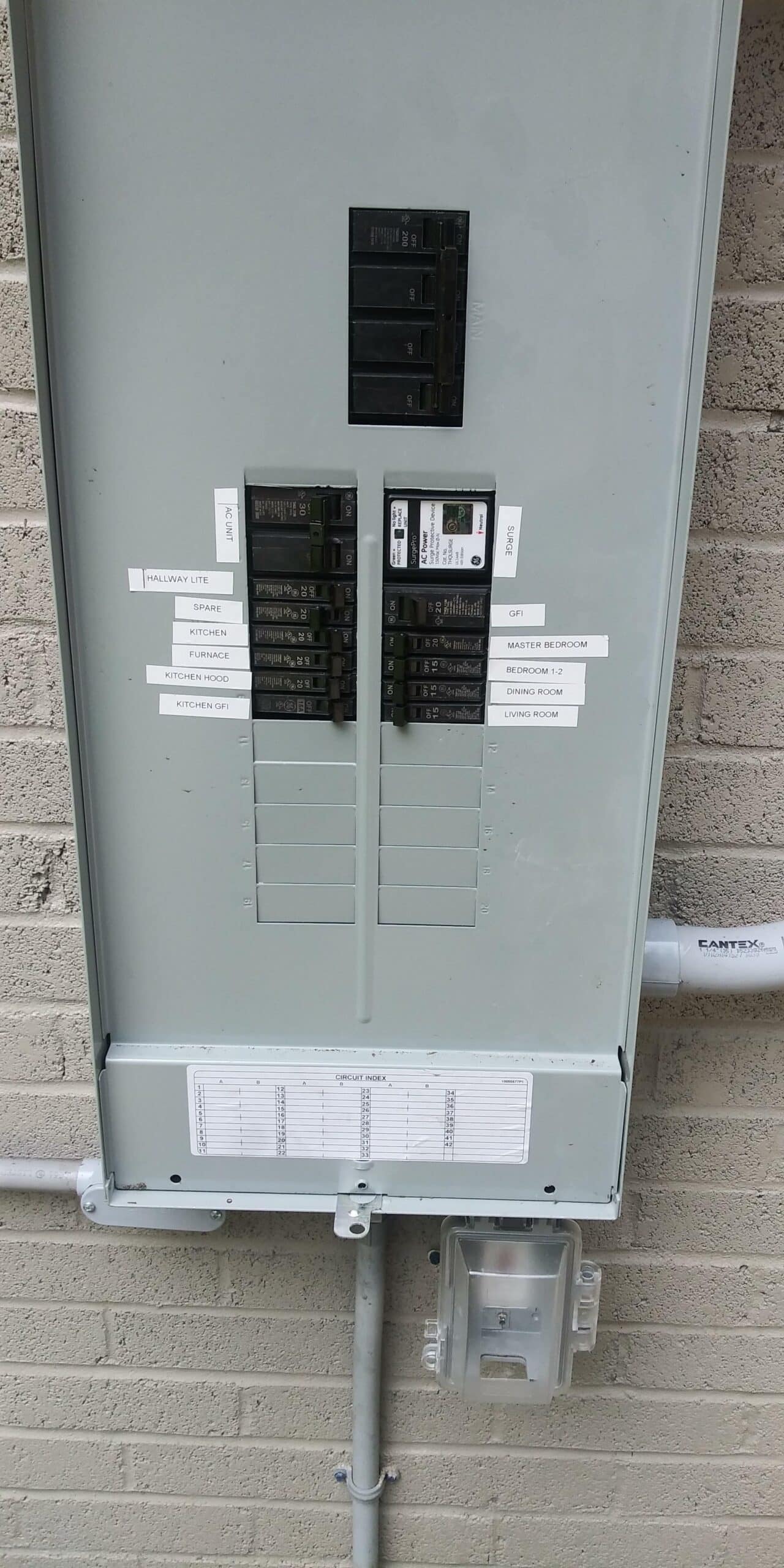
Upgrading your wiring and electrical panel can dramatically improve system reliability. Modern wiring materials, such as copper, provide better conductivity and are safer than older aluminum wiring. An upgraded panel can handle increased loads from multiple devices, reducing the risk of overloads and outages. This is essential to support the growing demands of your home or business.
Regular electrical inspections in Plano can identify necessary upgrades, ensuring your system meets current standards. These inspections can spot potential hazards, such as poor grounding and outdated panels, and recommend solutions tailored to your needs.
Implementing Structured Cabling
Structured cabling is the backbone of a modern network. It connects all your systems efficiently, from security cameras to smart devices. Adopting Cat6 cabling enhances data transfer, supporting high-speed internet and reliable device connections. This upgrade reduces downtime and improves overall system performance.
Integrating structured cabling involves planning but can be seamlessly implemented by a Plano electrician. This investment ensures your property can accommodate future technologies and expansions without major overhauls.
Enhancing Power and Network Capacity
Increasing power and network capacity is crucial for supporting advanced systems. Adding additional circuits or upgrading outlets to support higher capacities reduces strain on your electrical system. This prevents common issues like tripped breakers and flickering lights, which are signs of an overburdened system.
Network enhancements can include installing PoE network switches, which provide both power and data over a single cable. This simplifies installations and reduces clutter, making it easier to manage your systems. Upgrading your network capacity now prepares your property for future tech advancements, ensuring you stay ahead of the curve.
Frequently Asked Questions
What are the signs I need a panel upgrade?
Frequent breaker trips, flickering lights, or a burning smell indicate you might need a panel upgrade. This ensures your system can handle modern electrical demands safely.
How does structured cabling improve my network?
Structured cabling organizes and optimizes data flow, enhancing speed and reliability. It supports seamless integration of multiple devices, essential for smart homes and businesses.
Why is upgrading low-voltage wiring important for access control systems?
Upgrading low-voltage wiring ensures reliable communication and operation of access control systems. It minimizes downtime and supports advanced features like remote management.
Can older wiring affect smart device performance?
Yes, older wiring can cause connectivity issues and frequent resets for smart devices, limiting their functionality and efficiency.
How often should I have an electrical inspection?
It’s recommended to have an electrical inspection every 3-5 years, or sooner if you notice any issues. This ensures your system remains safe and up-to-date.