
Planning camera coverage, alarm zones, and cabling without coordinating each step leads to costly delays and patchwork fixes. You want your security upgrade in Plano TX to run smoothly, with fewer change orders and better results. This guide breaks down how to plan cameras, alarms, and structured cabling together—including permits, power, network design, and code compliance—so your project finishes right the first time. For more insights, check out this guide.
Effective Camera and Alarm Planning
Getting your security system right from the start means fewer headaches later on. Carefully planned camera coverage, alarm zones, and cabling paths ensure that everything works seamlessly together.
Mapping Camera Coverage
Start with clear goals for your surveillance needs. Do you need to monitor entrances, parking lots, or interior spaces? Each area has unique requirements. Identifying specific zones helps in selecting the right type of camera. For instance, a license plate camera might be ideal for entrance points, while motion detection zones suit interior spaces.
Consider the lighting and weather conditions. Cameras come with different features like night vision, weatherproofing, and resolution quality. The outdoor camera installation needs will differ from indoor setups. Also, think about the distance each camera can cover effectively. The longer the distance, the higher the resolution required.
Designing Alarm Zones
Alarms act as your first line of defense. Designing effective alarm zones means understanding the layout of your property. Break the area into manageable sections. Entry points, windows, and areas with valuables should be prioritized.
Different sensors are available, such as glass break detectors or motion sensors. These work best when tailored to each zone’s specific needs. For example, a commercial surveillance setup might need more robust systems than a residential security one. Plan for possible future expansion by leaving room for additional zones or sensors.
Coordinating Cabling Pathways
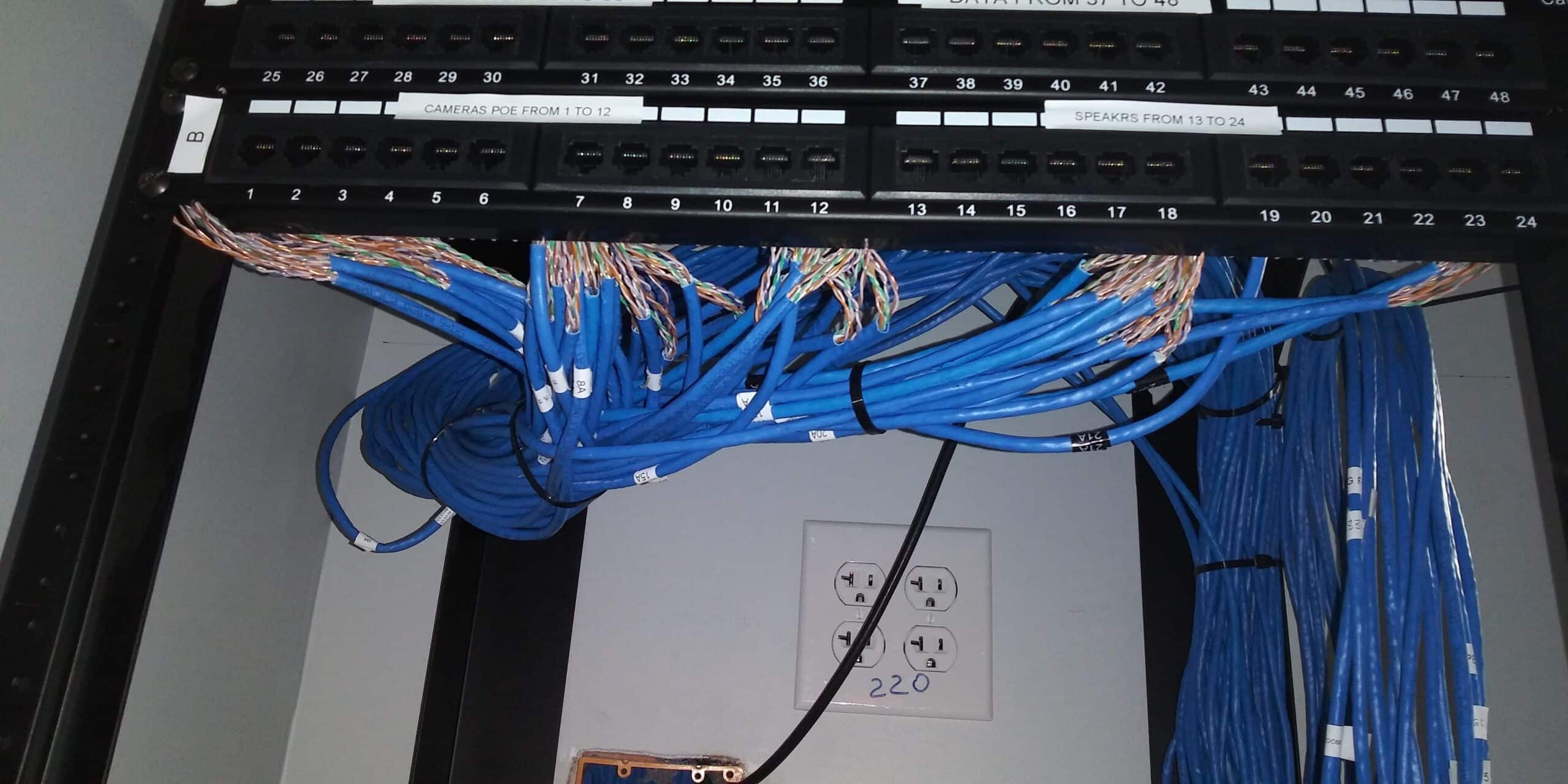
Cabling is the backbone of your security system. Planning these pathways early can prevent costly mistakes. Decide between structured cabling and low voltage wiring depending on your specific needs.
CAT6 cabling is common for newer installations due to its speed and reliability. For longer distances, consider a fiber backbone. When laying cables, avoid potential interference from power lines or other electronics. This ensures a cleaner signal and reduces the risk of malfunctions.
Ensuring Code Compliance and Permits
Navigating compliance and permits is crucial. Meeting these requirements upfront saves time and avoids legal issues down the line.
Meeting NEC Standards
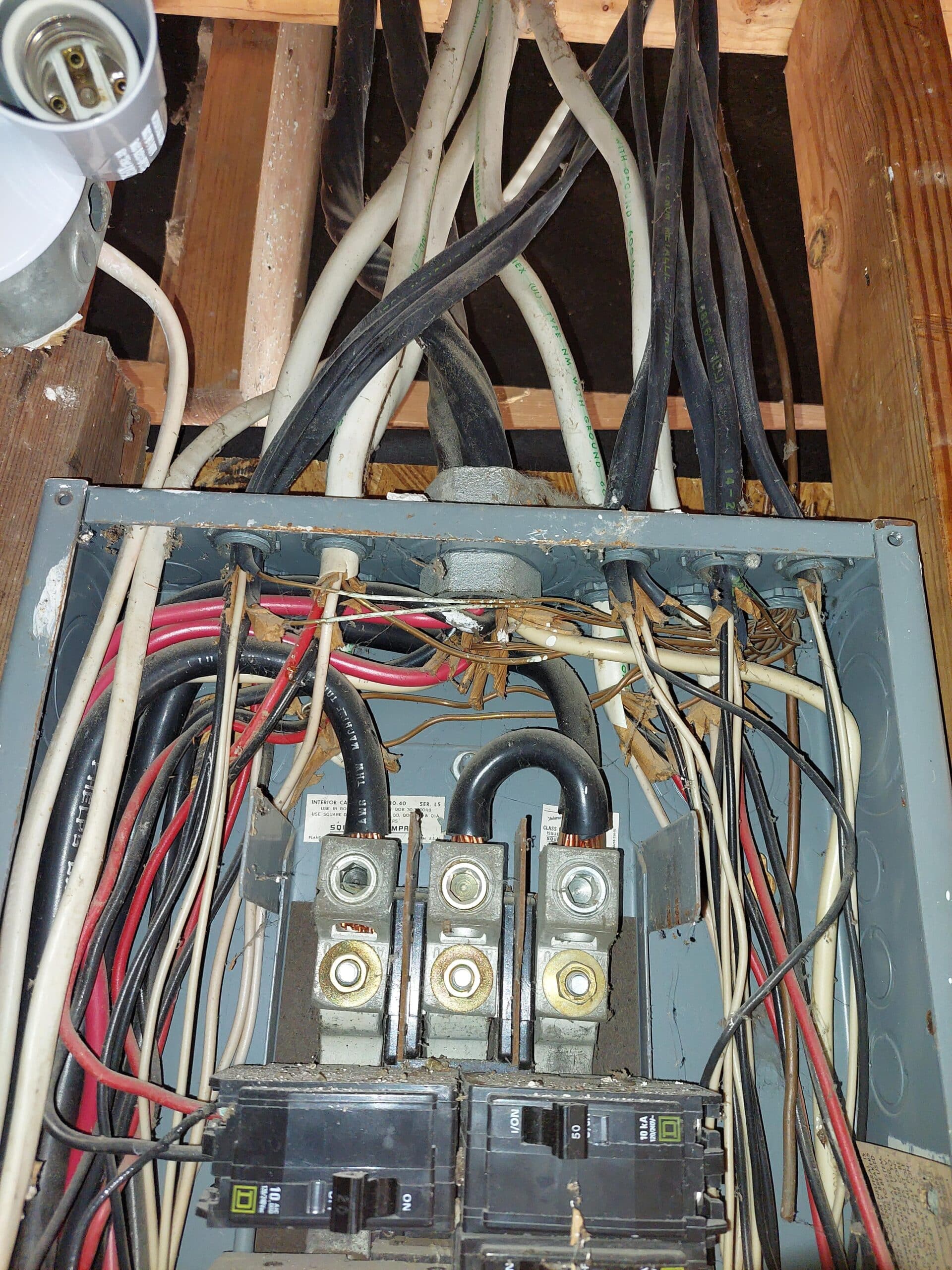
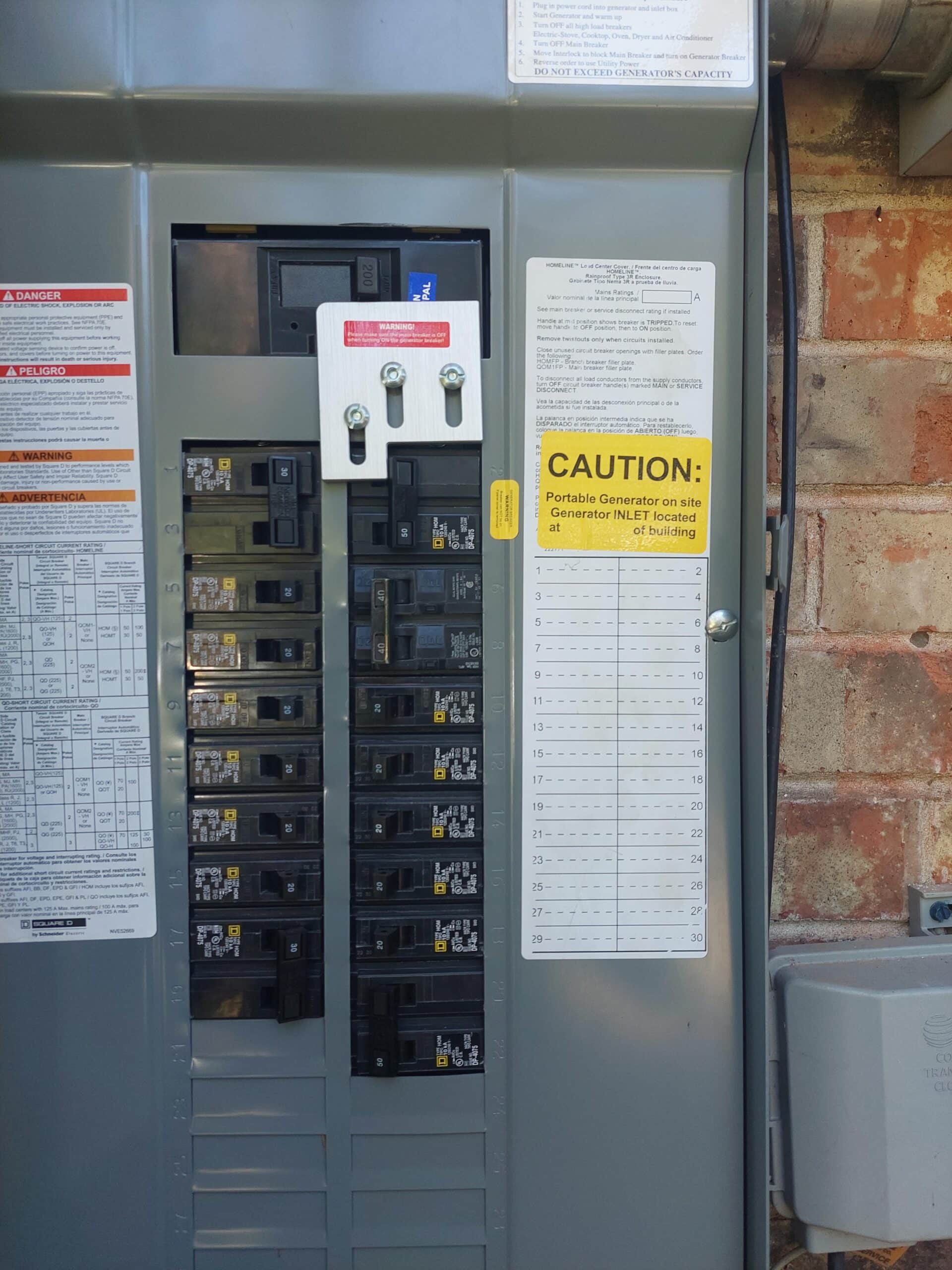
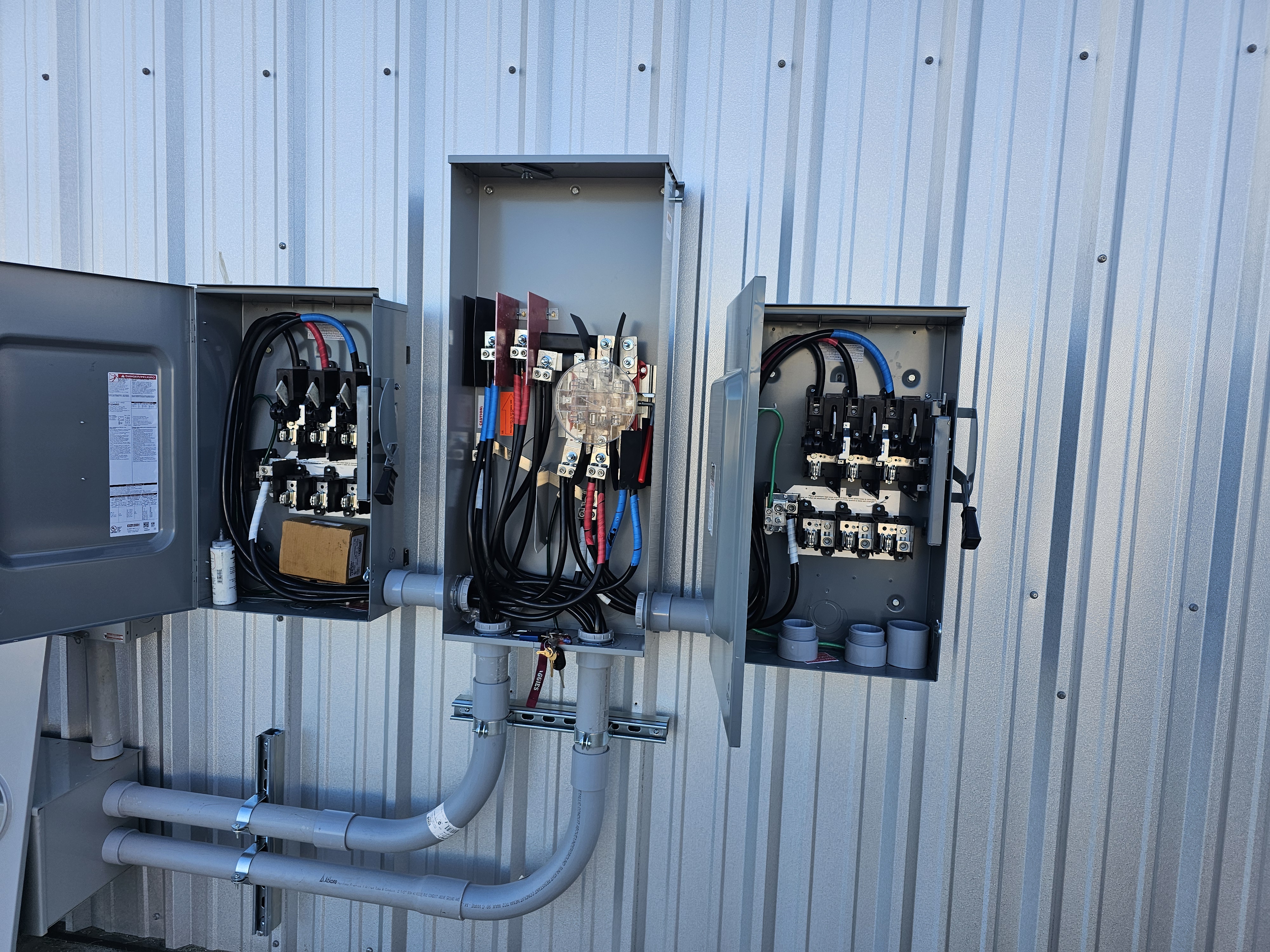
The National Electrical Code (NEC) sets safety standards for electrical installations. Ensuring your setup complies with NEC is essential. This includes having proper grounding and using approved materials.
A Plano electrician can help ensure your project meets these standards. They can also advise on specific requirements for your area. Regular inspections during the installation process can catch potential issues early.
Navigating Local Permits
Local permits vary by region. Understanding what’s required in Plano can prevent unnecessary delays. Typically, permits are needed for extensive cabling or significant changes to existing structures.
Consulting with local authorities or a design-build contractor can provide clarity on what’s needed. Keeping detailed records of communications and permits is beneficial if questions arise later.
Future-Proofing for Expansion
Planning for future growth is wise. Designing a system that can expand without a complete overhaul saves both time and money. Consider installing extra conduits for easier future access.
Using network switch PoE (Power over Ethernet) allows for simpler expansions, as both power and data run through a single cable. This is particularly useful for adding more PoE cameras or NVR setup in the future.
Integrating Security and Electrical Systems
Integration ensures that all components work as one cohesive unit. This section explores choosing the right equipment and how it all comes together.
Choosing the Right PoE Cameras
PoE cameras are popular for their simplicity and reliability. They receive power and transmit data through the same cable. This reduces the need for multiple wires and simplifies the installation process.
Selecting the correct type involves assessing your specific needs. Consider factors like resolution, night vision, and weatherproofing. High-traffic areas might benefit from higher resolution cameras to capture greater detail.
Setting Up NVR Systems
Network Video Recorders (NVRs) store and manage video footage. Choosing the right NVR depends on the number of cameras and the desired storage capacity. Make sure it’s compatible with your PoE cameras for seamless integration.
Position your NVR in a secure location, ideally within a locked room or cabinet. This protects your data from tampering or theft. Remote access capabilities allow you to monitor footage from anywhere, increasing the system’s flexibility.
Implementing Access Control Solutions
Access control adds another layer of security. This can be as simple as keypad locks or as advanced as biometric systems. Decide based on the level of security needed for different areas.
Integrating access control with your security system allows for centralized management. This means easier monitoring and control over who enters and exits the premises. For businesses, this setup can also provide detailed logs and reports for auditing purposes.
Frequently Asked Questions
What is the importance of mapping camera coverage?
Mapping camera coverage ensures that all critical areas are monitored effectively. It helps in choosing the right type of cameras and avoiding blind spots.
How do I ensure my security system is code compliant?
Hiring a professional electrician familiar with NEC standards is the best approach. They can guide you through compliance and ensure that all installations meet local and national safety requirements.
What are the benefits of using PoE cameras?
PoE cameras simplify installation by using a single cable for power and data. This reduces clutter and can lower installation costs.
Why is planning cabling pathways important?
Properly planned cabling pathways prevent interference and ensure reliable signal transmission. It also makes future expansions easier and more cost-effective.
How can I integrate access control with my existing security system?
Access control can be integrated by choosing compatible devices and using centralized management software. This allows you to monitor and control access efficiently.