You’re about to schedule electrical maintenance for your Dallas-Plano properties. But rushing in without a solid property manager electrical maintenance checklist can lead to costly downtime and missed safety issues. This guide helps you pinpoint key steps before booking service—so your vendor visits run smoothly, your buildings stay code-compliant, and surprises stay off your to-do list. Let’s get your maintenance plan right the first time. For more tips and resources, visit this link.
Essential Pre-Maintenance Checks
Before scheduling electrical maintenance, you need to ensure your properties are fully prepared. This minimizes surprises and maximizes efficiency.
Identify High-Risk Areas
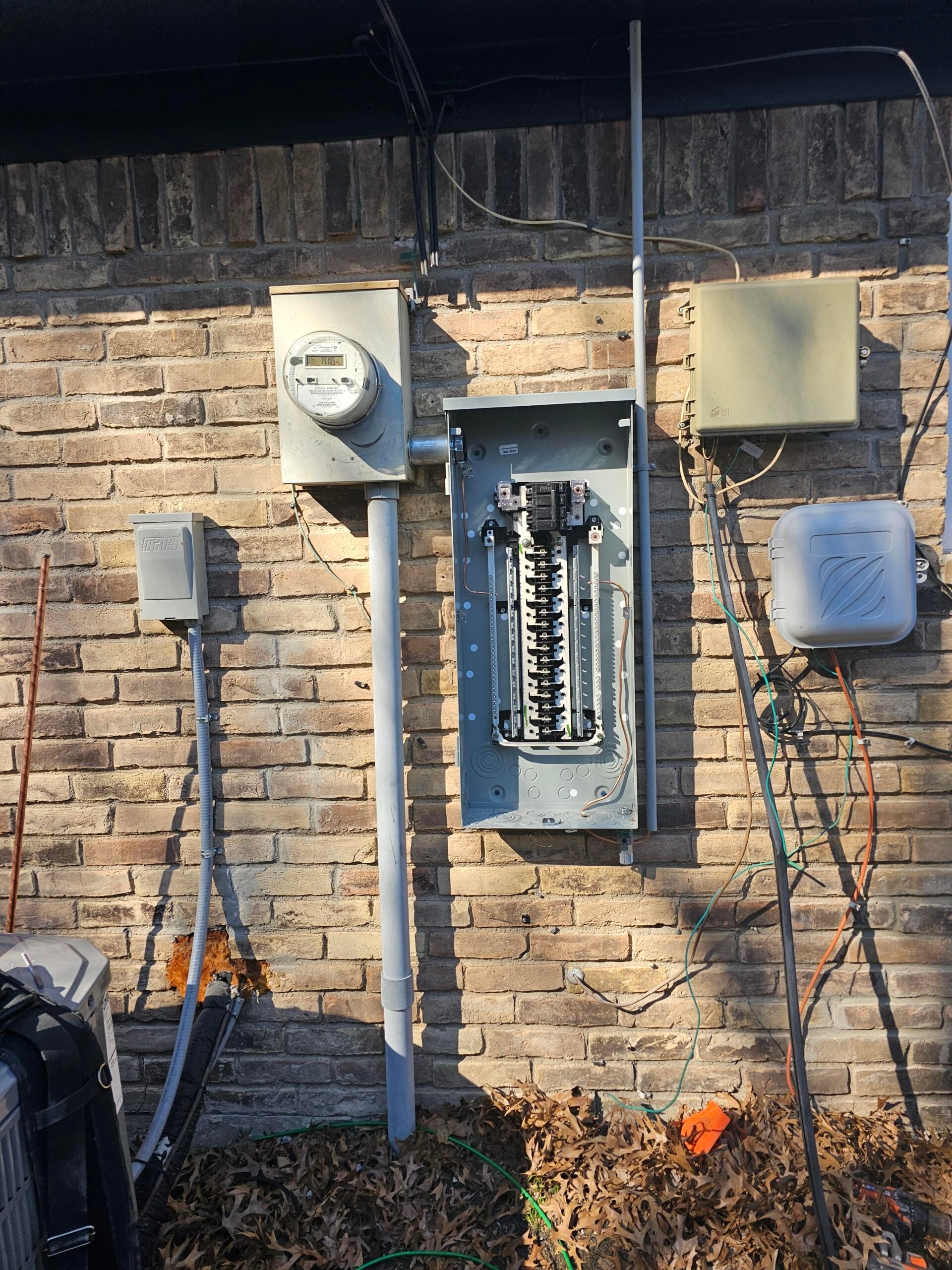
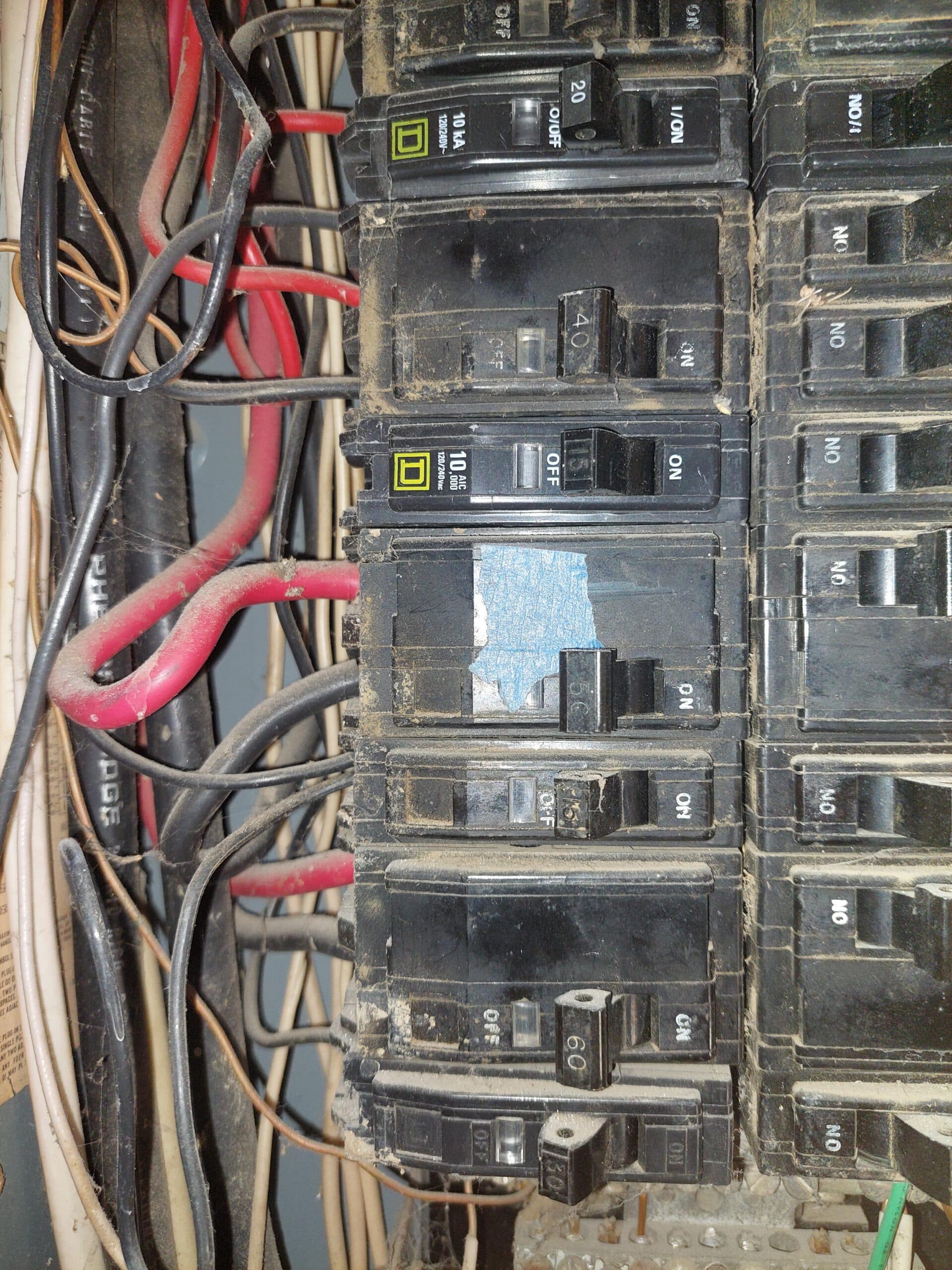
Start by pinpointing areas that might cause trouble. High-risk areas include older wiring or outdated panels. If certain rooms experience frequent flickers or breaker trips, they might need extra attention. Look for unusual smells or buzzing sounds, which can indicate underlying problems. Checking these high-risk areas saves time and helps prevent potential hazards.
Review Recent Electrical Issues
Take a moment to review any recent electrical problems. Identifying patterns, like repeated breaker trips or flickering lights, helps target the root causes. This knowledge prepares you for addressing issues during maintenance appointments. It also gives electricians a clear history, allowing them to address concerns more efficiently.
Verify Electrical Code Compliance
Ensuring your property meets electrical code requirements is crucial. Buildings must adhere to specific codes, which vary by location. Regular compliance checks help avoid fines and enhance safety. Consider consulting professionals familiar with local regulations to ensure everything is up to date. This step not only ensures safety but also provides peace of mind.
Streamlining Vendor Visits

Organizing your vendor visits can make the process more efficient and less disruptive. Proper planning can lead to smoother maintenance sessions.
Organize Electrical Documentation
Having all your electrical documentation ready is crucial. This includes past maintenance records, electrical plans, and any vendor agreements. Keeping these documents organized helps electricians understand the property layout and history. It also minimizes guesswork, ensuring efficient updates and repairs.
Schedule Maintenance Windows
Choosing the right time for maintenance minimizes disruption. Consider the busiest times for your property and opt for quieter periods for maintenance work. This ensures minimal inconvenience for tenants or employees. Properly scheduled maintenance windows also allow vendors to work without interruption, leading to better results.
Coordinate Multi-Site Inspections
For those managing multiple locations, coordination is key. Plan inspections across sites strategically to save time and resources. Communicate with vendors about your needs for each location. This coordination ensures that all properties receive equal attention and helps vendors prepare appropriately.
Ensuring Safety and Compliance

Safety and compliance checks are essential to ensuring a hazard-free environment. These steps protect your property and its occupants.
Conduct Arc-Fault and GFCI Testing
Testing for arc faults and ground fault circuit interrupters (GFCI) is vital. These tests identify potential hazards that could lead to electrical fires or shocks. Regular testing ensures functionality and safety. By conducting these tests, you maintain a safe environment for all occupants.
Perform Infrared Thermography Inspections
Infrared thermography inspections help identify hot spots in electrical systems. These hot spots can indicate overloads or failing components. Early detection through thermal imaging allows you to address issues before they escalate. This proactive step enhances safety and prolongs the lifespan of electrical components.
Update Electrical Panel Labels and Directories
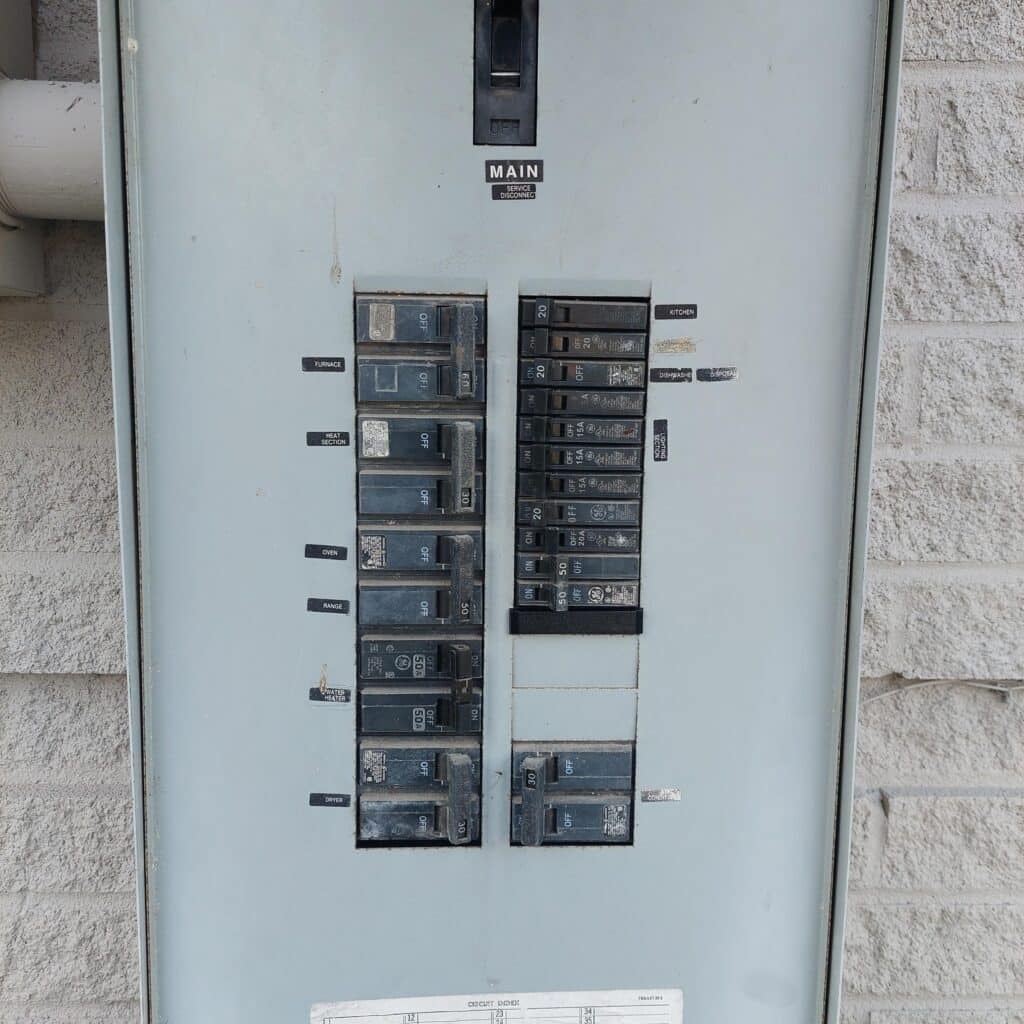
Ensuring that all electrical panels have clear, updated labels is crucial. Proper labels help anyone working on the electrical system understand layout and connections quickly. This reduces the risk of errors during maintenance or emergency situations. Keeping directories current is a simple yet effective way to enhance overall safety.
Frequently Asked Questions
What should I do if my property experiences frequent electrical issues?
Addressing frequent electrical problems requires identifying patterns and causes. Review past issues for patterns, then consult with a professional to address the root causes.
How often should electrical compliance be verified?
Electrical compliance should be checked annually or whenever significant upgrades occur. Regular checks ensure safety and adherence to local regulations.
Why is infrared thermography important for electrical inspections?
Infrared thermography detects hot spots, indicating potential overloads or failing components. This proactive measure helps prevent electrical fires and prolongs system life.
How can I minimize disruption during electrical maintenance?
To minimize disruption, schedule maintenance during quieter periods. Coordinate with vendors to ensure efficient work during the designated time slots.
What are arc-fault and GFCI tests?
Arc-fault and GFCI tests identify potential fire and shock hazards. Conduct these tests regularly to ensure electrical system safety and functionality.