Power outages in North Texas aren’t just inconvenient—they can disrupt your entire day or business operations. If you haven’t planned for backup power yet, you’re leaving critical systems vulnerable during storms or ERCOT outages. This guide breaks down everything you need to know about backup power North Texas homeowners and businesses rely on, from generator installation in Dallas to battery backup options and transfer switch installation.
Assessing Your Backup Power Needs
Before choosing a backup power system, it’s crucial to understand your specific needs. This involves evaluating what you need to keep running during an outage.
Identifying Critical Loads
Start by listing the essential appliances and systems you can’t do without. These may include your refrigerator, HVAC, and security systems. For businesses, consider computers, servers, and security systems. Identifying these helps in planning your backup power requirements.
Knowing what you need to power helps in deciding the size and type of backup system. A critical loads panel can separate essential circuits from non-essential ones, ensuring that only necessary systems stay on during an outage. This prioritization is key for both homes and businesses looking for efficient load shedding solutions.
Conducting Load Calculations
Proper load calculations ensure that your backup system can handle the demand. To do this, add up the wattage of your critical loads. This step is crucial to avoid overloading your system. Use a wattage chart or consult with an expert.
These calculations tell you how much power you’ll need. Knowing this helps in choosing the right generator or battery system. It’s about balancing needs with capacity, so you aren’t left in the dark during an ERCOT outage.
Understanding NEC Code Compliance
Compliance with the National Electrical Code (NEC) is non-negotiable. It ensures safe and legal system installation. Familiarize yourself with key sections or consult a professional.
Code compliance isn’t just a legal requirement. It protects you from potential hazards and ensures your system operates safely. Always prioritize safety and legality when planning your backup power.
Choosing the Right Backup System

With your needs assessed, it’s time to choose a system. Here, we’ll explore the options and what to consider.
Standby Generators vs. Battery Systems
Standby generators offer reliable power during outages. They’re best for homes and businesses with significant power needs. They run on natural gas or propane, providing continuous power.
Battery systems are quieter and more eco-friendly, ideal for smaller setups. They store energy and kick in instantly when needed. Consider your power needs and environmental concerns when deciding between the two options.
Transfer Switch Installation Essentials
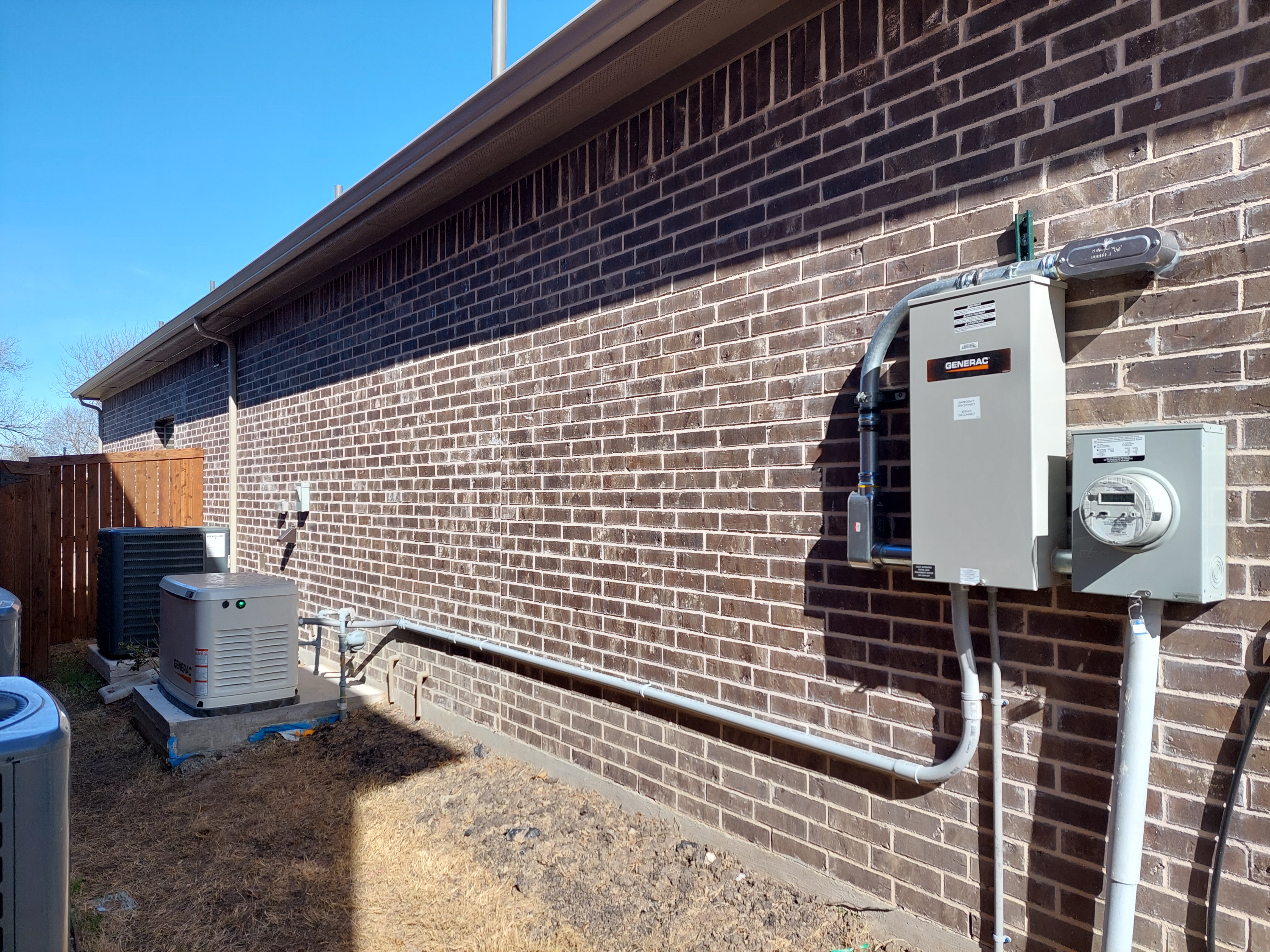
A transfer switch is essential for safely switching between utility power and your backup system. It prevents back-feeding, which can be dangerous for utility workers.
Install a transfer switch for seamless switching during an outage. It’s a crucial component that ensures your home’s or business’s safety and compliance with NEC codes.
Generator Sizing and Fuel Options
Choosing the right generator size is vital. An undersized generator won’t meet your needs, while an oversized one is inefficient. Match the generator to your load calculations.
Consider fuel options like natural gas, propane, or diesel. Each has its benefits, so choose based on availability and convenience. Proper sizing and fuel choice ensure reliable performance during an outage.
Maintaining and Monitoring Your System
Once your system is in place, proper maintenance is key to longevity and reliability.
Commercial Generator Maintenance Tips
Regular maintenance keeps your generator ready for action. Schedule annual check-ups, change oil, and inspect components regularly.
Routine care prevents unexpected failures and extends your generator’s life. A well-maintained generator ensures your business continuity power during outages.
Home UPS System and Surge Protection
A home UPS system offers instant power during minor outages. Pair it with surge protection to shield devices from power spikes.
Surge protection is crucial for safeguarding electronics. It adds a layer of defense, ensuring your home UPS system functions effectively.
Scheduling an Emergency Electrician in Plano
Even with the best plans, emergencies happen. Know who to call when they do. An emergency electrician in Plano can address urgent issues promptly.
Having a reliable electrician minimizes downtime and restores power quickly. Don’t wait for a crisis to establish this connection—plan ahead.
Frequently Asked Questions
What are critical loads, and why should I identify them?
Critical loads are essential systems and appliances that you need to keep running during an outage, like your refrigerator or security systems. Identifying them helps you prioritize what needs backup power.
How do I calculate the size of the generator I need?
Add up the wattage of your critical loads to determine your power needs. This calculation helps in choosing the right generator size to handle your demands without overloading.
What is the importance of NEC code compliance in backup power systems?
Compliance with NEC is crucial for ensuring the safe and legal installation of your backup system. It helps prevent hazards and ensures your system operates safely during an outage.
Which is better: a standby generator or a battery system?
The choice depends on your power needs and environmental preferences. Standby generators are suitable for larger power demands, while battery systems are quieter and eco-friendly, ideal for smaller setups.
Why is a transfer switch important in a backup power system?
A transfer switch safely transfers power from the utility to your backup system. It prevents back-feeding, protecting utility workers and ensuring your system operates safely.