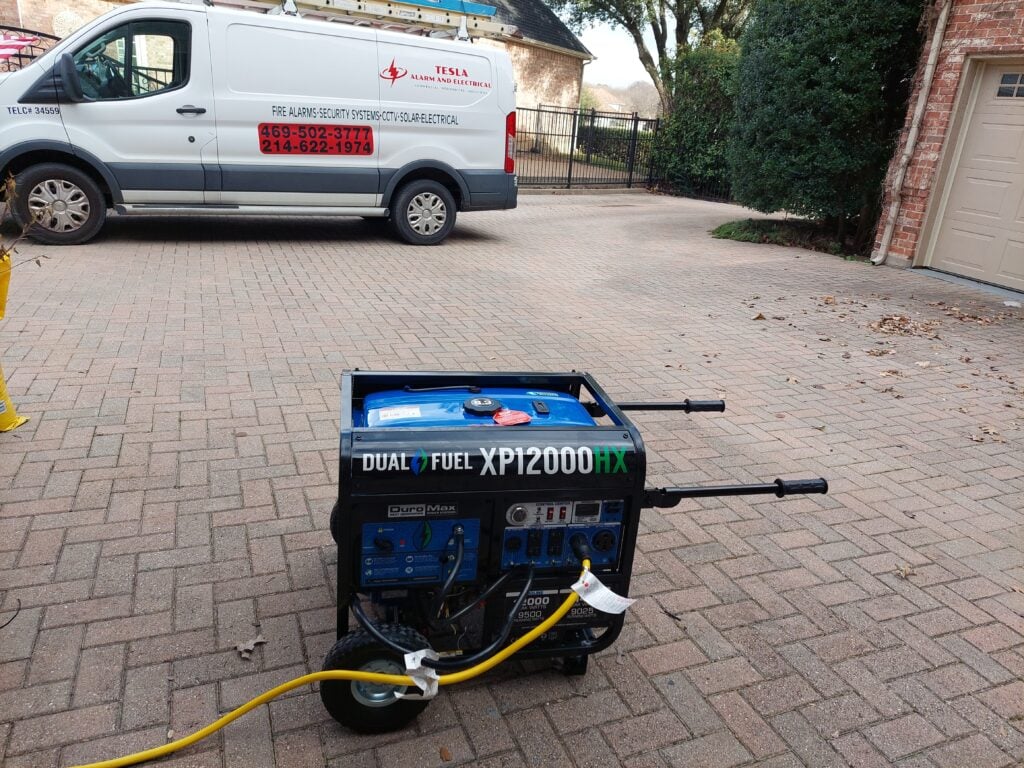
Storm season in Dallas doesn’t wait, and neither should your backup power plan. Power outages during severe weather can shut down your home or business exactly when you need electricity most. Planning your Dallas backup generator system now means avoiding costly downtime and staying safe when the next storm hits. This guide will walk you through sizing, placement, and options like automatic transfer switches so you’re ready before the first alert. Learn more about preparing with Tesla Alarm and Electrical.
Understanding Generator Needs
The key to a reliable backup power system lies in understanding your specific power needs. Let’s explore how to assess these requirements effectively.
Assessing Home and Business Loads
To choose the right generator, you must first determine the power demands of your home or business. Start by listing all essential appliances and systems you need during an outage. Consider critical items like refrigerators, HVAC systems, lighting, and security setups. Once you have your list, calculate the total wattage needed. This step helps ensure you select a generator that can handle your power requirements without overloading.
Standby vs Portable Generators
Choosing between a standby and a portable generator depends on your needs and budget. Standby generators offer convenience as they automatically power up during outages. They’re permanently installed and can handle larger loads, making them ideal for homes and businesses needing consistent power. On the other hand, portable generators are cost-effective and versatile. They require manual setup and are suitable for smaller power needs. Consider factors like installation cost, power demands, and ease of use when deciding between the two.
Fuel Options: Natural Gas or Propane
When selecting a generator, fuel type is crucial. Natural gas generators connect to your home’s gas line, ensuring a continuous fuel supply. They’re ideal for locations with existing gas infrastructure. Propane generators use fuel stored in tanks, offering flexibility in areas without gas lines. Propane has a longer shelf life, making it a reliable option during extended outages. Evaluate your property’s infrastructure and availability of fuel sources to make the best choice.
Planning for Installation
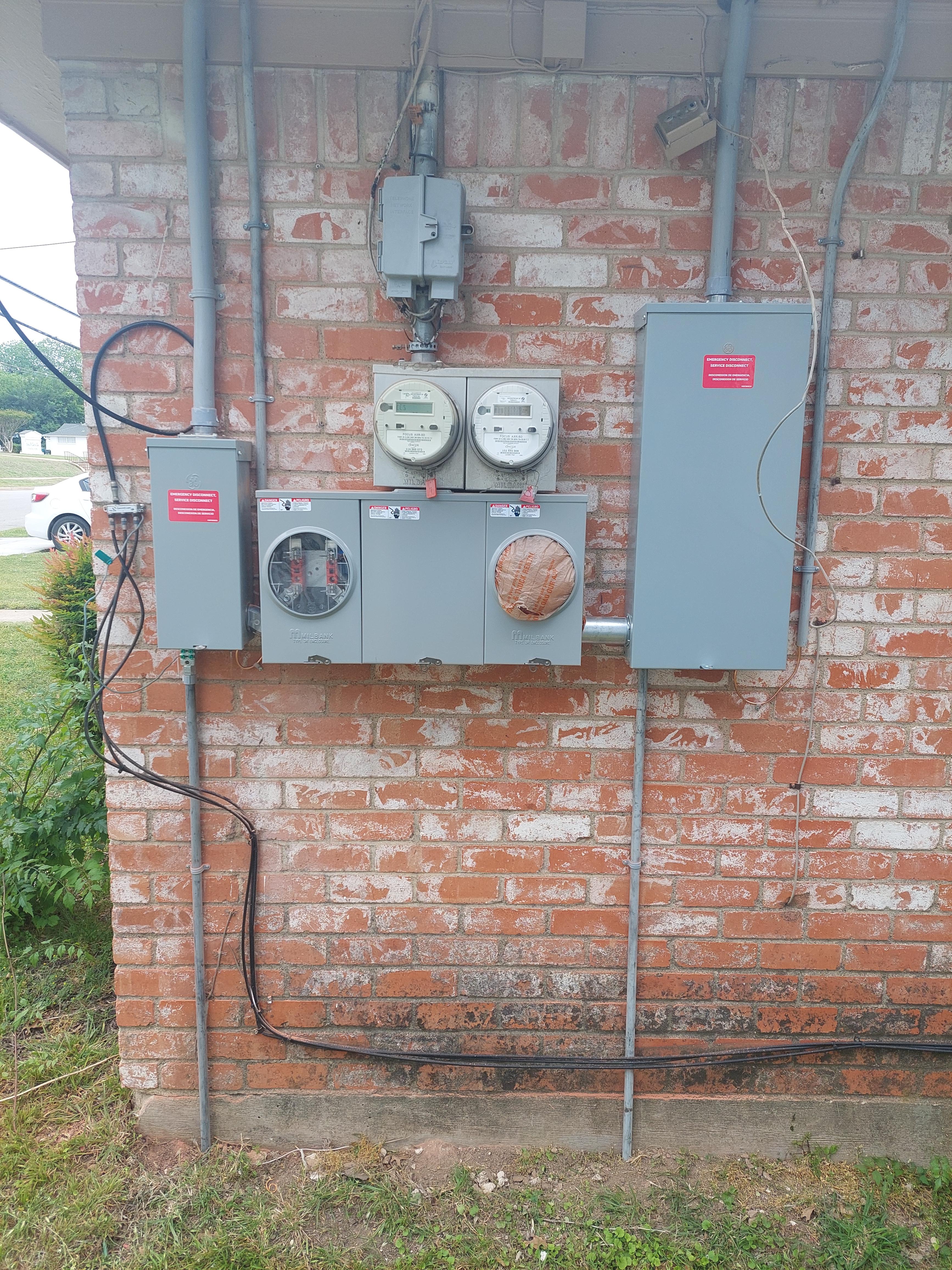
Once you’ve determined your generator needs, the next step is planning for installation. Careful planning ensures your system works efficiently when needed.
Generator Placement and Permitting
Proper placement of your generator is essential for safety and efficiency. Generators should be installed on stable ground, away from windows and doors, to prevent exhaust fumes from entering buildings. Check local regulations for permitting requirements, as some areas may have specific rules for generator installations. Consulting with a professional can help ensure compliance and optimal placement.
Automatic Transfer Switch (ATS) Insights
An Automatic Transfer Switch (ATS) plays a critical role in your backup power system. It automatically shifts power from the grid to your generator during an outage, ensuring minimal disruption. ATS systems offer seamless transitions and protect electrical systems from potential surges. Investing in an ATS enhances your generator’s efficiency and reliability, making it a worthwhile addition to your setup.
Professional Load Calculations
Accurate load calculations are vital for choosing the right generator size. A professional can assess your power needs and recommend a generator that matches your requirements. This step prevents overloading and ensures your generator operates efficiently. Engaging professionals also provides peace of mind, knowing your system is designed for optimal performance.
Maintenance and Safety
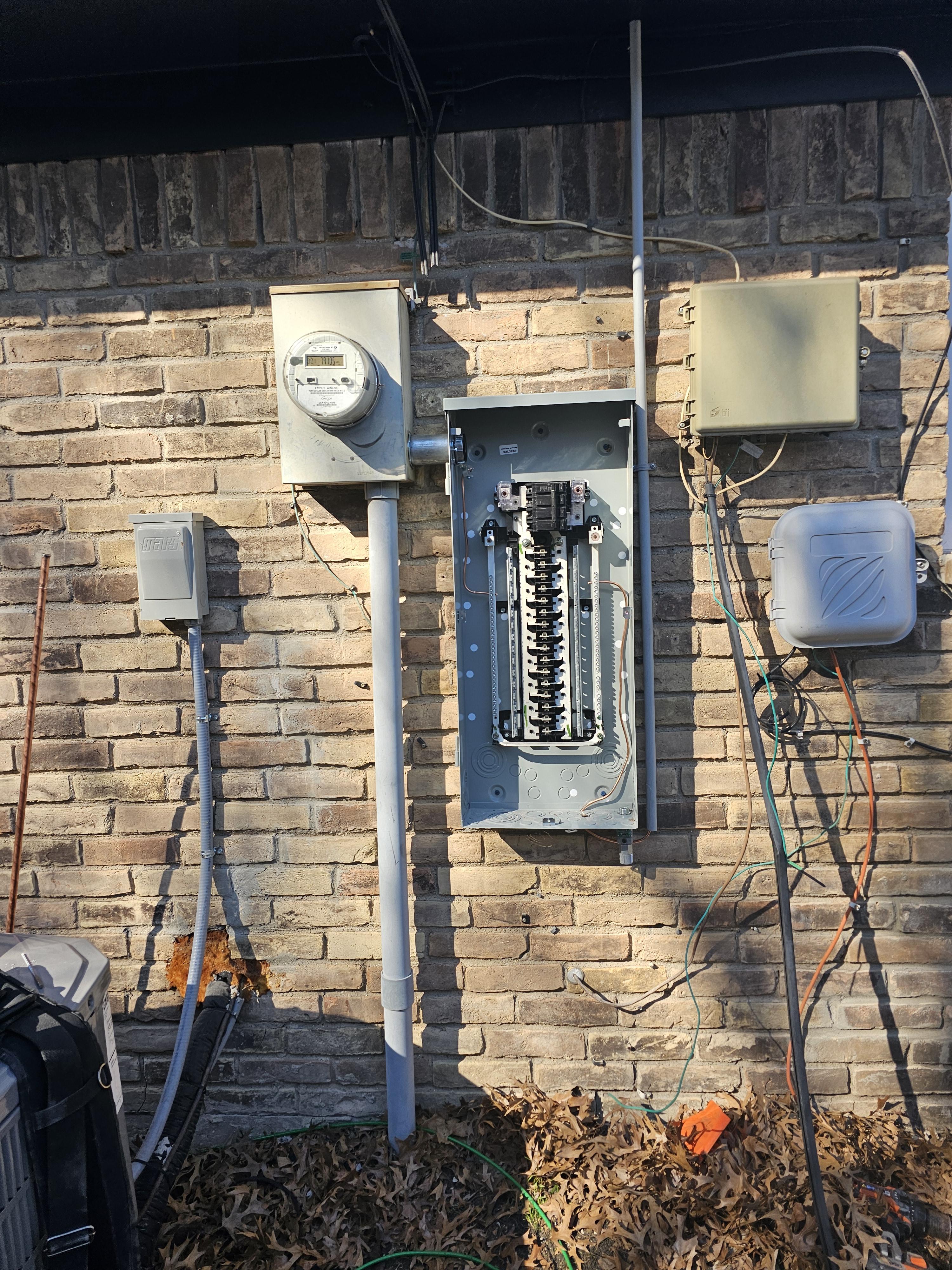
Maintaining your generator and ensuring safety measures are in place is crucial for long-term reliability.
Creating a Generator Maintenance Plan
Regular maintenance is key to a dependable generator system. Create a maintenance schedule that includes routine inspections, oil changes, and system tests. These checks ensure your generator is ready when needed. Partnering with a professional service can help keep your generator in top shape, providing peace of mind during storm season.
Surge Protection and Safety Measures
Protecting your electrical systems from surges is essential during power transitions. Installing surge protectors safeguards your appliances and electronics from voltage spikes. Additionally, ensure your generator is installed with proper ventilation to prevent carbon monoxide buildup. Adhering to safety guidelines minimizes risks and enhances the safety of your power setup.
Remote Monitoring and Emergency Services
Modern generators offer remote monitoring options, allowing you to oversee your system’s status from anywhere. This feature provides real-time updates on power usage and system health, ensuring swift action when needed. In case of emergencies, having access to professional services 24/7 ensures prompt assistance. This readiness is crucial during severe weather events, offering an added layer of security.
Frequently Asked Questions
How do I determine the right generator size for my home or business?
To determine the right generator size, list all essential appliances you want to power during an outage and calculate their total wattage. Consulting with a professional ensures accurate load calculations and system recommendations.
What are the advantages of using a standby generator over a portable one?
Standby generators provide automatic operation and can handle larger electrical loads, making them suitable for homes and businesses needing consistent power. Portable generators are more affordable and versatile but require manual setup and are better for smaller power needs.
Why is an Automatic Transfer Switch (ATS) important for my generator system?
An ATS enables seamless power transitions during outages, protecting your electrical systems from surges. It ensures minimal disruption and enhances the efficiency and reliability of your backup power setup.
What maintenance tasks should I include in my generator plan?
A generator maintenance plan should include routine inspections, oil changes, and system tests. Regular maintenance ensures your generator is ready to operate efficiently when needed.
How can I ensure the safety of my generator installation?
Ensure proper placement away from windows and doors, install surge protectors, and provide adequate ventilation to prevent carbon monoxide buildup. Following local regulations and consulting with professionals enhances safety and compliance.