Scheduling electrical maintenance or upgrades without a clear checklist can lead to unexpected downtime and costly surprises. For property managers in DFW, confirming details like panel labeling, load needs, and NEC code compliance before calling a Plano electrician saves time and stress. This property management electrical checklist breaks down what you must check to keep your buildings running smoothly and your tenants safe. For more information, check out this property management preventive maintenance checklist.
Site Conditions and Documentation
To start, understanding your site’s specific conditions and having accurate documentation is crucial. This foundation helps ensure a smooth process and reduces potential disruptions.
Verify Site Accessibility
Before scheduling any work, it’s essential to know if the site is easily accessible. Check that pathways are clear and that the areas where the electrician needs to work are free of obstructions. This includes ensuring that gates, doors, and entry points are unlocked and that there’s enough space for any equipment or tools. A clear path allows the electrician to work efficiently, minimizing the time spent on the job.
Review Electrical Panel Labeling
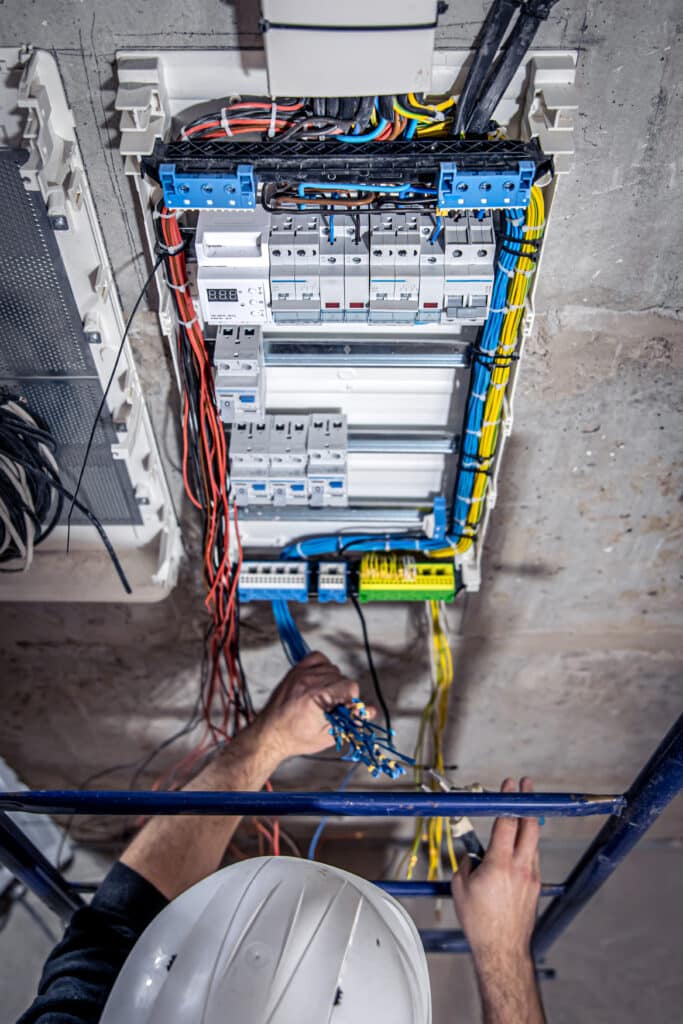
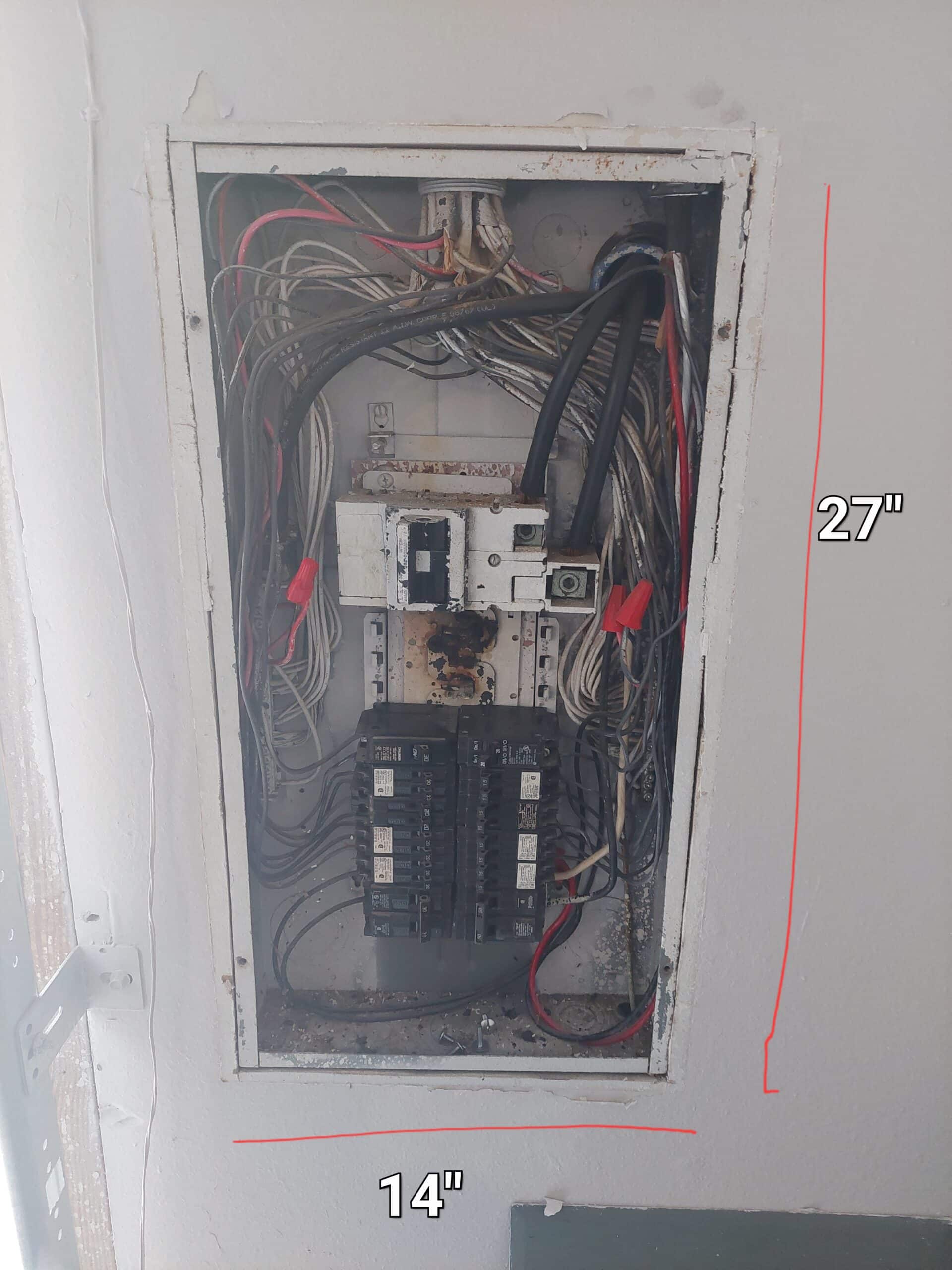
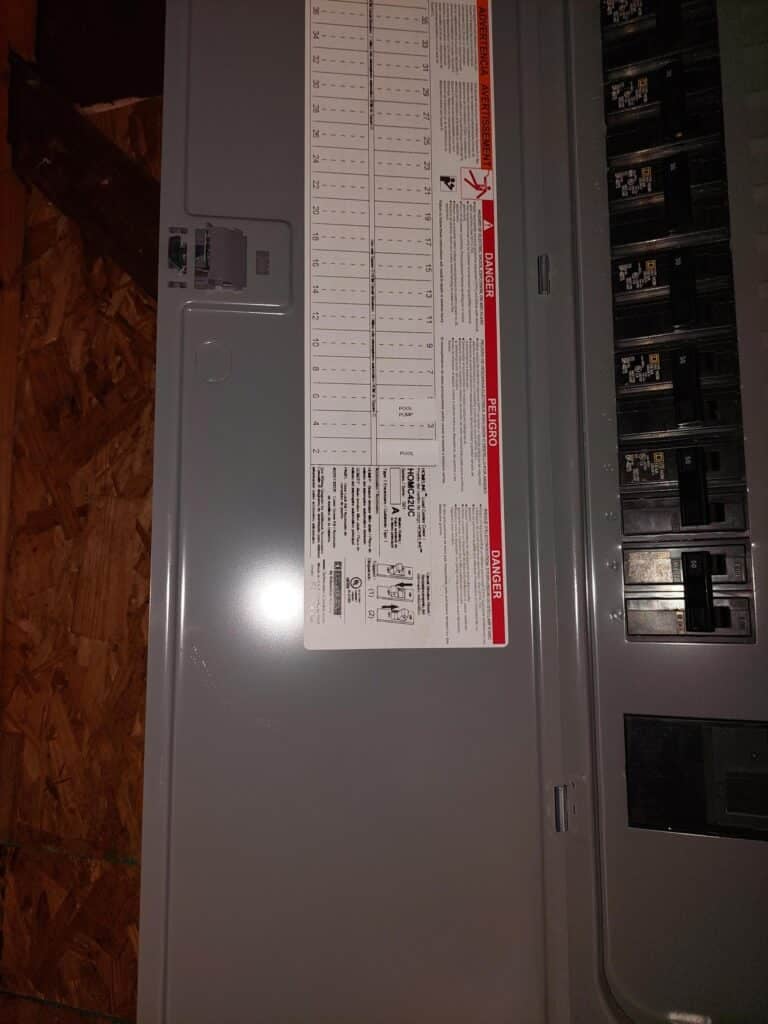
Accurate panel labeling is not just a formality; it’s a safety measure. Take a moment to review the labels on your electrical panels. Each circuit should be clearly marked to indicate what it controls. This clarity helps in troubleshooting and can prevent accidental shut-offs that might disrupt operations. Correct labeling saves time and can prevent costly mistakes during maintenance or upgrades.
Assess Current Load Needs
Understanding your building’s current electrical load needs is vital. Evaluate whether your existing system can handle the demand or if upgrades are required. This assessment involves looking at the usage patterns and determining if the system is near its capacity. Addressing these needs ensures the safety and reliability of your electrical system, potentially avoiding overloads that could lead to outages or equipment damage.
Safety and Compliance Priorities
Safety and compliance are at the heart of electrical maintenance. Neglecting these aspects can lead to serious risks and legal issues.
Check GFCI/AFCI Protection
Ground Fault Circuit Interrupters (GFCI) and Arc Fault Circuit Interrupters (AFCI) protect against electrical shock and fire hazards. Inspect to ensure these devices are present and functioning in required locations, such as kitchens, bathrooms, and outdoor areas. Testing them periodically ensures they trip correctly and provide necessary protection.
Evaluate Emergency Lighting
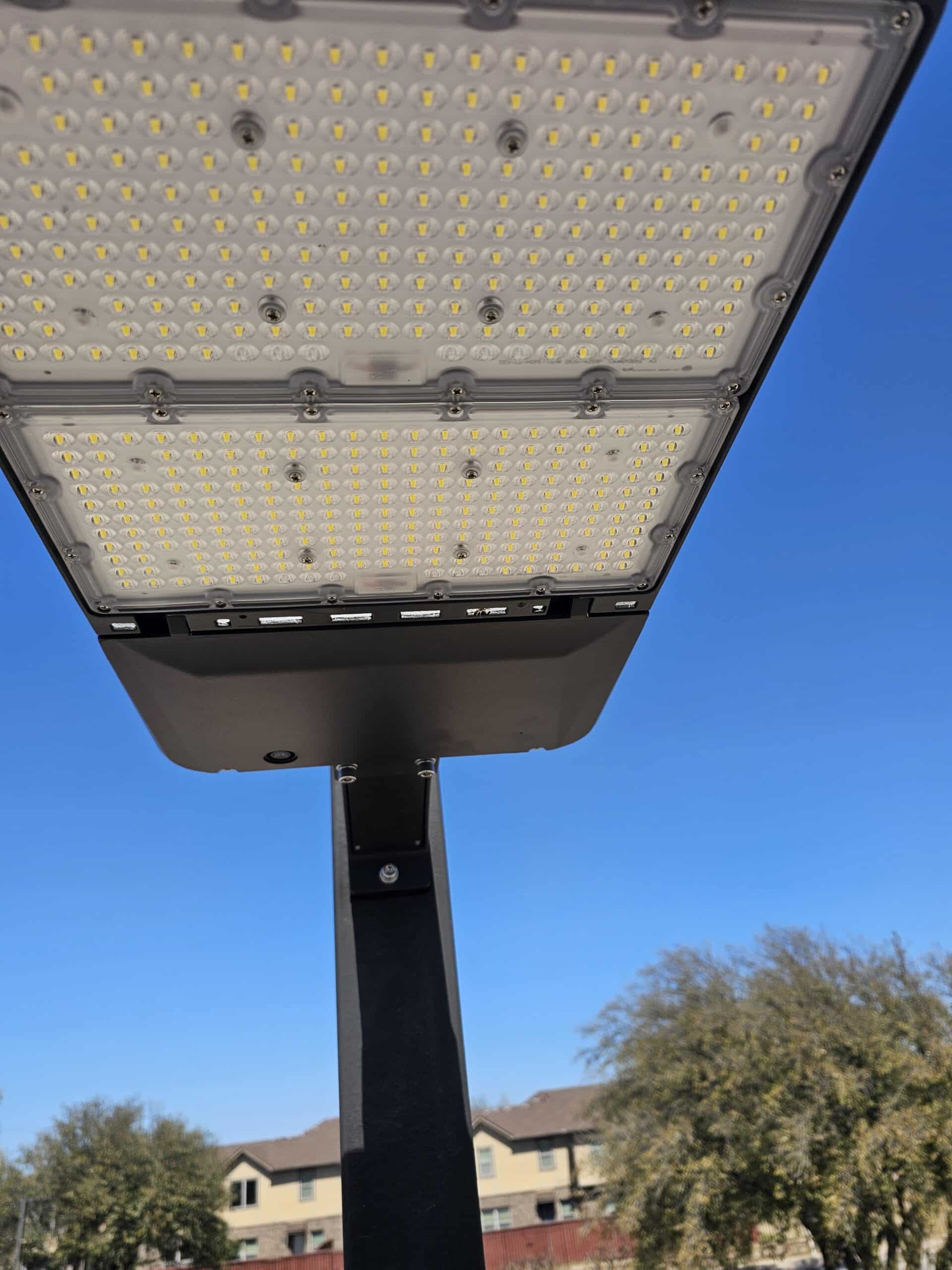
Emergency lighting is critical for safety during power outages. Regularly test the system to confirm it illuminates pathways effectively in an emergency. It’s important that all exit signs and backup lights are working and that batteries are fully charged. This evaluation can prevent confusion and ensure safe evacuation in case of an emergency.
Ensure NEC Code Compliance
Compliance with the National Electric Code (NEC) is not optional. This code sets the standard for electrical installations, ensuring they’re safe and reliable. Regular inspections can identify whether your system meets these guidelines. Keeping up with the code helps avoid fines and ensures the protection of your property and its occupants.
Planning Upgrades and Maintenance

Planning is key to successful electrical upgrades and maintenance. Anticipating needs and scheduling strategically can prevent disruptions.
Identify Tenant Improvement Plans
Tenant improvements often require electrical upgrades. Understand any planned renovations or expansions that might affect electrical load or layout. Coordination with tenants ensures that electrical systems support their needs, avoiding conflicts and ensuring smooth operations.
Plan for Generator Installations
Power outages are not just inconvenient; they can be costly. Consider installing generators as a backup power source. This step involves assessing the size and type of generator suitable for your property. Having backup power ensures essential systems remain operational during grid failures, providing peace of mind and preventing loss of business.
Schedule for Surge Protection
Surge protection is crucial for safeguarding sensitive equipment. Schedule the installation of surge protectors to minimize the risk of damage from unexpected power surges. This proactive measure protects against costly repairs and extends the lifespan of your electronic devices, providing long-term savings and reliability.
Frequently Asked Questions
What should I do if my electrical panel labels are incorrect?
If the labels on your electrical panel are incorrect, you should have an electrician inspect and update them. Accurate labeling is essential for safety and efficient maintenance.
How often should emergency lighting be tested?
Emergency lighting should be tested monthly to ensure it’s operational in case of an emergency. Regular checks help verify that batteries are charged and that lights function properly.
Why is surge protection important for my property?
Surge protection guards against damage to electronic devices from power surges. It’s important because it prevents costly repairs and extends the life of your equipment.
How can I ensure NEC code compliance?
Ensuring NEC code compliance involves regular inspections by a licensed electrician. They can identify areas that need updates to meet current standards.
What are the benefits of installing a generator?
Installing a generator provides backup power during outages, ensuring that essential systems remain operational. This can prevent business disruptions and protect against potential losses.