Power outages in North Texas aren’t just inconvenient—they can shut down your home or business when you least expect it. With storms and grid issues on the rise, having a backup generator installation Plano residents trust can make all the difference. This guide breaks down how to assess your power needs, pick the right solution, and ensure your system meets local codes for reliable backup power when it matters most.
Assessing Critical Power Needs
Before choosing a backup power solution, it’s crucial to determine which loads are essential for your home or business. This section will guide you through identifying what’s critical and how to calculate your power needs.
Identifying Essential Loads
Think about what you can’t do without during an outage. For homes, this often includes refrigerators, heating and cooling systems, and essential lighting. Businesses might prioritize servers, security systems, and critical machinery. Make a list of these essential loads because they will dictate your backup power requirements.
Next, check the power ratings of each essential item. This information is usually found on a label on the device or in the user manual. The goal is to figure out how much power you’ll need to keep these items running during a power outage. This step ensures that your backup system is both adequate and efficient.
Generator Sizing and Load Calculation
Once you’ve identified your essential loads, it’s time to calculate your total power needs. Add up the wattage of all the items on your list. Remember, some devices use more power when they start up than when they run, so factor in these higher startup wattages, especially for large appliances like refrigerators.
This total will help you determine the size of the generator you’ll need. A generator too small won’t provide adequate power, while one too large will be inefficient and costly. To get the sizing right, you might consider consulting a professional. They can help ensure that your calculations align with local regulations and standards.
Prioritizing Backup Circuits
Not every circuit in your home or business needs backup power. The key is to prioritize circuits that power your essential loads. This decision will also affect your budget and installation choices, so it’s crucial to make informed decisions here.
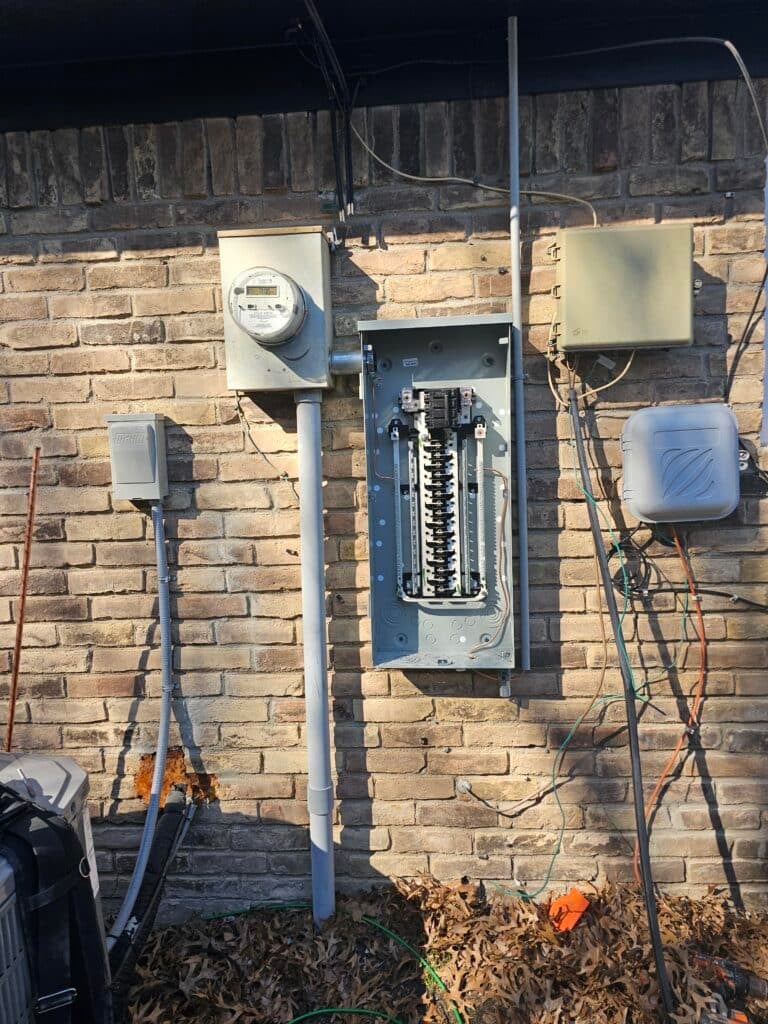
Start by identifying which circuits in your electrical panel correspond to your list of essential loads. Once you know this, you can focus on these circuits for your backup power solution. This targeted approach ensures that you get the most value and reliability from your backup system.
Choosing the Right Backup Solution
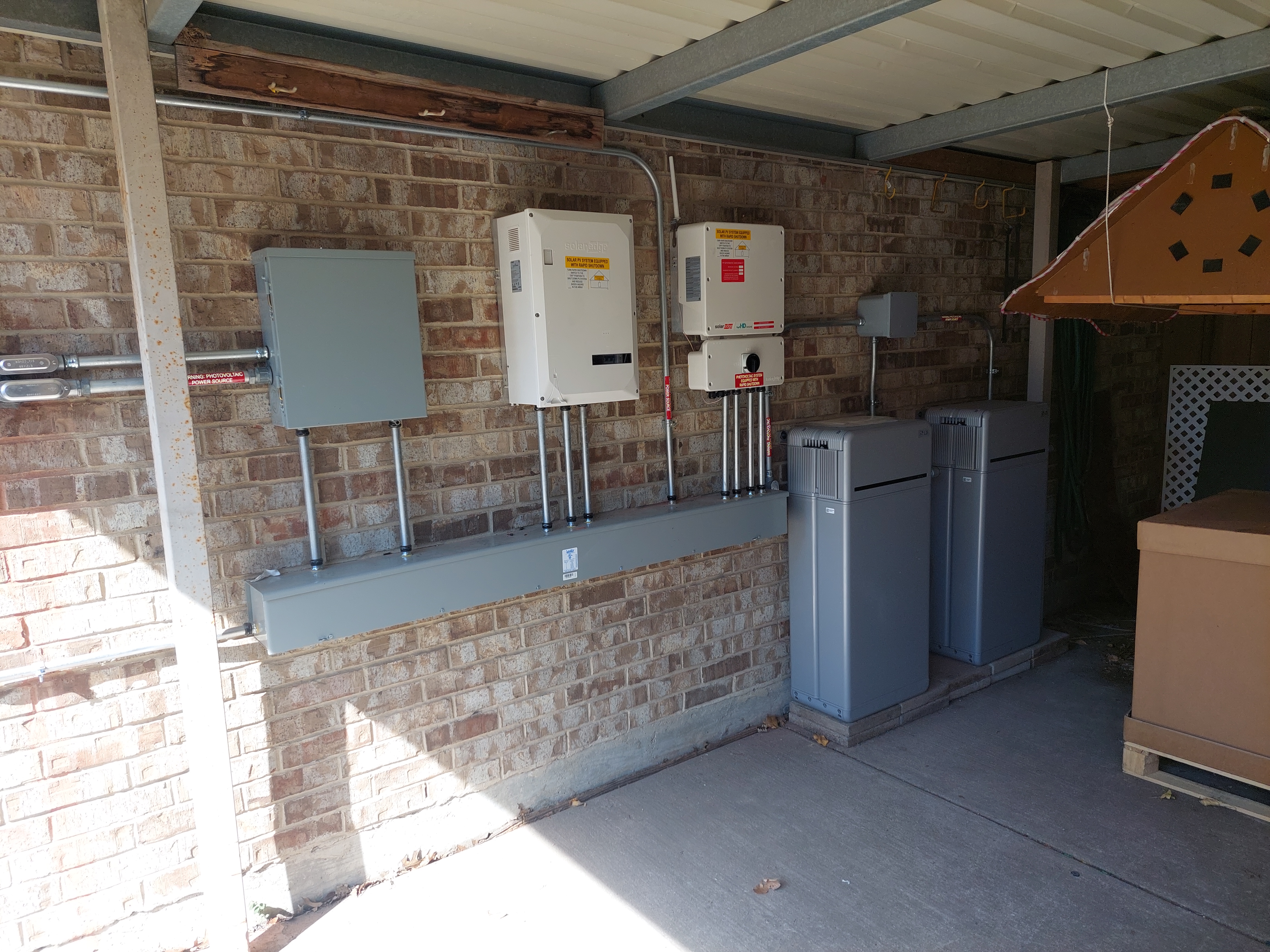
Choosing the right backup power solution means understanding your options and how they fit your specific needs. Whether it’s a portable generator, a standby unit, or a UPS, each has its benefits.
Portable Generator Inlet and Interlock
Portable generators offer flexibility and are often more budget-friendly. They can power essential loads but require manual setup during an outage. If this option appeals to you, consider installing a generator inlet box and interlock kit. These allow you to safely connect your generator to your home’s electrical system.
The inlet box is mounted outside your home and connects to your electrical panel via the interlock kit. This setup ensures that when you switch to generator power, it doesn’t back feed into the grid, which is crucial for safety. While portable setups require more manual intervention, they are an excellent choice for those who need temporary power solutions without a high upfront cost.
Standby Generator Dallas Options
Standby generators are ideal for those wanting a more permanent and hands-off solution. These units automatically kick in when the power goes out and can handle larger loads. They’re a popular choice for both homes and businesses in Dallas, providing peace of mind during severe weather events.
Installed outside your home, these generators connect directly to your electrical system via an automatic transfer switch. This setup ensures a seamless transition between grid and generator power. While the initial investment is higher, the convenience and reliability they offer can be well worth it.
UPS for Business Dallas Needs
For businesses, maintaining power to critical systems like servers and computers is essential. A UPS (Uninterruptible Power Supply) can bridge the gap during short outages or while a generator starts up. This ensures that your business operations continue smoothly and data is protected.
A UPS provides short-term power and surge protection by using a battery. It’s a must-have for businesses in Dallas that rely on continuous uptime. Pairing a UPS with a generator provides a comprehensive solution for business continuity power, ensuring systems stay operational and protected.
Installation and Maintenance Considerations
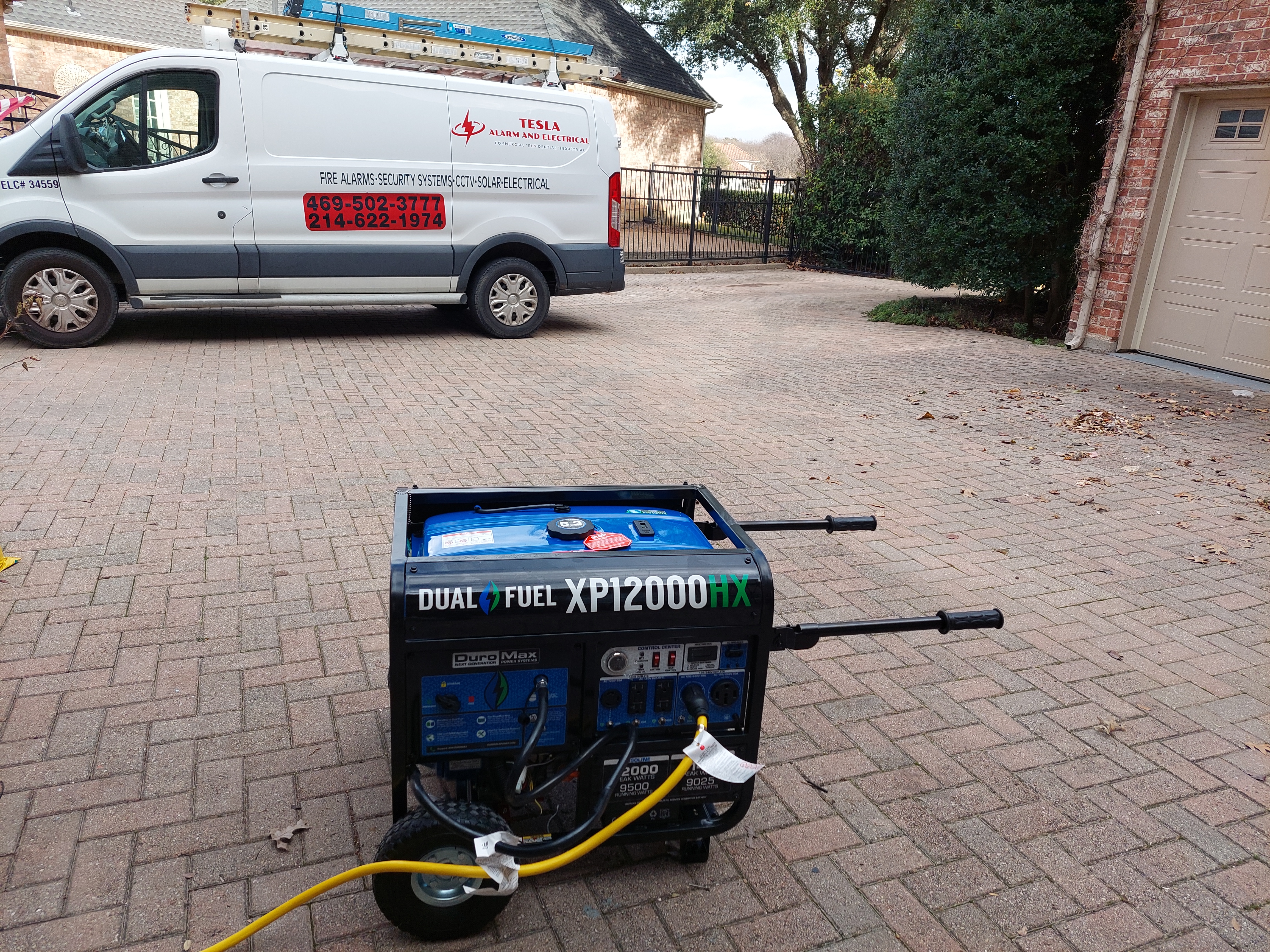
Proper installation and regular maintenance are essential for ensuring your backup power system works when you need it most. This section outlines key considerations for a reliable setup.
Transfer Switch Installation Types
A transfer switch is crucial for safely connecting your generator to your electrical system. There are two main types: manual and automatic. Manual transfer switches are more budget-friendly but require you to flip the switch during an outage. Automatic switches, on the other hand, provide a seamless transition without manual intervention.
The choice between the two often depends on your budget and convenience preference. Regardless of type, proper installation by a qualified professional ensures safety and compliance with local codes. This step is vital in protecting both your property and utility workers.
Budgeting for Backup Generator Installation Plano
Planning your budget for a backup generator installation involves more than just the cost of the generator itself. Installation, permits, and potential electrical upgrades can add to the total cost. It’s important to consider these factors early in the planning process to avoid surprises.
Research local electricians who specialize in generator installations in Plano to get a comprehensive quote. They can provide insights on potential additional costs and help you understand the full scope of the project. Investing in quality installation ensures that your system is reliable and effective.
Scheduling Generator Maintenance Plano
Regular maintenance is key to ensuring your generator is ready to perform in an emergency. Most manufacturers recommend servicing your generator at least once a year, or more frequently if it’s used often. This maintenance typically includes checking oil levels, filters, and battery health.
Consider setting up a maintenance schedule with a local provider in Plano. This ensures your generator is always in top condition and reduces the risk of unexpected failures. Regular checks and services provide peace of mind that your backup system will function when you need it most.
Frequently Asked Questions
What size generator do I need for my home?
To determine the right size generator, add up the wattage of all essential appliances and devices you want to power during an outage. It’s also important to consider startup wattages, which can be higher than running wattages for some appliances.
How often should I maintain my generator?
It is generally recommended to service your generator at least once a year. Regular maintenance checks help ensure the generator is in good working condition and ready to operate during an outage.
What is the difference between a portable and standby generator?
Portable generators are typically used for short-term or temporary power needs and require manual setup. Standby generators are permanently installed and automatically provide power to pre-selected circuits during an outage.
Do I need a permit for generator installation?
Permit requirements can vary by location, so it’s best to consult with a local electrician who understands the codes and regulations in your area. They can help ensure your installation is compliant.
Can a UPS replace a generator?
A UPS is designed to provide short-term power and surge protection, primarily for electronic devices. It cannot replace a generator for longer outages but can be used in conjunction with a generator for comprehensive power backup solutions.