Power outages in North Texas have become more frequent and unpredictable, leaving homes and businesses in the dark when they least expect it. If you’ve faced sudden blackouts or rolling outages, you know how quickly things can spiral without backup power. This guide breaks down what you need to know about backup power North Texas residents trust—from sizing your system to navigating permits—so your property stays up and running no matter the storm.
Assessing Outage Risks
Before diving into solutions, it’s important to understand the challenges and risks associated with power outages in North Texas. This section will help you assess these risks for your home or business.
Understanding North Texas Power Challenges
North Texas faces unique power challenges that can lead to unexpected outages. The region’s weather can be unpredictable, with severe storms and heat waves pushing the grid to its limits. This often results in rolling blackout Texas alerts and issues with power stability. Additionally, ERCOT power outages are not uncommon, affecting many residents. Recognizing these challenges is the first step in preparing for potential power disruptions.
Evaluating Your Property’s Vulnerabilities
Assessing your property’s specific vulnerabilities is crucial. Consider factors like the age of your electrical panel and the condition of your wiring. Homes with outdated systems are more susceptible to outages and electrical failures. Panel upgrade Plano services can help address these risks by ensuring your electrical system meets current standards. Identifying these vulnerabilities early can prevent more significant issues down the line.
Preparing for Rolling Blackouts
To prepare for rolling blackouts, it’s important to have a plan in place. This means knowing which parts of your property are most vulnerable and having backup systems ready. Consider installing a whole home generator or a battery backup for home to keep essential systems running during power interruptions. Regular maintenance and checks ensure your backup solutions are ready when needed.
Identifying Essential Loads
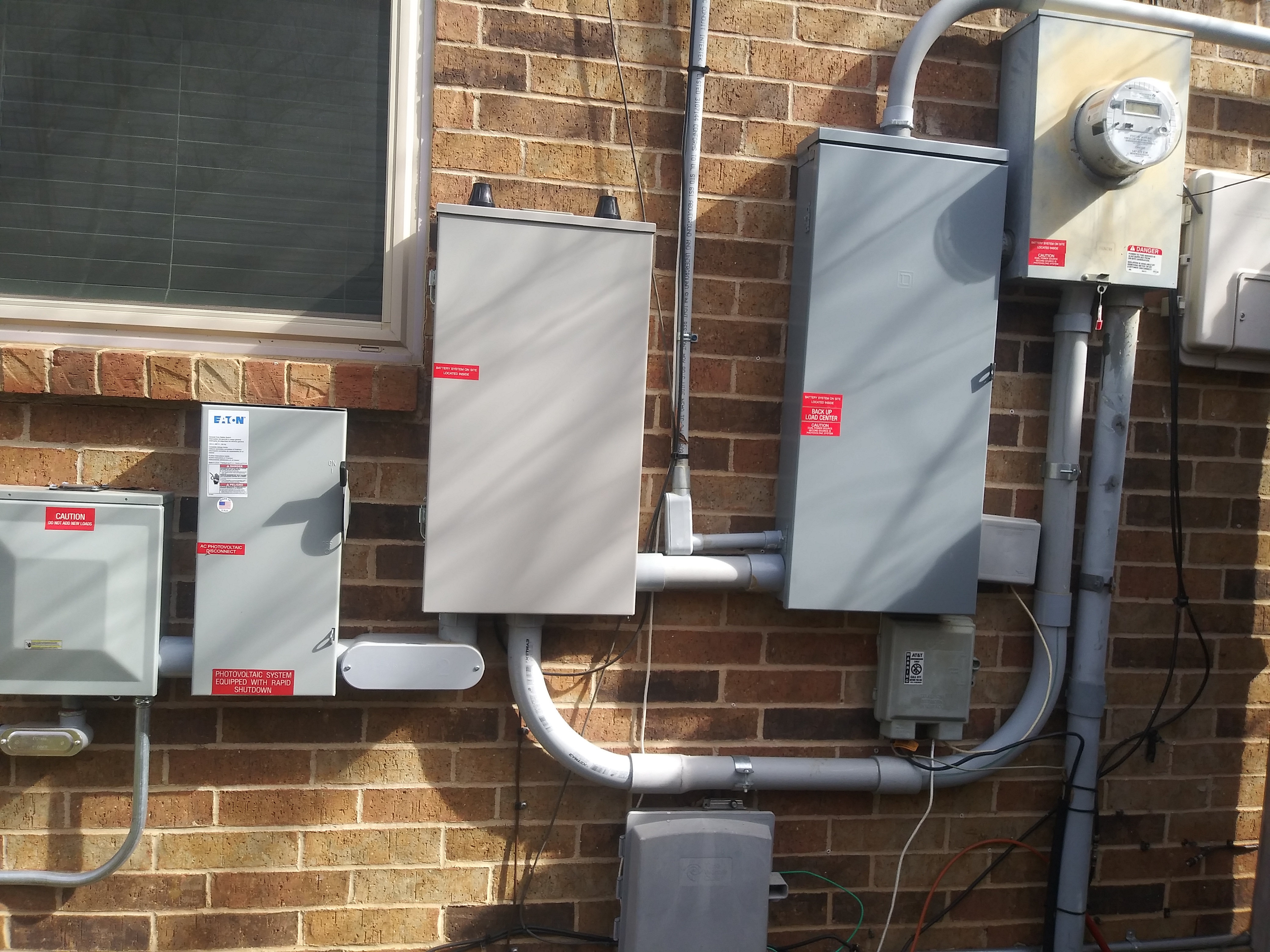
When planning your backup power solutions, identifying which systems and appliances are essential is key. This ensures you prioritize the right areas and allocate resources effectively.
Mapping Critical Circuits in Homes
Start by identifying the critical circuits in your home. These typically include lights, refrigerators, and HVAC systems. By mapping these out, you can better understand what needs immediate power during an outage. Prioritizing these circuits ensures that your essential appliances and systems remain operational. This is where surge protection Dallas services can also provide added security against power surges during restoration.
Prioritizing Business Infrastructure Needs
For businesses, the stakes can be even higher. Consider what infrastructure is critical to operations. This often includes computers, point-of-sale systems, and communication devices. Ensuring these are prioritized in your power plan can prevent disruptions that lead to lost revenue. A commercial generator Dallas solution might be necessary to support these systems effectively.
Planning for Server Room and Medical Equipment
In specialized environments like server rooms and medical facilities, the need for constant power is non-negotiable. Server room UPS installations ensure critical data and equipment remain safe during outages. If you manage medical equipment, it’s crucial to have reliable backup power in place to avoid catastrophic failures.
Comparing Backup Solutions
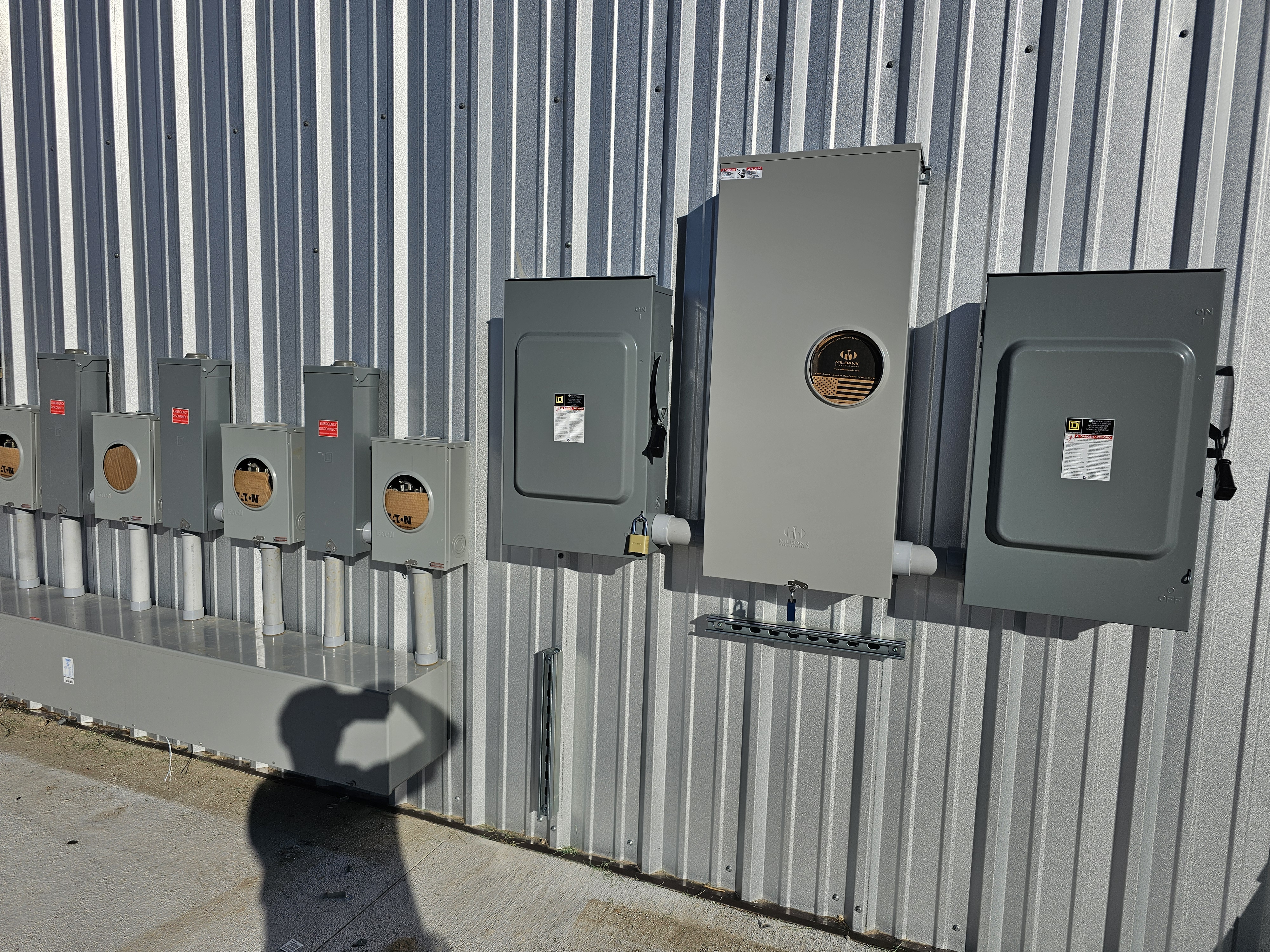
Once you’ve identified your essential loads, it’s time to explore the backup power solutions available. Each option has its benefits and considerations, so understanding these is vital.
Portable vs. Standby Generators
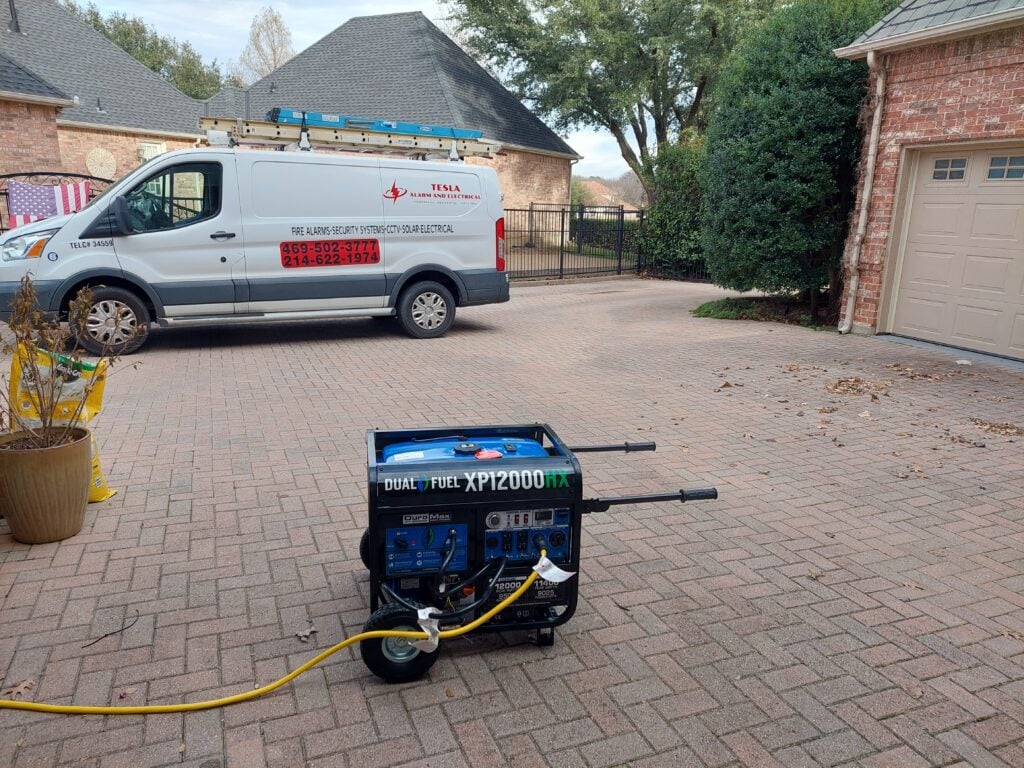
Choosing between portable and standby generators depends on your specific needs. Portable generators are flexible and can be moved as needed, but they require manual setup during outages. On the other hand, standby generators are permanently installed and automatically activate when they detect a power loss. This makes them a more reliable choice for continuous power needs.
Battery Backup and UPS Options
Battery backup systems and UPS installations offer another layer of protection. These systems ensure that even during a power outage, your critical devices remain operational. Battery backups are particularly beneficial for homes with solar panels, allowing you to store excess energy for later use. UPS installation Plano provides immediate power to essential systems, reducing downtime and maintaining operations.
Fuel Choices: Natural Gas and Propane
The type of fuel your generator uses is an important consideration. Natural gas generator options are connected to your home’s gas line, providing a continuous fuel source. Propane generators, on the other hand, require a tank and can be more cost-effective in some scenarios. Consider which option best suits your availability and cost preferences.
Frequently Asked Questions
What are the key differences between portable and standby generators?
Portable generators are mobile and require manual operation, while standby generators are fixed in place and activate automatically during power outages.
How can I determine which circuits are essential during an outage?
Identify critical appliances and systems, such as lighting, refrigerators, and HVAC units, that must remain operational during an outage.
What’s the best fuel type for backup generators in Texas?
Natural gas is often preferred for its continuous supply, but propane can be a good alternative if natural gas isn’t available.
How do I prepare for rolling blackouts in North Texas?
Install a reliable backup system, such as a whole home generator or battery backup, and regularly maintain it to ensure readiness.
Why is it important to consider a UPS installation for my business?
A UPS installation provides immediate power to critical business systems, reducing downtime and protecting against data loss during power disruptions.