Power outages in Texas no longer catch you off guard once you understand what goes into a proper backup power setup. Choosing the right generator isn’t just about size—it’s about fuel type, transfer switches, placement, permits, noise limits, and safety measures. Before scheduling your generator installation Plano, get clear on these key factors to avoid surprises and keep your home or business running smoothly when ERCOT grid outages hit. For more insights, check out this NBC DFW article.
Generator Sizing and Load Calculation
Understanding the size of your generator is crucial for ensuring that it meets your power needs. This involves knowing what devices it will support during an outage.
Importance of Accurate Sizing
Start by recognizing that a correctly sized generator prevents overloads. It’s not just about total wattage but also the specific needs of your household or business. Imagine trying to run your refrigerator and HVAC system, only for the generator to trip due to excess demand. An undersized generator can leave you without power when you need it most.
Getting the right size involves calculating the starting and running wattage of your appliances. For instance, a fridge might need 1,200 watts to start but only 200 watts to run. Use these numbers to ensure continuous operation. A generator sizing load calculation can help guide you in selecting the ideal capacity for your needs.
Understanding Load Requirements
Knowing your load requirements entails differentiating between essential and non-essential appliances. Focus on critical items first, like heating, cooling, and refrigeration. Make a list of all electrical devices you want to power during an outage. This helps prioritize which appliances get power first, ensuring you don’t overburden the generator.
Once you have this list, add up the total wattage required. For instance, if your list includes lights, a fridge, and a heater, total their wattages. This gives you a clearer picture of the generator capacity you need. Remember, running multiple high-demand appliances simultaneously can overload the generator.
Choosing Between Standby and Portable
Choosing between a standby and a portable generator boils down to convenience and capacity. Standby generators offer automatic operation and are typically more powerful. They kick in during an outage, ensuring a seamless switch from grid to backup power. Standby systems are ideal for whole-home power.
On the other hand, portable generators provide flexibility and are usually more budget-friendly. They can be moved as needed but require manual setup during an outage. If you’re thinking about portability, read this Reddit discussion for user experiences.
Fuel Options for Backup Generators
Choosing the right fuel type is essential for ensuring your generator performs effectively. Let’s explore the common options and their benefits.
Natural Gas vs. Propane Generators
When selecting between natural gas and propane, consider availability and storage. Natural gas is connected directly to your home’s supply, meaning you won’t run out during prolonged outages. It’s a reliable choice for homeowners who want a consistent fuel source.
Propane, however, is stored in tanks and can be a cleaner-burning option. This makes it a great choice for areas where natural gas isn’t available. Additionally, propane can be stored for long periods without degrading, offering flexibility if outages are infrequent. For a detailed comparison, check out this guide on how to safely set up and run portable generators.
Diesel Fuel Considerations
Diesel generators are known for their durability and efficiency. They often provide more power output compared to gas-powered counterparts. Diesel engines are built to last, making them suitable for commercial settings needing robust power solutions.
However, diesel might not be readily available in all locations, and storage can be an issue due to fuel degradation over time. Consider these factors if you’re leaning toward diesel. It offers substantial power but needs careful planning for refueling and storage.
Fuel Availability in Texas
In Texas, fuel availability can vary significantly based on location. Urban areas usually have better access to natural gas, while rural locations might rely more on propane or diesel. During storm season, fuel demand increases, potentially affecting availability.
Understanding local fuel options is crucial for ensuring your generator operates without interruptions. Consider contacting local suppliers ahead of the storm season to confirm supply levels. Stay informed about local regulations and availability to make the most suitable choice for your backup power system.
Installation and Safety Considerations
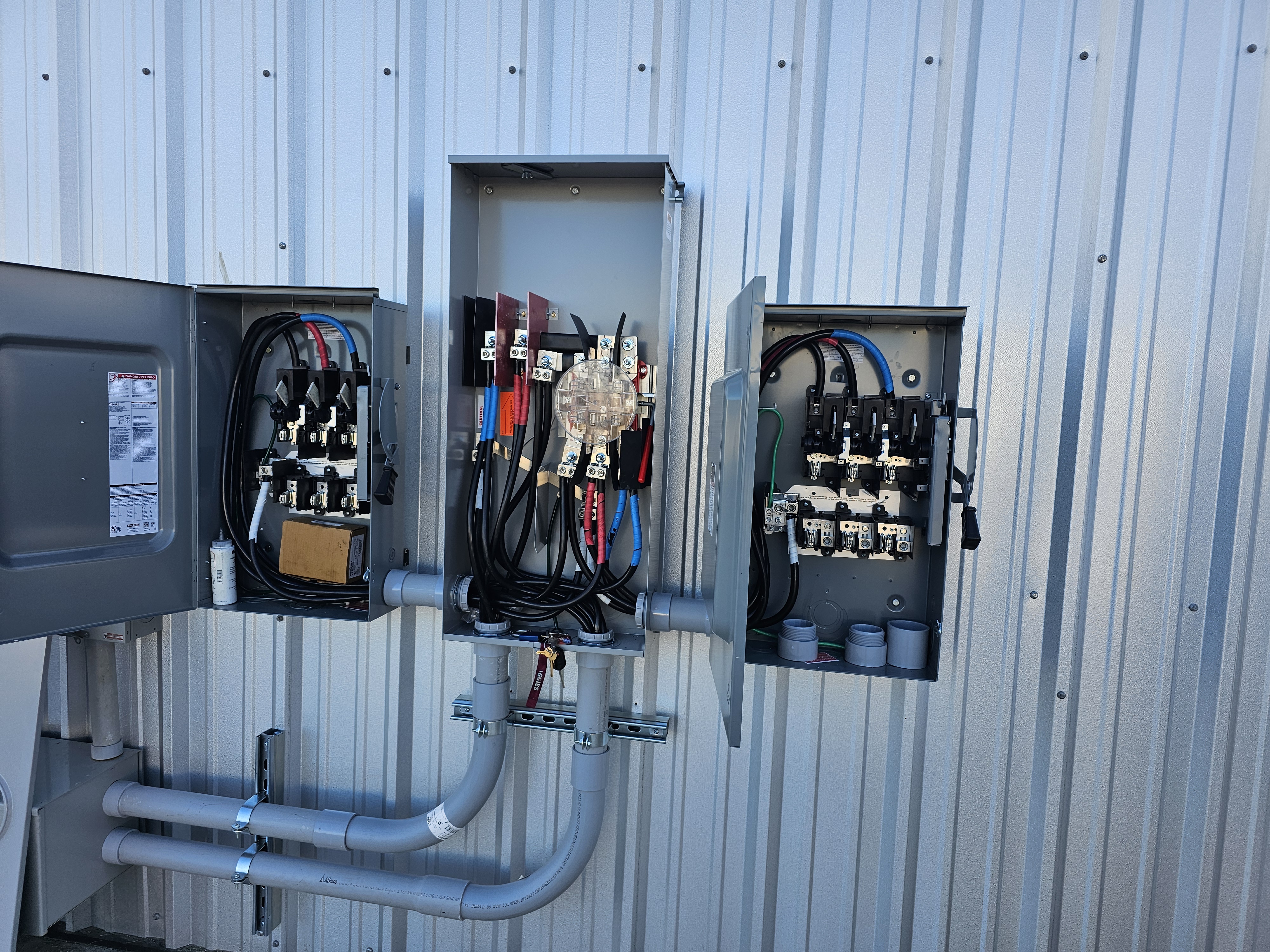
Once you’ve selected the right generator and fuel type, focus on installation and safety measures to ensure a reliable and secure setup.
Transfer Switch and Surge Protection
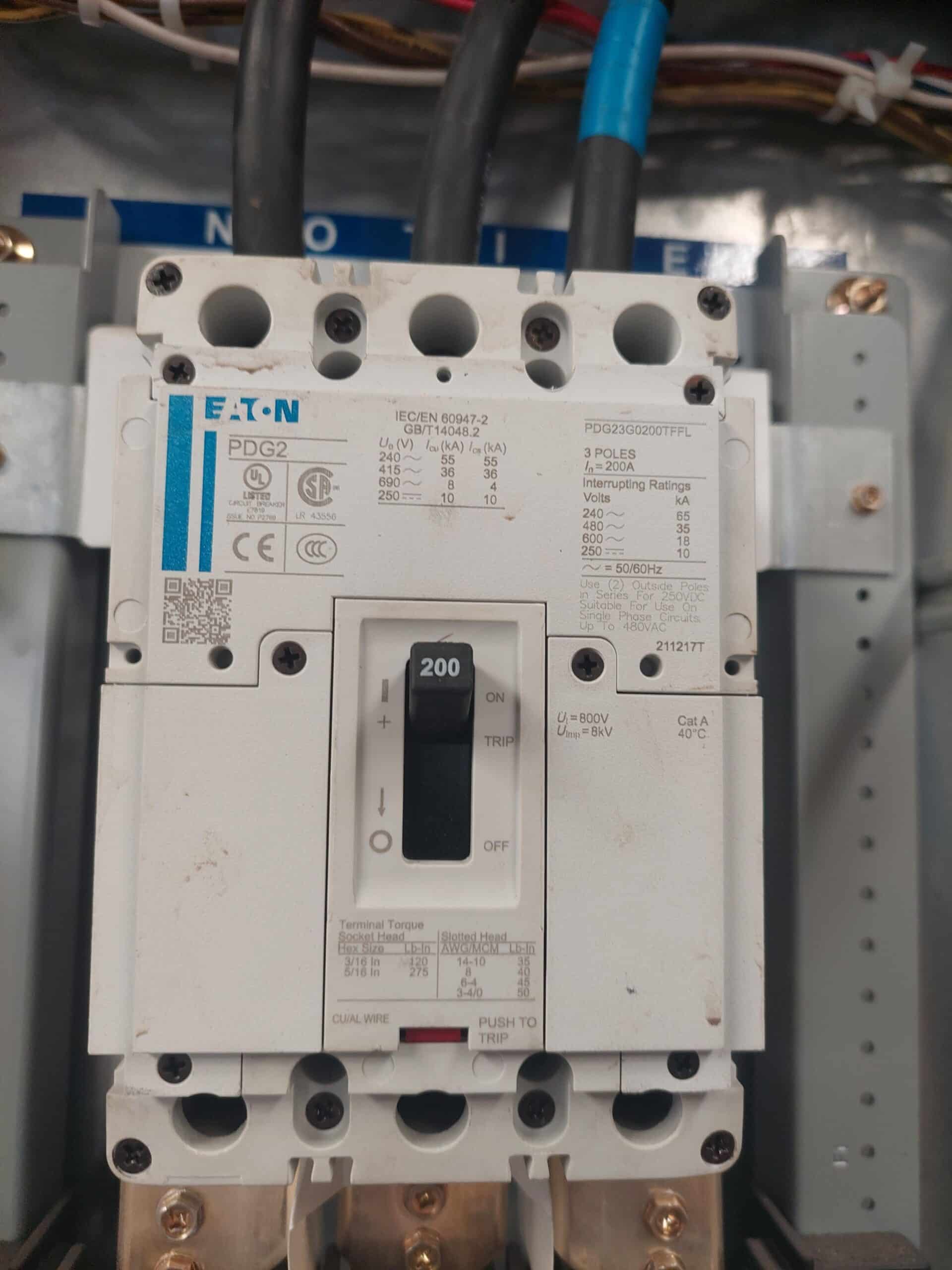
Installing a transfer switch is vital for safe generator operation. This device allows your generator to connect directly to your home’s electrical system, avoiding the risks associated with backfeeding. An automatic transfer switch ensures your system switches seamlessly when an outage occurs.
Surge protection is equally important. Power surges can damage electrical devices, so invest in a quality surge protector to shield your appliances. For more on how these systems operate, visit Transfer Switch Electrician.
Placement, Noise, and Permitting
Generator placement impacts performance and compliance with local regulations. Install your generator on level ground, away from doors and windows to prevent exhaust from entering your home. Noise levels vary by model, so consider this if you have close neighbors or noise restrictions.
Permits might be necessary in Plano or other Texas locations. Check with local authorities or your HOA about specific rules governing generator installations. Learn more about generator permitting in Plano.
Maintenance and Carbon Monoxide Safety
Routine maintenance keeps your generator functioning efficiently. Regularly check oil levels, filters, and connections. Schedule annual inspections with a professional to ensure reliability.
Carbon monoxide safety is crucial. Never operate your generator indoors or in enclosed spaces. Install carbon monoxide detectors in your home to monitor air quality. For more safety tips, visit Entergy’s generator safety page.
Remember, a well-maintained generator is your best defense against unexpected power outages. Stay prepared, and you’ll have peace of mind during storm season and beyond.