Most Dallas properties aren’t ready for EV charger installation without some prep work. Power capacity, permits, and proper placement all demand attention before you plug in a Level 2 charger Dallas drivers want. This checklist breaks down what you need to handle to avoid delays and extra costs, whether you’re a homeowner, property manager, or business owner. Read on to get your site ready and make your EV charging setup smooth and reliable. For more information, visit Tesla Alarm and Electrical.
Preparing Your Property for Installation
Before diving into your EV charging project, it’s crucial to address some key pre-installation steps. These will ensure a hassle-free process and save you from unexpected surprises.
Assess Power Capacity
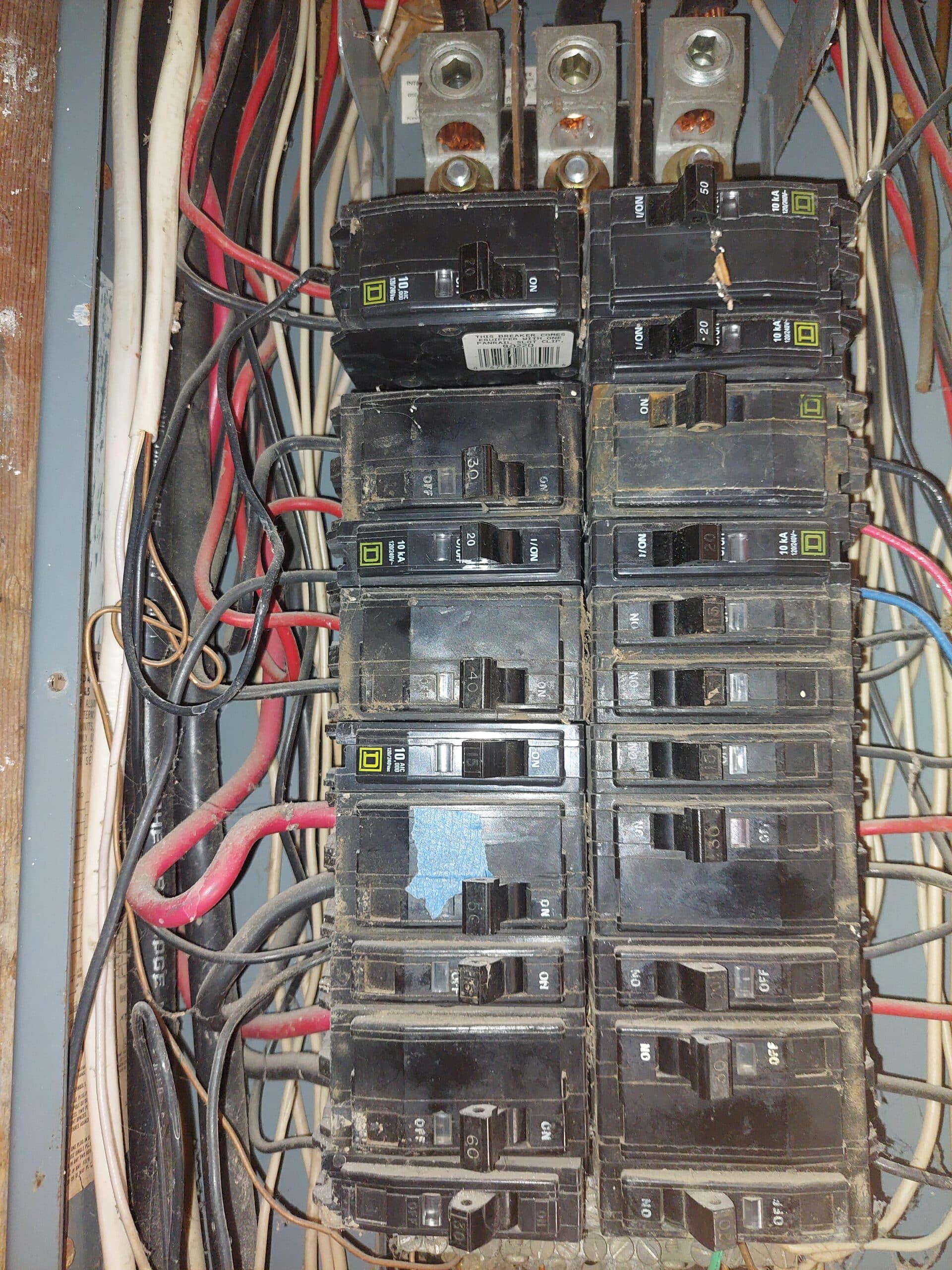
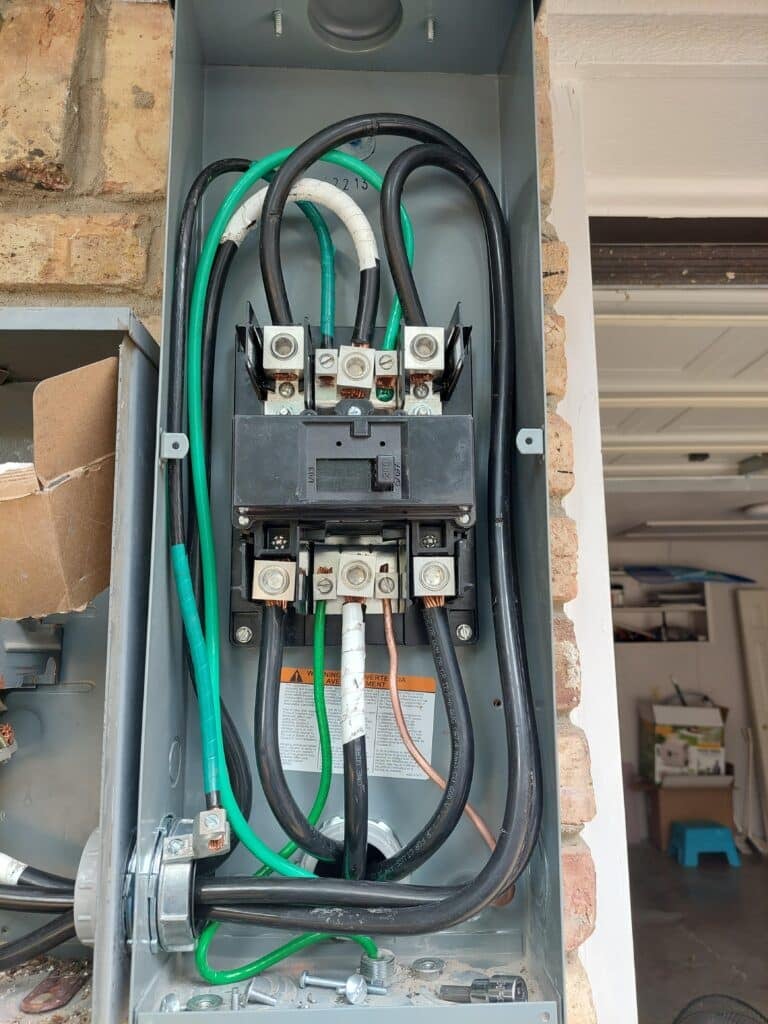
Start by evaluating your property’s current electrical capacity. Most homes can handle basic electrical needs, but an EV charger often requires more. Look at your main panel: Does it have enough capacity? A Level 2 charger typically needs a dedicated 240V outlet. If your panel is outdated or maxed out, you might need an electrical panel upgrade in Dallas. Consider hiring a licensed Dallas electrician to examine your setup and suggest improvements.
Determine Optimal Placement
Next, think about where to place your charger. Ideally, it should be near where you park your vehicle. Keep in mind the distance from your main electrical panel to the charger, as longer runs can be more costly. Outdoor installations might need weatherproofing or trenching. EV charger trenching and conduit can impact your costs and setup timeline.
Secure Necessary Permits
Permits are an essential part of the process. Contact your local Dallas authorities to find out what permits you need. This might include electrical permits or compliance with NEC 625 code standards. Neglecting permits can lead to fines or the need to redo work.
Ensuring Safe and Efficient Setup
Once your property is ready, focus on a setup that meets both current needs and future demands.
Evaluate Safety Measures
Safety should be your top priority. Ensure your setup includes features that protect against overloads and short circuits. Ground fault protection is crucial, especially in outdoor installations. Regular maintenance checks can prevent unexpected failures and keep your EV charging setup reliable.
Plan for Future Expansion
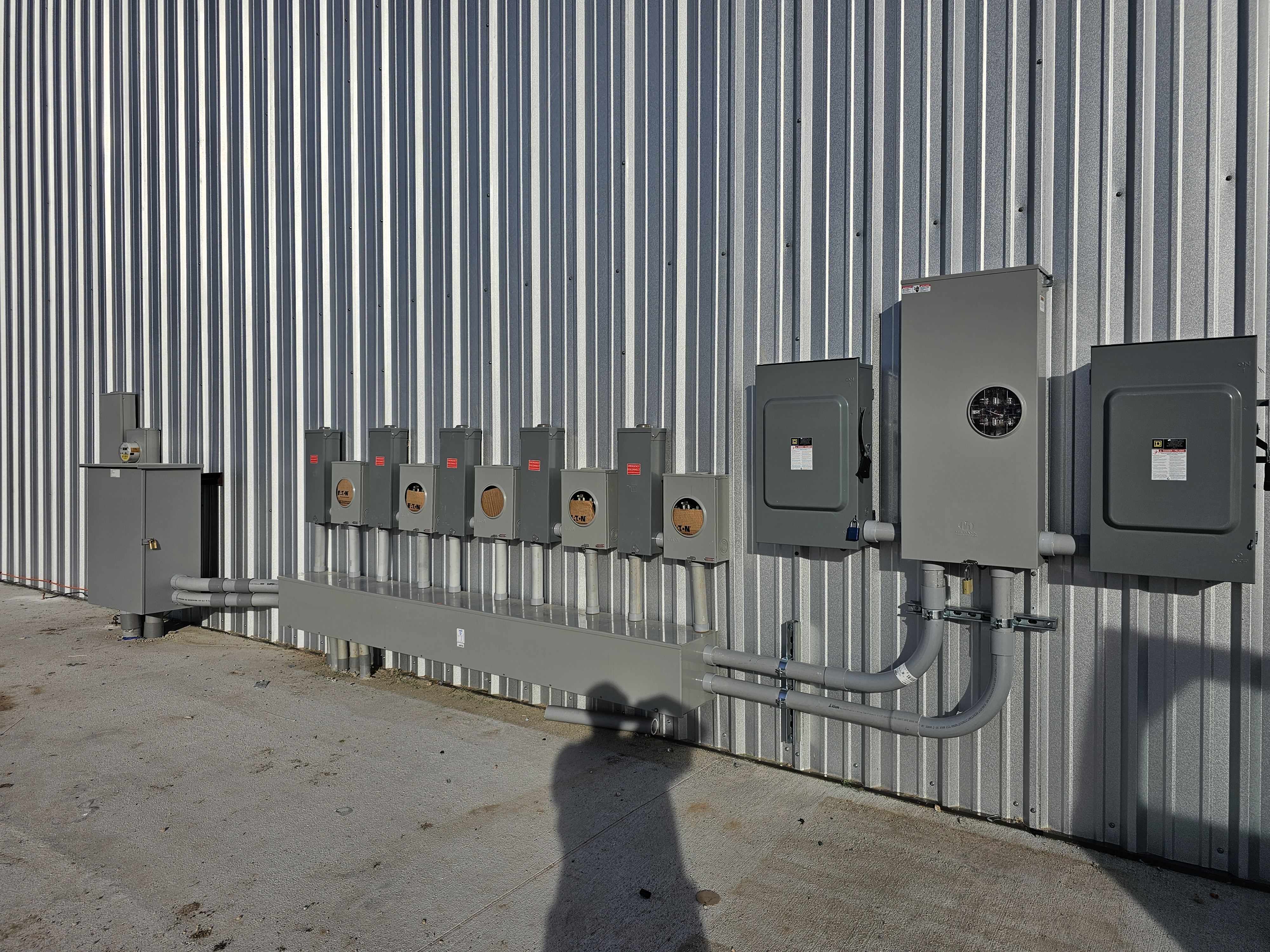
While installing your charger, think ahead. You might not need multiple chargers now, but consider wiring capacity for future expansions. As technology evolves, your setup should be adaptable to integrate new advancements without major overhauls.
Choosing the Right Installer
Selecting the right professional to carry out your installation can make all the difference.
Selecting a Licensed Electrician
It’s important to choose a licensed professional who understands local codes and requirements. A licensed electrician will ensure everything meets NEC 625 code compliance and the setup is safe. Look for someone with experience in Commercial EV charging within the DFW area.
Understanding Service Upgrades
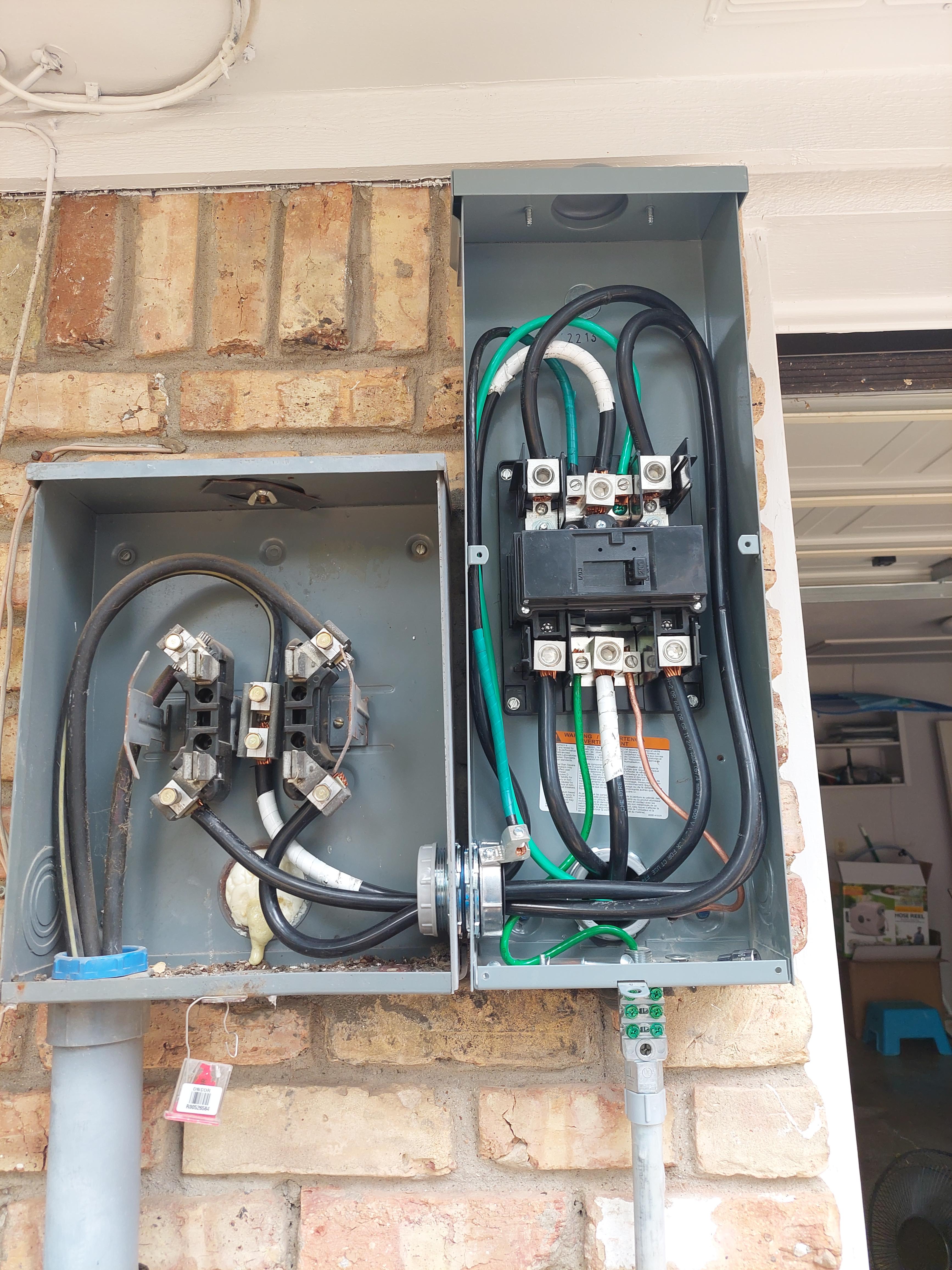
Lastly, understand any necessary upgrades. If your current system can’t support a Level 2 charger, you might need an Oncor service upgrade. This could include enhancing your panel or adding a 240V garage outlet. Knowing what’s required helps you plan and budget effectively.
Frequently Asked Questions
1. Do I need a permit to install an EV charger in Dallas?
Yes, permits are typically required for electrical work, including EV charger installation. Contact your local Dallas permitting office to confirm which permits you need.
2. Can I install a Level 2 charger myself?
While it’s technically possible, it’s not recommended unless you’re a qualified electrician. Professional installation ensures safety and compliance with local codes.
3. How long does the installation process take?
The installation time varies, but for a straightforward Level 2 charger setup, it generally takes a few hours. More complex setups with panel upgrades can take longer.
4. What if my electrical panel isn’t strong enough?
If your panel can’t support the additional load, you’ll need an electrical panel upgrade. This will ensure reliable and safe operation of your EV charger.
5. Can I add more chargers in the future?
Yes, planning for future expansion is wise. Ensure your initial setup includes capacity for additional chargers to avoid major work later on.