Most Dallas property owners underestimate the prep work needed for EV charger installation. Rushing through permits, electrical checks, or site layout can cause costly delays and code issues. Knowing exactly what to handle before your EV charger installation Dallas project starts saves time and keeps the job on budget. Let’s walk through the key steps to get your home, business, or multifamily property ready for smooth, safe EV charging. For more information on what it means to prepare, check out this definition.
Preparing Your Home for EV Charging
Getting your home ready for an EV charger involves a few crucial steps. Start by checking your electrical setup, then find the best location for the charger, and finally, make sure all necessary permits are in place.
Assess Electrical Capacity
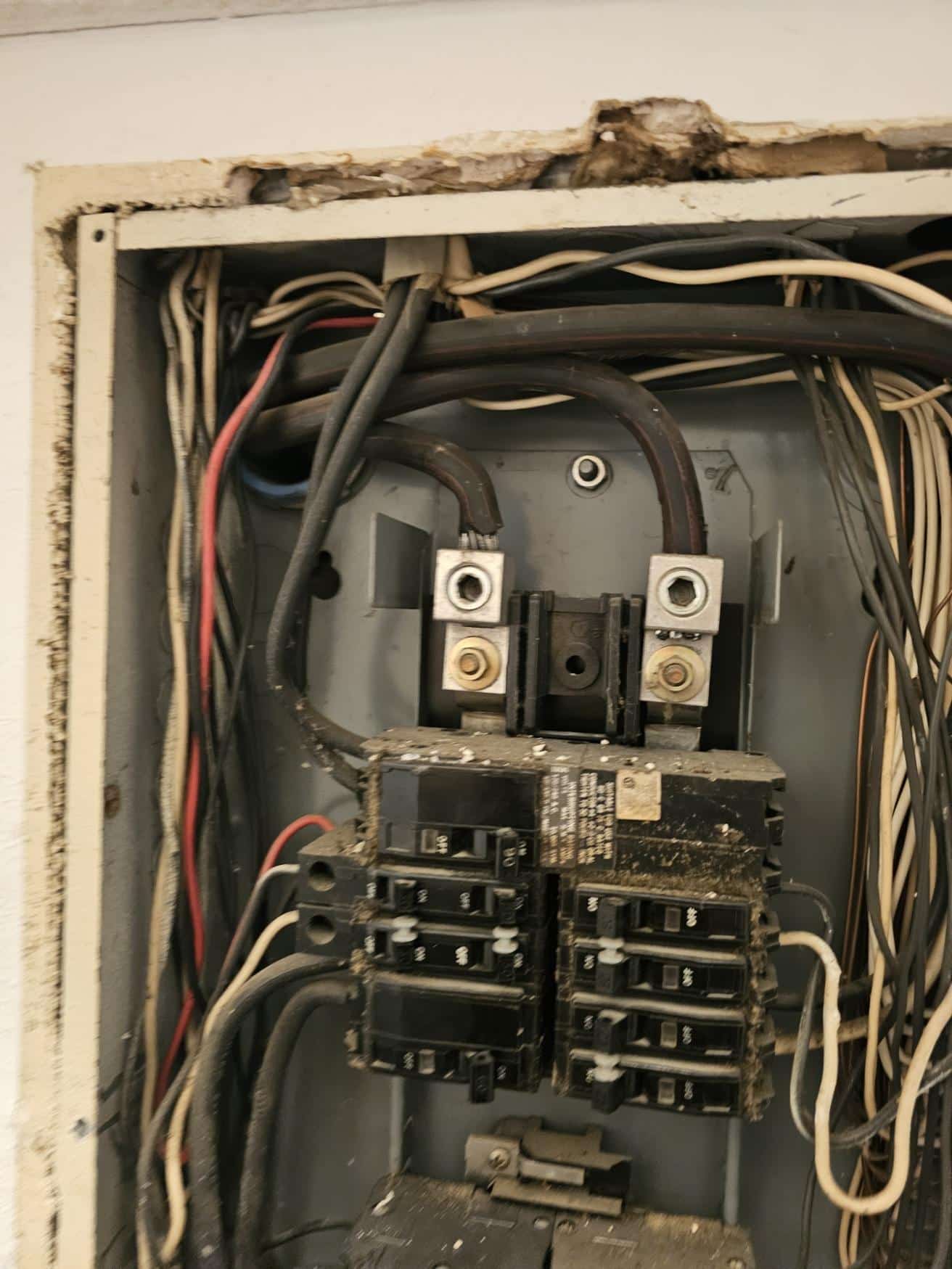
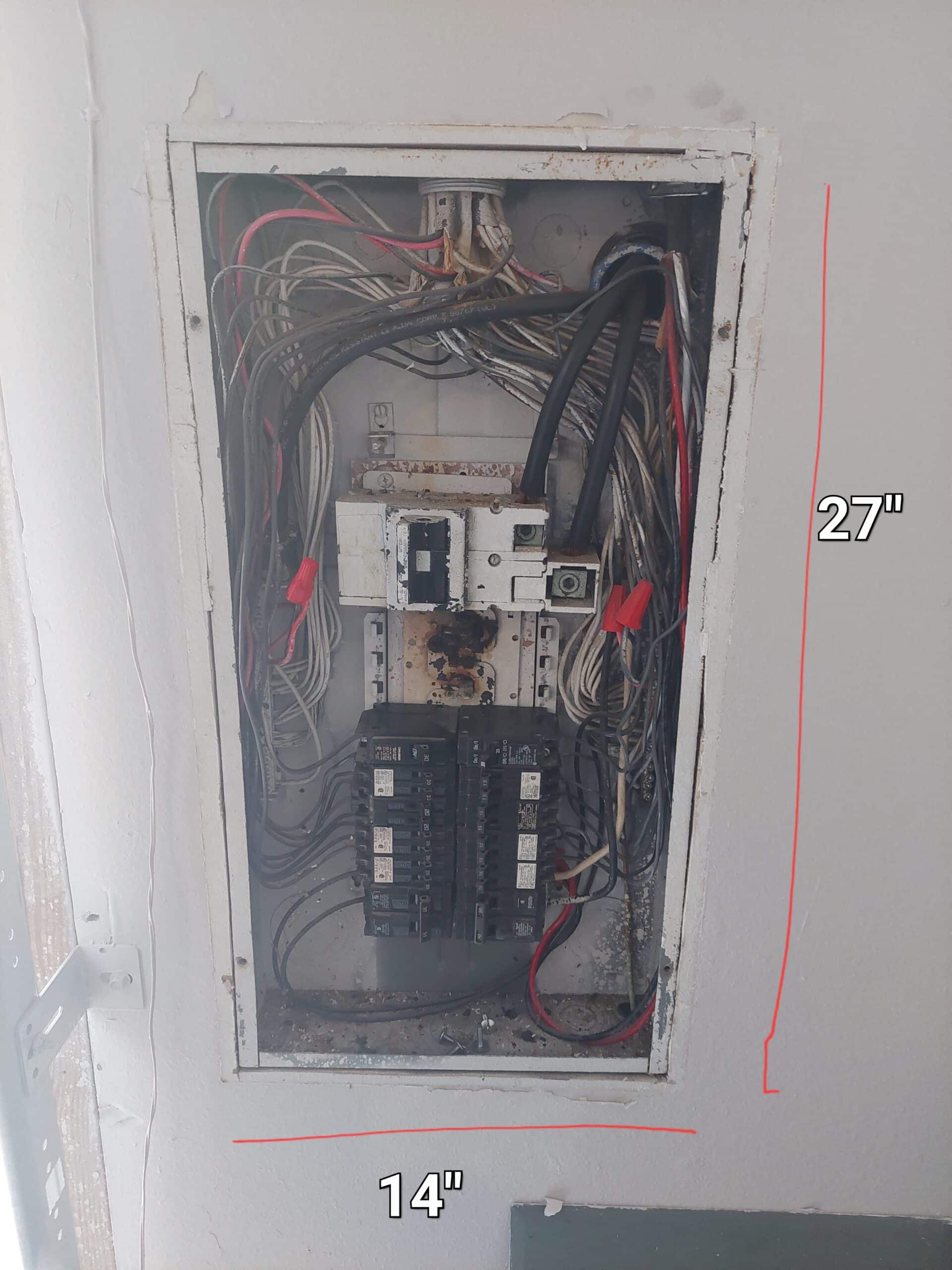
First, confirm if your home’s electrical system can support a new EV charger. Check the main panel for available capacity. An electrician can perform a load calculation to see if upgrades are needed. 25% of homes might need a panel upgrade for EV charger installations. If your panel is older or frequently overloaded, it’s wise to upgrade. This ensures safe and efficient charging.
Determine Charger Location
Next, decide where to install the charger. Proximity to your parking spot is key. Whether in a garage or driveway, the setup should be convenient. Consider the distance for cable reach: longer cables might be needed for detached garages. Trenching to run wiring underground is an option for detached setups. A well-placed charger makes daily use easier.
Obtain Necessary Permits
Finally, secure the required permits. The City of Dallas electrical permit is essential for compliance. Permits ensure your installation meets safety standards and local codes. Failing to get permits can lead to costly rework or fines. It’s crucial to handle this step before any installation work begins.
Business and Commercial Considerations
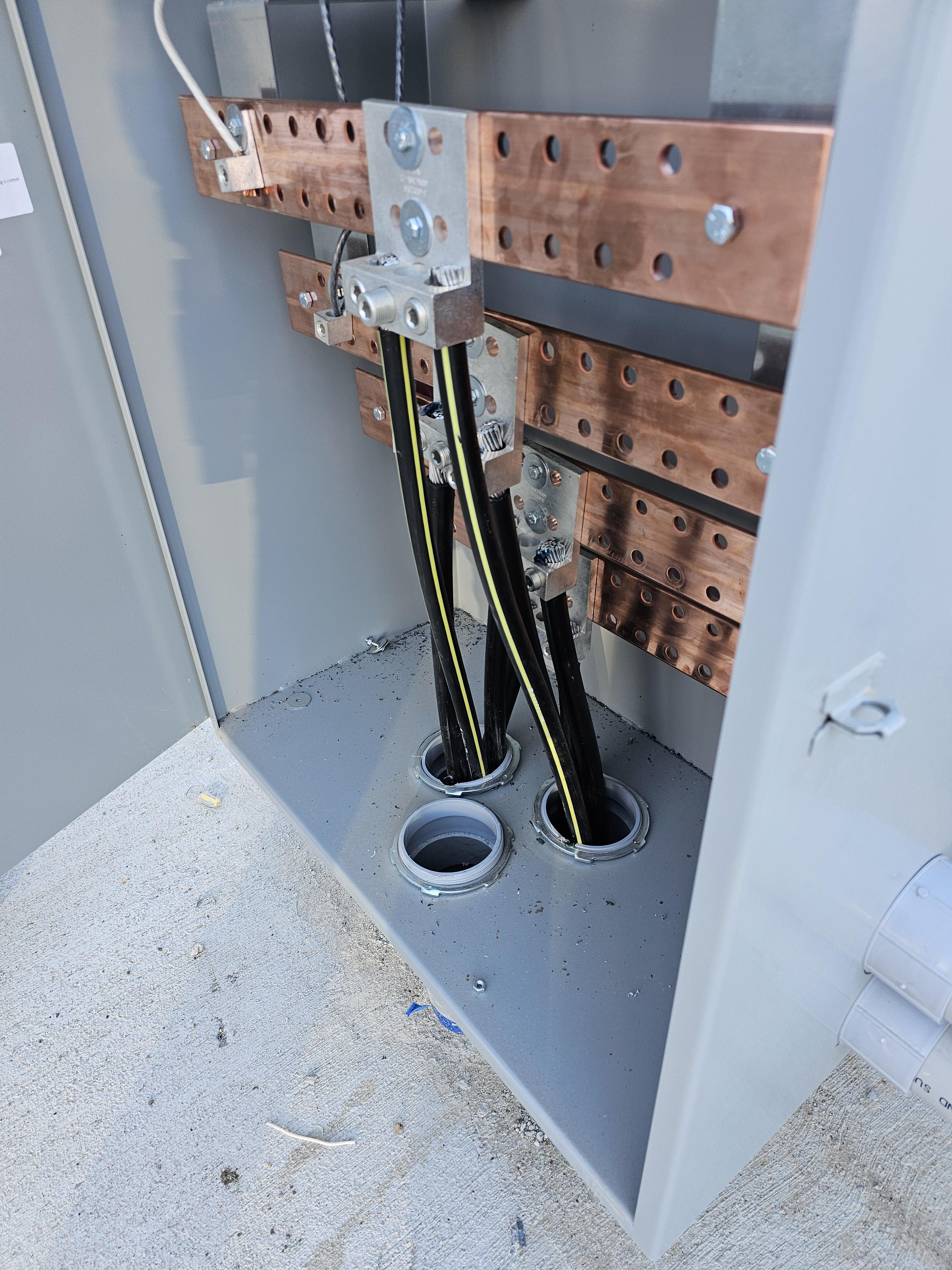
For businesses, EV charger installations require more detailed planning. It starts with site layout, followed by coordinating with utilities, and ensuring compliance with national codes.
Site Layout Planning
Begin by planning the site layout for your chargers. Consider the flow of traffic and parking needs. Chargers should be accessible yet not disrupt business operations. Plan for future expansion: more EVs mean more chargers. Proper layout now saves headaches later.
Coordinate with Utility Providers
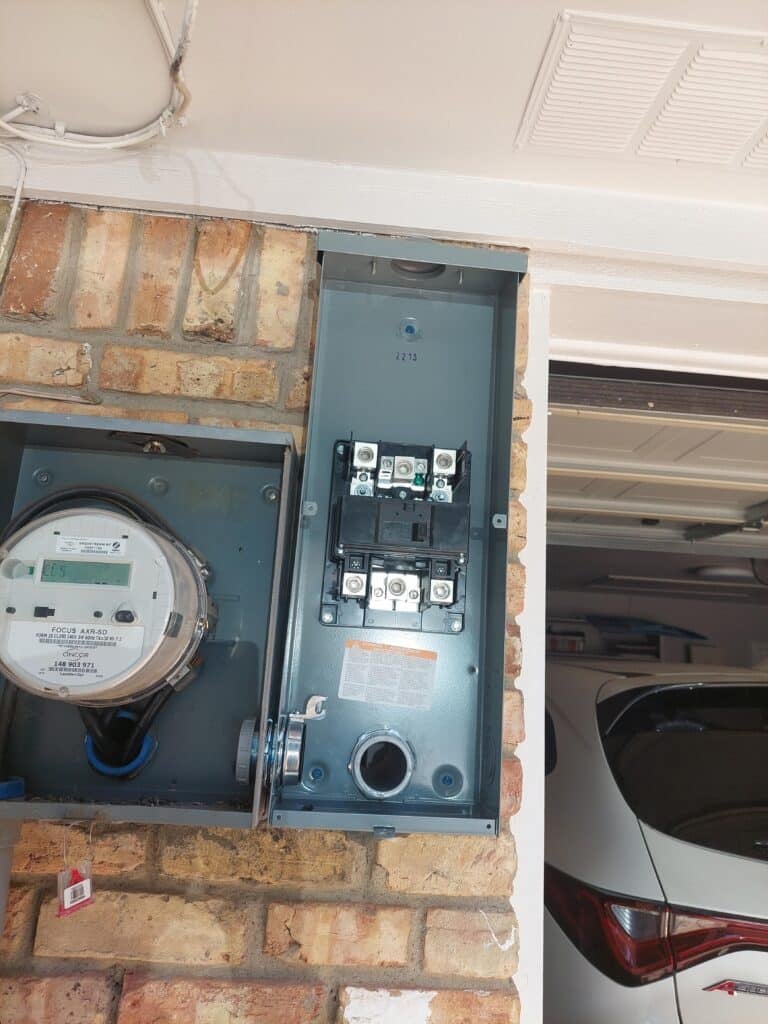
Next, work with your utility provider, such as Oncor, for any power upgrades. They may need to change your meter or transformer to handle the increased load. Coordinating early prevents delays. Businesses can also explore demand response programs to manage energy costs effectively.
Ensure NEC 625 Compliance
Finally, ensure your setup complies with NEC 625 standards. This code regulates EV charging systems, covering everything from wiring to safety protocols. Non-compliance can lead to safety hazards and legal issues. Hiring a knowledgeable contractor ensures your installation is up to code.
Multifamily Property Challenges
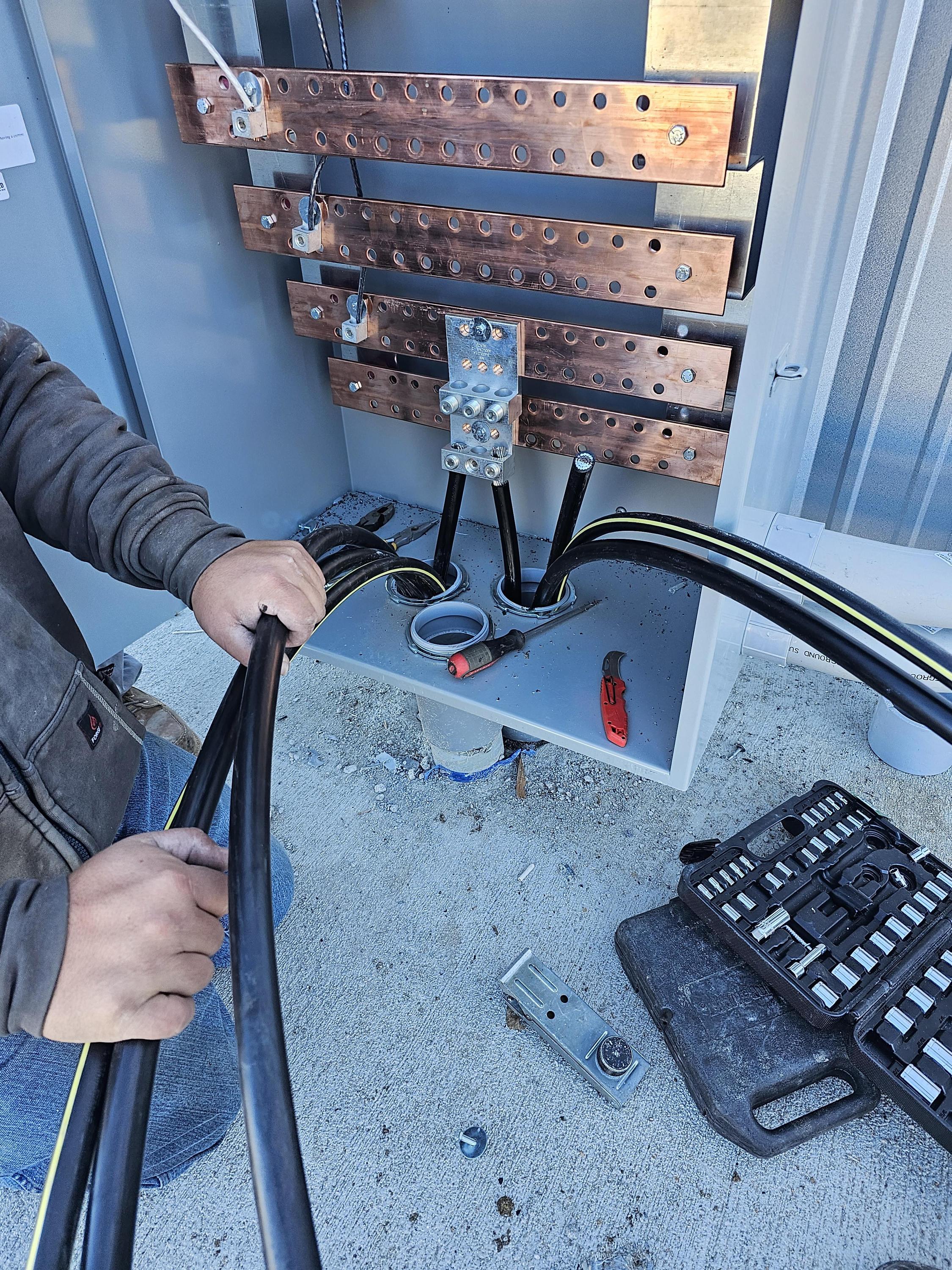
Multifamily properties face unique challenges for EV charger installations. Addressing panel upgrades, integrating smart chargers, and considering parking layouts are vital steps.
Panel and Service Upgrades
First, assess the existing electrical panels. Multifamily units often need significant upgrades to support multiple chargers. A professional assessment will determine if service upgrades are necessary. Upgrading panels can prevent overloads and power outages.
Smart Charger Setup and Integration
Next, set up and integrate smart chargers. These chargers help manage energy use and costs by balancing load across units. Integration into existing systems allows for remote monitoring. This setup is ideal for property managers looking to optimize energy use.
Parking Layout and ADA Compliance
Lastly, plan the parking layout with ADA compliance in mind. Ensure at least one accessible charging point. Consider installing signage to indicate EV charging spots. Proper layout planning can enhance convenience and accessibility for all residents.
Frequently Asked Questions
What are the first steps to prepare for EV charger installation at home?
To prepare, assess your electrical system’s capacity, determine the best location for the charger, and secure necessary permits from your city.
Do businesses need special permits for EV charger installations?
Yes, businesses must obtain permits to ensure installations comply with safety standards and local codes, avoiding costly issues later.
How can multifamily properties integrate EV charging stations?
Multifamily properties should start with panel upgrades, integrate smart chargers, and plan parking layouts that meet ADA compliance for accessibility.
By following these steps, you’ll ensure a smooth and compliant EV charger installation for your property, setting the stage for a future-ready charging solution.