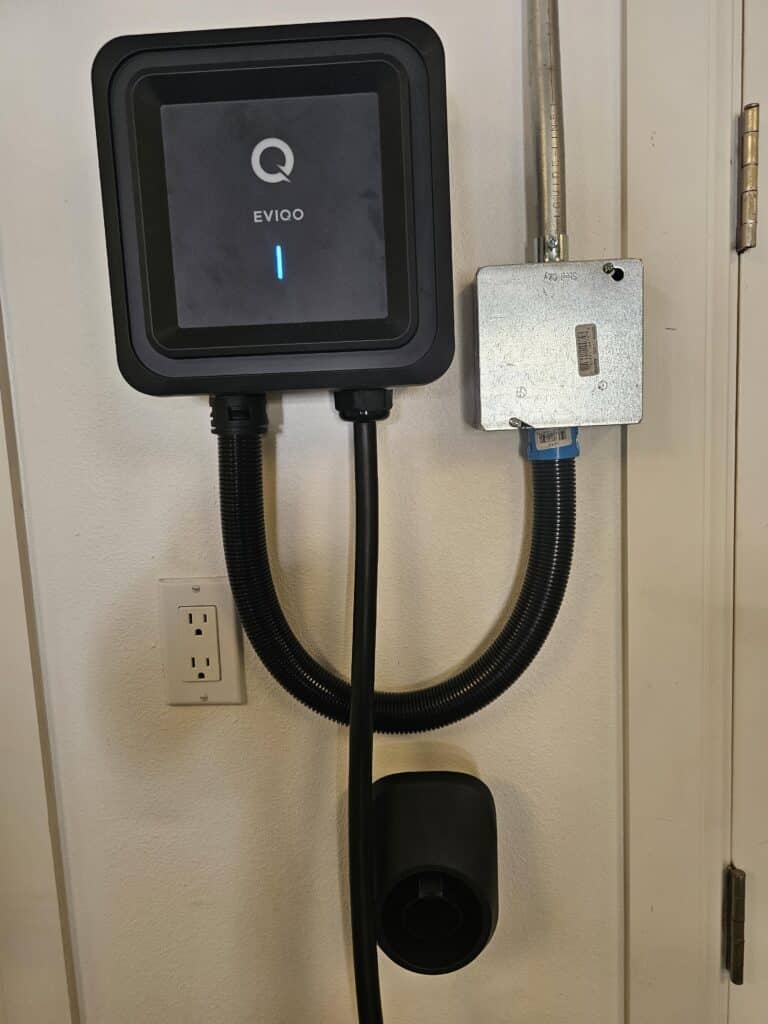
Most people think adding an EV charger is as simple as plugging it in. But without checking your home’s entire electrical system, you could face frequent breaker trips or expensive upgrades down the line. Planning your EV charger installation Plano means looking at panel health, load capacity, and smart load management to keep everything running safely and smoothly. Let’s explore why a full-system approach makes all the difference. More insights on the importance of integrating your EV charger with your home’s electrical system can be found here.
Whole-Home EV Charging Basics
When you consider EV charger installation in Plano, it’s crucial to think beyond just the charger itself. Understanding the entire electrical system forms the foundation for a successful setup.
Understanding Load Capacity
Load capacity is the backbone of your electrical system. It determines how much power your home can handle. If you plug an EV charger into a system that’s already at its limit, you risk frequent breaker trips. To prevent this, ensure your home’s load capacity can support your new charger. This might involve reviewing your current appliances and any recent additions to your home’s electrical load.
Checking your load capacity isn’t just a one-time task. As you add more devices, you might need adjustments. An electrician can conduct a load calculation, ensuring you stay within safe limits. This proactive approach can save you from unexpected outages and costly upgrades later. To learn more about electrical connections for EV charging, click here.
Importance of Panel Health
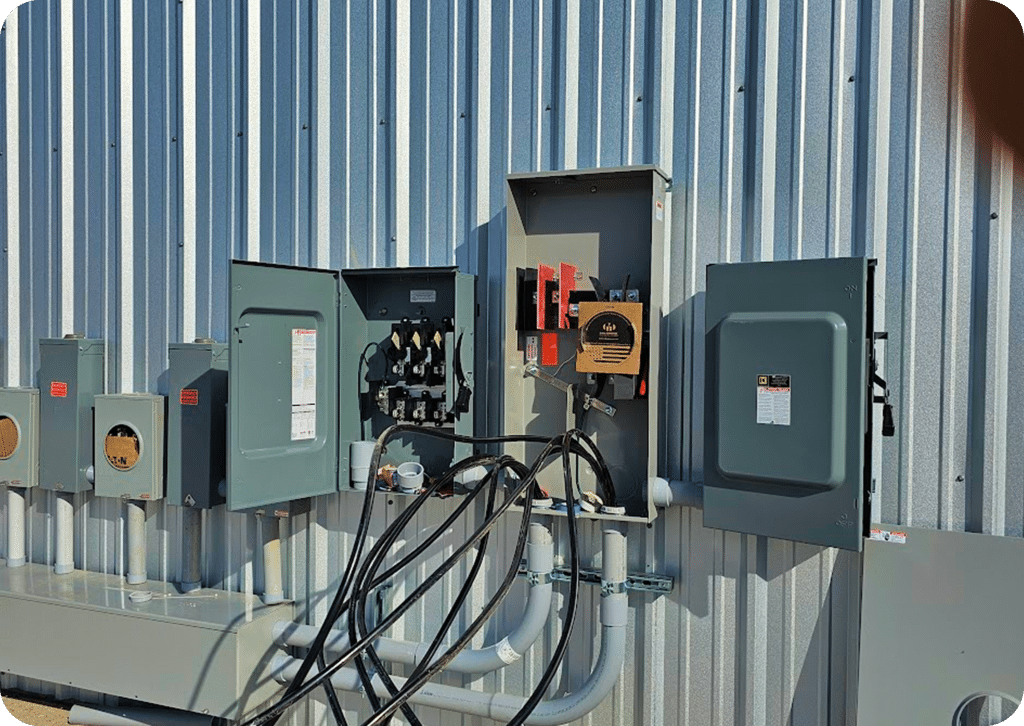
Your electrical panel is the heart of your home’s power system. Over time, panels can wear down, especially if they’re older or not suited for modern demands. Frequent breaker trips, flickering lights, or strange odors are signs that your panel might need an upgrade. Addressing these issues ensures your panel can support the added load of an EV charger without compromising safety or performance.
A healthy panel not only prevents potential hazards but also boosts efficiency. Upgrading your panel can lead to smoother power distribution and reduced risks of electrical failures. For further insights into panel maintenance and upgrades, explore this resource.
Code Compliance and Safety Devices
Adhering to electrical codes is non-negotiable when installing EV chargers. These codes ensure that installations meet safety standards, preventing hazards like electrical fires. Beyond code compliance, incorporating safety devices such as GFCI breakers and surge protectors adds an extra layer of protection to your system.
Safety devices are crucial, especially in areas prone to power surges or lightning strikes. They shield your charger and home from unexpected electrical spikes. Ensuring your setup is code-compliant with the necessary safety devices protects your investment and keeps your family safe.
Smart Load Management and Expansion
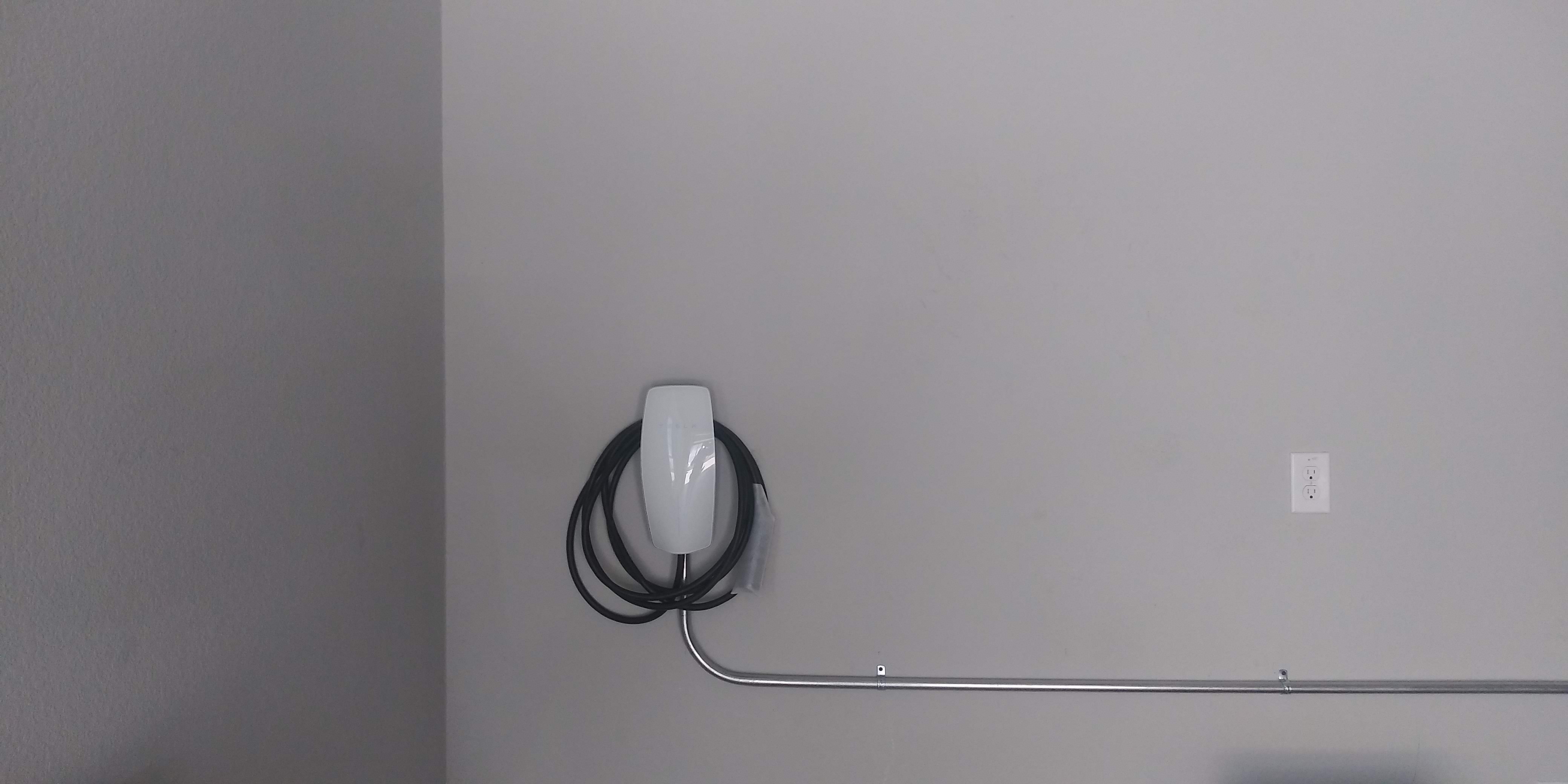
Planning for the future is key when it comes to your EV charging setup. As technology evolves, so do the demands on your electrical system.
Future-Proofing Your Setup
Thinking ahead can save you time and money. Future-proofing your setup means preparing your electrical system for new devices and increased power demands. This involves evaluating the potential growth in your electrical needs and ensuring your system can handle them. A forward-thinking approach minimizes the need for frequent upgrades and keeps your system running smoothly.
Anticipating future demands also means considering renewable energy sources. Integrating solar panels or battery systems with your EV charging setup can reduce reliance on the grid and lower energy costs. Understanding how to effectively integrate these systems is crucial for long-term sustainability.
Exploring Smart Load Management
Smart load management is about optimizing the distribution of power within your home. By dynamically adjusting the power flow, you can ensure efficient use without overloading circuits. This technology is particularly useful in homes with multiple high-demand devices, like EV chargers, appliances, and HVAC systems.
Implementing smart load management can also lead to cost savings. By balancing power usage during peak times, you avoid higher electricity rates and reduce strain on your grid connection. Dive deeper into the benefits of smart load management here.
Scalability for Multifamily and Commercial Use
For those managing multifamily properties or commercial fleets, scalability is a priority. Ensuring that your setup can easily expand to accommodate more vehicles or increased usage is essential. This involves planning for additional chargers and ensuring that your infrastructure can support them.
Scalability also requires considering the unique needs of each property. Whether it’s the number of chargers required or the specific power demands, tailoring your setup ensures efficient and effective operations. Implementing a scalable EV charging solution can enhance property value and attract environmentally conscious tenants or clients. For insights into multifamily and commercial EV charging, visit this blog.
Scheduling an EV Readiness Assessment
Understanding your property’s readiness for EV charging is a critical step in the installation process.
Benefits of a Professional Assessment
A professional EV readiness assessment provides a comprehensive overview of your current electrical system. It identifies potential issues and offers solutions to optimize your setup. This proactive approach ensures that your installation is both efficient and safe.
An assessment also provides peace of mind. Knowing that your system has been thoroughly evaluated by experts reduces the risk of unexpected issues. It also helps you make informed decisions about potential upgrades or adjustments needed to support your EV charger.
Steps to Prepare Your Home or Business
Preparing for an assessment involves a few key steps. First, gather information about your current electrical setup, including panel details and recent upgrades. Next, consider any future plans for additional chargers or power needs. Finally, schedule a consultation with a qualified electrician to discuss your goals and concerns.
During the assessment, be open to suggestions and ask questions. Understanding the recommendations ensures you make the best choices for your property. A thorough preparation sets the stage for a successful EV charger installation.
Contact Tesla Alarm and Electrical in Plano
For those in Plano and the Dallas-Fort Worth area, Tesla Alarm and Electrical is your trusted partner for EV charger installations. With decades of experience and a commitment to safety and innovation, they offer comprehensive solutions tailored to your needs. Whether you’re a homeowner looking to add a Level 2 charger or a business planning a fleet setup, Tesla AE ensures a smooth, efficient process.
Reach out today to schedule your EV readiness assessment and take the first step toward a smarter, greener future. With their expertise, you can be confident in a reliable and safe installation that meets all your requirements.
Frequently Asked Questions
What is load capacity, and why is it important for EV charging?
Load capacity refers to the amount of electrical power your system can handle. It’s crucial for EV charging because an overloaded system can lead to breaker trips or even electrical fires. Ensuring adequate load capacity prevents these issues and supports efficient power distribution.
How can I tell if my electrical panel needs an upgrade?
Signs your panel may need an upgrade include frequent breaker trips, flickering lights, burning smells, or buzzing sounds. Panels over 20 years old might not meet current demand and could pose safety risks. Consult a professional for an assessment if you notice these signs.
Are there specific codes for EV charger installations?
Yes, EV charger installations must comply with local electrical codes to ensure safety and efficiency. These codes dictate installation procedures and safety device requirements, such as GFCI breakers. Always work with a qualified electrician familiar with local regulations.
What is smart load management in EV charging?
Smart load management optimizes power distribution in your home, ensuring efficient use without overloading circuits. This technology is beneficial for homes with multiple high-demand devices, as it balances power usage and reduces strain on your electrical system.
Why should I schedule an EV readiness assessment?
An EV readiness assessment evaluates your electrical system’s capability to support an EV charger. It identifies potential issues and provides solutions, ensuring a safe and efficient installation. A professional assessment helps prevent unexpected problems and guides you in making informed decisions.