Choosing the wrong foundation for your EV charger or security camera can lead to costly fixes down the road. Many property owners in Plano and the DFW area overlook soil, wind, and code factors that affect long-term stability. This guide breaks down what you need to know about EV charger foundation Plano and pole base design North Texas so your installation stays safe and solid for years.
Understanding Foundation Requirements
When installing EV chargers or security cameras, understanding the foundation requirements is crucial. This ensures the stability and longevity of your installations. Here’s what you need to consider:
Load and Soil Considerations
Choosing the right foundation starts with evaluating load and soil conditions. The weight of your EV charger or camera pole and the soil’s ability to support it are key factors. Soil types vary across the Plano area, and they affect how your foundation will hold up over time. For example, sandy soils might require deeper foundations to prevent shifting, while clay soils could need extra drainage solutions. It’s essential to work with professionals who can assess these conditions accurately. By doing so, you can avoid future issues like sinking or tilting that can compromise your installation’s function and safety.
Weather and Code Compliance
North Texas weather can be unpredictable, with high winds and sudden storms. Your foundation must withstand these elements to protect your installations. Local codes dictate specific requirements for wind ratings and structural integrity. Ensuring compliance with these codes not only keeps your installations safe but also avoids costly fines or redo work. Always consult with experts familiar with local regulations in Dallas and Plano to guarantee that your project meets all necessary standards.
Protection and Lifecycle Planning
Think long-term when planning your foundation. Protection from environmental factors and wear over time is vital. Consider adding protective measures like surge protection for EV chargers or weatherproof coatings for camera poles. This not only extends the lifespan of your installations but also ensures reliability. Proper lifecycle planning includes regular maintenance and updates as needed, keeping your systems running smoothly for years to come.
Foundation Options for Installations
Understanding your options for foundations is key to making the best choice for your needs. Let’s explore the common types of foundations used for installations in North Texas.
Concrete Pads and Helical Piers
Concrete pads and helical piers are popular choices for their strength and versatility. Concrete pads provide a solid base and are suitable for areas with stable soil. They distribute weight evenly, making them ideal for heavy installations like DC fast charger bases. Helical piers, on the other hand, are perfect for areas with unstable soil. They screw into the ground, providing support without needing extensive excavation. Both options offer durability, but selecting the right one depends on your soil conditions and installation weight.
Rebar, Anchor Bolts, and Bollards
For added stability, using rebar and anchor bolts in your foundation is essential. These elements reinforce the concrete, ensuring it can withstand external forces like wind and vibration. Bollards are often installed around EV chargers for protection against vehicle impact. They provide a physical barrier, keeping your installations safe from accidental damage. Choosing the right mix of these components can significantly enhance the strength and safety of your foundation.
Stamped Plans and Permitting
Before starting any installation, obtaining stamped plans and proper permits is a must. Stamped plans ensure that your foundation design meets all engineering standards and local codes. This step is crucial to avoid any legal issues or structural failures down the line. Permitting processes vary, but working with a local expert familiar with permitting in Plano and Dallas can streamline this process, ensuring everything is set before the first concrete is poured.
Tailored Solutions for North Texas
When it comes to foundations, one size does not fit all, especially in a region as diverse as North Texas. Tailored solutions are necessary to address specific challenges and needs.
EV Charger and Access Control Foundations
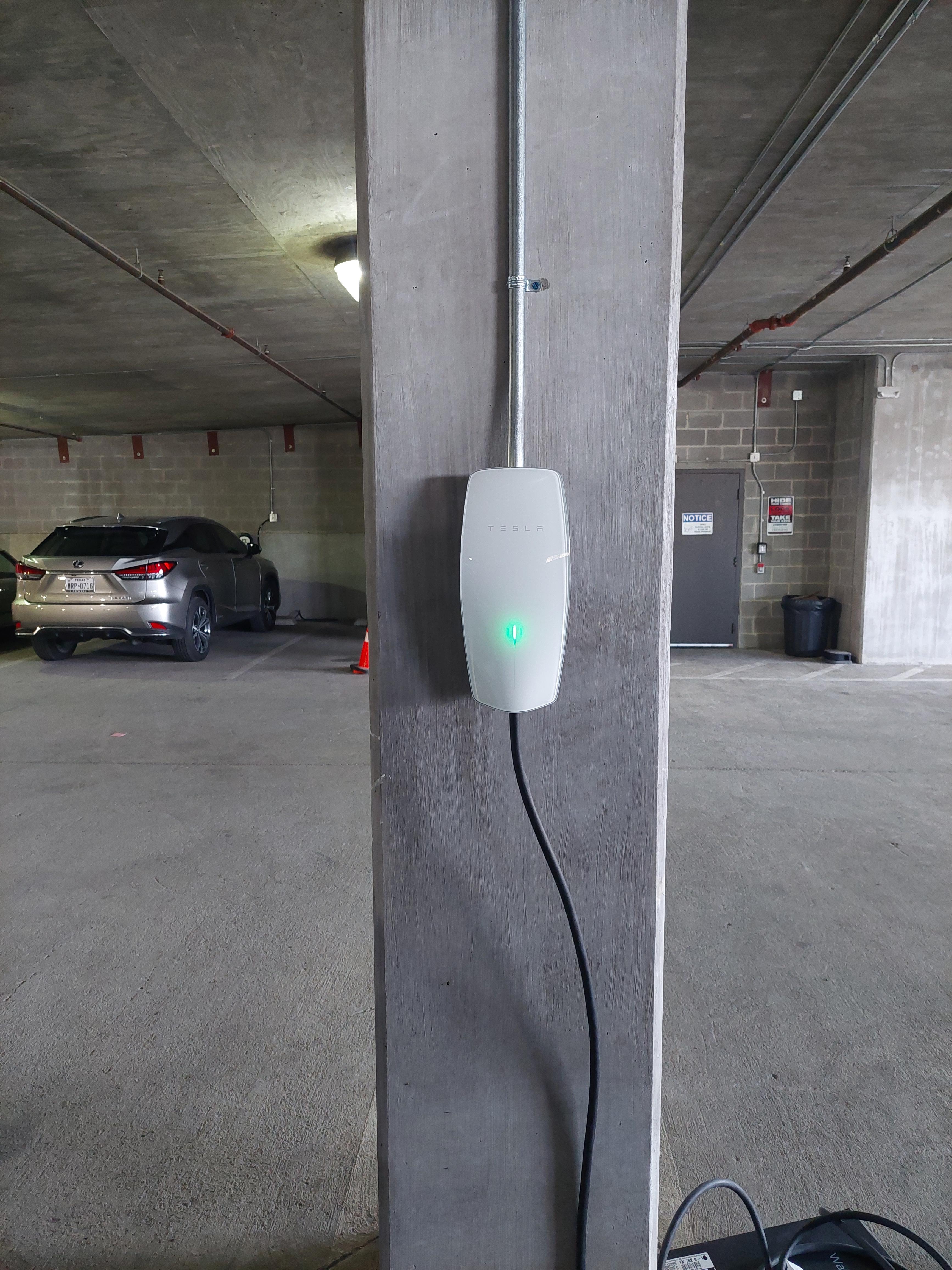
Installing EV chargers and access control systems requires specialized foundations. These installations must handle various loads and provide reliable grounding. Grounding and bonding are critical to prevent electrical hazards. Involving professionals who understand the local terrain and electrical requirements ensures that your installation is both safe and efficient. This tailored approach helps in not only meeting regulations but also exceeding them for enhanced safety.
Security Camera Pole Installations
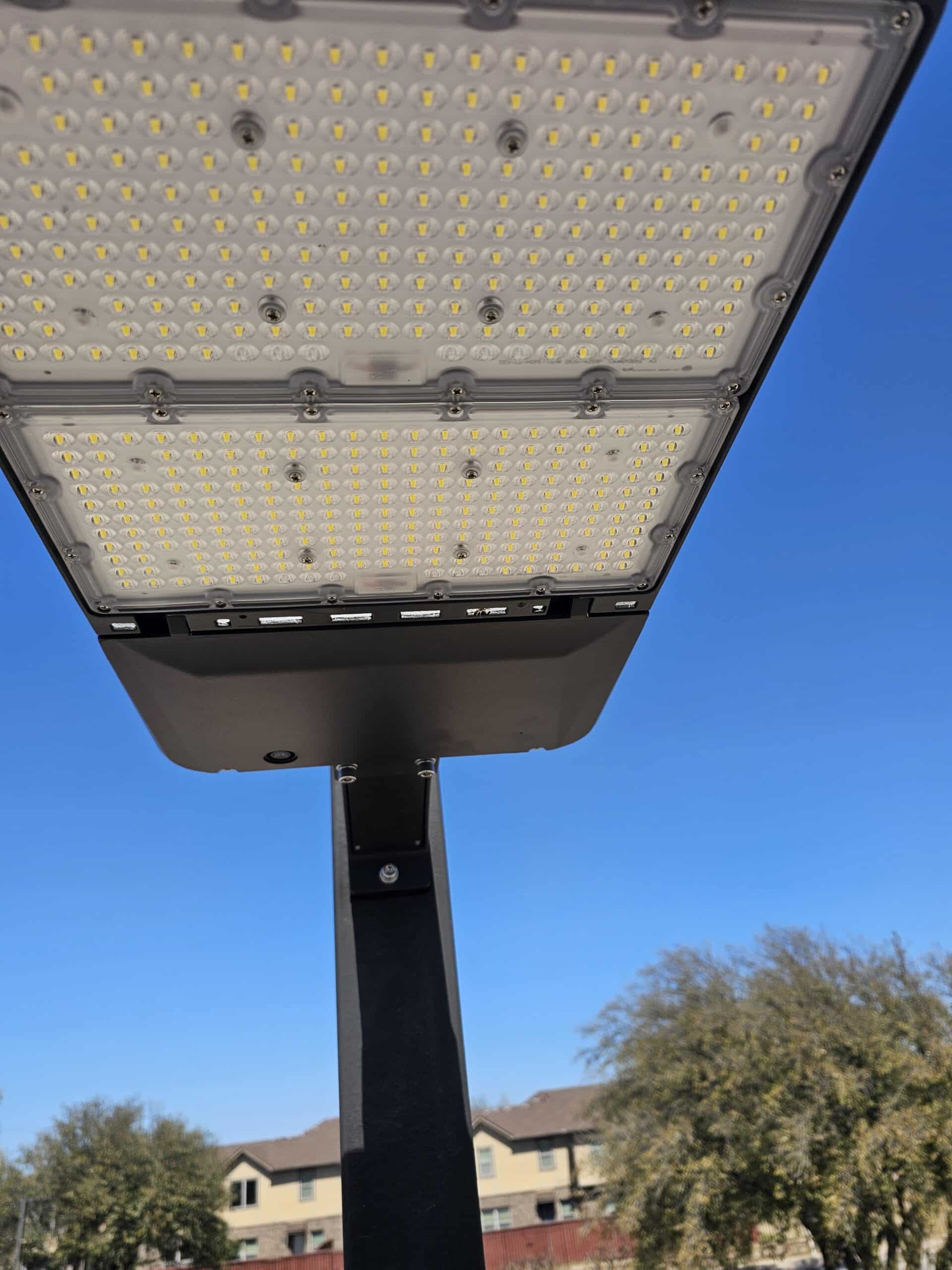
For security camera installations, the focus is on height and stability. Camera poles must be able to withstand high winds while maintaining a clear line of sight. Pole base design in North Texas often involves deeper foundations with reinforced steel, ensuring stability in adverse weather conditions. This ensures that your cameras remain functional and effective, providing continuous security coverage.
Comprehensive Site Surveys and Utility Coordination
Before any installation, a comprehensive site survey is crucial. This identifies potential obstacles and ensures compatibility with existing utilities. Proper utility coordination prevents accidental damage to underground lines and ensures that your foundation is placed optimally. Collaborating with local experts on a site survey and utility locate ensures that your project runs smoothly and without unexpected interruptions.
Frequently Asked Questions
What foundation is best for an EV charger installation in Plano?
The best foundation for an EV charger in Plano depends on soil conditions and charger type. Concrete pads are common for stable soil, while helical piers are preferred for areas with less stable ground conditions.
How do I ensure my installation complies with local codes?
Working with local professionals familiar with Plano and Dallas regulations is crucial. They can provide stamped plans and guide you through the permitting process, ensuring compliance with all necessary codes.
Why is soil consideration important for foundations?
Different soil types affect how a foundation supports weight. Understanding soil conditions helps in choosing the right foundation type, preventing future issues like sinking or shifting.
What are the benefits of using bollards around EV chargers?
Bollards protect EV chargers from vehicle impacts by serving as a physical barrier. They enhance safety and prevent potential damage to the charging station.
How often should I update my security camera poles?
Regular maintenance and updates are recommended to ensure optimal performance. Upgrading components as needed keeps your system reliable and effective.