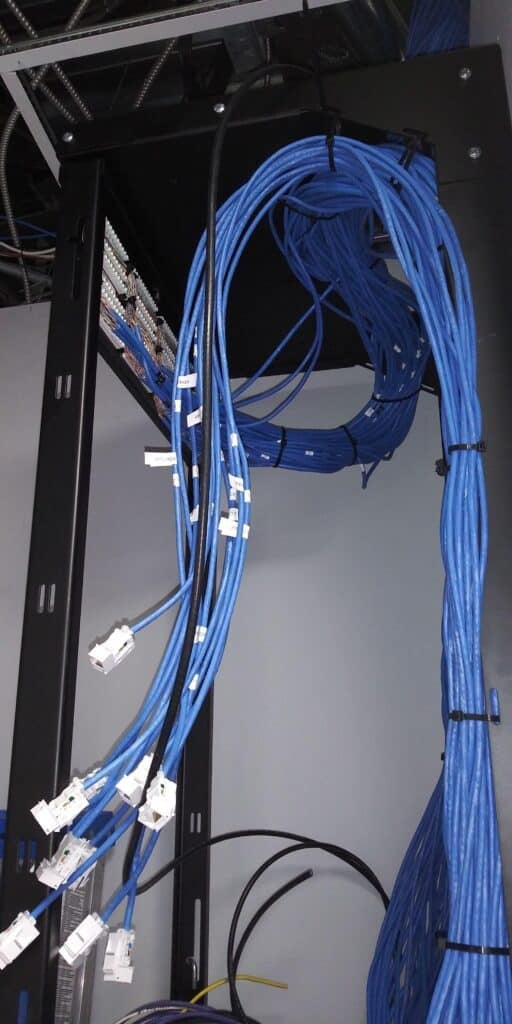
Most smart security systems lean heavily on Wi-Fi, but that approach often falls short when it matters most. Drops in video quality, blind spots, and unreliable alarms can leave your home or business exposed. Purpose-built low voltage cabling like Cat6 wiring and fiber backbone delivers steady uptime, sharper footage, and room to grow—making it the real backbone of smart security systems in Plano and North Dallas. Learn more about low-voltage cabling and its benefits for modern business communication.
Importance of Low-Voltage Cabling
Enhancing Smart Security Systems
Low-voltage cabling is essential for enhancing the performance of smart security systems. Unlike Wi-Fi, which can be unreliable, low-voltage cabling like Cat6 provides consistent connectivity. This means your security cameras and alarms maintain high-quality performance without the interruptions that often plague wireless solutions. By ensuring stable connections, low-voltage cabling supports the seamless operation of your security system, keeping your property safe.
Low-voltage cabling delivers reliable video quality and reduces the risk of missed alerts. Security footage remains clear and uninterrupted, allowing for better monitoring and quicker response times. This dependable infrastructure is crucial in areas like Plano and North Dallas, where security concerns are paramount. Moreover, structured cabling systems can be easily upgraded or expanded, providing flexibility as your security needs evolve.
Benefits Over Wi-Fi Solutions
Structured cabling offers significant advantages over Wi-Fi-based security systems. First and foremost, it minimizes downtime associated with wireless interference. Unlike Wi-Fi, which can experience signal drops, cabling ensures a stable connection at all times. This stability is critical for functions like real-time video surveillance and alarm notifications.
Additionally, low-voltage cabling supports higher data transfer rates. This results in clearer video streams and faster alert processing, essential for effective security management. The increased bandwidth also allows for the integration of more devices without compromising performance. This scalability is a key advantage for both residential and commercial properties in areas like Plano.
Key Components of Structured Cabling
Advantages of Cat6 and Fiber
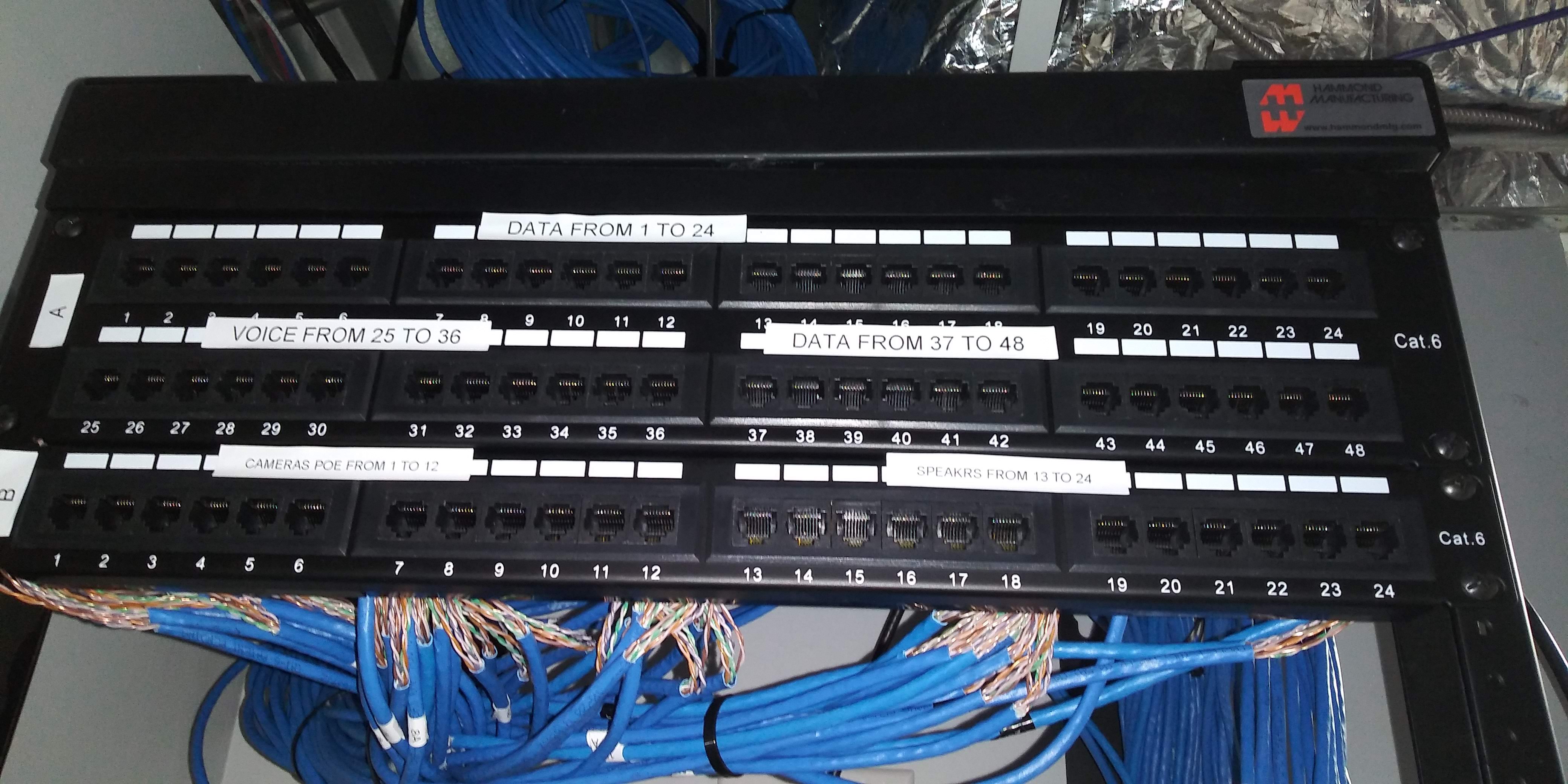
Cat6 and fiber optic cables are the backbone of a robust structured cabling system. Cat6 cables are known for their ability to support high-speed data transfer, making them ideal for security applications. They provide the necessary bandwidth for HD video and audio, ensuring that your security system functions smoothly and efficiently.
Fiber optic cables offer even greater speeds and reliability. They are immune to electromagnetic interference, a common issue with copper wiring. This makes fiber optics a preferred choice for areas with high electronic activity. Both Cat6 and fiber optic cables are designed to handle the demands of modern security systems, providing a future-proof solution that can grow with your needs.
Role of PoE Cameras and Access Control
Power over Ethernet (PoE) cameras and access control systems are integral to structured cabling. PoE technology allows both data and power to be transmitted over one cable, simplifying installation and reducing costs. This is particularly useful for security cameras, which can be placed in optimal locations without the need for nearby power outlets.
Access control systems benefit significantly from structured cabling. Reliable cabling ensures that doors and entry points are secured at all times, providing peace of mind for property owners. With the integration of PoE, these systems become more efficient and easier to manage, enhancing overall security.
Planning and Installing Cabling
Meeting Code and Performance Standards
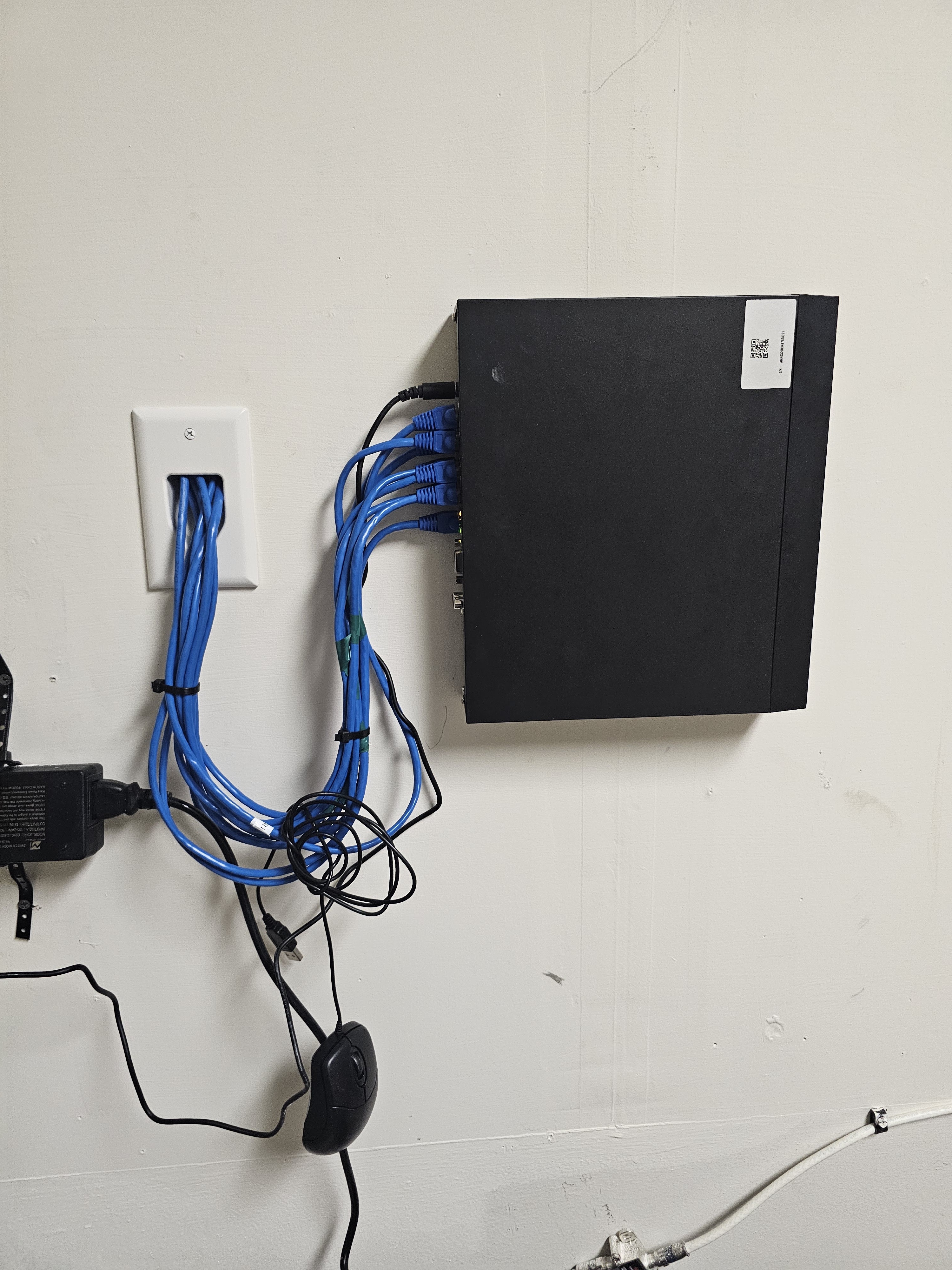
When planning and installing structured cabling, meeting code and performance standards is crucial. Compliance ensures that your security system is safe and reliable. It also protects you from potential legal and liability issues. Proper installation involves adhering to local building codes and industry standards, which dictate the best practices for cabling.
Working with professionals who understand these standards is essential. They can design and implement a system that not only meets current requirements but also anticipates future needs. This proactive approach helps avoid costly modifications down the line and ensures that your security system remains robust and compliant.
Maintenance Tips for Longevity
Regular maintenance is key to the longevity of your structured cabling system. Routine inspections can identify wear and tear before it leads to system failures. Cleaning connections and checking for physical damage ensures that your cables remain in good condition.
It’s also important to update your system components as needed. Technology evolves rapidly, and upgrading to newer cabling standards or equipment can enhance performance. By staying proactive with maintenance and updates, you can ensure that your security system continues to operate at peak efficiency.
Frequently Asked Questions
What is low-voltage cabling, and why is it important?
Low-voltage cabling refers to wiring systems that operate at lower voltages than standard electrical systems. It’s important for smart security systems because it provides reliable, high-speed connectivity, ensuring stable performance for devices like cameras and alarms.
How does structured cabling improve security system performance?
Structured cabling improves performance by providing a stable and interference-free connection. This results in clearer video footage, faster data transfer, and a more reliable overall system compared to wireless solutions.
Can structured cabling be upgraded easily?
Yes, structured cabling is designed to be flexible and scalable. It can be easily upgraded or expanded to accommodate new devices or increased security needs, making it a future-proof solution for both homes and businesses.
What are the benefits of using PoE technology in security systems?
PoE technology allows both data and power to be transmitted over a single cable, reducing installation costs and complexity. It enables flexible placement of cameras and access control systems without the need for nearby power sources.
Why should I choose fiber optic cables for my security system?
Fiber optic cables offer superior speed and reliability compared to traditional copper wiring. They are less susceptible to interference and can support higher data transfer rates, making them ideal for demanding security applications.