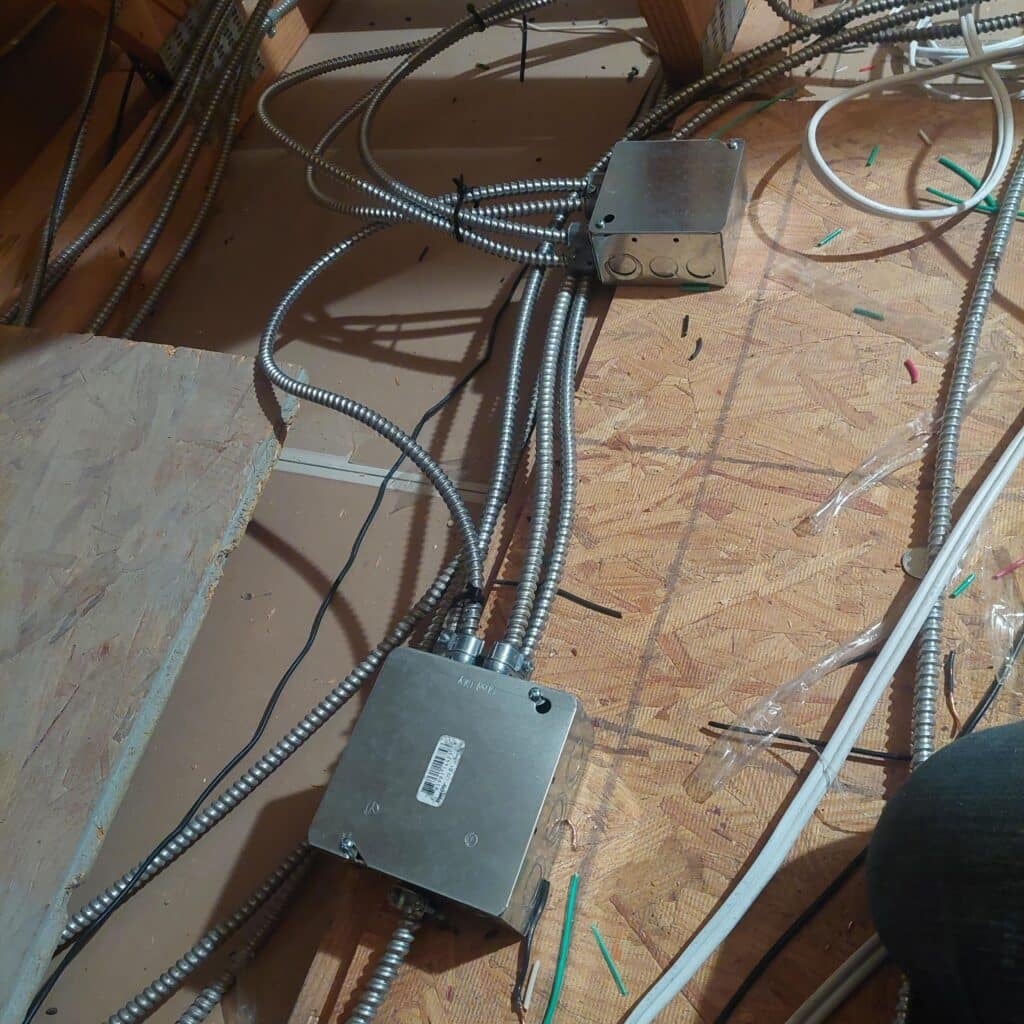
Low-voltage wiring often flies under the radar until a camera feed goes dark or a door won’t unlock. Yet the quality of your security camera cabling and access control wiring directly shapes how clear your footage is and how reliably your doors operate. In Plano, knowing the right cable types, managing PoE voltage drop, and following NEC low-voltage code can make all the difference between constant uptime and frustrating downtime. Let’s explore why this wiring is the backbone of your security setup. For more insights, you can read about low-voltage systems for commercial security here.
Importance of Low-Voltage Wiring
Low-voltage wiring is critical in ensuring your security systems work well. It impacts everything from camera clarity to door operations, maintaining system uptime. Let’s dive into the specifics.
Impact on Camera Image Quality
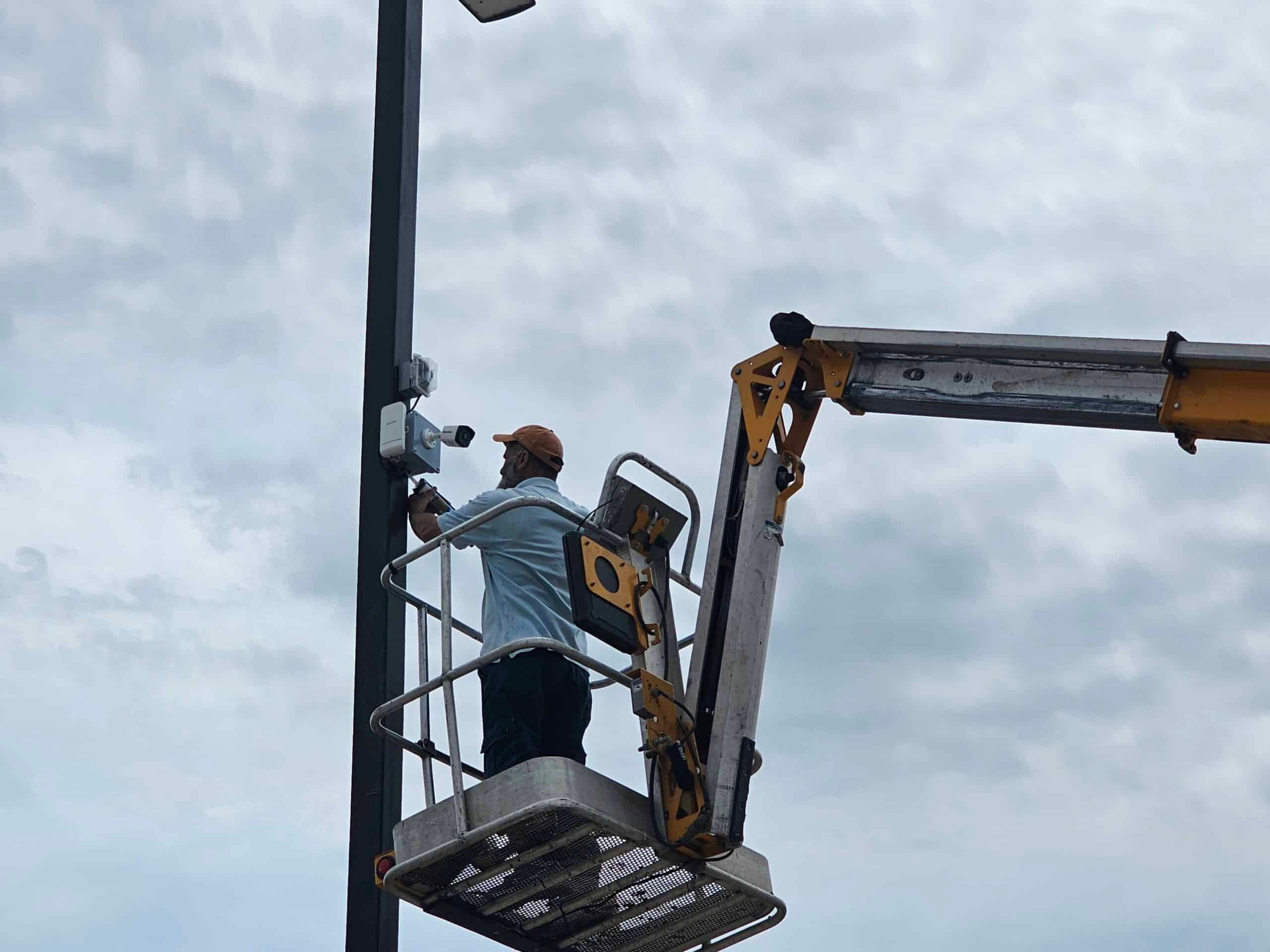
Clear security footage is essential. The right wiring ensures your cameras provide crisp images. Poor quality cables can lead to blurred or distorted images. Using proper security camera cabling is vital. High-quality cables like Cat6 PoE improve the signal strength, making sure your footage is clear. Proper wiring also reduces the risk of image freezing. This way, you capture every detail without interruption.
Ensuring Door Reliability and Safety
Reliable door access helps keep your property secure. Access control wiring plays a key role. It ensures your doors lock and unlock smoothly. Using the right type of cables and following building codes can prevent malfunctions. Properly wired door strike and maglock systems ensure your doors function safely and reliably. This is crucial for both home and business security.
Maintaining System Uptime
System downtime can leave you vulnerable. Low-voltage wiring helps maintain continuous security system uptime. By managing voltage drop and using the right cables, you ensure your systems stay online. This means fewer disruptions and better protection. Maintaining your system’s uptime is crucial for peace of mind.
Key Factors in Low-Voltage Design
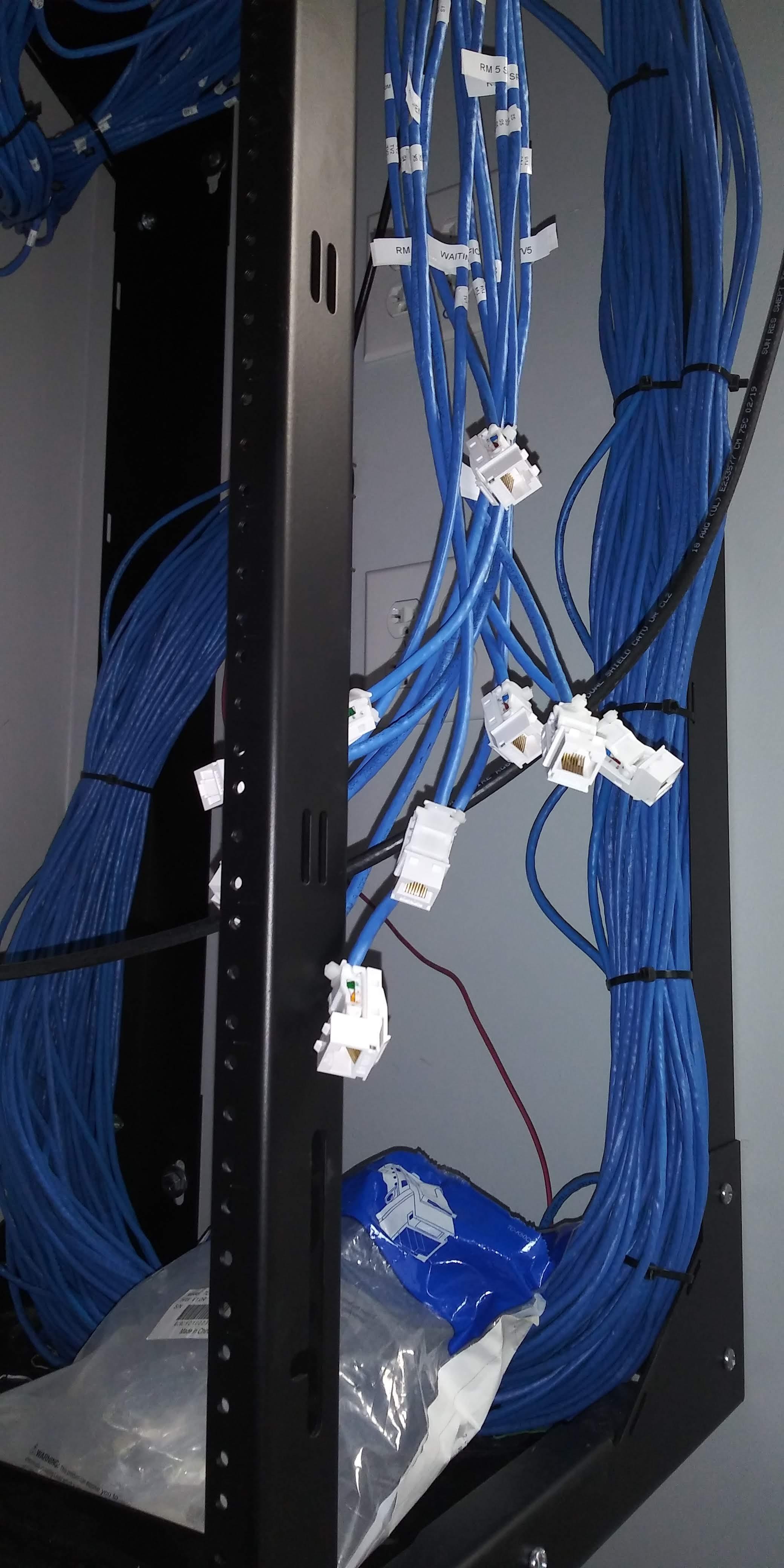
Designing a low-voltage system involves several key considerations. Understanding these can help optimize your security setup.
Understanding PoE Loads and Voltage Drop
Power over Ethernet (PoE) is a game-changer for security systems. It powers devices like cameras through network cables. However, it’s important to manage voltage drop. Long cable runs can lead to power loss, affecting device performance. Calculating the correct PoE load ensures your devices receive enough power. This keeps your system running smoothly.
Cable Type and Distance Limitations
Choosing the right cable type is crucial. Different cables have varying distance limitations. For example, Cat6 cables work well for longer runs without losing signal quality. Using the wrong cable can result in poor performance. It’s important to adhere to distance limitations to ensure optimal system function.
Managing Interference and Grounding
Interference can disrupt your security systems. Managing interference and proper grounding is key. Shielded cables help reduce noise from other electronic devices. Grounding prevents electrical surges from damaging your equipment. Proper management ensures your system operates without disruption.
Benefits of Professional Assessment
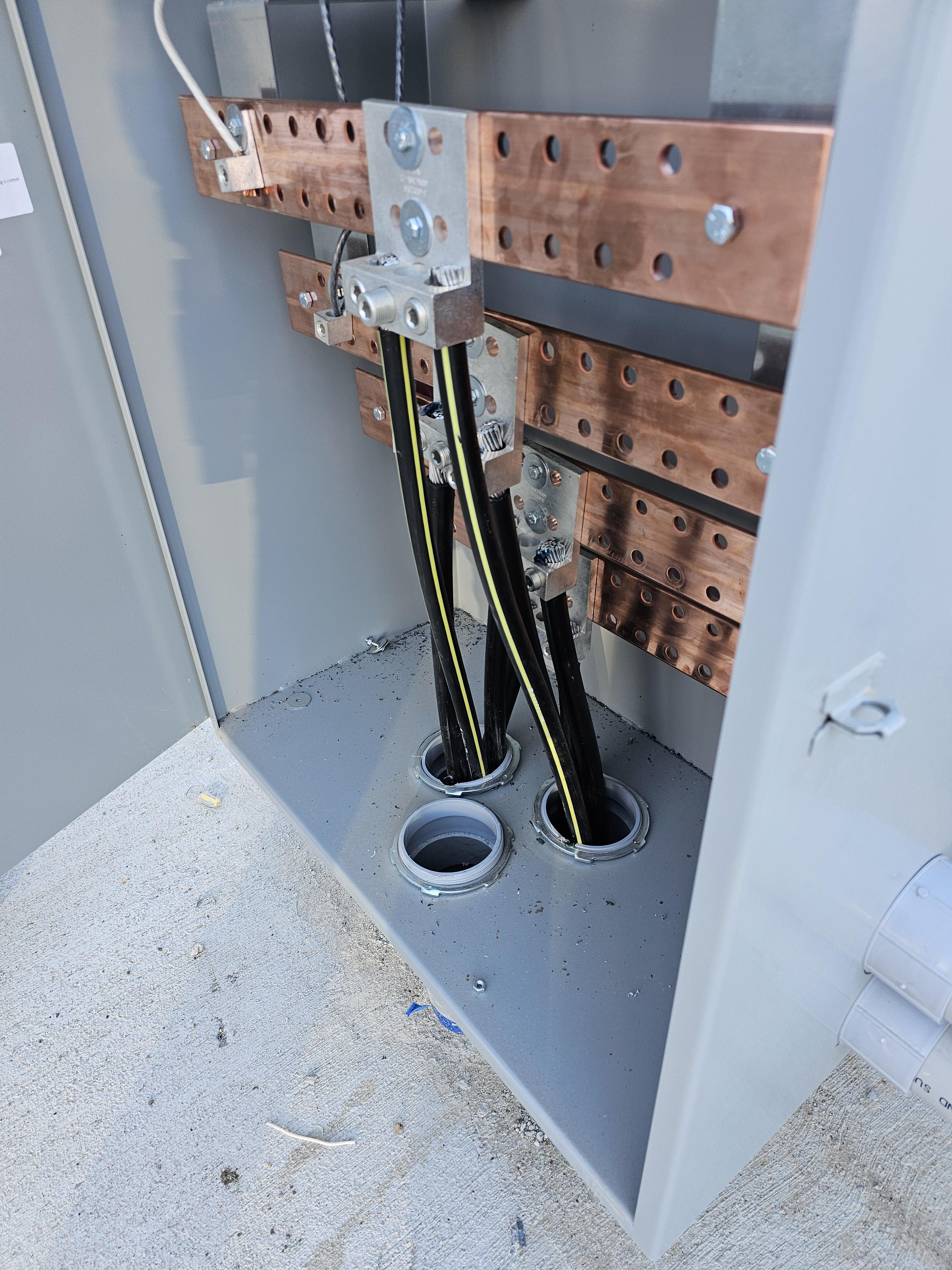
A professional assessment can enhance your security system’s reliability. It ensures your setup is compliant and optimized.
Surge Protection and Code Compliance
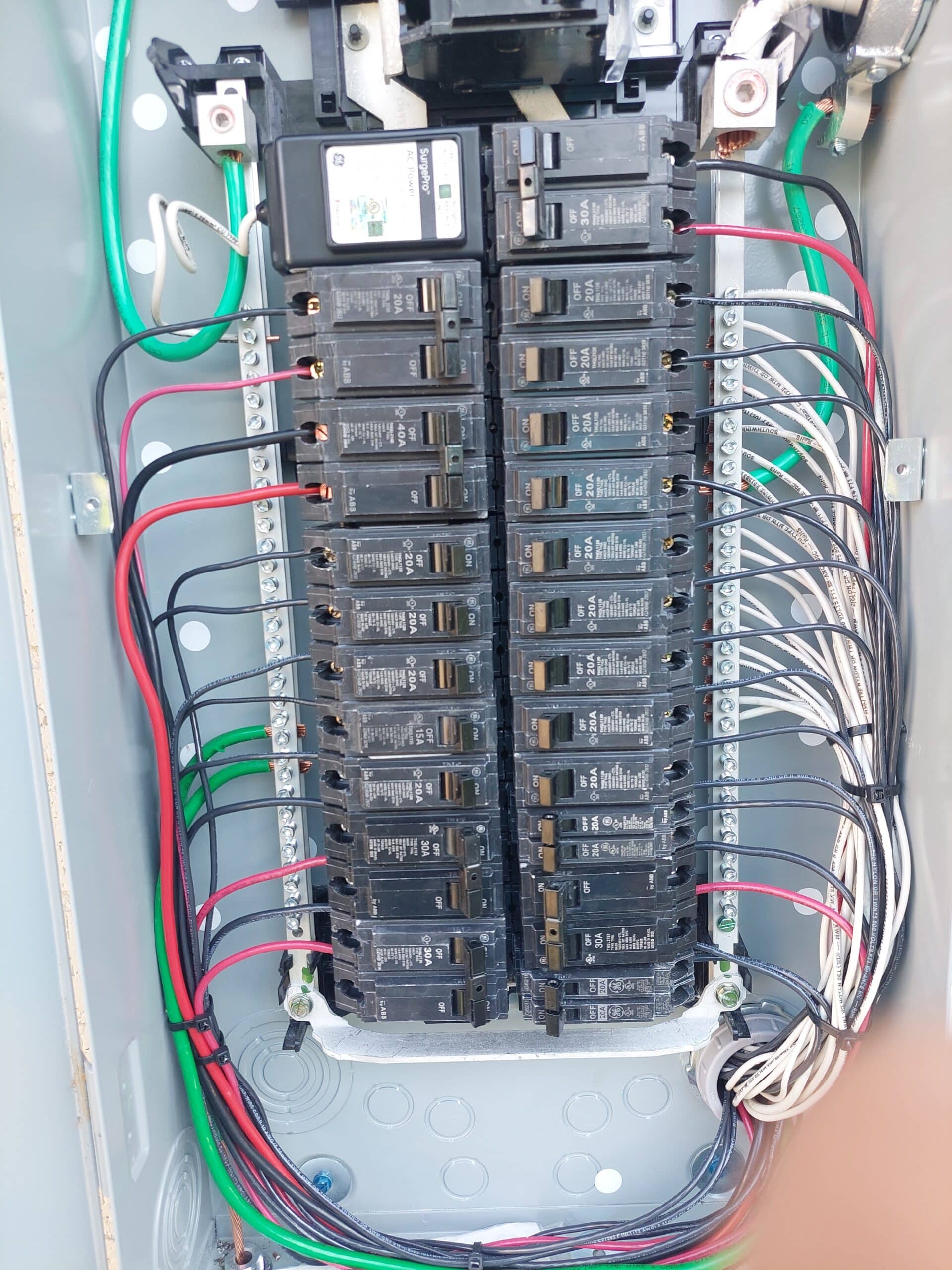
Protecting your system from surges is important. Surge protection for cameras prevents damage from electrical spikes. Following NEC low-voltage code ensures your setup is safe and compliant. Professionals can identify potential hazards and provide solutions.
Structured Cabling and Conduit Solutions
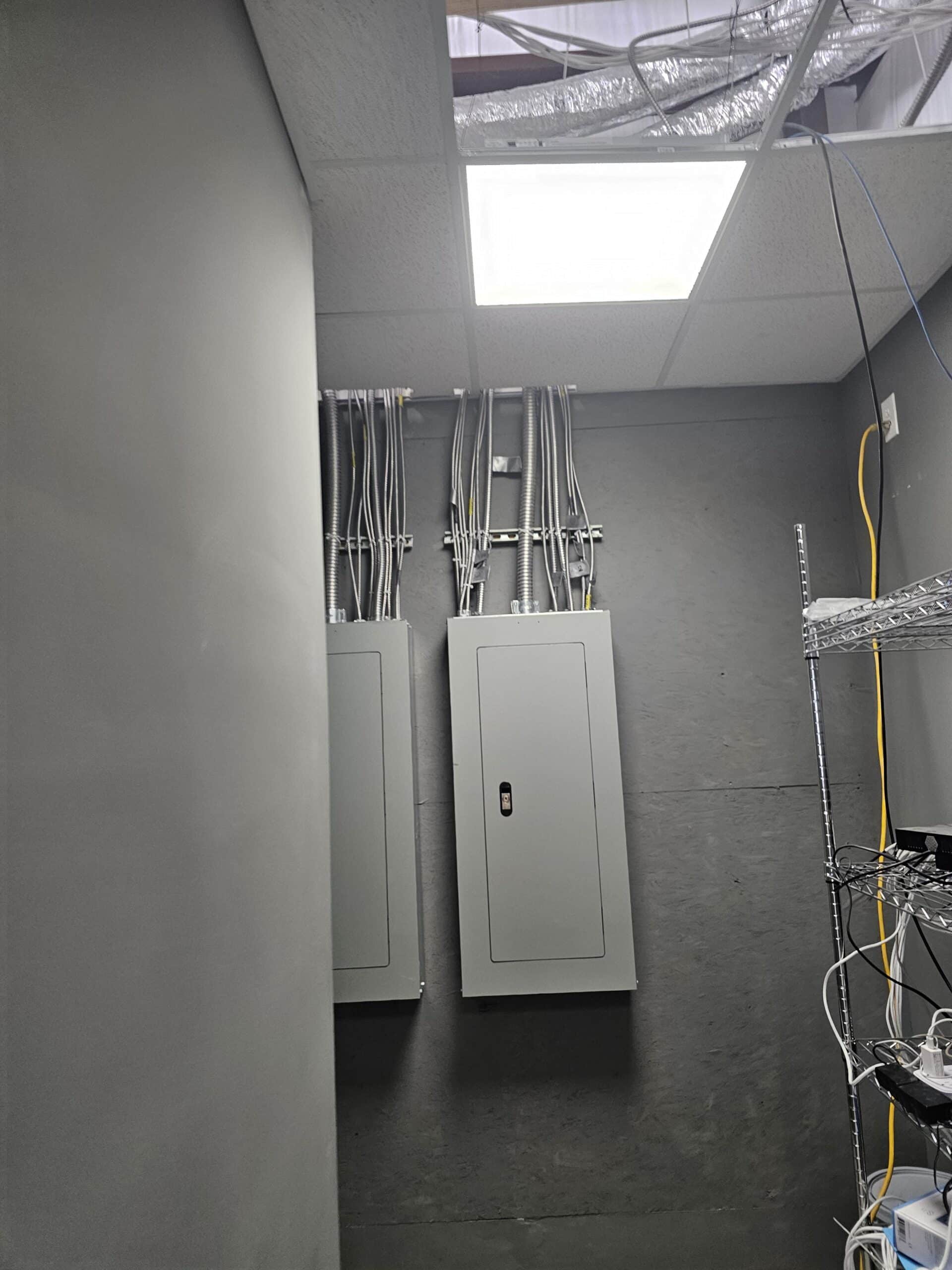
Structured cabling provides a neat, efficient setup. It simplifies future upgrades and maintenance. Conduit and raceway solutions protect your cables from physical damage. This ensures longevity and reliability of your system.
Smart Security Integration and Testing
Integrating smart security features enhances your system. Testing ensures everything works as intended. This includes integrating cameras, access control, and alarms for a seamless security experience. Professionals can optimize these integrations for maximum efficiency.
Frequently Asked Questions
What is low-voltage wiring?
Low-voltage wiring refers to electrical systems that operate at a lower voltage than standard power lines, commonly used for security systems, telecommunications, and lighting.
Why is PoE important for security systems?
PoE, or Power over Ethernet, allows network cables to carry electrical power, making it easier to install devices like cameras without needing separate power sources.
How do I prevent interference in my security system?
Using shielded cables and proper grounding techniques can help reduce interference from other electronic devices, ensuring your security system operates smoothly.
What is the benefit of structured cabling?
Structured cabling provides a neat and organized network infrastructure, simplifying maintenance and future upgrades while ensuring reliable performance.
How can a professional assessment improve my security system?
A professional assessment ensures your system is optimized, compliant with building codes, and protected against potential hazards like electrical surges.