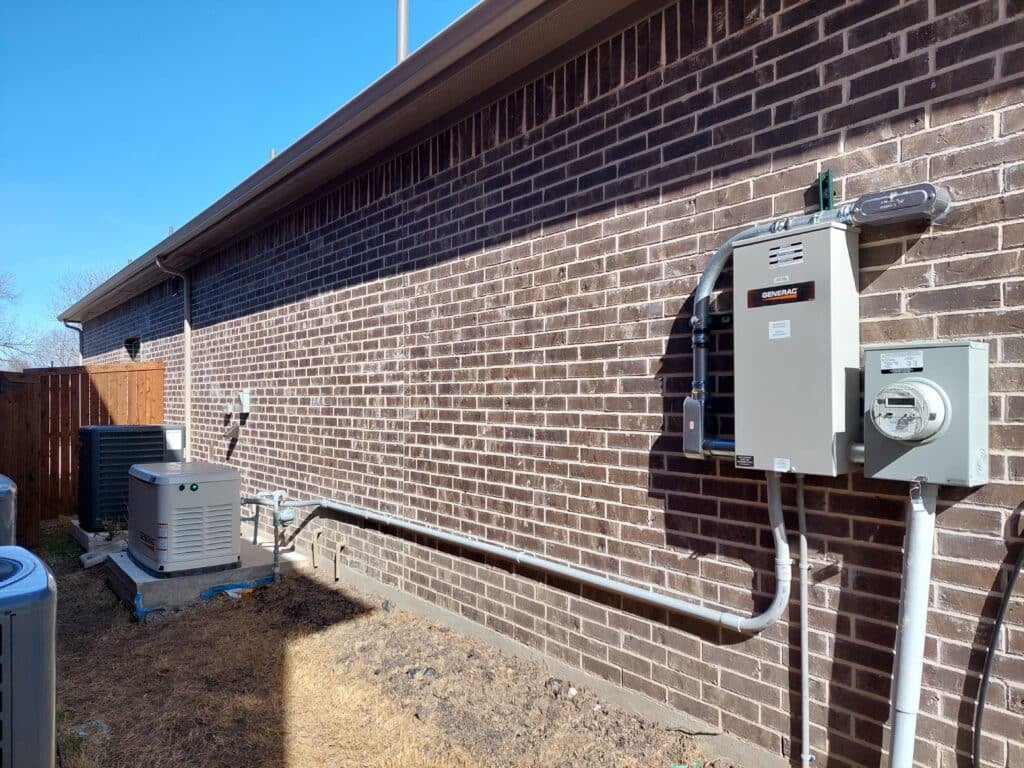
Power outages in North Texas can strike without warning, leaving homes and businesses in the dark when they least expect it. Planning backup power isn’t just about having a generator—it’s about matching your needs with the right system to keep critical circuits running smoothly. This practical guide covers everything from load calculations to transfer switch installation, helping you make smart choices before the next ERCOT outage hits. For more detailed guidance, you can explore our comprehensive guide.
Understanding Backup Power Needs
Right-Sizing Your Load
Before choosing a backup system, you need to know your power needs. Calculate the total wattage of essential appliances and systems you want to keep running during an outage. This includes refrigerators, lights, and any critical medical equipment. Next, consider peak usage times. This helps ensure your system can handle sudden surges without failing.
Right-sizing means balancing your load needs with your backup system’s capacity. If you choose a system that’s too small, you risk overloading it. On the flip side, an oversized system can be unnecessarily expensive. Use a wattage calculator or consult a professional to determine the right size for your needs.
Comparing Generator and Battery Options
Choosing between a generator and a battery backup depends on your specific needs. Generators, especially those running on natural gas or propane, provide more power for longer durations. They’re ideal for larger homes or businesses that need to run many devices simultaneously.
Battery backups are quieter and environmentally friendly. They’re great for smaller setups or when noise is a concern. Batteries can also charge from solar panels, offering a sustainable energy solution. Consider your local climate, typical outage duration, and budget before deciding on the best option.
Evaluating Transfer Switches
The transfer switch is the heart of your backup power system. It connects your generator or battery to your home’s electrical system, allowing for a smooth transition during an outage. Manual switches are less expensive but require you to be present to operate.
An automatic transfer switch, though pricier, offers convenience. It detects power loss and switches to the backup source without your intervention. This is crucial for businesses or homes where power continuity is critical. Choose a switch that fits your needs and budget, ensuring it can handle your full power load.
Planning and Implementation Steps
Budgeting for Backup Power Solutions
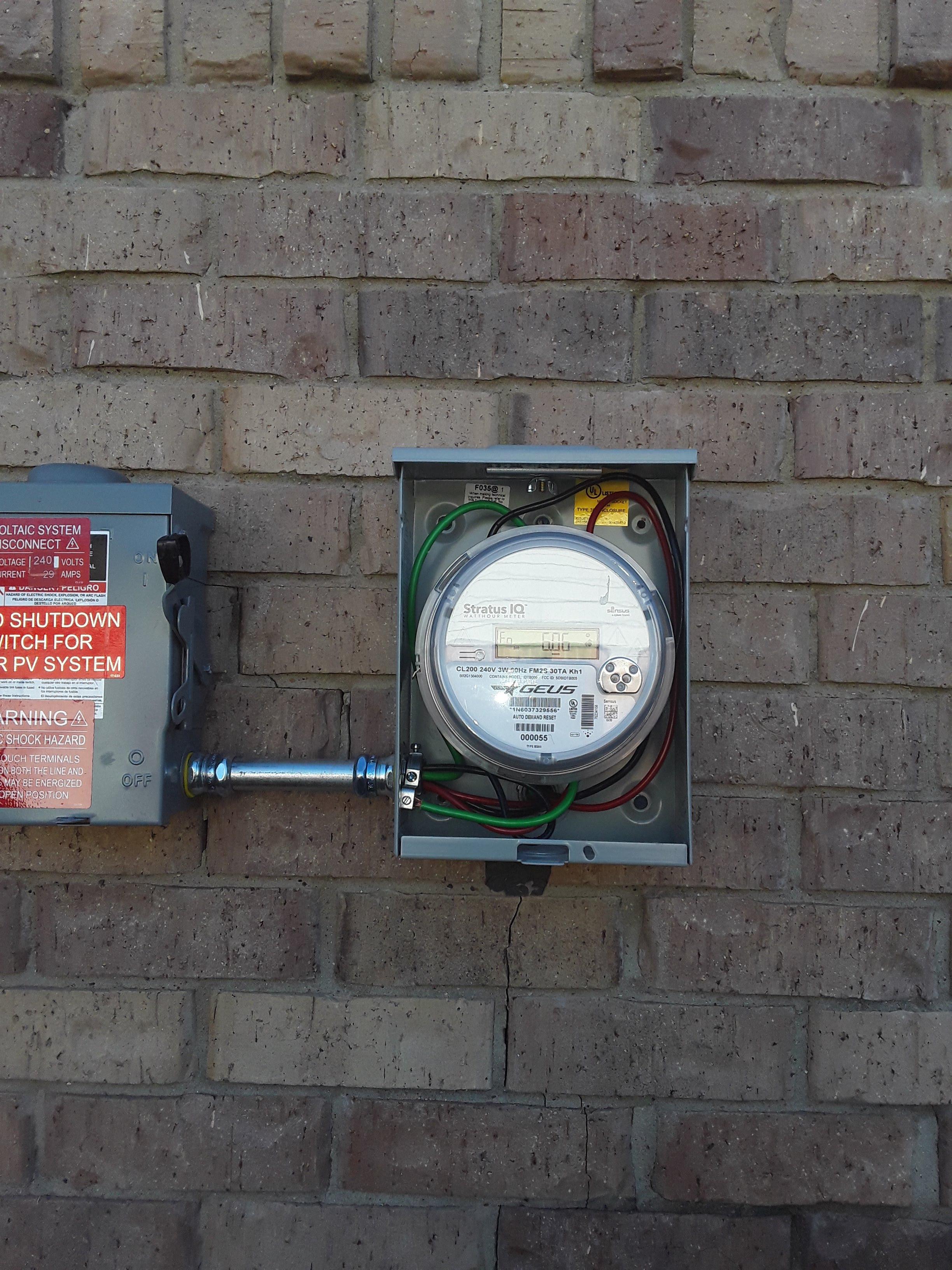
Budgeting is a crucial step in backup power planning. Start by estimating the total cost, including equipment, installation, and maintenance. Look for rebates or incentives that might be available in your area, such as the Texas Energy Fund.
Consider future costs, too, like fuel for generators or replacement batteries. Create a realistic budget that covers both upfront and ongoing expenses. This way, you’re prepared for the long-term commitment that backup power requires.
Navigating Permits and Regulations
Securing the right permits is essential before installation. Different areas have different regulations, so check with your local authority to understand what’s needed. You’ll likely need permits for both the electrical work and the generator installation.
Familiarize yourself with noise regulations, especially if you’re in a residential area. A professional installer can help navigate these requirements, ensuring compliance and avoiding potential fines or delays.
Ensuring Safety and Maintenance
Safety should always be a top priority. Regular maintenance of your backup system is crucial for reliable performance. Set up a schedule for testing and servicing your generator or battery system. This includes checking fuel levels, battery health, and all connections.
Adhere to the manufacturer’s maintenance guidelines and consider enrolling in a generator maintenance plan for professional assistance. Regular check-ups mean your system remains ready when you need it most.
Professional Assessment and Services
Load Calculation and Site Review
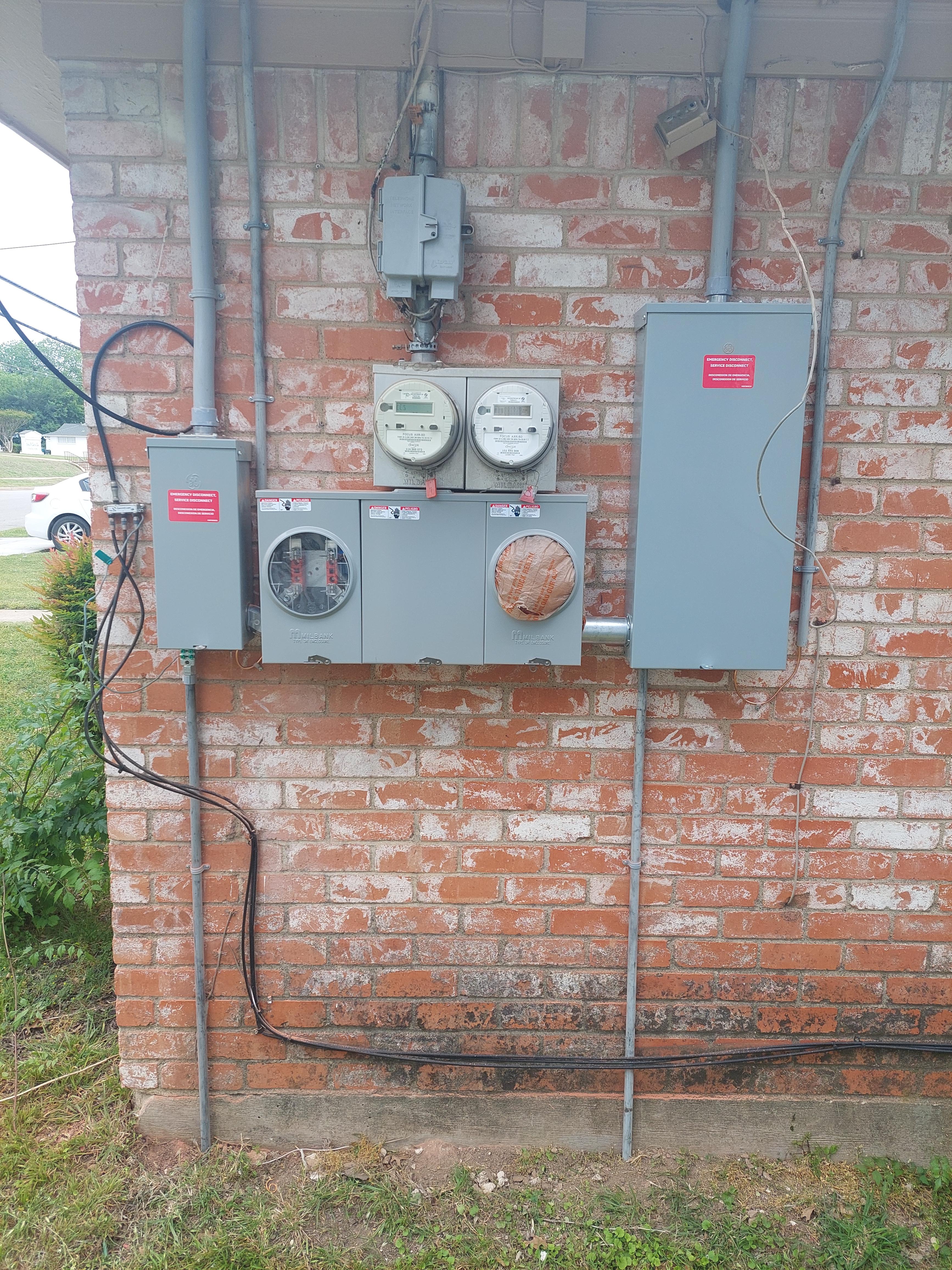
A professional assessment begins with a detailed load calculation. An experienced electrician evaluates your power needs and reviews your site for optimal system placement. This ensures your backup power source is both effective and compliant with local codes.
A site review also identifies any potential challenges, like limited space or difficult access. Addressing these early can save time and money during installation.
Installation and Fuel Coordination
Once you have a clear plan, it’s time for installation. Coordinate with professionals to ensure everything is set up correctly. They handle the technical aspects, from installing the transfer switch to integrating the system with your electrical panel.
Fuel coordination is another key step. For generators, this means securing a reliable fuel source, like natural gas or propane. Proper planning here ensures your system runs smoothly during extended outages.
Long-term Support and Maintenance Plans
A reliable backup power system needs ongoing support. Choose a provider that offers long-term maintenance plans. Regular check-ups keep your system in top shape, identifying any issues before they become critical.
These plans often include inspections, cleaning, and performance testing. Long-term support ensures you’re ready for any power disruptions, providing peace of mind for your home or business.
Frequently Asked Questions
What size generator do I need for my home?
To determine generator size, calculate the total wattage of all essential devices you want to power during an outage. Consider peak usage times. Consulting with a professional can help ensure accuracy.
How often should I maintain my backup power system?
It’s recommended to service your backup power system annually. Regular maintenance includes checking connections, testing performance, and ensuring fuel levels or battery health are optimal.
Do I need a permit to install a generator?
Yes, most areas require permits for generator installation. Check with local authorities to understand specific requirements. A professional installer can assist with obtaining necessary permits.
Can I install a battery backup with solar panels?
Yes, battery backups can integrate with solar panels. This setup provides a sustainable energy solution, allowing you to store solar energy for use during outages.
What’s the difference between a manual and automatic transfer switch?
A manual transfer switch requires you to activate it during an outage. An automatic transfer switch detects power loss and switches to your backup source without intervention, offering greater convenience.