Trying to install cameras, alarms, and cabling without a clear plan usually leads to costly rework and headaches down the line. Many Plano property owners overlook how coordinating these systems upfront can save time, meet code, and improve reliability. This guide will walk you through practical steps to plan your security and electrical wiring together, so your investment in Dallas security cameras and low-voltage wiring pays off the first time.
Essential Planning Steps
Start by understanding the essential steps for planning your security and electrical systems. A detailed approach will save you time, money, and stress in the long run.
Assessing Property Needs
Identifying what your property requires is the first step. Walk through your property and note areas needing surveillance and alarm systems. Consider entry points, high-traffic areas, and vulnerable spots. Knowing these details helps in choosing the right type of cameras and sensors. Don’t forget to account for lighting conditions; some cameras perform better in low light. By understanding your property’s specific needs, you ensure that each system is placed for maximum effectiveness.
Creating a Unified Design
A unified design integrates all systems seamlessly. Begin by mapping out where each element will go. This includes cameras, alarms, and the cabling needed to connect them. Sketching this on a property map can be helpful. The goal is to create a layout that minimizes cable lengths and avoids interference. This step is crucial for ensuring that your systems work together smoothly. A well-thought-out design prevents future hiccups and enhances system reliability.
Budgeting and Cost Management
Budgeting is not just about the initial purchase; consider long-term costs as well. Start by getting quotes for equipment and installation. Factor in maintenance and potential upgrades. Remember, quality equipment might cost more upfront but saves money on repairs and replacements over time. Managing costs effectively involves setting aside a contingency fund for unexpected expenses. This financial foresight ensures your project stays on track and within budget.
Integrating Systems Effectively

Effective integration is key to a reliable security setup. This section helps you choose and connect the right components for a seamless system.
Choosing the Right Equipment
Selecting the right equipment is crucial. Invest in high-quality cameras and alarms, which provide better performance and durability. Look for features like night vision and motion detection in cameras. For alarms, prioritize models with easy-to-use interfaces and reliable connectivity. Compatibility is another important factor, ensuring all parts work together without technical glitches. The right equipment choice supports a robust, reliable security network.
Structured Cabling Solutions
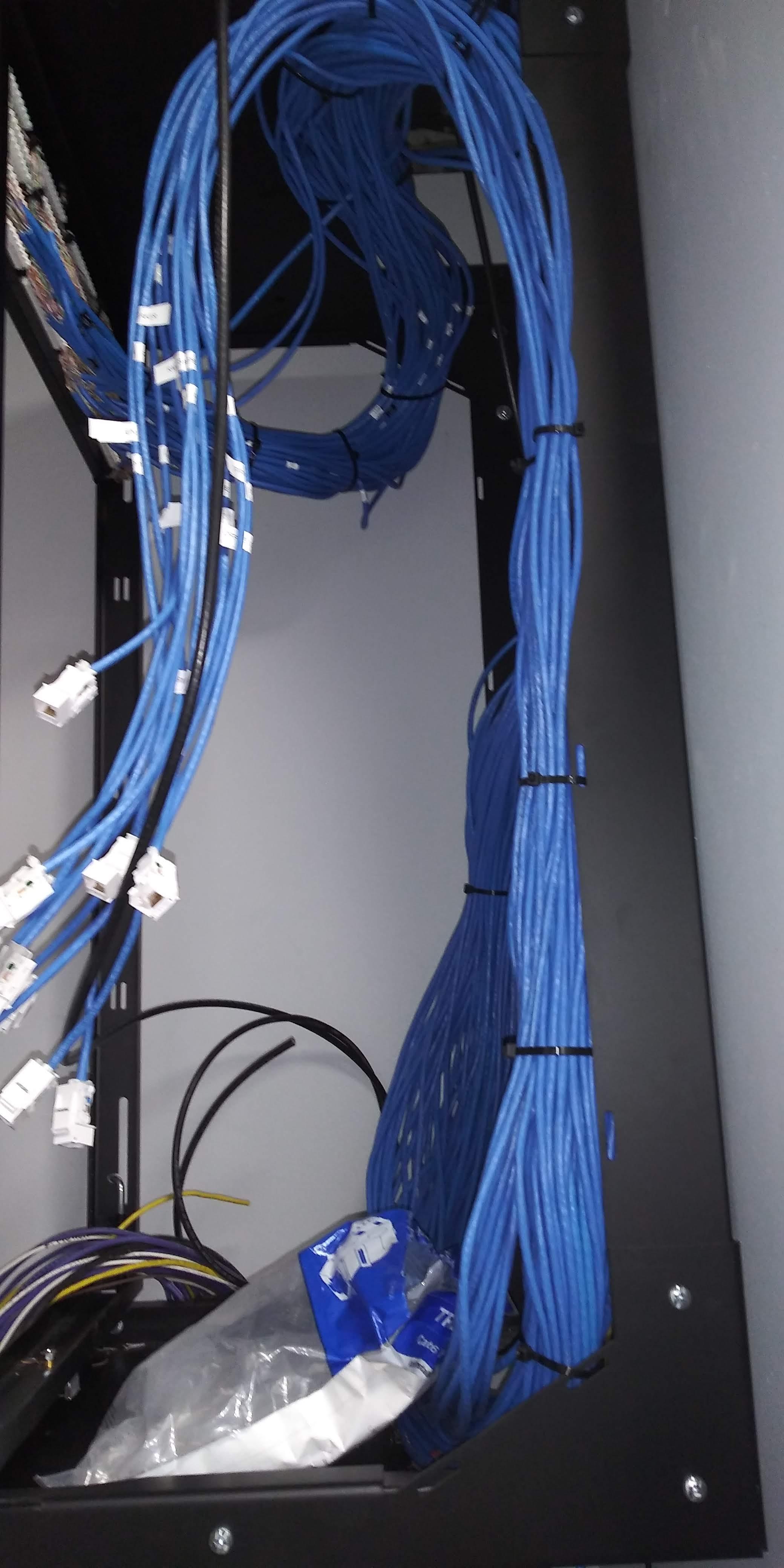
Structured cabling is the backbone of your system. It involves organizing cables to support current and future needs. Consider using Cat6 wires, known for their reliability and speed. This type of cabling supports PoE cameras, reducing the number of cables needed. Planning your cabling layout carefully ensures easy access for maintenance and upgrades. A structured system avoids messy tangles and simplifies troubleshooting down the line.
Ensuring Code Compliance
Following code requirements is non-negotiable. Ensure all installations meet local electrical and safety codes. Hiring a professional Plano electrician can help navigate these regulations. They ensure your setup is safe and compliant, reducing legal risks. Regular inspections verify that all systems remain up to code. Compliance is key to maintaining a secure, worry-free environment.
Long-term Maintenance and Support
Maintaining your systems over time is vital. This section covers essential practices for keeping everything running smoothly.
Routine System Testing
Regular testing is essential for system reliability. Schedule checks at least twice a year to confirm everything works correctly. This includes testing cameras, alarms, and cabling connections. Address any issues immediately to prevent system failures. Routine testing helps catch small problems before they become big ones, ensuring ongoing security and peace of mind.
Upgrades and Future-Proofing
Technology evolves rapidly, and your security system should too. Plan for upgrades by choosing equipment that supports future technologies. Regularly review your systems and assess new features that could enhance security. This keeps your system current and effective, protecting against emerging threats. Future-proofing your setup ensures it remains valuable and relevant over time.
24/7 Emergency Services
Emergency services provide peace of mind when things go wrong. Ensure you have access to 24/7 support from your provider. This guarantees immediate help for system failures or security breaches. Knowing you can reach out anytime offers reassurance and protects your property at all hours. Reliable emergency services are a crucial part of any security strategy.
Frequently Asked Questions
What are the key factors in assessing property needs for security systems?
Understanding entry points, high-traffic areas, and lighting conditions are crucial. This helps determine the right placement for cameras and alarms, ensuring maximum coverage and effectiveness.
How can I ensure my security systems remain up-to-date?
Regular reviews and planning for technology upgrades help keep your systems current. Investing in equipment that supports future enhancements is also key to maintaining an effective security setup.
Why is structured cabling important for security systems?
Structured cabling ensures organized and efficient connections, supporting both current and future needs. It simplifies maintenance and reduces potential for system failures.
How often should security systems be tested?
It’s recommended to test security systems at least twice a year. Regular checks confirm that all components work correctly and help catch issues early.
What should I look for in emergency service providers?
Choose providers that offer 24/7 support to ensure immediate help during system failures or breaches. Reliable emergency services ensure ongoing security and peace of mind.