Many homeowners and business owners in Plano rush into EV charger installation without checking their panel’s capacity first. That often leads to tripped breakers or overheating circuits, causing frustration and costly fixes. Planning your EV charger install the right way means understanding load calculation NEC standards, picking the proper Level 2 charger, and knowing when a panel upgrade is necessary. This guide will help you add power safely without overloading your electrical system. For more details, visit our website.
Planning Your EV Charger Installation
When setting up an EV charger, understanding your electrical needs is crucial. Let’s explore how to safely install your EV charger without overloading your system.
Understanding Load Calculations NEC
Grasping load calculations is key to a smooth install. The National Electrical Code (NEC) provides guidelines that ensure safety. Here’s what you need to know:
-
Load Calculation Basics: Assess your home’s overall power demand. This involves tallying up all the appliances and devices that draw electricity. It’s important to know your household’s total electricity usage to avoid overloading circuits. For a detailed guide, check out the EPA’s resource on home EV charging.
-
Why It Matters: Incorrect load calculations can lead to serious problems. Imagine your breaker tripping repeatedly or worse, an overheated circuit. Following NEC standards helps prevent these issues. Calculating your load based on NEC standards ensures your install is both efficient and safe.
Evaluating Your Panel Capacity
Before installing an EV charger, evaluate your electrical panel’s capacity. This step is often overlooked but crucial.
-
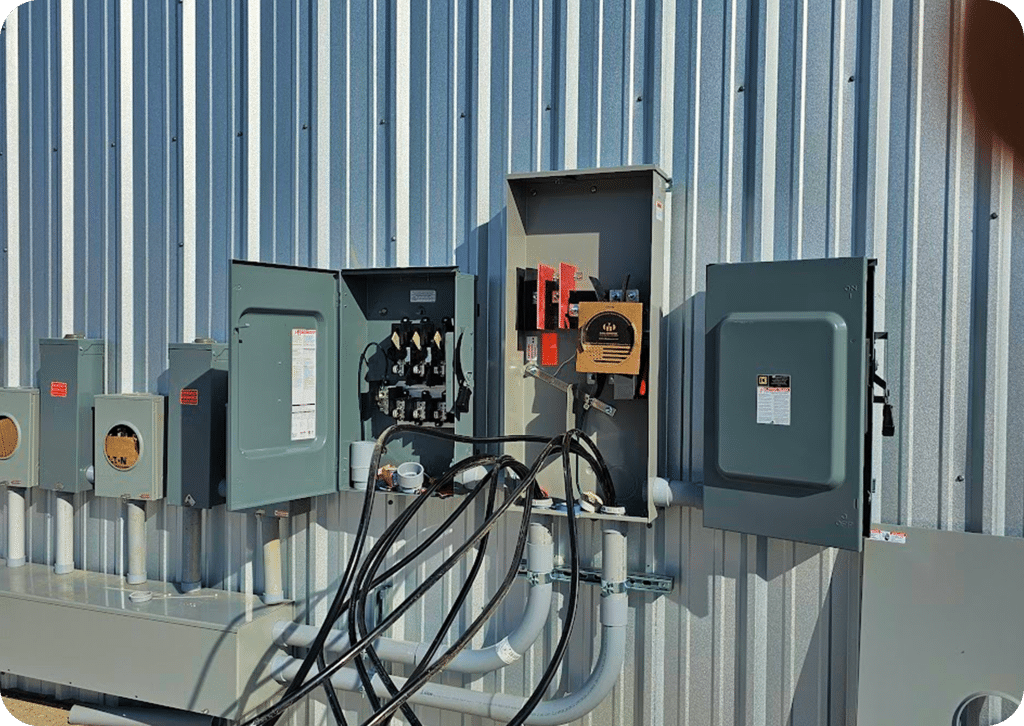
Panel Check-Up: Inspect your current panel to determine if it can handle the new load. Look at the amperage rating. Most homes have panels rated between 100 to 200 amps. If your panel is maxed out, you might need an upgrade. For additional insight, read this Reddit discussion on maxed-out panels.
-
When to Upgrade: If your panel can’t support the new charger, consider upgrading to a 200 amp service. This upgrade supports new appliances and future-proofs your home for additional installations.
Level 1 vs. Level 2 Chargers
Choosing between Level 1 and Level 2 chargers impacts how quickly your EV charges.
-
Level 1 Chargers: These are simple to install and use a standard 120-volt outlet. They are slower, taking about 24 hours to fully charge an EV. They’re ideal for those who drive short distances daily.
-
Level 2 Chargers: These require a 240-volt circuit and charge your vehicle much faster, often in just a few hours. Installation is more complex but worth it for frequent drivers. For a comprehensive comparison, visit J&J Energy’s guide on common installation mistakes.
Navigating Permits and Upgrades
Securing the right permits and knowing when to upgrade your service is vital. Let’s explore these steps to ensure compliance and efficiency.
Permit for EV Charger Plano
Securing a permit for your EV charger in Plano is essential to avoid legal issues. Here’s how you can navigate the process:
-
Why Permits Matter: They ensure your installation meets local safety standards. Without one, you risk fines and safety hazards.
-
How to Get a Permit: Contact your local city office or check their website for specific requirements. It’s often a straightforward process that ensures peace of mind.
Knowing When to Upgrade Service
An upgrade might be necessary for larger households or when adding high-demand devices.
-
Signs You Need an Upgrade: Frequent breaker trips, dimming lights, or a burning smell could signal the need for service upgrade. Upgrading ensures your home can handle increased electrical demands.
-
Benefits of Upgrading: Supports modern appliances, improves safety, and can increase your home’s value. For more details, consider reading CyberSwitching’s complete guide.
Smart Load Management Solutions
Managing your load smartly can optimize power usage and prevent overloads.
-
Load Management Benefits: It balances the energy use among appliances, reducing the risk of overload. Smart systems can even prioritize charging during off-peak hours, saving costs.
-
Implementing Solutions: Consider smart panels that distribute power effectively. These systems can be integrated with your home’s existing setup for seamless operation. For insights on load management, explore Rose Electric’s guide.
Safety and Compliance Considerations
Ensuring safety and compliance is non-negotiable in EV installations. Let’s dive into key safety measures and codes.
Preventing Breaker Tripping EV Charger
Avoid the frustration of tripped breakers with these insights:
-
Common Causes: Overloading circuits and improper installation can lead to frequent trips. Ensuring your panel can handle the load is crucial.
-
Solutions: Regular maintenance and smart load management can prevent these issues. Consult a licensed electrician for professional assistance.
Ensuring Garage EV Charging Safety
Charging in your garage? Keep safety top of mind with these tips:
-
Safety First: Ensure proper ventilation to prevent overheating. Install chargers away from flammable materials.
-
Routine Checks: Regularly inspect your setup for wear and tear. This keeps your system running smoothly and safely.
Understanding EV Charging Code Requirements Texas
Complying with Texas codes ensures your installation is both legal and safe.
-
Key Requirements: Texas has specific codes for EV charging installations. These include guidelines on wiring and panel capacity.
-
Staying Informed: Regularly check for updates to these codes. Consulting with a local expert ensures compliance with the latest standards.
In conclusion, installing an EV charger requires careful planning and consideration. By understanding load calculations, panel capacity, and the differences between charger levels, you can ensure a safe and efficient setup. Navigating permits and upgrades smoothly and adhering to safety standards will protect your investment and your home. Remember, the right preparation leads to a hassle-free charging experience.