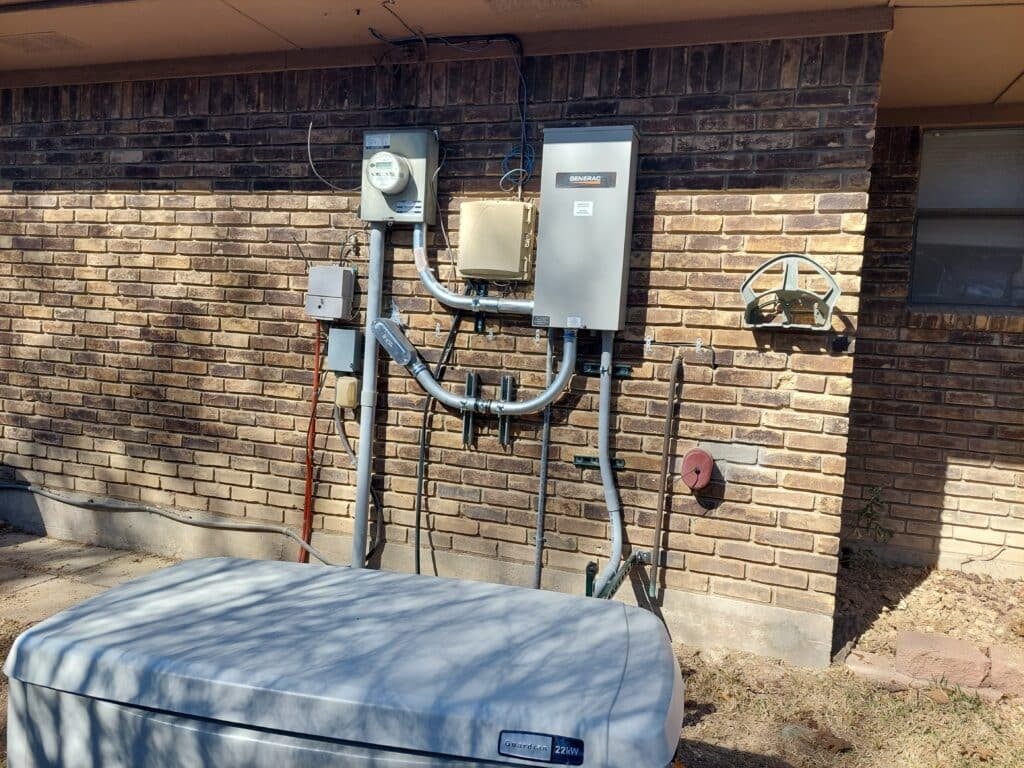
Power outages in North Texas don’t wait for a convenient time. You need a generator installation North Texas residents can count on before the next storm or ERCOT event hits. This guide breaks down everything from generator sizing to permits, so your home or business stays powered without surprises.
Essential Planning Steps
When thinking about generator installation, understanding the essential aspects can make the process smoother and more effective. Let’s dive into the critical steps you need to take.
Understanding Generator Sizing
Choosing the right size for your generator is crucial. The size determines how much power it can provide during an outage. You don’t want to be left in the dark or with underpowered devices. Start by listing essential appliances you will need during a power outage, like refrigerators, lights, and medical devices. Each appliance has a wattage requirement. Add these up to estimate the total power your home or business will need. It’s often helpful to consult with a DFW electrician to ensure accuracy.
Fuel Choices: Natural Gas vs. Propane
Fuel choice impacts cost and availability. Natural gas is often cheaper and more convenient if you already have a natural gas line. It provides a continuous supply which means less hassle during outages. Propane, on the other hand, is stored in tanks and can be a reliable alternative in areas without natural gas lines. It tends to burn cleaner, which can be an environmental plus. Consider your location and accessibility to these fuels when making your choice.
Key Components: Automatic Transfer Switch
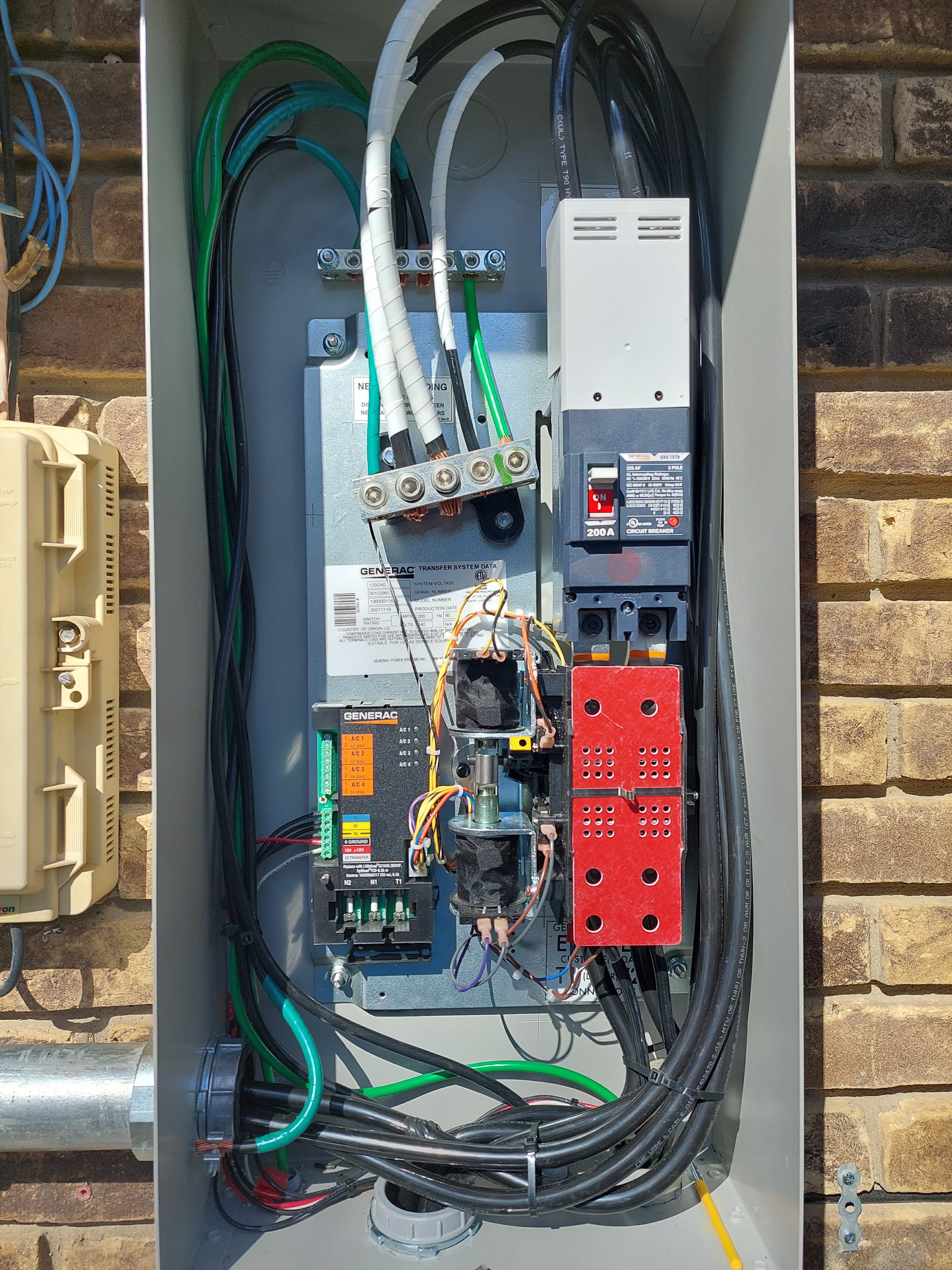
An Automatic Transfer Switch (ATS) is a key component that ensures a seamless transition to backup power. When a power outage occurs, the ATS automatically switches to generator power without manual intervention. This switch saves time and reduces inconvenience during an emergency. It’s an essential feature in both residential and commercial generator setups. Be sure to discuss ATS installation with your installer to ensure smooth operation.
Legal and Technical Considerations
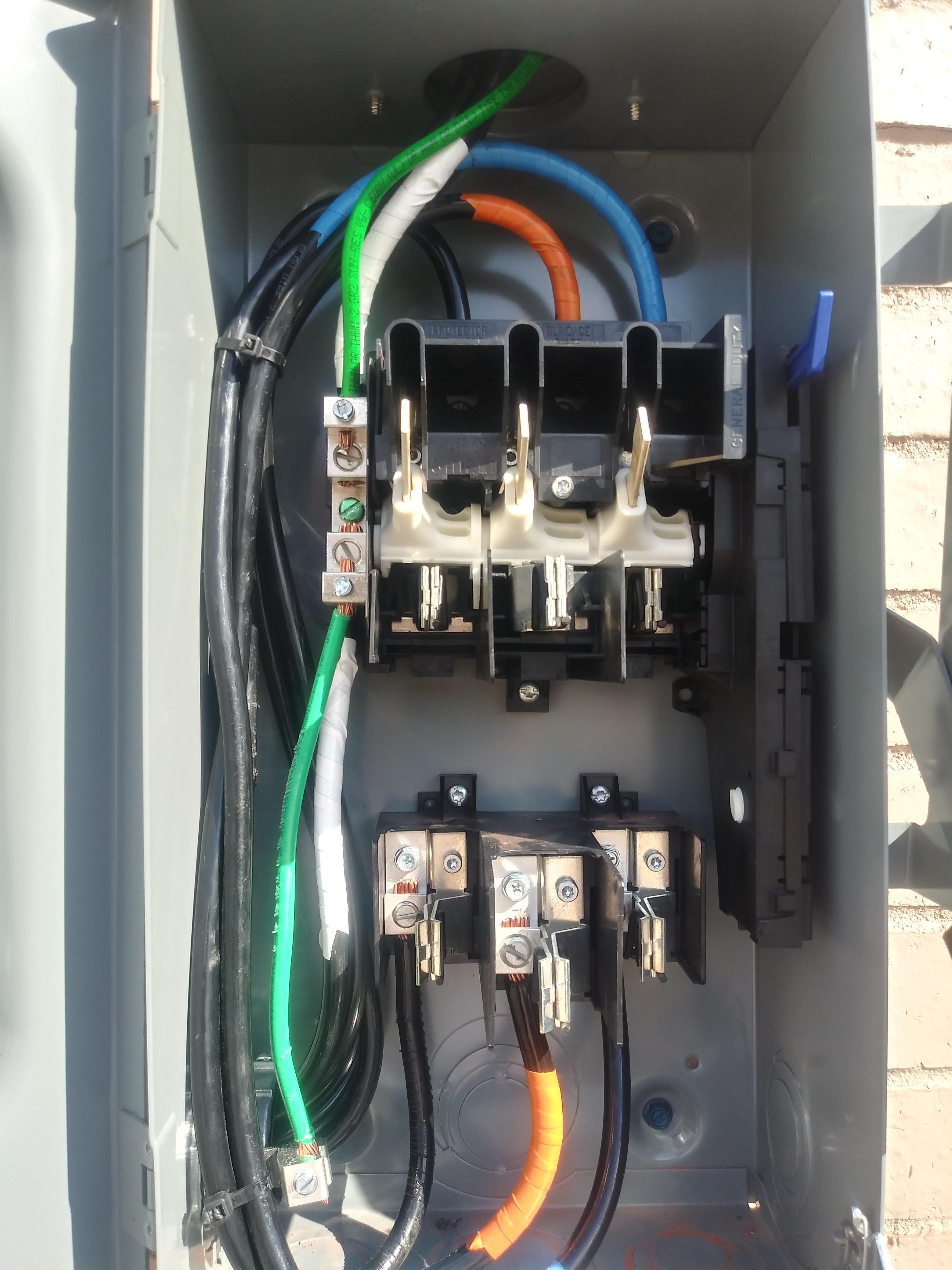
Installing a generator is not just about picking the right model. You must also navigate the legal and technical considerations to ensure compliance and safety.
Navigating Generator Permits in Plano
Before installation, securing the necessary permits is essential. In Plano, this process involves checking local regulations and submitting an application to the city. Permits ensure that your generator installation adheres to safety and zoning laws. Don’t skip this step, as operating without permits can lead to fines and forced removal.
Meeting Local Code Compliance
Compliance with local electrical codes is mandatory. These codes are designed to protect your property and ensure the safe operation of your generator. A licensed electrician can help you meet these requirements. They will ensure that the installation is up to code, reducing the risk of accidents or hazards.
Importance of Load Calculation
Load calculation is the process of determining the total power needed for your essential appliances. This calculation ensures your generator is neither underpowered nor overpowered. An accurate load calculation aids in selecting the right generator size, optimizing performance and cost-efficiency.
Budgeting and Installation
Planning your budget and understanding the installation process will set the foundation for a successful generator project.
Estimating Costs and Timelines
The cost of generator installation can vary widely based on size, fuel type, and any additional features. On average, installation can take a few days, depending on site conditions and complexity. Make sure to budget for the initial purchase, installation costs, permits, and potential upgrades. Discuss options with your installer to find the best fit for your needs and budget.
Selecting a DFW Electrician
Choosing the right electrician ensures quality and compliance. Look for a local electrician with experience in generator installations. Verify their credentials and ask for references. A reliable electrician will guide you through the installation process and ensure everything is up to code. Check out local experts like Tesla Alarm and Electrical for trusted service.
Maintenance and Long-Term Care
Regular maintenance is key to keeping your generator in top condition. Schedule routine check-ups to ensure it’s ready for any power outage. Maintenance tasks include oil changes, filter replacements, and system checks. Long-term care will extend the life of your generator and ensure it’s always ready to perform when needed.
Frequently Asked Questions
Q: How do I determine the right size generator for my home?
A: Start by listing the essential appliances you need during an outage and their wattage. Add these up to find your total power needs. Consulting with a professional can provide a more accurate assessment.
Q: What are the benefits of using natural gas over propane?
A: Natural gas provides a continuous fuel supply and is often cheaper over time. Propane is cleaner and can be used in areas without natural gas lines.
Q: Do I need a permit to install a generator in Plano?
A: Yes, permits are required to ensure compliance with safety and zoning laws. It is essential to secure these before installation to avoid fines.
Q: Why is an Automatic Transfer Switch important?
A: An ATS ensures that your generator automatically powers your home or business during an outage, providing a seamless transition without manual intervention.
Q: How often should I maintain my generator?
A: Regular maintenance is crucial. Schedule check-ups at least once a year, or more frequently if used often, to ensure your generator remains in good working condition.