
Power outages in North Texas can strike without warning, especially during storm season when ERCOT grid outages become more common. If your home or business isn’t prepared with reliable backup power, you risk costly downtime and safety hazards. This guide breaks down everything you need to plan, size, and maintain your backup power system, from generators to transfer switches, so you can stay powered no matter what. For more information, visit Tesla Alarm and Electrical.
Assessing Backup Power Needs
To effectively prepare for power outages in North Texas, it’s crucial to assess your backup power needs. This means understanding local risks and mapping out critical loads in your home or business.
Understanding North Texas Risks
North Texas is prone to severe weather, making power outages a common occurrence. You need to be aware of these risks to mitigate potential disruptions. Frequent storms can lead to extended outages, which may affect your day-to-day life significantly. By recognizing these weather patterns, you can better prepare and protect your property with the right backup solutions.
Critical Load Mapping Basics
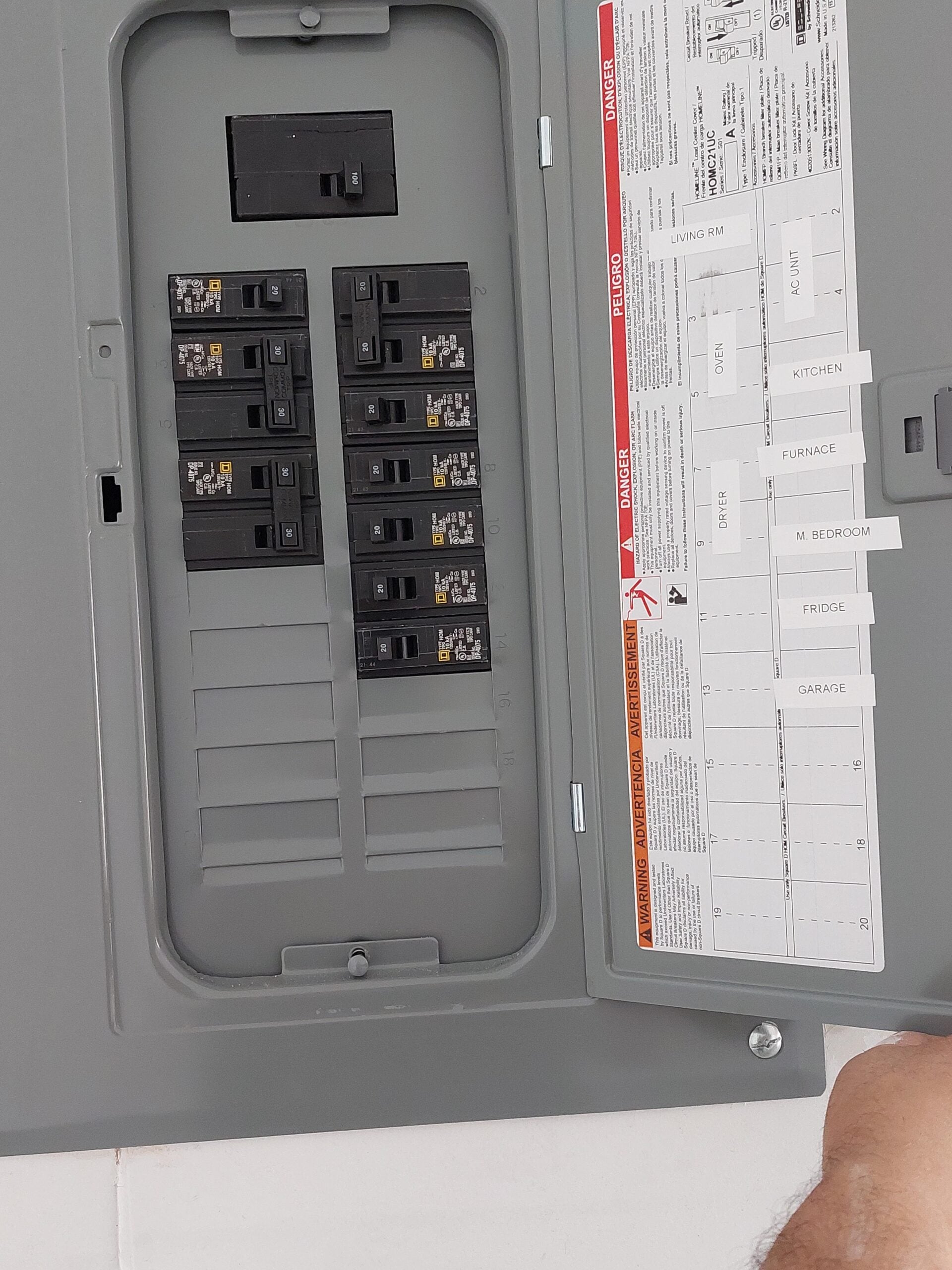
Mapping your critical loads helps you determine what electrical needs are most important during an outage. Start by listing essential appliances and systems, such as refrigerators, medical devices, and lighting. Once you identify these priorities, you can plan your backup system to support them. This ensures that even during a power cut, your home or business continues to function smoothly.
Professional On-site Assessments
A professional on-site assessment is vital for accurately determining your backup power requirements. Experts can evaluate your property’s electrical system and recommend the best solutions tailored to your needs. They ensure your setup is both efficient and compliant with local regulations, offering peace of mind during stormy seasons.
Choosing Backup Power Solutions

Once your needs are assessed, it’s time to select the best backup power solution for your home or business. Consider various options to find the most reliable and efficient choice.
Generator vs. Battery Options
Choosing between a generator and a battery system depends on your specific needs. Generators are robust, providing continuous power during long outages, but they require fuel. Batteries are cleaner and quieter, ideal for shorter outages, and can be paired with renewable energy sources. Evaluate both to decide which fits your situation best.
Automatic Transfer Switch Importance
An automatic transfer switch (ATS) is essential for seamless power transition during an outage. It detects power loss and automatically switches to backup power, ensuring there’s no interruption. This is crucial for maintaining comfort and security in your home or business without having to manually switch systems.
Fuel Choices for Generators
Fuel choice plays a significant role in generator performance. Natural gas, propane, and diesel are common options. Each has its benefits: natural gas is convenient with direct lines, propane is cleaner, and diesel is reliable for high-power needs. Understanding these options helps you choose the right generator for your circumstances.
Maintaining Your Backup System
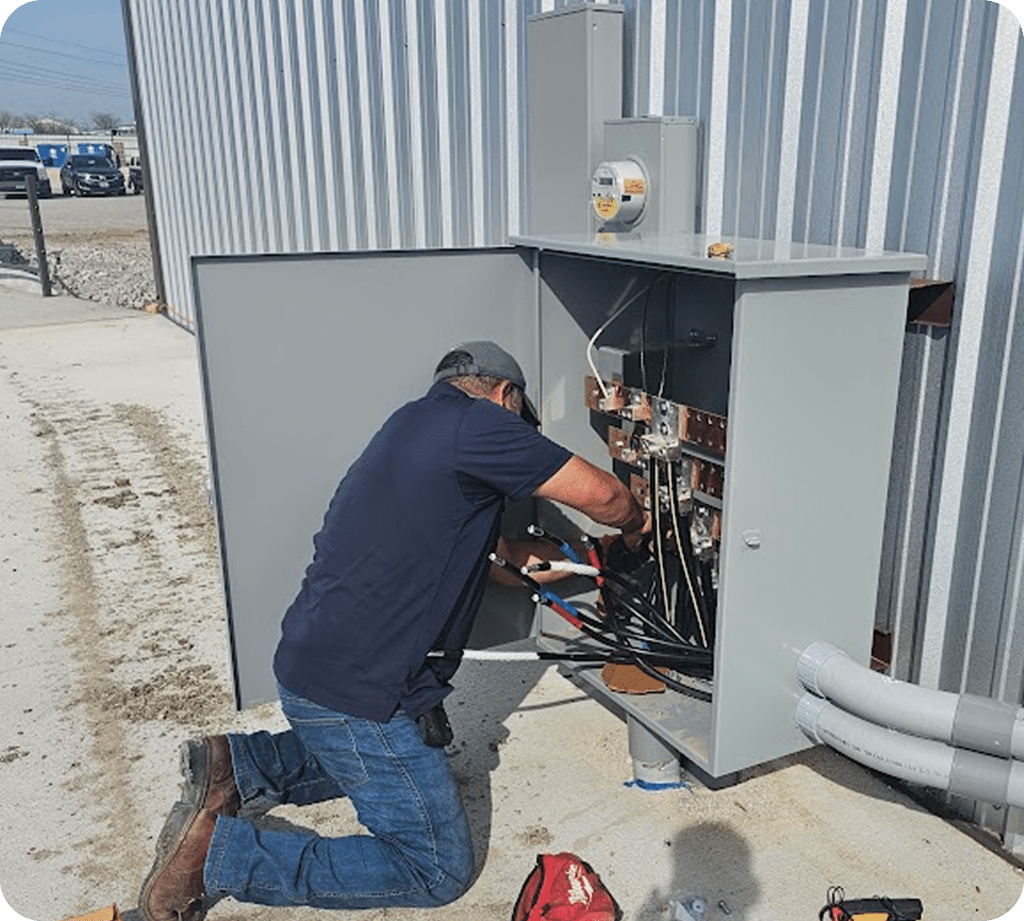
To ensure your backup power system is always ready, regular maintenance is key. This involves keeping your equipment in top condition and adhering to necessary regulations.
Regular Generator Maintenance Tips
Routine maintenance is crucial for generator reliability. Check oil levels, inspect for leaks, and test the system monthly. Regular service by a qualified professional ensures optimal performance and extends the life of your generator, keeping your backup power ready when you need it most.
Permitting and Compliance Essentials
It’s essential to comply with local regulations when installing a backup power system. Securing the necessary permits and adhering to city codes prevent legal issues and ensure safety. Consulting experts can help navigate these requirements, ensuring your system is both legal and safe.
Emergency Support and Tune-ups
Keeping your backup system in peak condition involves regular tune-ups and having emergency support in place. Schedule periodic inspections and service appointments to address potential issues before they become critical. This proactive approach ensures your system works flawlessly in emergencies.
Frequently Asked Questions
What are the most common risks of power outages in North Texas?
North Texas experiences frequent storms, which can lead to power outages. High winds, heavy rain, and lightning strikes are common factors that disrupt electricity supply.
How do I decide between a generator and a battery backup system?
Consider the duration and frequency of outages, budget, and environmental concerns. Generators are suitable for longer outages, while batteries are ideal for short interruptions and environmentally friendly options.
What is the role of an automatic transfer switch in a backup power system?
An automatic transfer switch ensures a seamless transition to backup power during an outage. It automatically switches from the main power supply to the backup source without manual intervention, maintaining uninterrupted power.
Why is regular generator maintenance important?
Routine maintenance ensures your generator is ready to operate efficiently during an outage. It helps identify and fix issues early, preventing breakdowns when you need power the most.
How do I ensure my backup power system complies with local regulations?
Consult a professional to handle permits and compliance. They ensure your system meets local codes and safety standards, avoiding legal complications and ensuring safety.