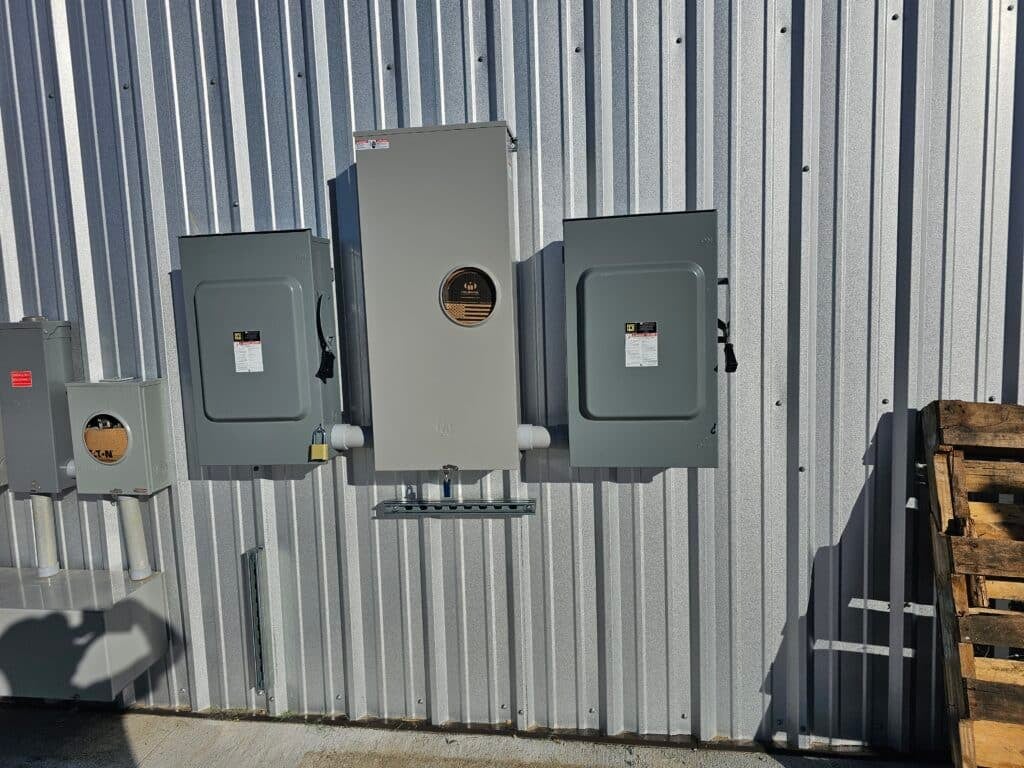
Power outages in North Texas aren’t just inconvenient—they can disrupt your home or business for days, especially during storms or ERCOT grid hiccups. Many property owners underestimate how to size backup power or pick the right system for their needs. This guide breaks down what you need to know about backup power North Texas, from load calculations to permits, so you can build a plan that works before the next outage hits. For more insights on home backup power options in Texas, check out this guide.
Assessing Outage Risks
Planning for power interruptions begins with understanding the potential risks unique to your area. Let’s explore how you can prepare your property to stay safe and functional during an outage.
Understanding North Texas Weather Challenges
North Texas is no stranger to severe weather. From thunderstorms to ice storms, these weather events can lead to unexpected power outages. The unpredictable nature of these storms means it’s important to have a well-considered backup plan. Did you know that severe weather accounted for over 70% of power disruptions in recent years? Understanding these potential impacts helps you take the first step toward safeguarding your home or business.
Evaluating Your Power Needs
Once you grasp the weather challenges, the next step involves identifying your specific power needs. Consider what appliances are essential during an outage. Is it your refrigerator, heating system, or maybe medical equipment? A thorough evaluation helps you decide on the capacity of a backup system. This assessment is crucial to avoid overspending on unnecessary power capacity or under-preparing for a significant outage.
Mapping Critical Loads
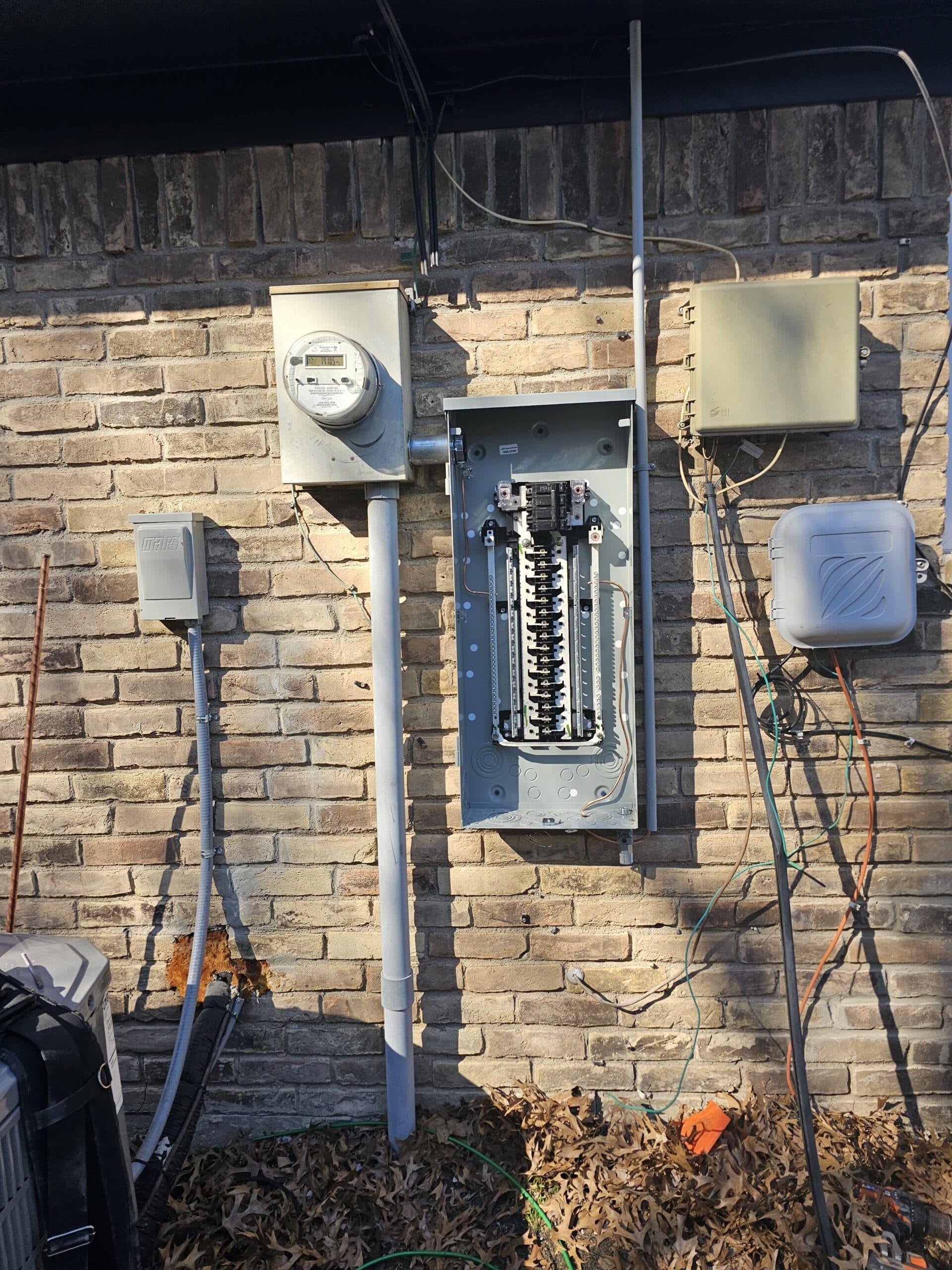
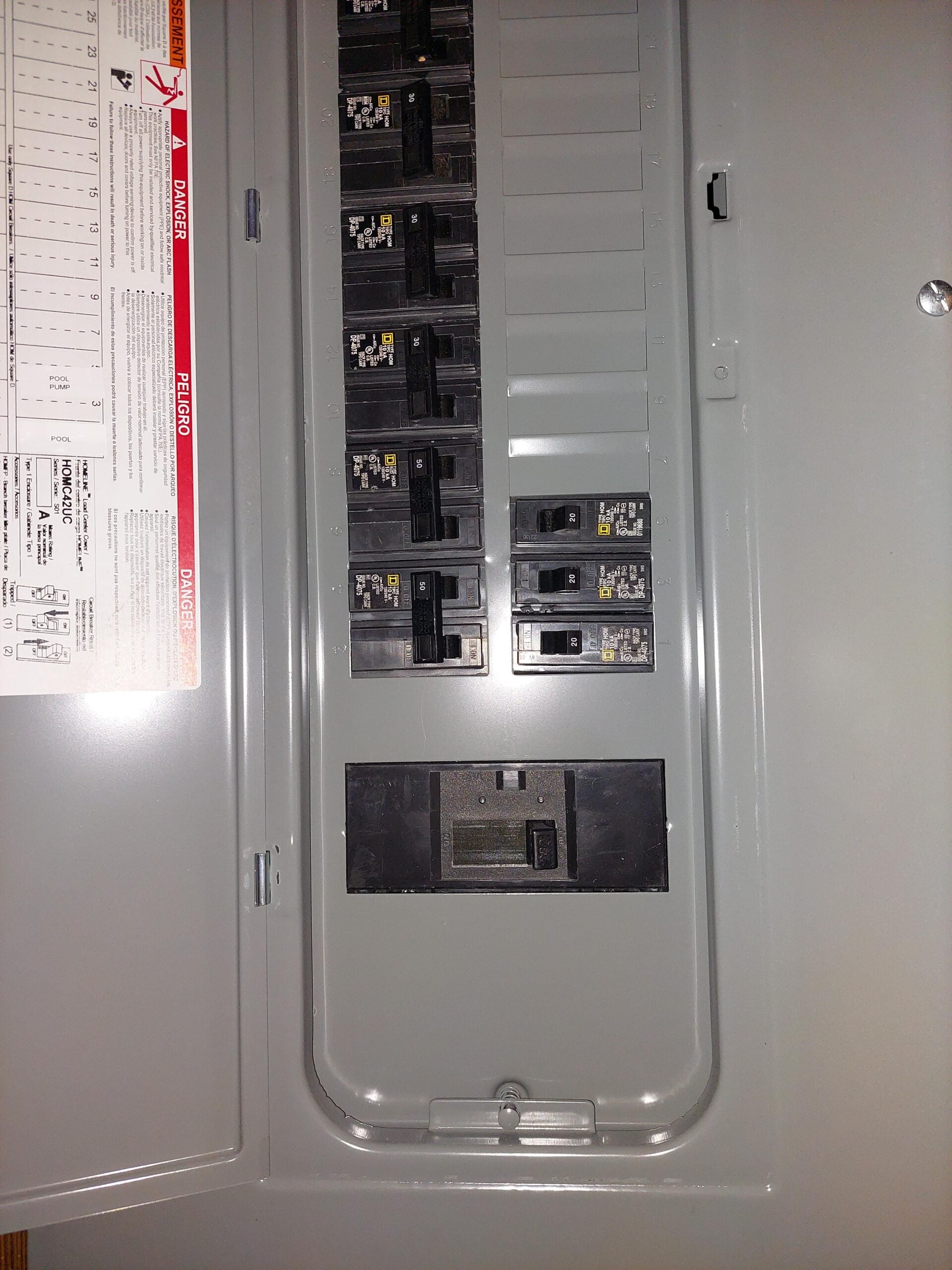
Creating a list of critical loads is vital. This list should include all essential devices and systems that must remain operational during a power cut. By mapping these loads, you ensure your backup system supports only what’s necessary, maximizing efficiency. Begin by identifying key areas like lighting, security systems, and any other indispensable utilities. Keep this list handy for when you consult with a professional.
Backup Power Solutions
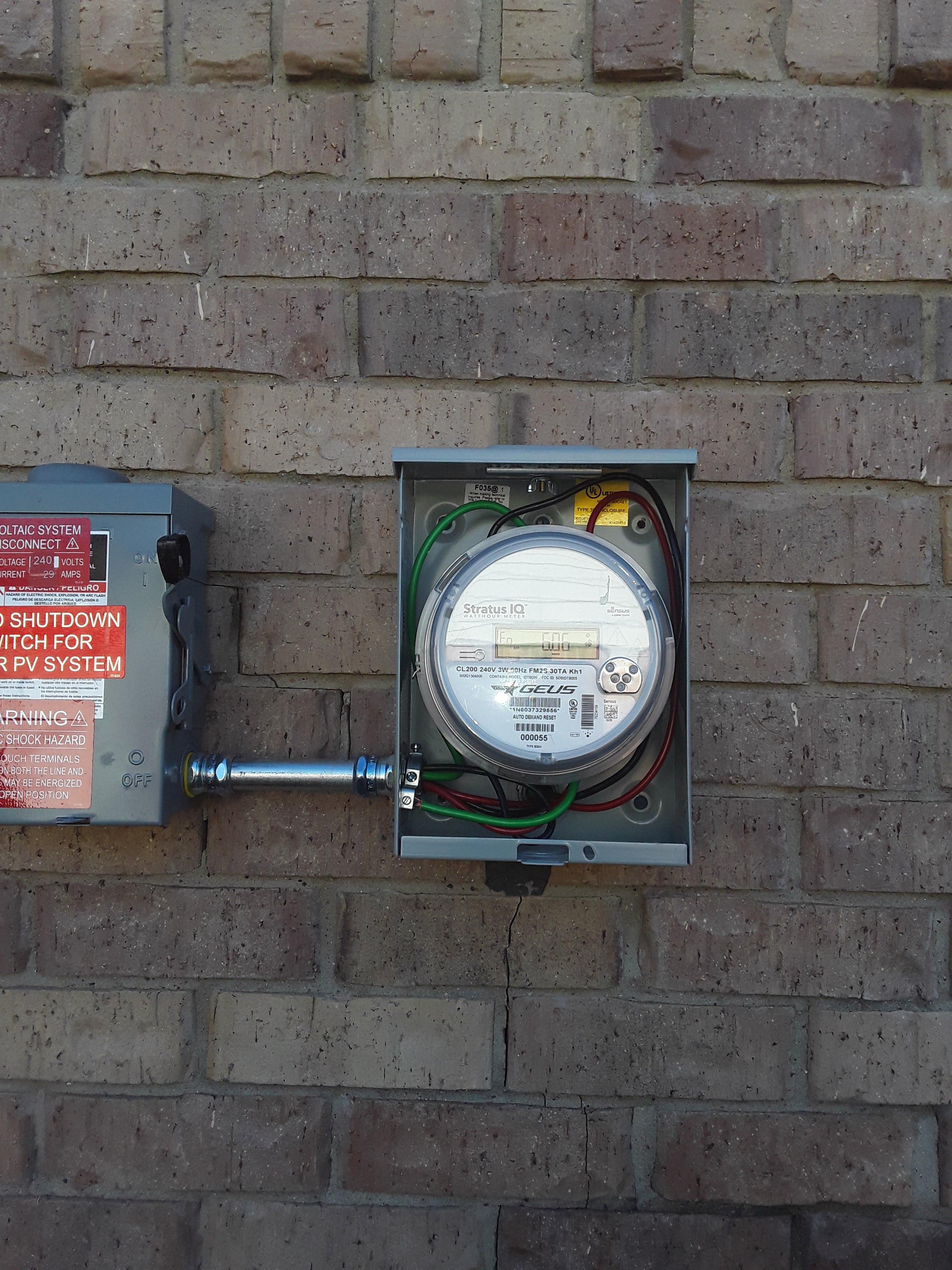
Now that you’ve assessed your risks and power needs, it’s time to explore the solutions available. Understanding your options helps you choose the best backup power setup for your property.
Generators vs. Batteries
When it comes to backup power, the choice often boils down to generators or batteries. Generators are typically more powerful and can handle larger loads, making them ideal for whole-home coverage. On the other hand, battery systems offer quieter, cleaner energy but might not support all appliances at once. For instance, a generator might power your entire home, while a battery might focus on specific critical systems. Consider your priorities: Do you prefer the robustness of a generator or the eco-friendliness of a battery?
Choosing UPS for Business Dallas
For business owners in Dallas, a UPS (Uninterruptible Power Supply) system can be a game-changer. It provides immediate power in the event of an outage, protecting sensitive equipment from data loss or damage. This can be essential for businesses relying on continuous data access and operational uptime. Investing in a UPS system ensures business continuity and protects against unexpected power interruptions.
Integrating Solar with Battery Backup System Texas
Combining solar panels with a battery backup system offers a sustainable solution for energy independence. This setup not only lowers energy bills but also provides a reliable power source during outages. The integration of solar with battery storage can significantly reduce your reliance on the grid. Explore options like those available in the Texas home battery backup guide to find a solution that fits your needs.
Maintenance and Compliance
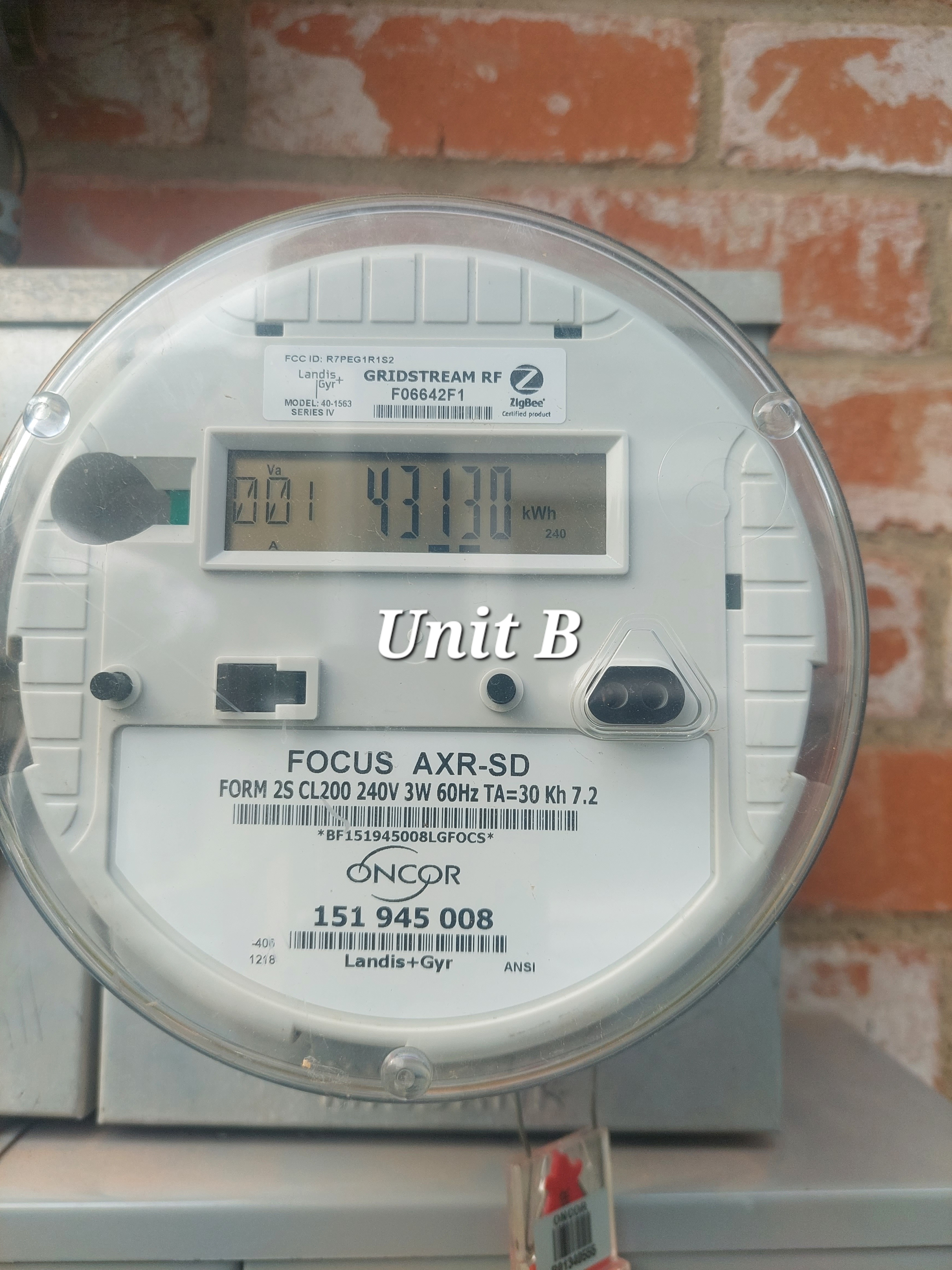
Once your backup system is in place, maintaining it and ensuring compliance with local regulations is key to long-term reliability.
Permits and Code Requirements
Before installing any backup system, understanding the necessary permits and codes is crucial. These regulations ensure your setup is safe and meets local standards. Partnering with a professional who knows the rules can save you time and prevent legal headaches. In areas like North Texas, compliance is not just about legal safety; it’s about ensuring your system operates effectively when needed.
Generator Maintenance Service Essentials
Routine maintenance of your generator is essential to keep it ready for action. Regular checks and servicing can prevent unexpected breakdowns during critical times. Always consult with experts who offer comprehensive maintenance services, ensuring your generator is in peak condition when you need it.
Scheduling a Professional Assessment
To wrap up your preparation, consider scheduling a professional assessment. This step ensures your backup plan is foolproof and tailored to your specific needs. Professionals can offer insights into optimizing your setup and making necessary adjustments. Don’t wait for the next storm; get ahead with a thorough evaluation by trusted experts.
Frequently Asked Questions
What types of backup power systems are ideal for North Texas?
Backup systems like generators and battery storage are popular in North Texas due to their ability to handle extreme weather conditions. Generators are suitable for whole-home coverage, while batteries are great for targeted power needs.
How do I determine the right size for my backup power system?
Start by making a list of critical appliances and calculate their power requirements. This helps in selecting a system that matches your needs without overspending on capacity.
Why is regular generator maintenance important?
Regular maintenance ensures your generator functions correctly when needed. It prevents unexpected failures and extends the lifespan of the equipment.
Do I need a permit to install a backup power system in Texas?
Yes, permits are typically required to ensure installations meet local safety codes. Consulting with a professional can help navigate these requirements.
How can solar power be integrated with backup systems?
Solar panels can be combined with battery storage to provide a sustainable and reliable power source, reducing dependency on the grid and offering greater energy security. Explore options available in the Texas home battery backup guide for more information.