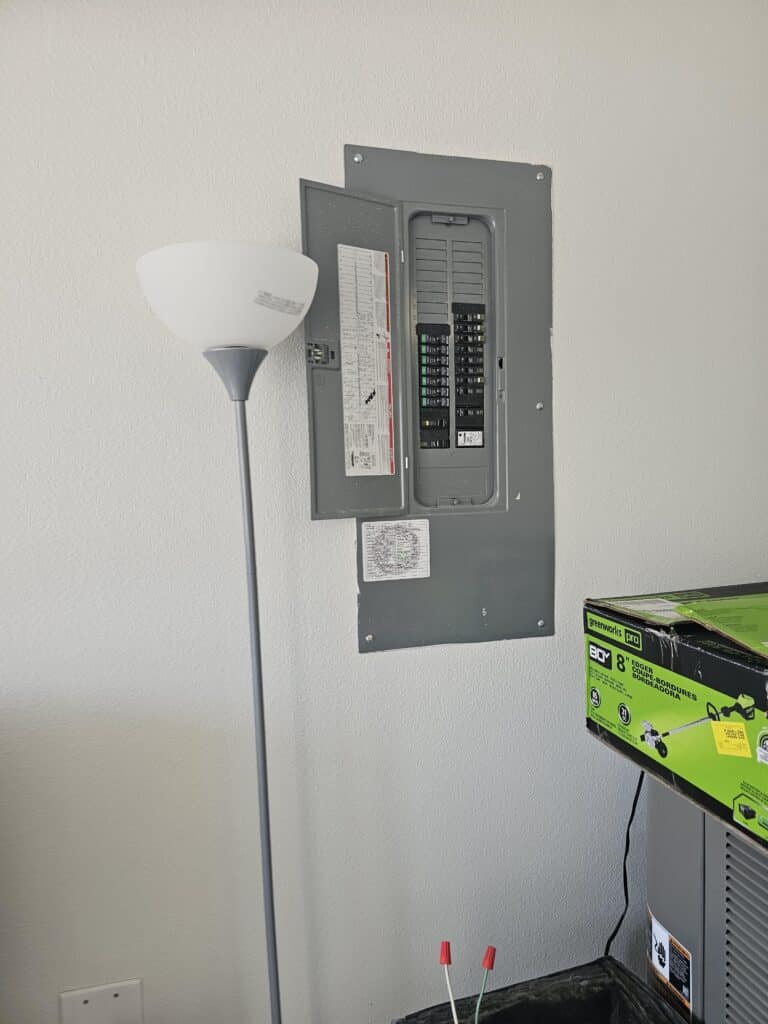
Most people think a surge protector power strip handles all their electrical safety needs. That leaves homes and businesses in Plano and Dallas exposed to costly damage when lightning or power spikes hit. Whole home surge protection offers a stronger defense by guarding your entire electrical panel, not just individual outlets. In this post, you’ll learn when a plug-in strip falls short and why a panel surge protector installed by a trusted DFW electrician makes a crucial difference. For more insights on surge protection differences, you can check this guide.
Understanding Surge Protection Options
Surge protection can be tricky, but understanding the options can save you headaches. In this section, we’ll explore the basics of whole house surge protectors and plug-in surge strips, and compare these methods to help you make informed decisions.
Whole House Surge Protector Basics
Whole house surge protectors offer a comprehensive shield against electrical surges. These devices are installed directly onto your electrical panel, providing a defense that covers your entire home. By stopping surges from entering your wiring system, they protect all your outlets and connected devices. This approach is ideal for safeguarding major appliances and expensive electronics. Whole home surge protection is especially useful in areas prone to frequent storms, where lightning spikes can cause significant damage. You might be wondering if this is the right fit for you. Consider how much you’ve invested in your home’s technology and whether a one-time installation could save you from costly replacements down the line.
Plug-In Surge Strip Essentials
Plug-in surge strips are common in many households, but they have limitations. These strips offer protection to only the devices plugged directly into them. While they are handy for small electronics like computers and televisions, they don’t cover your entire home. They’re an affordable option, which makes them appealing for those on a budget. However, relying solely on them can leave your bigger investments, like HVAC systems and refrigerators, exposed. For a detailed comparison, check out this review of the best surge protectors.
Comparing Surge Protection Methods
When comparing these methods, it’s clear that both have their place. Whole house surge protection offers extensive coverage, while plug-in strips provide targeted protection. The key is understanding your specific needs. For example, if you live in a storm-prone area, investing in a whole house system might be wise. On the other hand, if you’re protecting a few devices in a stable environment, plug-in strips might suffice. Each has pros and cons, so balance your needs with your budget and consider how much risk you’re willing to take with your electronics.
Choosing the Right Solution
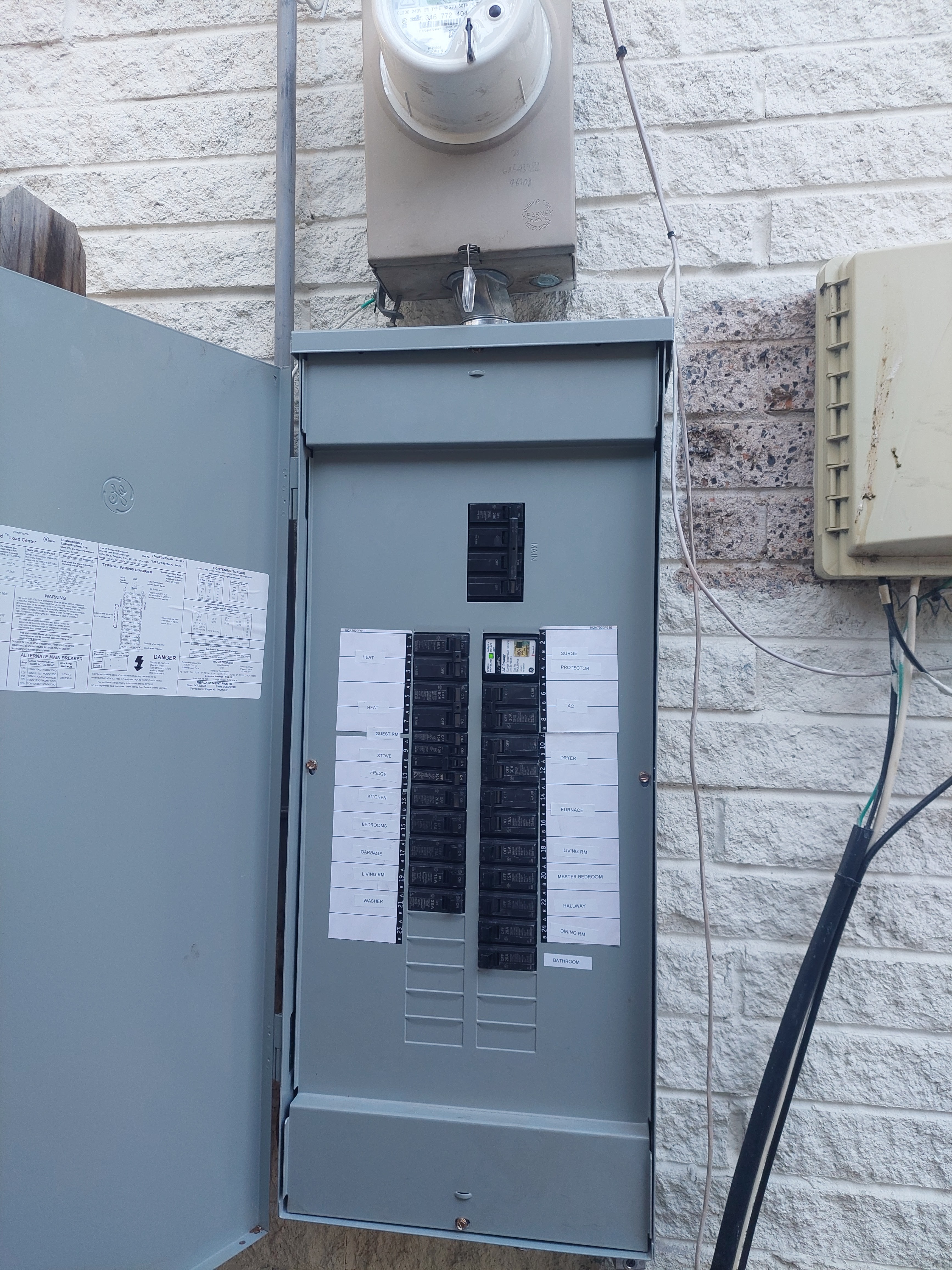
Selecting the appropriate surge protection involves understanding the unique needs of your environment. Residential and commercial properties have different requirements; let’s delve into each.
Residential Surge Protection Needs
For homeowners, the choice often rests on the value of the electronics in the home and the frequency of electrical storms. A whole house surge protector can prevent damage to all home devices, from the fridge to the washing machine. This level of protection is crucial when you consider the cost of replacing these items. If your area experiences frequent power surges, this investment could pay off quickly. For a more comprehensive understanding, you can explore this Reddit discussion.
Commercial Surge Protection Considerations
Businesses have more at stake when it comes to electrical surges. Sensitive equipment and critical systems need robust protection. A commercial surge protection setup typically involves both whole-building protectors and point-of-use devices like surge strips. This combination ensures that all equipment, from computers to industrial machines, remains safe. The potential downtime and data loss from a surge can be catastrophic for a business, making comprehensive surge protection a necessity rather than a luxury.
Layered Surge Protection Strategy
A layered approach to surge protection combines the strengths of both whole house systems and plug-in strips. By installing a whole house protector at your electrical panel, you ensure baseline protection for all circuits. Supplementing this with plug-in strips at key points can provide additional security for sensitive or high-value devices. This strategy maximizes safety and minimizes risk, offering peace of mind no matter the circumstances.
Professional Installation Insights
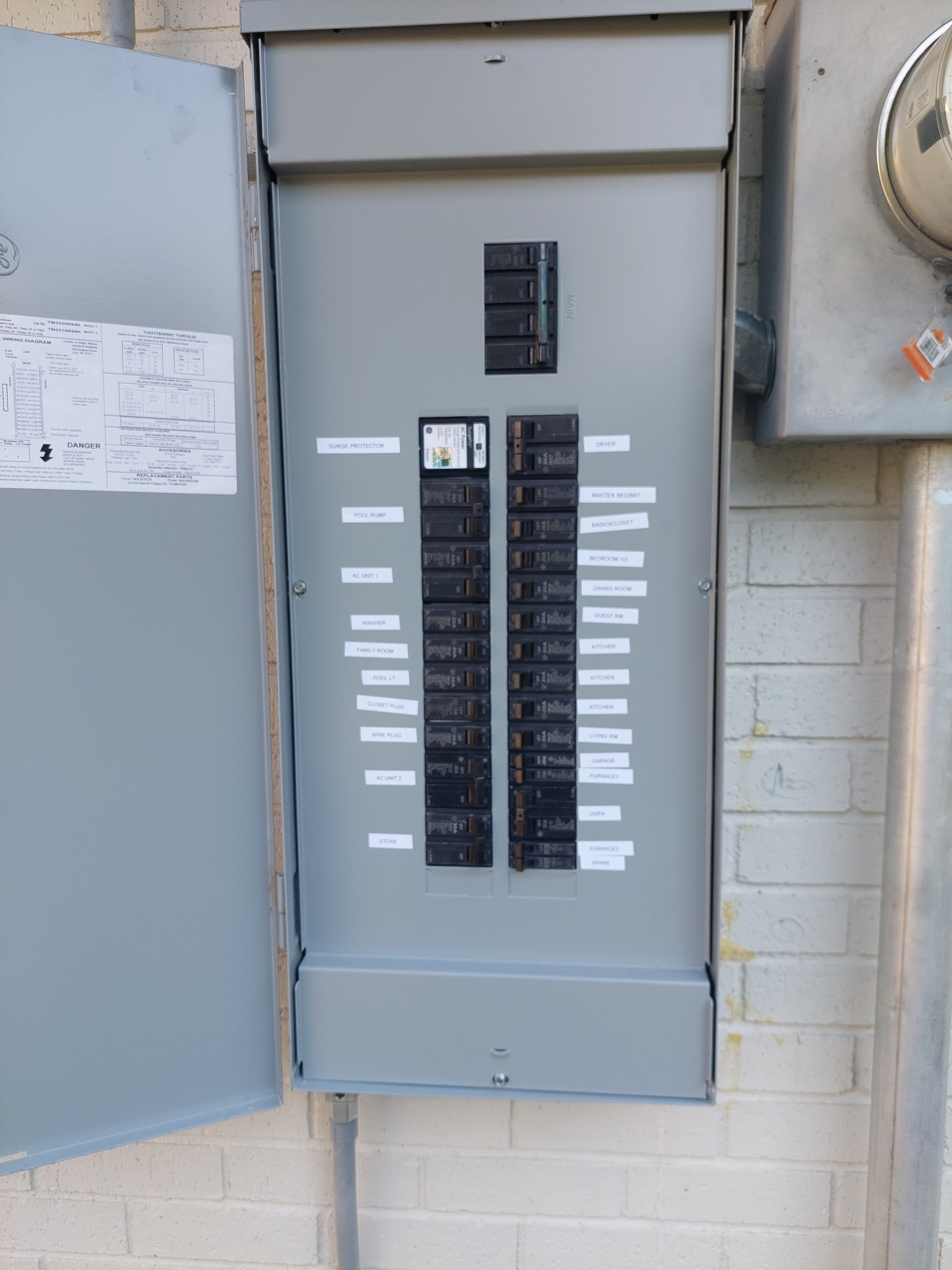
For the best protection, professional installation is key. Let’s explore why panel surge protectors, grounding, and working with a DFW electrician are crucial.
Importance of Panel Surge Protectors
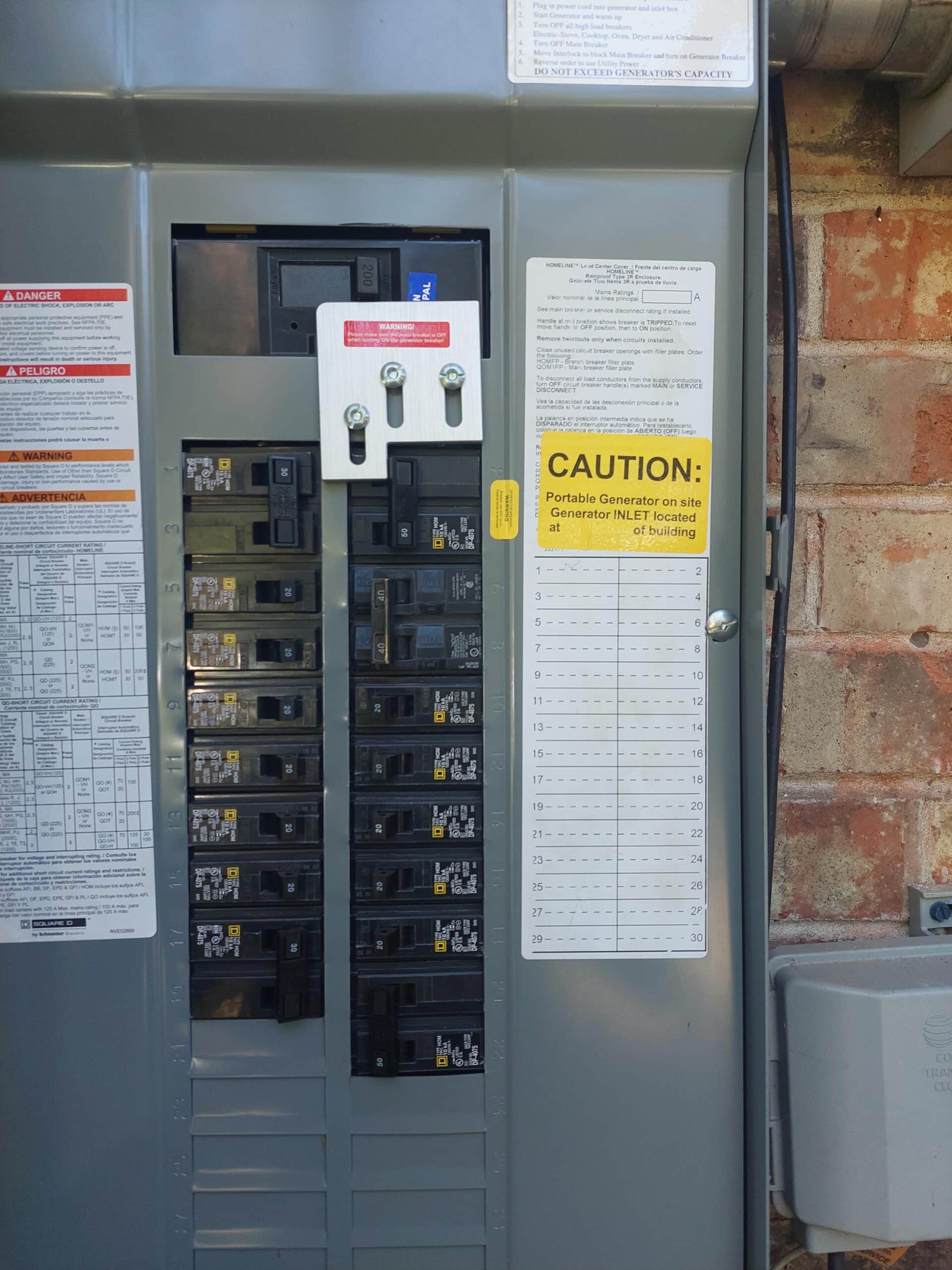
Panel surge protectors are installed at the main electrical service panel, offering the first line of defense against surges. They divert excess voltage away from your home’s circuitry, safeguarding all connected devices. The protection they offer is unparalleled, especially in surge-prone areas. Proper installation by a qualified electrician ensures that the device functions correctly and provides maximum protection.
Grounding and Bonding Essentials
Grounding and bonding are critical components of a safe electrical system. They provide a path for excess electricity to safely dissipate into the earth. Without proper grounding, surge protectors can’t do their job effectively. Ensuring that your home’s electrical system is grounded and bonded correctly is a task for a professional, as improper handling can lead to dangerous situations.
Scheduling with a DFW Electrician
When it comes to installing surge protection, working with a professional DFW electrician is vital. They have the expertise to evaluate your home’s needs and install the right solutions. Scheduling a consultation can help you understand your options and ensure your system is set up correctly. In the Dallas–Plano area, where power surges are not uncommon, having a reliable electrician is a smart move.
Frequently Asked Questions
What is the difference between a whole house surge protector and a plug-in strip?
A whole house surge protector protects all the electrical systems in a building by being installed at the main panel, while a plug-in surge strip only protects the devices connected to it.
Why is grounding important in surge protection?
Grounding provides a safe path for excess electrical energy to dissipate, which is crucial for surge protectors to work effectively and prevent damage.
Can I install a whole house surge protector myself?
It’s recommended to have a professional electrician install a whole house surge protector to ensure proper and safe installation.
Do surge protectors work during a lightning storm?
While surge protectors can help mitigate damage from electrical surges caused by lightning, no system is 100% foolproof. It’s best to unplug sensitive equipment during severe storms.
How often should I replace my surge protectors?
Typically, surge protectors should be replaced every 3-5 years or immediately after a significant surge event. Always check the indicator light to ensure it’s functioning.