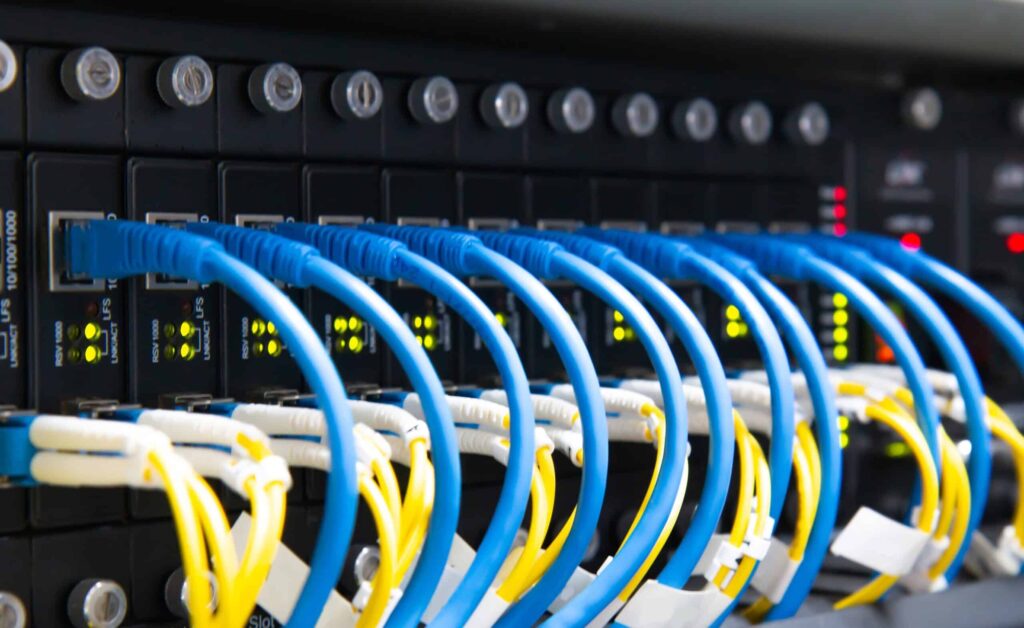
Most smart security systems stumble because their wiring can’t keep up. You might invest in top-tier cameras and alarms, but without solid low voltage cabling, you’ll face blurry video, dropped connections, and frustrating downtime. In Plano and North Dallas, the right structured cabling Plano setup—Cat6, PoE, fiber—is what keeps your security sharp and ready for whatever comes next. Let’s explore why professional security system wiring outperforms Wi-Fi-only setups and how it lays the groundwork for reliable protection.
Importance of Low-Voltage Cabling
Low-voltage cabling is crucial for maintaining a reliable security system. It forms the backbone that supports data transmission and connectivity, ensuring that your security infrastructure functions smoothly and efficiently.
Why Structured Wiring Matters
Structured wiring creates a robust framework for your security system. It organizes cables in a way that supports seamless communication between devices. This organized setup reduces interference and enhances performance. When cables are neatly arranged, troubleshooting becomes easier, saving you time and hassle. Structured cabling also allows for easy upgrades. As technology advances, you can integrate new devices without overhauling the entire system. This future-proofing aspect makes it a wise investment for anyone looking to maintain a reliable security setup.
Benefits Over Wi-Fi Setups
Wi-Fi is convenient, but it’s not always reliable. Structured cabling offers superior performance by providing a consistent and uninterrupted connection. This means no more dropped signals or lagging video feeds. Wired connections are less prone to interference, ensuring clear and stable communication. They’re also more secure than Wi-Fi networks. Wired systems are harder to hack, providing an additional layer of protection for your data. For businesses and homeowners prioritizing security, the advantages of a wired setup are clear.
Impact on System Reliability
The reliability of your security system hinges on its wiring. Low-voltage cabling ensures that all components communicate effectively, reducing the risk of system failures. With the right cabling, you minimize downtime and avoid costly disruptions. Reliable wiring supports high-quality video feeds, enabling you to monitor your property with confidence. Whether you’re at home or away, you can trust your system to keep you informed and protected.
Components of a Reliable Setup
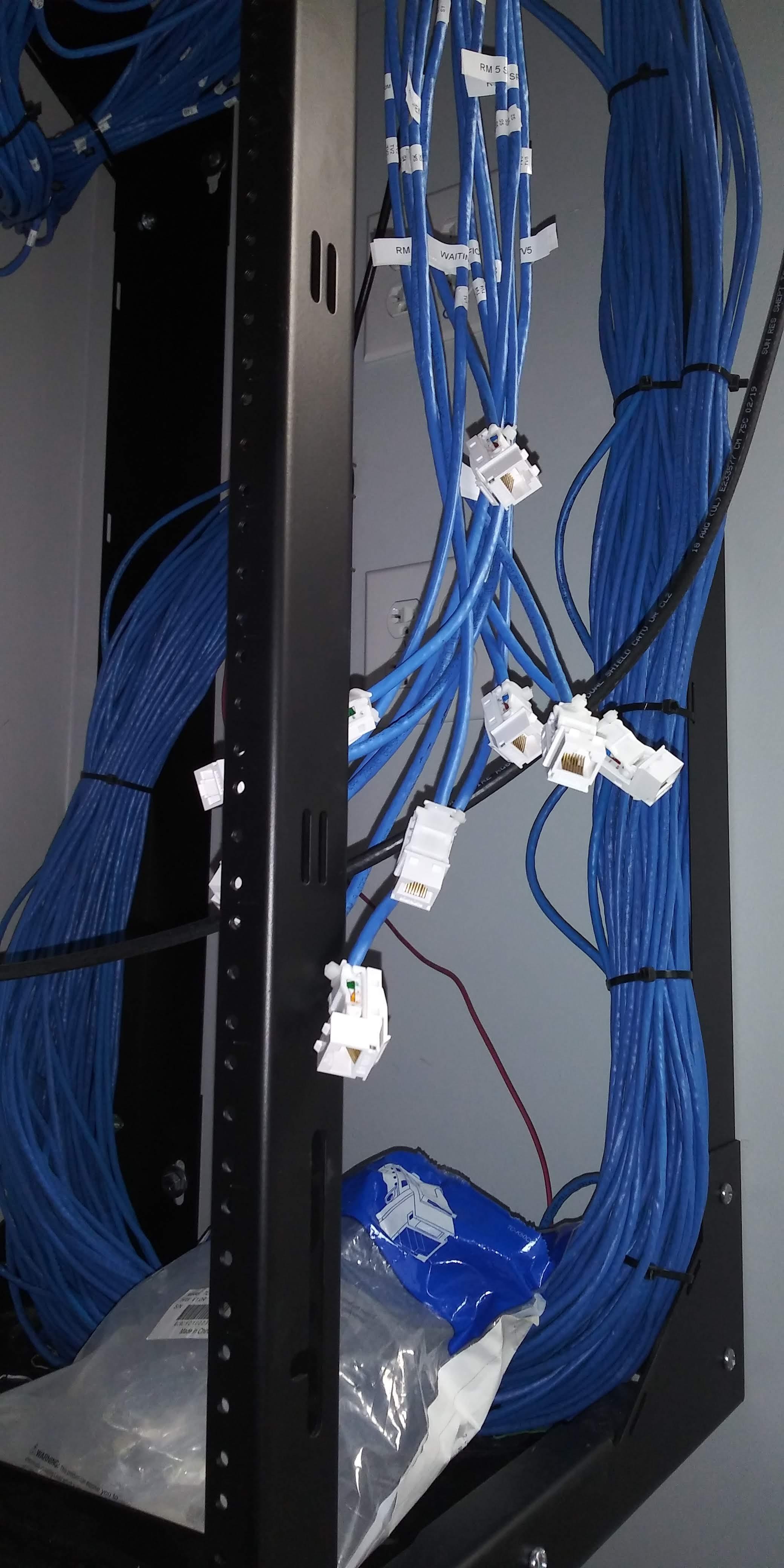
A reliable security system depends on the quality of its components. From the type of cabling used to the way it’s installed, each element plays a crucial role in overall performance.
Role of Cat6 and Fiber Cabling
Cat6 and fiber cabling are essential for high-speed data transmission. Cat6 cables offer excellent bandwidth, making them ideal for transmitting video and audio data. They’re also cost-effective and easy to install. Fiber optic cables take it a step further with their ability to transmit data over long distances without loss of quality. They’re perfect for large properties or businesses with extensive security needs. Both options provide the speed and reliability necessary for a top-notch security setup.
Understanding PoE Camera Networks
PoE (Power over Ethernet) technology simplifies camera installation by providing power and data through a single cable. This reduces clutter and streamlines the setup process. PoE networks are scalable and flexible, allowing for easy expansion as your needs grow. They’re also more energy-efficient than traditional setups. By reducing the number of cables required, PoE technology lowers installation costs and minimizes maintenance efforts.
Significance of Proper Labeling and Testing
Proper labeling and testing are vital to the success of any cabling project. Labeling ensures that each cable is easily identifiable, making maintenance straightforward. Testing verifies that each connection is secure and functioning correctly. Regular testing can identify potential issues before they become major problems, ensuring that your system remains reliable. By prioritizing labeling and testing, you safeguard your investment and maintain optimal performance.
Choosing the Right Installer
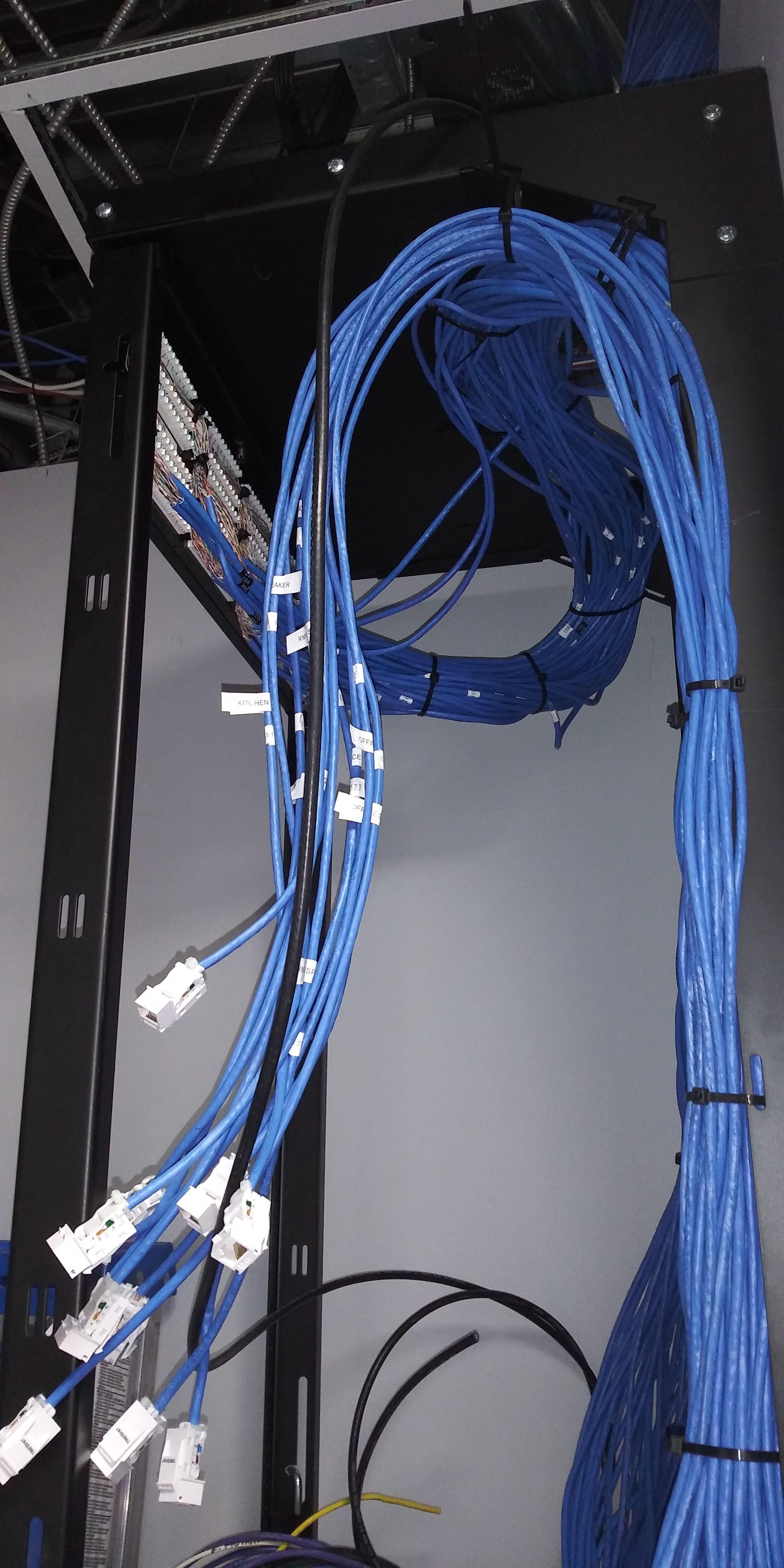
Selecting the right installer is crucial for the success of your cabling project. A skilled professional will ensure that your system is set up correctly and complies with all necessary regulations.
Advantages of Certified Professionals
Certified professionals bring expertise and experience to the table. They understand the intricacies of low-voltage cabling and can tailor solutions to meet your specific needs. With a certified installer, you can trust that your system will be both efficient and reliable. They also stay updated on industry trends, ensuring that your setup incorporates the latest advancements. Choosing a certified professional provides peace of mind and guarantees quality workmanship.
Ensuring NEC Code Compliance
Compliance with the National Electrical Code (NEC) is non-negotiable. It ensures that your installation is safe and meets industry standards. Certified installers are familiar with NEC requirements and will ensure your setup adheres to these guidelines. Compliance not only protects your investment but also safeguards against potential legal issues. By choosing a compliant installation, you prioritize safety and reliability.
Planning for Future-Ready Systems
A future-ready system is adaptable and prepared for technological advancements. Working with an experienced installer allows you to plan for future needs. They can design a flexible system that accommodates new devices and technologies as they emerge. Future-proofing your setup ensures longevity and keeps your security system ahead of the curve. With the right planning, you can avoid costly upgrades and maintain a cutting-edge security infrastructure.