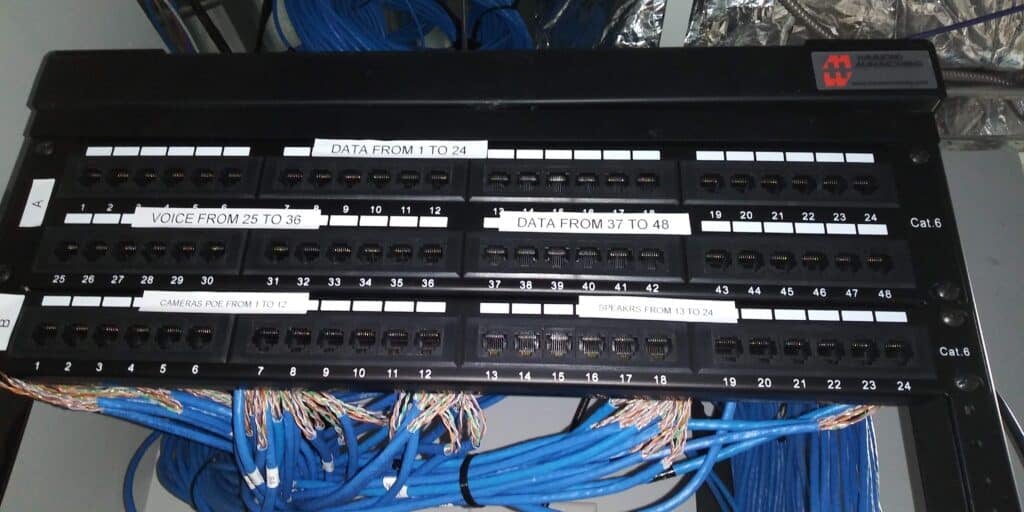
Low-voltage wiring often gets overlooked until a security camera or access control system starts acting up. Poor wiring can cause blurry footage, unreliable door access, and code headaches that cost time and money. Knowing how proper security camera cabling and access control wiring works can save you headaches and keep your system running smoothly for years in Plano and Dallas. Here’s why the right wiring matters more than you might think. For more detailed insights, you can refer to this guide.
Importance of Low-Voltage Wiring
Low-voltage wiring serves as the backbone of your security systems. It’s crucial for enhancing camera quality, ensuring access control reliability, and achieving code compliance.
Enhancing Camera Quality
Do you want clearer footage from your security cameras? Proper wiring is key. When you have the right cables, like Cat6, your cameras receive all the power and data they need. This means sharper images and smoother video. You won’t have to squint at blurry recordings anymore.
Poor cabling can disrupt the signal, leading to choppy video or even total blackouts. Investing in quality wiring ensures your cameras perform at their best. Imagine capturing every detail without any hiccups. With Tesla Alarm and Electrical, you can count on expert security camera cabling services that stand the test of time.
Ensuring Access Control Reliability
Reliable access control is more than just a lock and key. It’s about seamless integration of power and signal. Your door readers and locks need consistent power to function smoothly. Proper low-voltage wiring minimizes interruptions, ensuring you won’t be left outside due to a system failure.
Using the correct access control wiring keeps your system up and running. It helps you avoid those awkward moments when you’re stuck because the door won’t unlock. Trusting professionals with your wiring ensures your system’s reliability and your peace of mind.
Achieving Code Compliance
Staying up to code is not just about avoiding fines. It’s about safety. Inadequate wiring can pose risks, from electrocution to fire hazards. Adhering to standards like the NEC Article 725 compliance is critical for safety and legality.
Proper wiring ensures your system is both safe and compliant. It reduces the risk of accidents and potential legal issues. Compliance isn’t just a box to tick; it’s a step towards a safer environment for everyone around you.
Design and Installation Best Practices
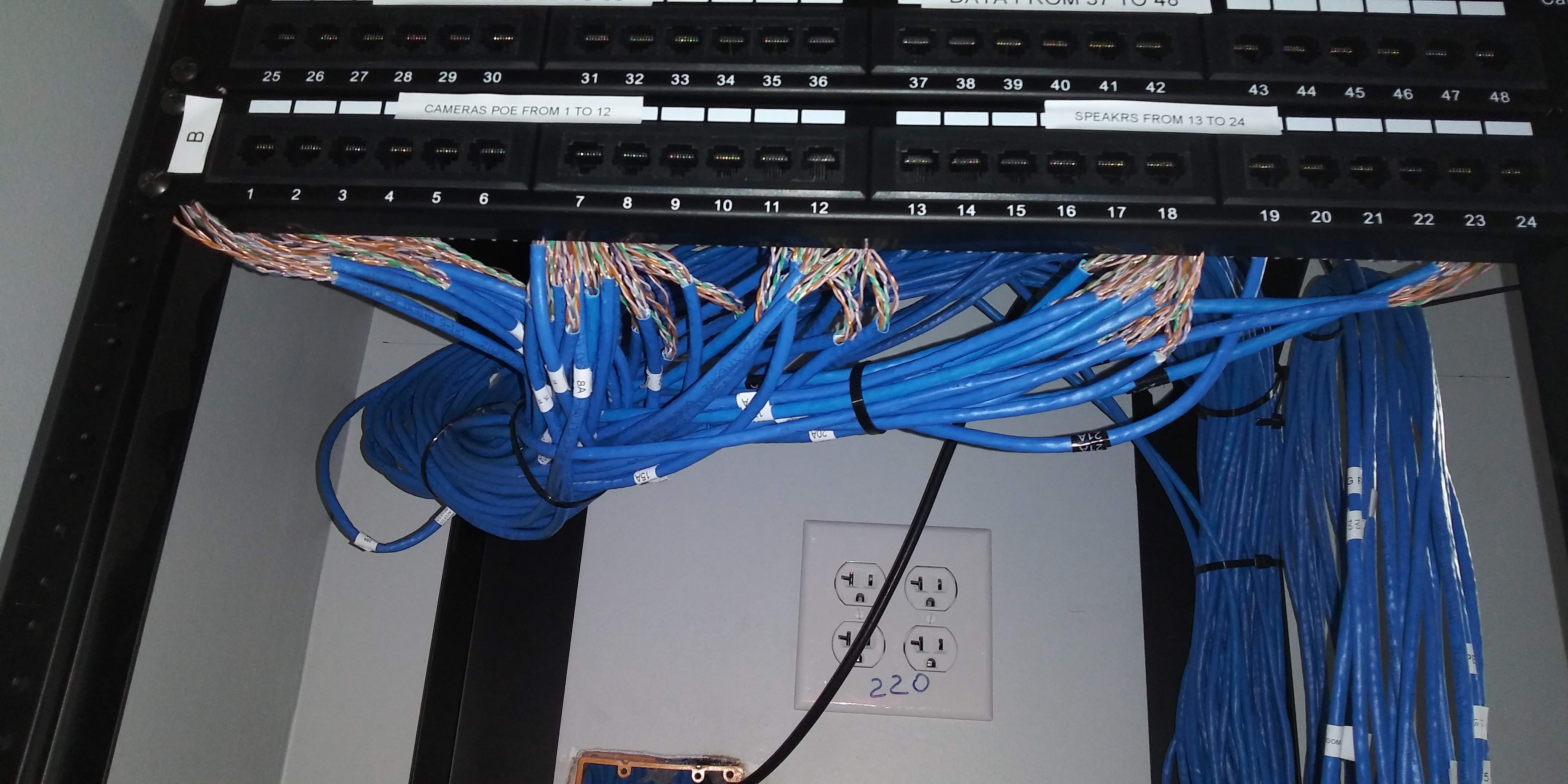
Designing and installing low-voltage wiring requires careful planning. Following best practices ensures your system’s efficiency and longevity.
Structured Cabling Essentials
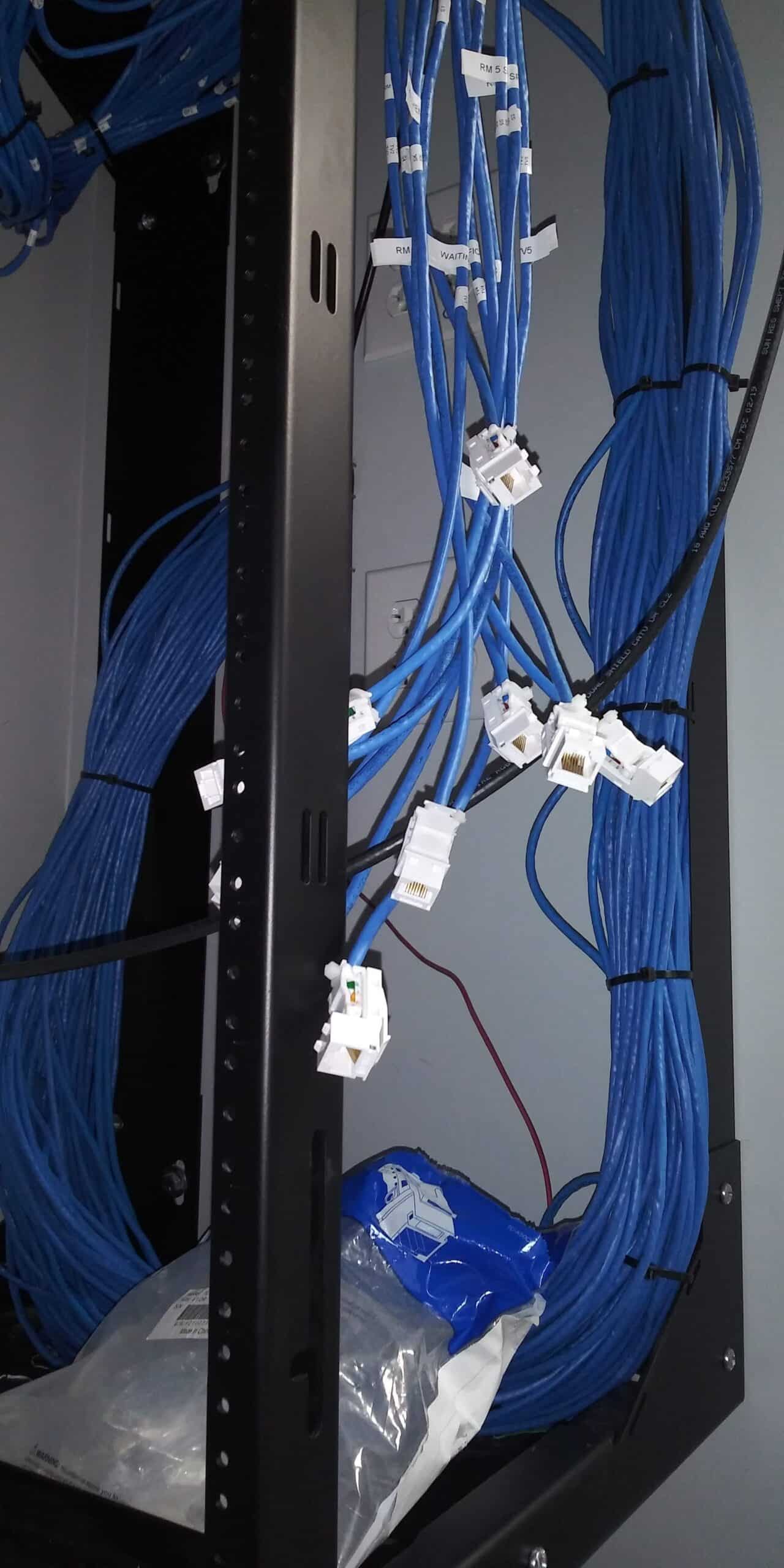
Structured cabling is like a well-organized toolbox. It simplifies your system’s infrastructure and makes future upgrades easier. It’s crucial for both functionality and aesthetics. Neat cabling prevents tangles and confusion. It also helps in troubleshooting and repairs, saving you time and stress.
Integrating structured cabling ensures a clean setup. It offers flexibility for future expansions, making upgrades hassle-free. By investing in structured cabling, you’re investing in a system that grows with you.
Powering PoE Cameras and Devices
Power over Ethernet (PoE) is a game-changer. It allows you to power devices like cameras through the same cable that provides data. This reduces clutter and simplifies installation. With PoE, you can place cameras anywhere you need them without worrying about a nearby power source.
Efficiently powering PoE cameras ensures your setup is clean and cost-effective. It minimizes the need for extensive wiring, cutting down installation time and costs.
Surge Protection and Grounding Techniques
Surge protection and grounding are your system’s safety net. They protect your equipment from power surges and electrical noise. Without proper grounding, your system is vulnerable to damage from electrical storms or power spikes.
Implementing effective surge protection and grounding ensures your system’s longevity. It guards against unexpected breakdowns, saving you on costly repairs. Protecting your investment is crucial, and these techniques are essential for any reliable setup.
Long-Term Maintenance and Upgrades
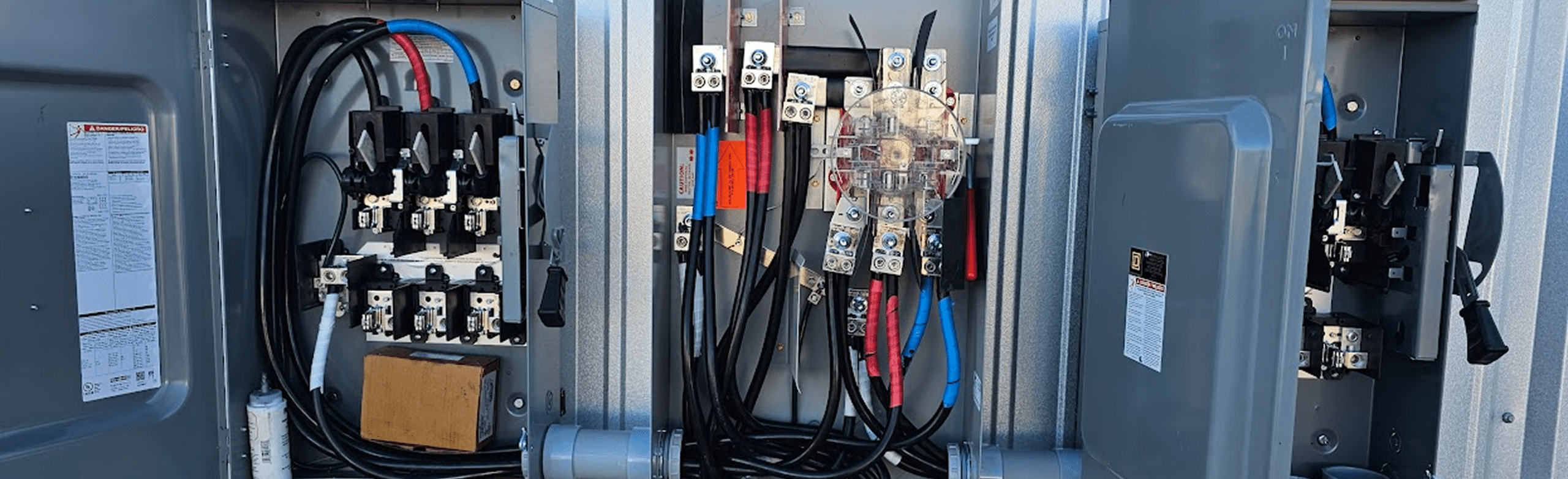
Maintaining and upgrading your wiring system ensures it continues to serve you well into the future.
Managing Voltage Drop and Power Needs
Voltage drop can weaken your system’s performance. Understanding and managing it is crucial for optimal function. With proper planning, you can minimize voltage drop, ensuring your devices work as intended.
Monitoring your system’s power needs keeps it running smoothly. Regular checks help prevent issues before they arise. By managing voltage drop effectively, you maintain a robust system that meets your demands.
Effective Cable Management and Labeling
Cable management may seem tedious, but it’s vital. Proper labeling and organization save time during maintenance. It helps you quickly identify and address issues.
Organized cables prevent damage and confusion. They make upgrades and changes a breeze. With effective management, you ensure your system remains efficient and easy to navigate.
Planning for Future Security Needs
Security needs evolve. Planning ahead ensures your system can adapt. Consider potential expansions and technological advancements. An adaptable system saves time and money down the road.
Strategic planning keeps your system relevant. It ensures you’re ready for upgrades and changes. By thinking ahead, you future-proof your security setup, keeping you protected and prepared.
Frequently Asked Questions
What is low-voltage wiring, and why is it important?
Low-voltage wiring is used for systems like security cameras and access control. It’s important because it ensures these systems work efficiently and safely, providing reliable security.
How does PoE benefit my security camera setup?
PoE (Power over Ethernet) allows you to power cameras through the same cable that provides data, simplifying installation and reducing clutter by eliminating the need for additional power sources.
What are the risks of not following code compliance with low-voltage wiring?
Not following code compliance can lead to safety hazards such as electrical fires or system failures. It can also result in legal issues and fines, making compliance crucial for safety and legality.
Why is structured cabling important for my security system?
Structured cabling provides a clean and organized setup, making maintenance and future upgrades easier. It improves system reliability and aesthetics, ensuring efficient operation.
How can surge protection benefit my security system?
Surge protection shields your system from power spikes and electrical noise, preventing costly damage and ensuring longevity. It’s a crucial component for protecting your investment.