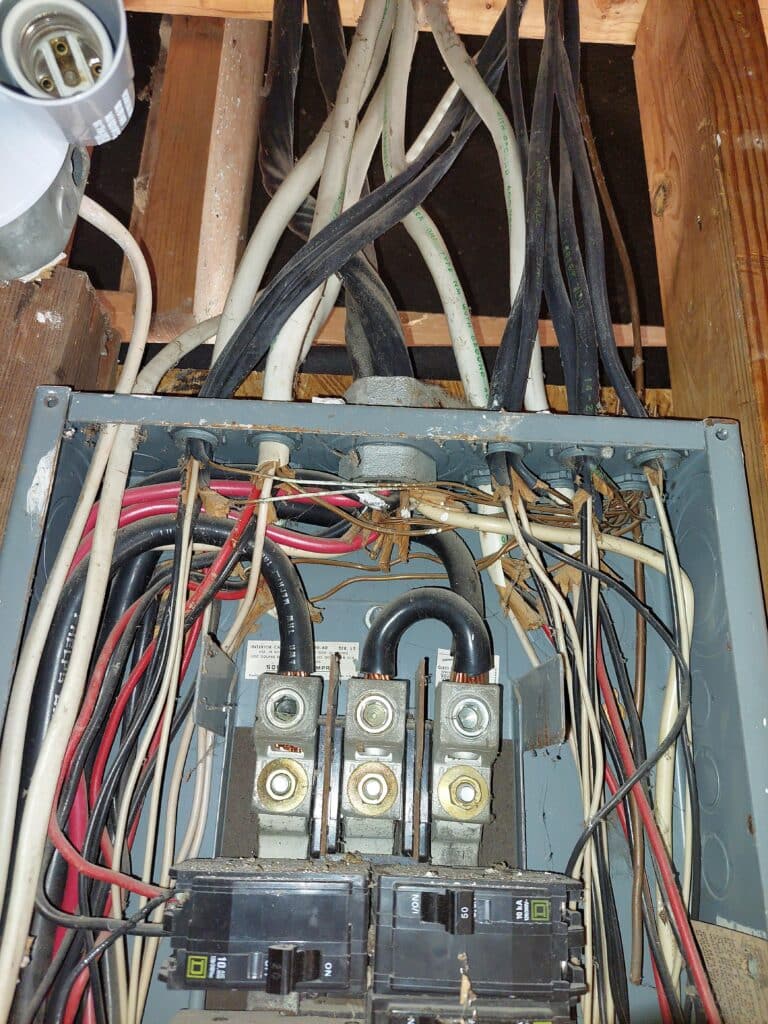
Older wiring in Plano homes isn’t just an inconvenience—it can be a real safety risk. If your breakers trip often or your lights flicker, those are classic older wiring signs that your home’s circuits are struggling with modern demands. Knowing what to watch for can save you from costly repairs or worse, so let’s explore how to spot these warning signs and what steps you can take next. For more insights, check this guide.
Recognizing Older Wiring Issues
Spotting wiring problems early can save you from bigger troubles down the line. Let’s dive into the signs that something might be off.
Common Signs of Wiring Problems
You might notice some telltale signs that your home’s wiring is outdated. Flickering lights are a common clue, especially if they dim when you use other appliances. Tripping breakers are another red flag, indicating that your circuits can’t handle the load. If your outlets feel warm to the touch, it’s time to pay attention. A burning electrical smell is a serious warning that something needs immediate attention. These issues aren’t just annoying; they could be dangerous.
Most people assume these signs are normal wear and tear, but they can point to serious risks. Ignoring them might lead to costly repairs or, worse, a fire hazard. If any of these signs sound familiar, it’s crucial to investigate further.
Impact of Modern Electrical Loads
Today’s homes use way more electricity than older wiring systems were designed to handle. Think about all the gadgets and appliances in your home. Each one adds more demand on your circuits. Over time, this can wear down your wiring, causing consistent issues.
Homes built decades ago just weren’t made for the high electrical loads of today. This mismatch can lead to constant breaker trips, flickering lights, and worse. The longer you wait to address these issues, the more you risk your home’s safety. Consider this: modern appliances can use up to 50% more power than older models.
Importance of Professional Evaluations
Getting a professional evaluation can give you peace of mind. Experts know exactly what to look for and can spot issues you might miss. A professional inspection can help you understand what upgrades or repairs might be necessary to keep your home safe.
Many people think they can handle these issues on their own, but electrical work can be tricky and dangerous. Professionals have the tools and knowledge to make sure everything is up to code and safe. Don’t wait until it’s too late; consider scheduling a check-up with a trusted Plano electrician.
Outdated Wiring Types and Risks
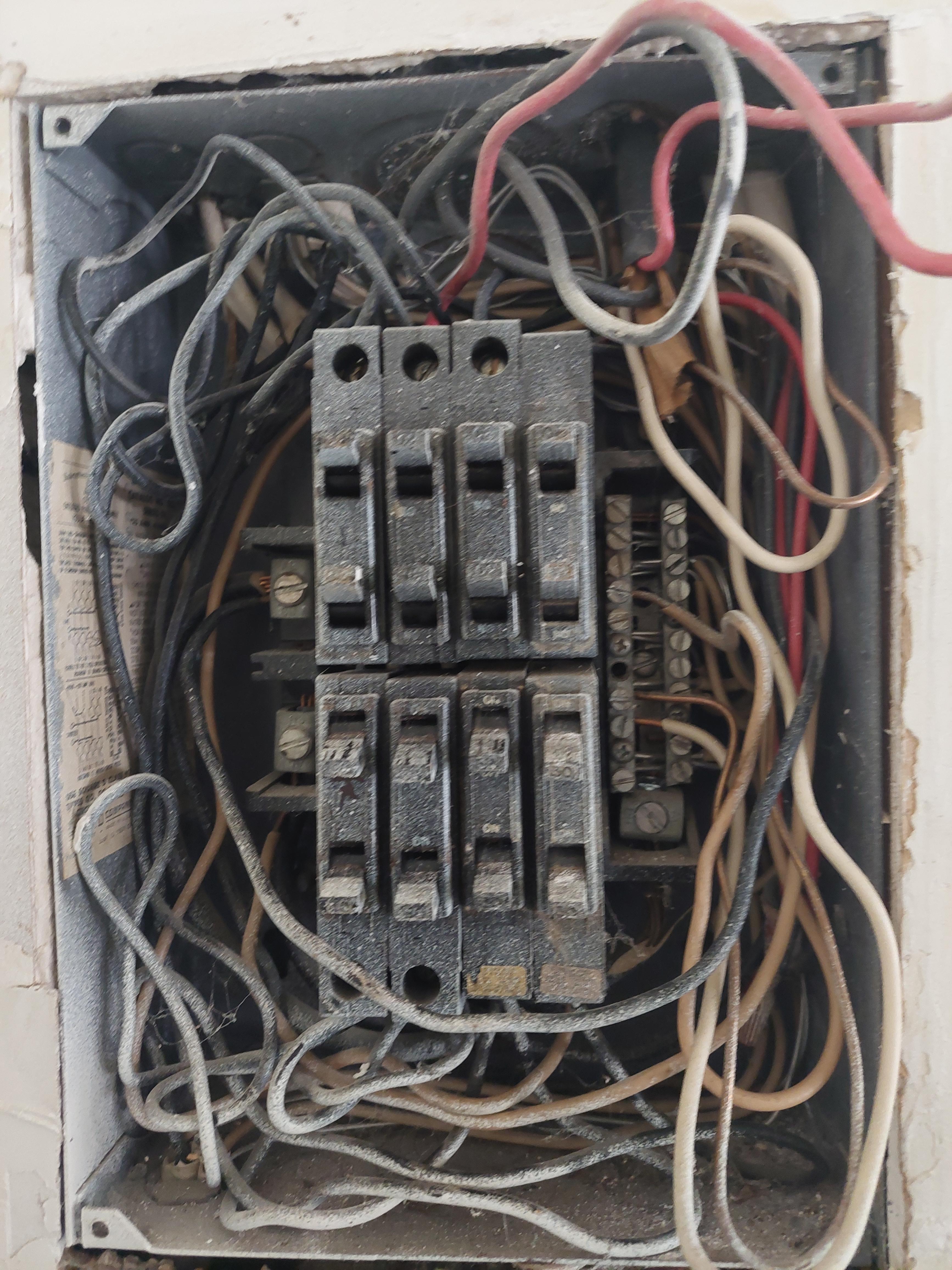
Understanding the types of outdated wiring can help you assess the safety of your home. Let’s explore the common culprits.
Aluminum and Cloth-Insulated Wires
Aluminum wiring was common in the 1960s and 70s but poses a serious risk today. It expands and contracts more than copper, leading to loose connections, which can cause fires. If you have aluminum wiring, it’s important to have it checked out by a professional.
Cloth-insulated wires, used before the 1960s, are another concern. Over time, the cloth can wear away, exposing the wire and increasing the risk of shorts or fires. It’s crucial to address these issues before they become bigger problems. Most people don’t realize how dangerous these materials can be until it’s too late.
Knob-and-Tube Wiring Concerns
Knob-and-tube wiring is even older, dating back to the early 20th century. While it was advanced for its time, it’s not suited for today’s electrical needs. This type of wiring lacks a ground wire, making it more prone to electrical shocks and fires.
If your home still has knob-and-tube wiring, it’s time to consider an upgrade. Many insurance companies won’t cover homes with this wiring due to the increased risk. Upgrading can lower your insurance premiums and ensure a safer home environment.
The Role of AFCI and GFCI Protection
AFCI (Arc-Fault Circuit Interrupters) and GFCI (Ground-Fault Circuit Interrupters) are modern safety devices that can protect your home. AFCIs prevent fires by detecting dangerous arcing conditions, while GFCIs protect against electrical shock, especially in wet areas like kitchens and bathrooms.
Installing these devices can significantly improve your home’s safety. They are a small investment for peace of mind. If you’re unsure whether your home has these protections, a professional electrician can help you find out.
Steps to Enhance Electrical Safety
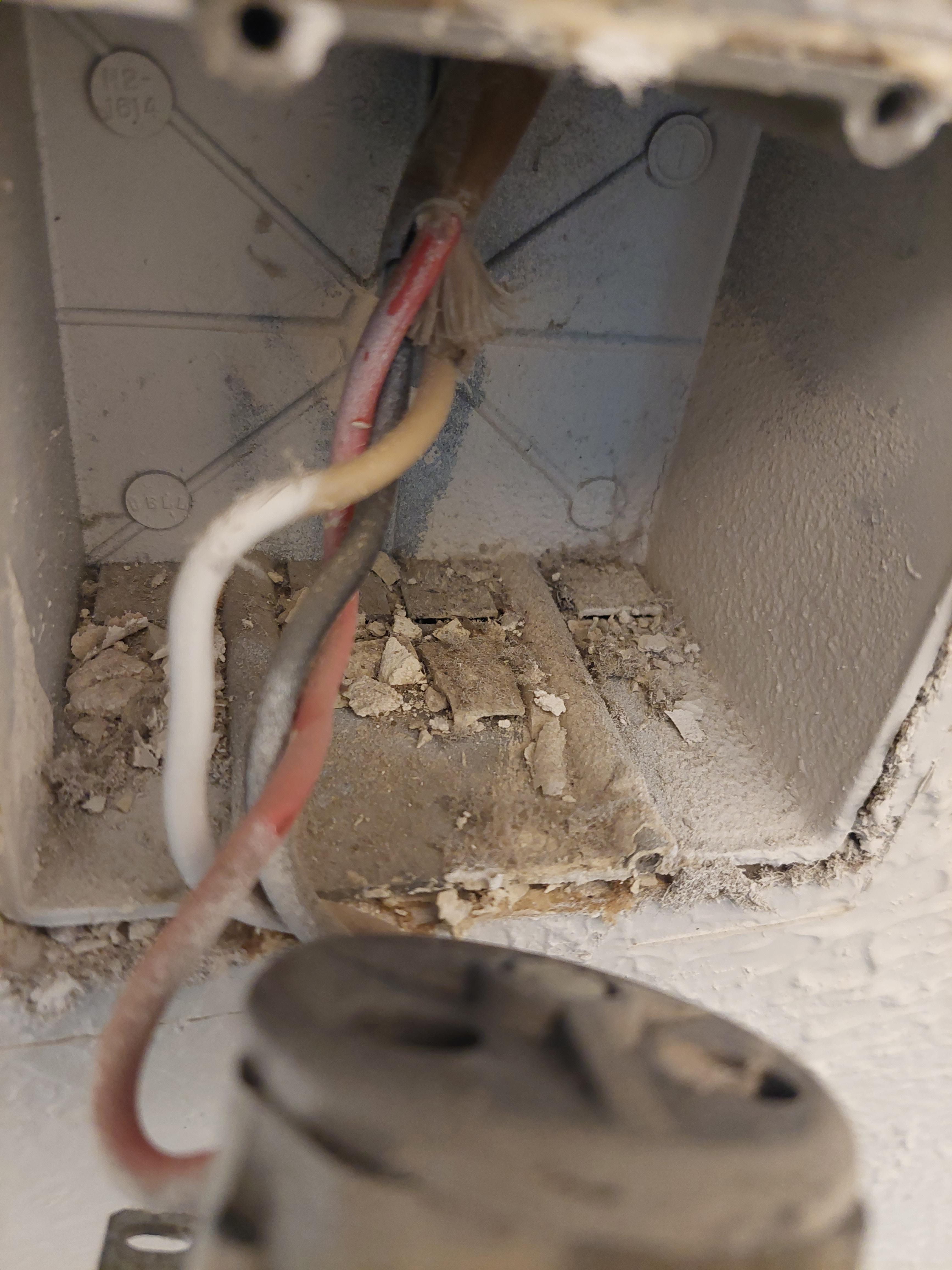
Improving your home’s electrical safety doesn’t have to be complicated. Here are some steps you can take.
Benefits of an Electrical Panel Upgrade
An outdated electrical panel can be a major safety risk. Upgrading your panel can handle more circuits and prevent overloads. A new panel can also increase your home’s value and make it safer for modern living. If your panel is older than 20 years, it’s time to consider an upgrade.
Most people don’t realize how much a panel upgrade can improve their electrical system’s reliability. It’s a smart investment in your home’s future. Remember, a safer home is a more valuable home.
Whole-Home Rewiring and Surge Protection
Rewiring your home can solve many issues, especially if you have outdated or unsafe wiring. It ensures that your home can handle modern electrical loads safely. Pairing this with surge protection can protect your appliances from unexpected power surges.
While it sounds like a big project, whole-home rewiring is often necessary for older homes. The benefits far outweigh the costs, as it reduces risks and improves overall electrical safety. Don’t wait for a problem to occur before taking action.
Scheduling a Home Electrical Inspection
Scheduling a home electrical inspection is a proactive way to ensure your home is safe. An inspection will identify any potential hazards and recommend necessary upgrades. It’s especially important if you plan to renovate or add new appliances.
Most people think inspections are only needed when selling a home, but regular checks can prevent costly repairs and ensure your family’s safety. Consider it a small step with a big impact. For more tips, join the conversation here.
In summary, ensuring your home’s wiring is up to date is crucial for safety and reliability. Don’t wait for warning signs to turn into bigger problems. Regular checks and updates can provide peace of mind and protect your investment.