Power outages are no longer just an inconvenience in North Texas—they can disrupt homes and businesses for hours. When planning a whole house generator North Texas owners trust, the details matter: from load calculation for generators to code-compliant placement and permits. This guide walks you through what to expect, helping you avoid costly surprises and get reliable backup power before the next Texas storm hits. For more insights, you can visit this guide.
Sizing Your Generator
Finding the right generator size is crucial to ensure your home or business runs smoothly during outages. The right fit depends on several factors, including your power needs and budget.
Load Calculation for Generators
The first step in sizing your generator is understanding your power needs. Start by listing all essential appliances and their wattage. Consider items like refrigerators, HVAC systems, and lighting. Add up these wattages to calculate your total power requirement. This ensures your generator can handle your load without overloading. Using a load calculation for generators helps you avoid purchasing an oversized or undersized unit.
Natural Gas vs. Propane Options
Choosing between natural gas and propane depends on availability and personal preference. Natural gas is often more convenient with a continuous supply via pipelines. It’s cost-effective and requires less maintenance. Propane, on the other hand, is stored on-site in tanks. It offers more flexibility in remote areas without gas lines. Both options have their merits, so weigh the pros and cons based on your location and needs.
Portable vs Standby Generator
Deciding between a portable and standby generator hinges on your usage needs. Portable generators are versatile and can be moved as needed. They’re ideal for short-term outages and smaller loads. Standby generators are permanently installed and kick in automatically during outages. They offer peace of mind, ensuring your entire home stays powered. If reliability and seamless operation are your priorities, a standby generator is the way to go.
Siting and Compliance Considerations
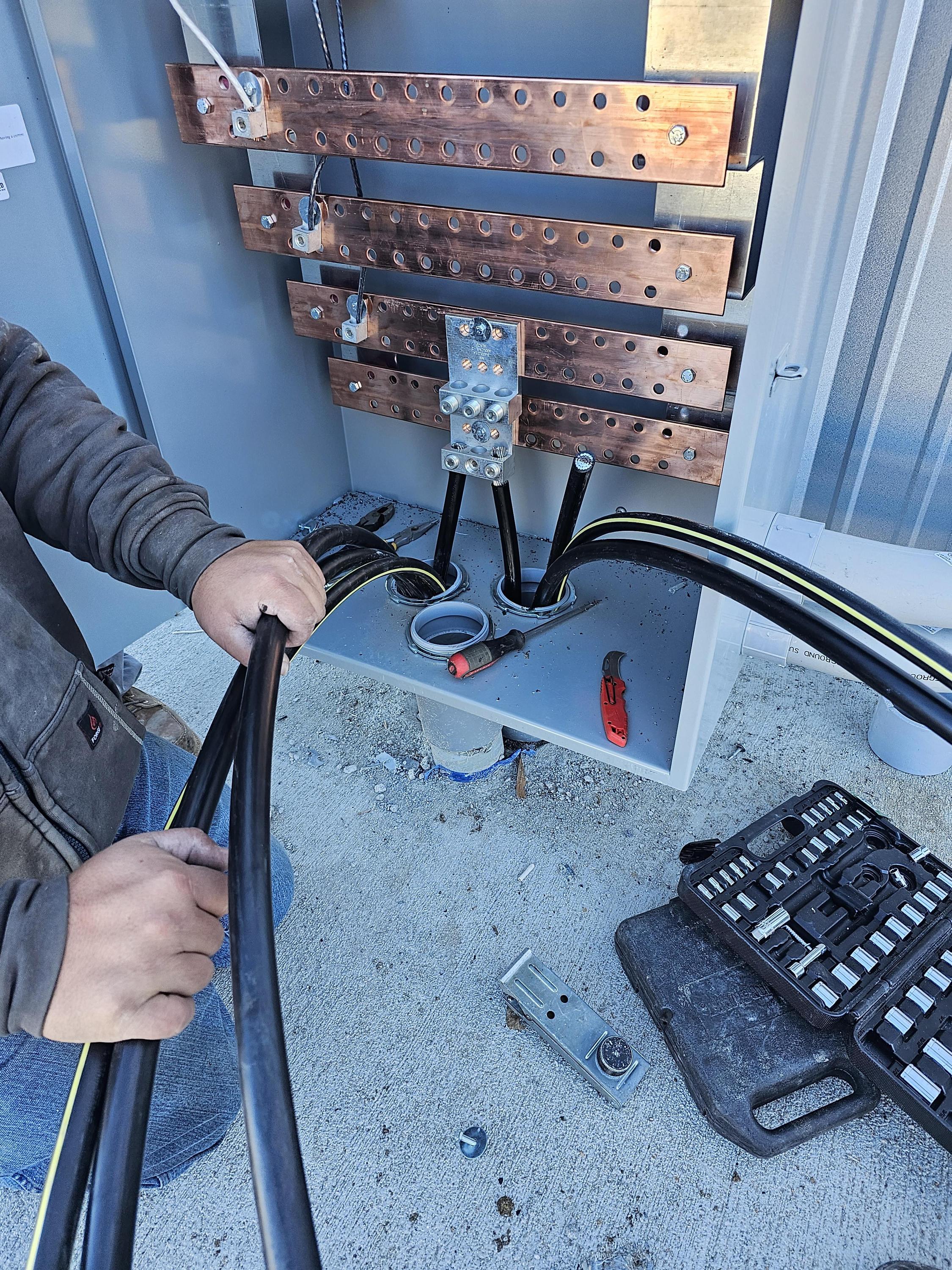
Proper placement and compliance with local codes are essential for a safe installation. These steps help ensure your generator operates efficiently while adhering to regulations.
Generator Placement Code Clearance
Your generator’s location affects its efficiency and safety. Ensure it is at least five feet away from any windows or doors to prevent exhaust fumes from entering your home. Check local codes for specific clearance requirements, as they can vary. Proper placement not only ensures operational efficiency but also keeps your setup compliant with regulations.
Plano Generator Permits and NEC Compliance
In Plano, obtaining permits and adhering to the National Electrical Code (NEC) is mandatory. Before installation, apply for the necessary permits from local authorities. This process includes inspections to verify compliance with safety standards. Following NEC guidelines ensures your installation is up to code, minimizing risks and legal issues.
Rolling Blackouts and Oncor Outage Solutions
Rolling blackouts are a reality in North Texas, particularly during extreme weather. Partnering with Oncor for outage solutions can provide additional security. They offer services to streamline the connection between your generator and the grid. This collaboration helps maintain a steady power supply during emergencies, reducing downtime.
Budgeting for Your Installation
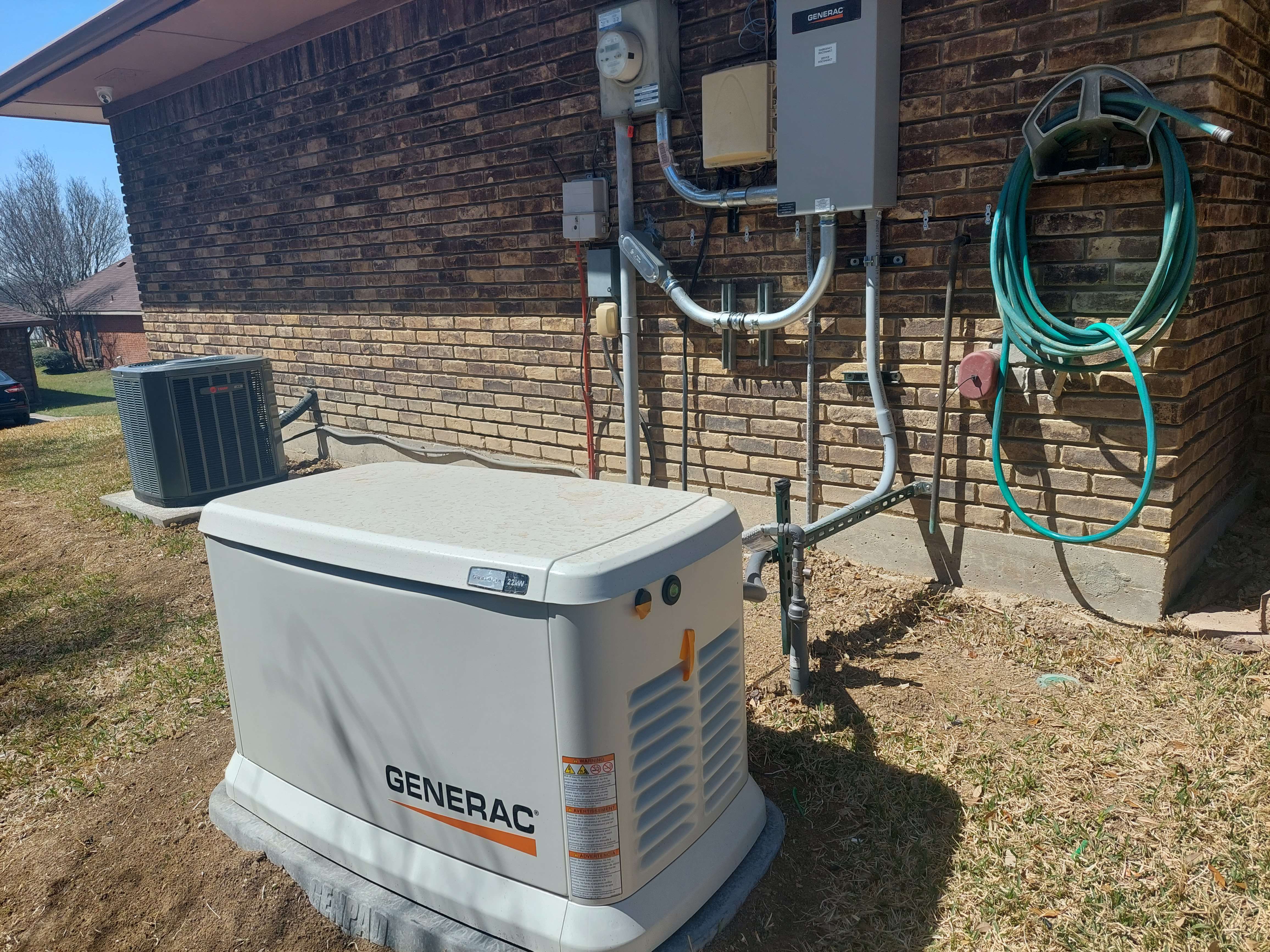
Budgeting is a critical part of planning your generator installation. Consider various costs involved to ensure a seamless setup without unexpected expenses.
Costs of Whole House Generator North Texas
The cost of a whole house generator varies based on size and features. On average, expect to spend between $5,000 and $15,000 for a reliable unit. This range includes the generator, installation, and necessary permits. Factor in additional expenses like fuel and maintenance to have a comprehensive budget.
Automatic Transfer Switch Installation
An automatic transfer switch ensures your generator kicks in seamlessly during outages. This device detects power loss and switches your home to generator power automatically. The installation cost ranges from $500 to $1,500, depending on your system’s complexity. This investment guarantees convenience and uninterrupted power supply.
Panel Upgrade and Surge Protection
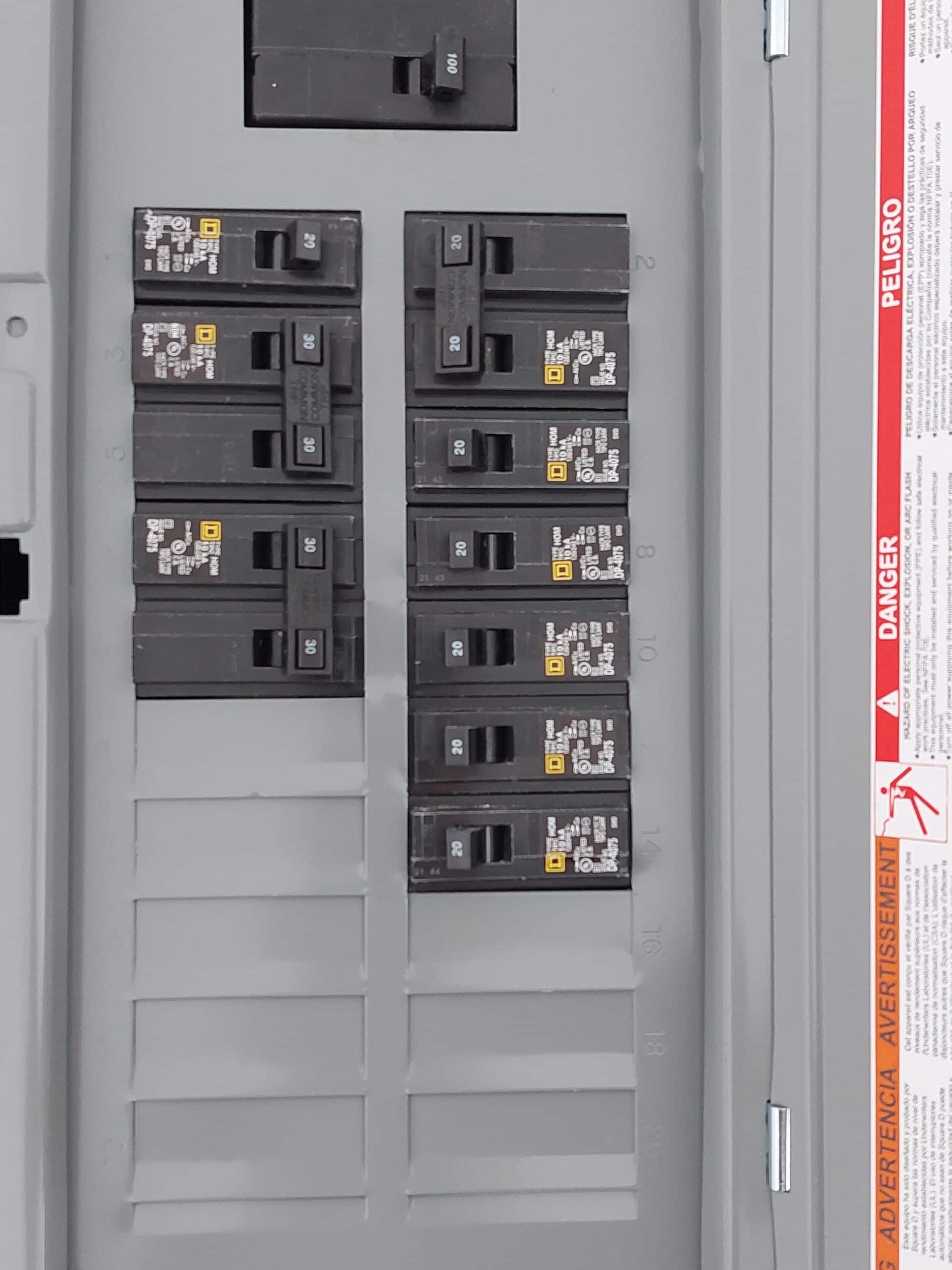
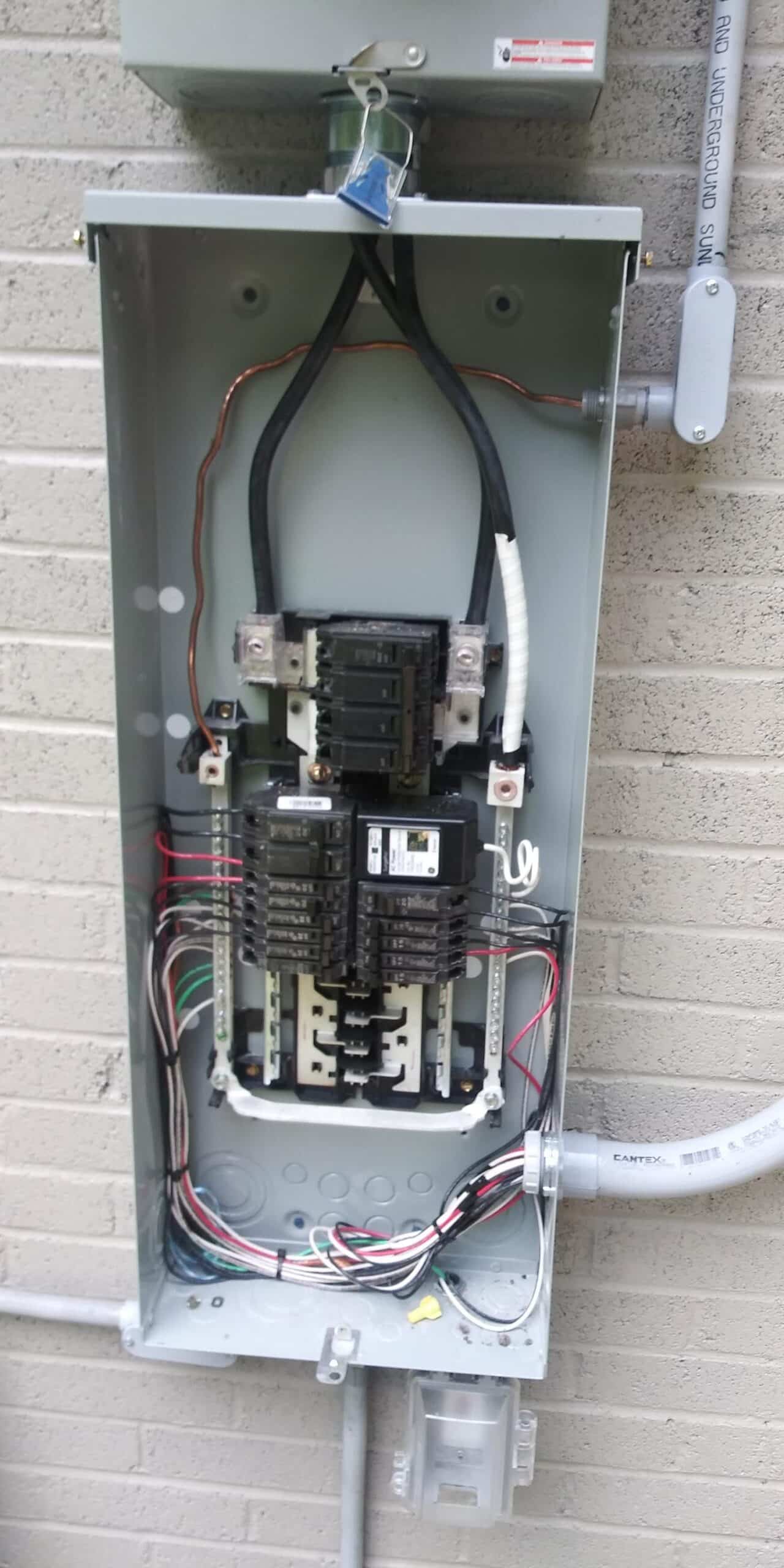
Upgrading your electrical panel may be necessary when installing a generator. A modern panel accommodates increased power demand and enhances safety. The cost varies, typically ranging from $1,500 to $3,000. Additionally, consider surge protection to shield your appliances from power spikes. This step protects your investment and ensures smooth generator operation.
Frequently Asked Questions
What size generator do I need for my home?
Calculate your total wattage needs by listing essential appliances. Add up their wattages to determine your power requirement. This ensures you choose the right generator size to meet your needs.
Which is better for generators: natural gas or propane?
Natural gas offers continuous supply and cost-effectiveness. Propane provides flexibility in remote areas. Choose based on availability and personal preference.
Do I need permits for generator installation in Plano?
Yes, obtaining permits is mandatory. Compliance with local codes and NEC guidelines ensures a safe and legally sound installation.
How does an automatic transfer switch work?
It detects power loss and automatically switches your home to generator power. This ensures seamless operation during outages without manual intervention.
Is surge protection necessary with a generator?
Yes, it shields appliances from power spikes, protecting your investment and ensuring smooth operation.