Most access control installs hit snags because of overlooked details. You might think picking a system is the hardest part, but code rules, wiring prep, and hardware choices can stall your project fast. If you’re planning a Plano access control installation, knowing what comes before the hardware saves headaches and keeps costs in check. This guide breaks down the must-knows so your office or retail space upgrade runs smooth and compliant. For more insights, check out this resource.
Key Considerations for Access Control
When planning an access control system, getting the details right from the start makes everything easier. You’ll navigate fewer obstacles if you focus on compliance, hardware choices, and infrastructure early on.
Understanding Code Compliance
Code compliance isn’t optional if you want a smooth installation. Local codes dictate everything from how devices are mounted to wiring standards. A common mistake is ignoring these requirements, which can lead to costly fixes later. Always start by reviewing the building codes specific to your area. Consult with a local expert to ensure you’re on the right track. They can advise on permits and inspections needed for your project.
Choosing the Right Hardware
Selecting the right hardware is crucial. The options range from simple keypad systems to advanced biometric scanners. Your choice should reflect your security needs and budget. Consider the following: How many doors need securing? What level of security is necessary? Also, think about future growth. Will you need to scale up as your business expands? Hardware that integrates well with existing systems can save time and money in the long run.
Preparing Your Infrastructure
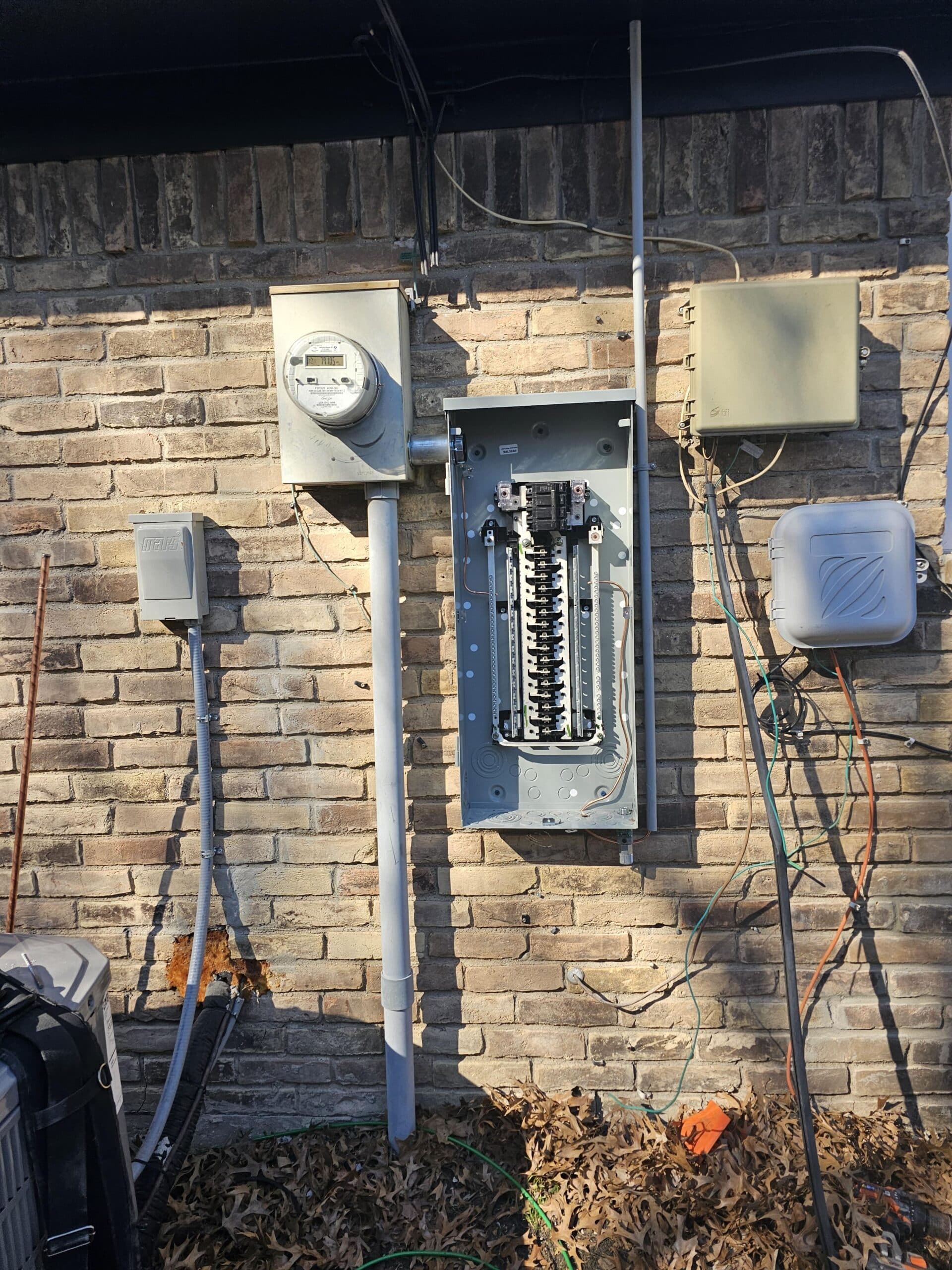
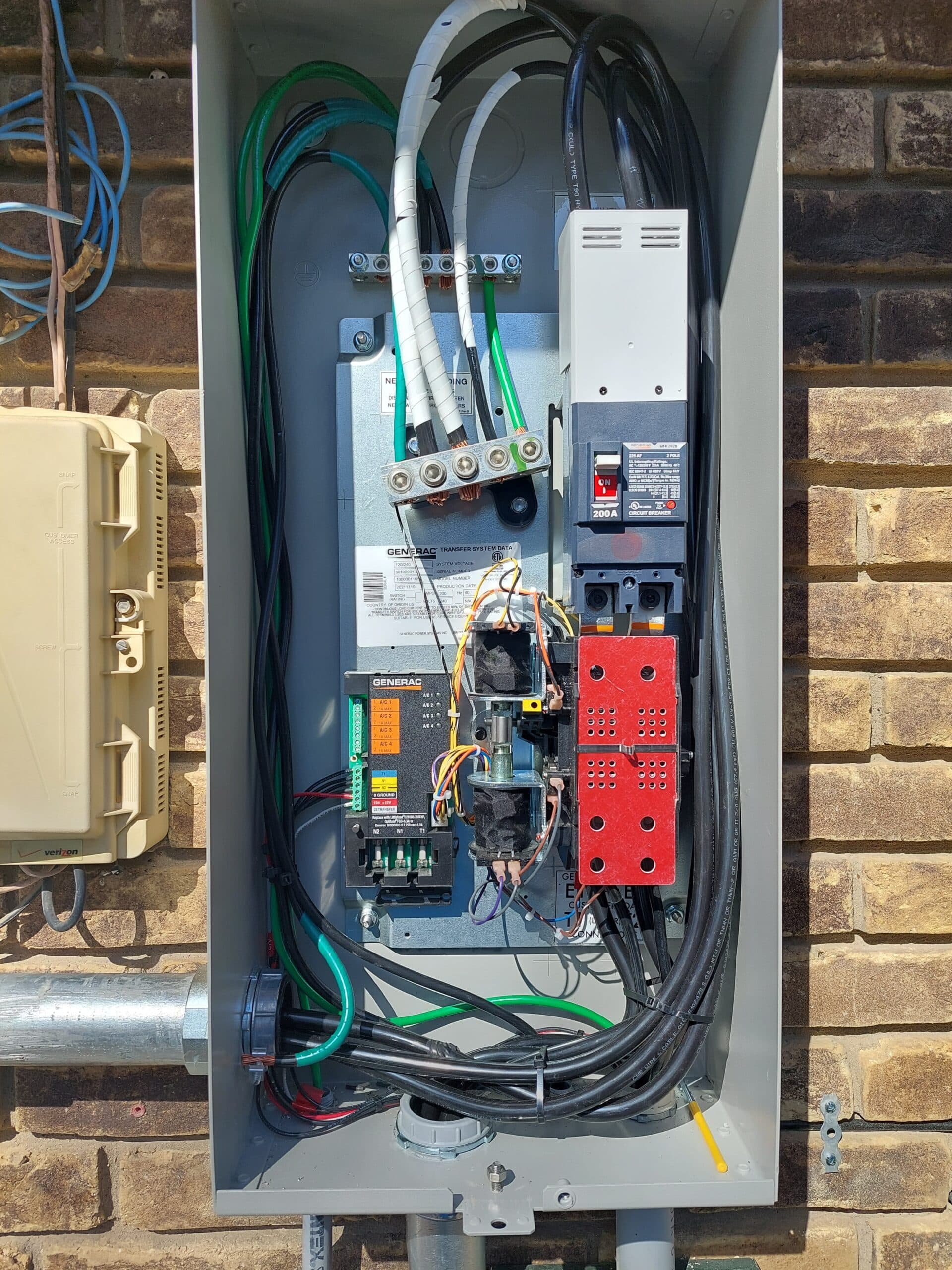
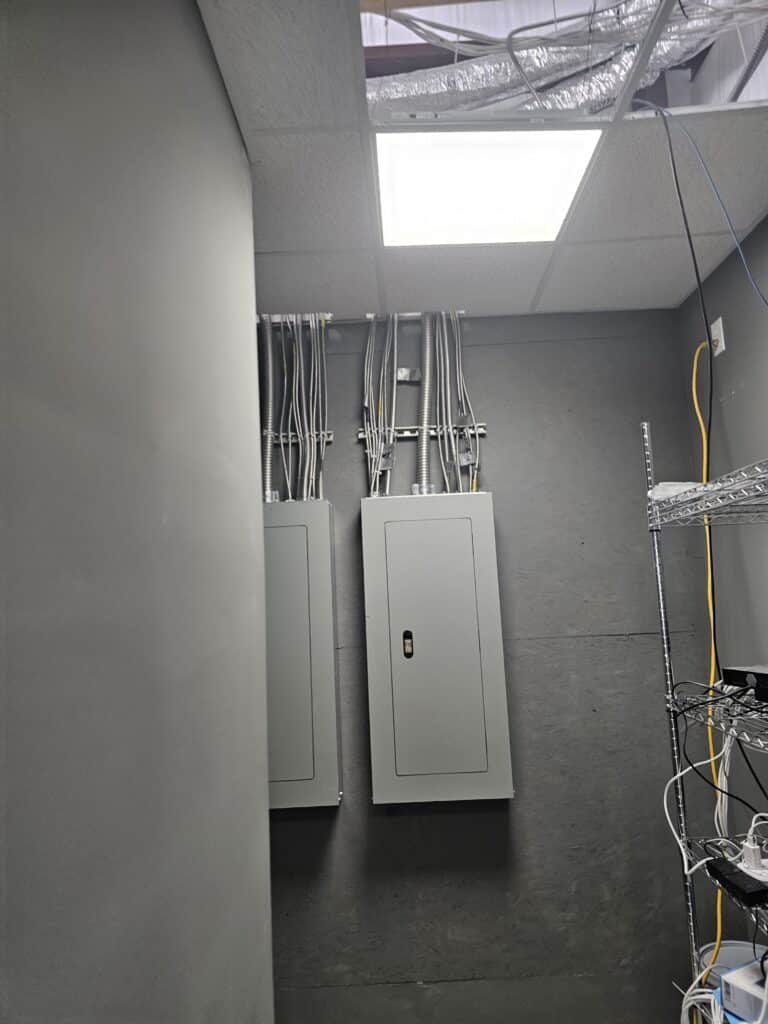
Preparation goes beyond just hardware. Your building’s infrastructure must support the new system. This means assessing your current wiring and network capacity. Are they strong enough to handle new installations? Upgrading to a reliable power source or adding backup systems might be necessary. Consider the benefits of PoE door controllers for a cleaner setup. They simplify installation by reducing the need for extensive cabling.
Plano and DFW Access Control Installation
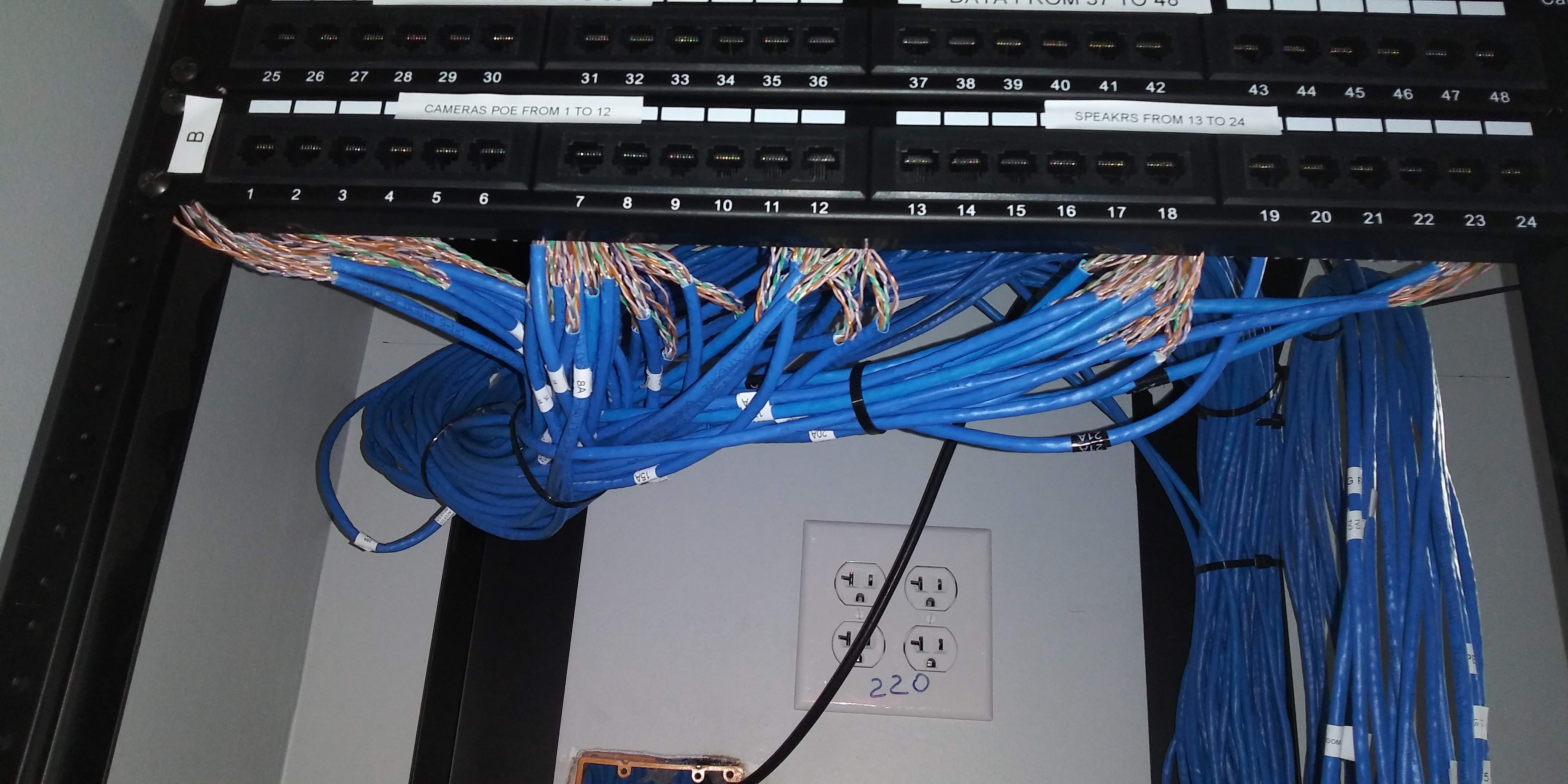
In the Plano–DFW area, businesses need tailored access control solutions. Whether it’s an office or retail space, understanding the specific security needs is key.
Office Key Card and Fob Systems
Office environments benefit greatly from key card and fob systems. These systems provide flexibility and security, allowing easy access while tracking entries. Consider cloud-based access control for ease of management; it allows remote management and real-time updates. Make sure your system supports OSDP for secure communication. This ensures your system isn’t just effective today but remains secure against future threats.
Retail Door Security Essentials
Retail spaces face distinct challenges. Loss prevention and customer safety are top priorities. A well-designed access control system can address these issues. Maglocks and electric strikes are common choices. Each has its advantages: maglocks offer strong holding force, while electric strikes are often easier to install. Evaluate your store’s layout and traffic to decide which is best. Additionally, integrating alarms can enhance security by deterring unauthorized access and alerting staff to potential issues.
Integrating Security with Cameras
Combining access control with surveillance cameras boosts security. Cameras provide visual verification of entry events, adding an extra layer of security. They can be integrated into your existing system for seamless operation. Look for systems that support third-party camera integration, ensuring flexibility and scalability. A comprehensive approach involving both access control and video monitoring can significantly elevate your site’s security posture.
Enhancing Security and Compliance
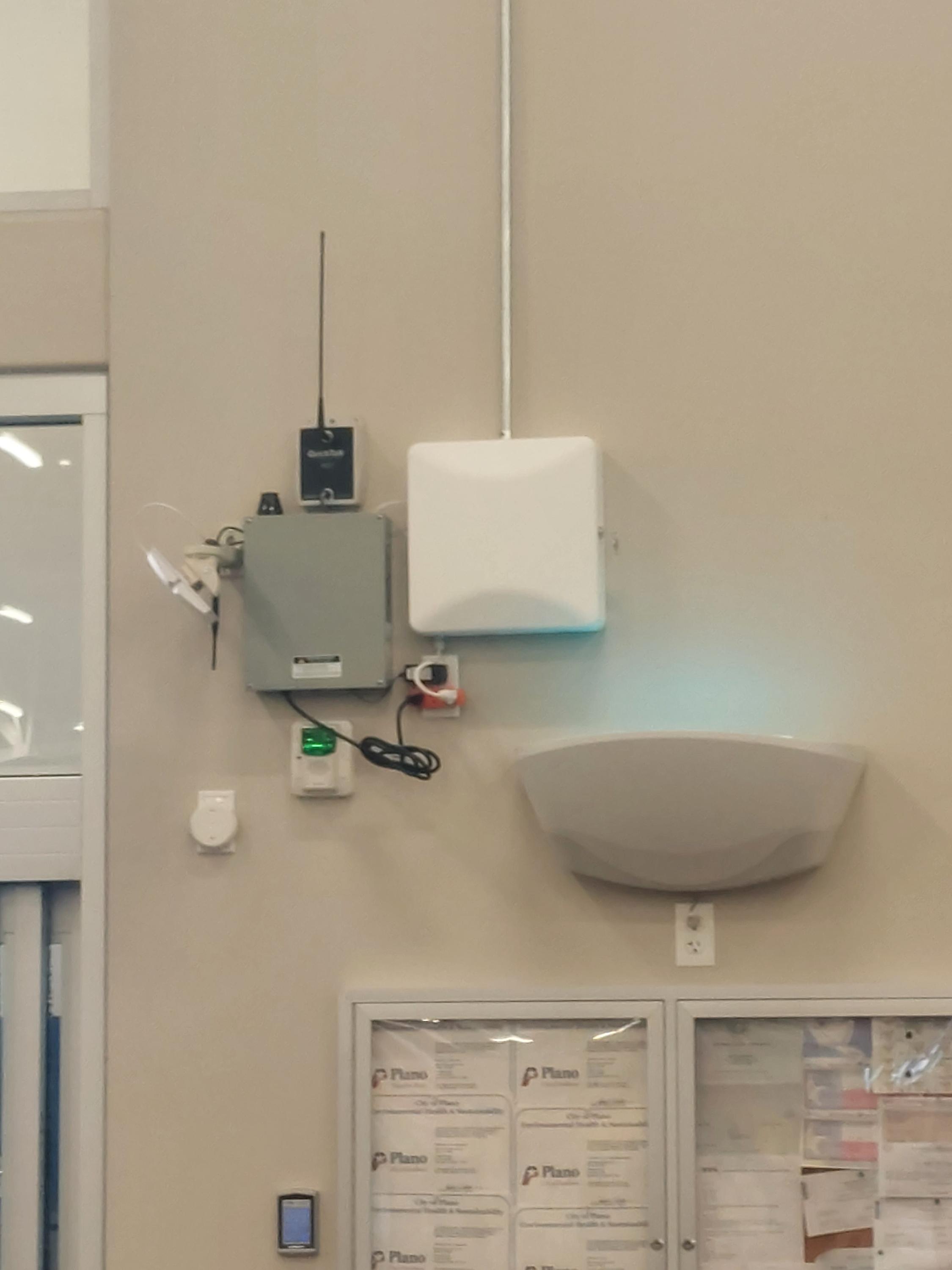
Beyond basic setup, enhancing your system with advanced features ensures safety and compliance.
ADA Door Operator Integration
Compliance with ADA requirements is a must. Integrating door operators that meet these standards ensures accessibility for everyone. These features not only comply with legal requirements but also enhance user experience. Your system should allow easy integration with automatic doors, making entrances more accessible and user-friendly.
Managing Egress and Fire Code Compliance
Egress and fire safety codes are vital for any space. Access control must not impede emergency exits. Design your system to allow free egress during emergencies. Consider devices that automatically unlock when fire alarms are triggered. This ensures compliance while maintaining safety. Regular checks and updates to your system can prevent costly penalties and enhance overall safety.
Visitor Management and Multi-Tenant Security
Visitor management systems enhance security by tracking who enters and exits your space. This is crucial for multi-tenant buildings where many people come and go daily. Implementing a visitor management system can keep a log of all visitors and issue temporary access cards. This ensures only authorized individuals access sensitive areas. A well-integrated system can also enhance tenant security, ensuring peace of mind for all building occupants.
Frequently Asked Questions
What should I consider before installing an access control system?
Before installing an access control system, consider compliance with local building codes, the right hardware for your needs, and your building’s infrastructure capacity. This preparation prevents costly mistakes.
How does integrating cameras with access control improve security?
Integrating cameras with access control provides visual verification of entry events, adding an extra security layer. It allows monitoring and recording of who accesses your premises and when.
Why is ADA compliance important in access control systems?
ADA compliance ensures that access control systems are accessible to everyone, including those with disabilities. It not only meets legal requirements but also improves the user experience by making entrances more accessible.