Most property managers in Plano face unexpected electrical issues that shut down operations and frustrate tenants. Skipping routine checks often leads to costly repairs and safety risks that could have been avoided. This commercial electrical maintenance checklist lays out essential steps to keep your building running smoothly, meet Texas electrical codes, and reduce emergency calls—making your job simpler and your tenants safer.
Plano Electrical Maintenance Essentials
In Plano, ensuring smooth operations and tenant safety requires a solid understanding of routine electrical maintenance. This section highlights key inspections that property managers should prioritize.
Key Routine Inspections
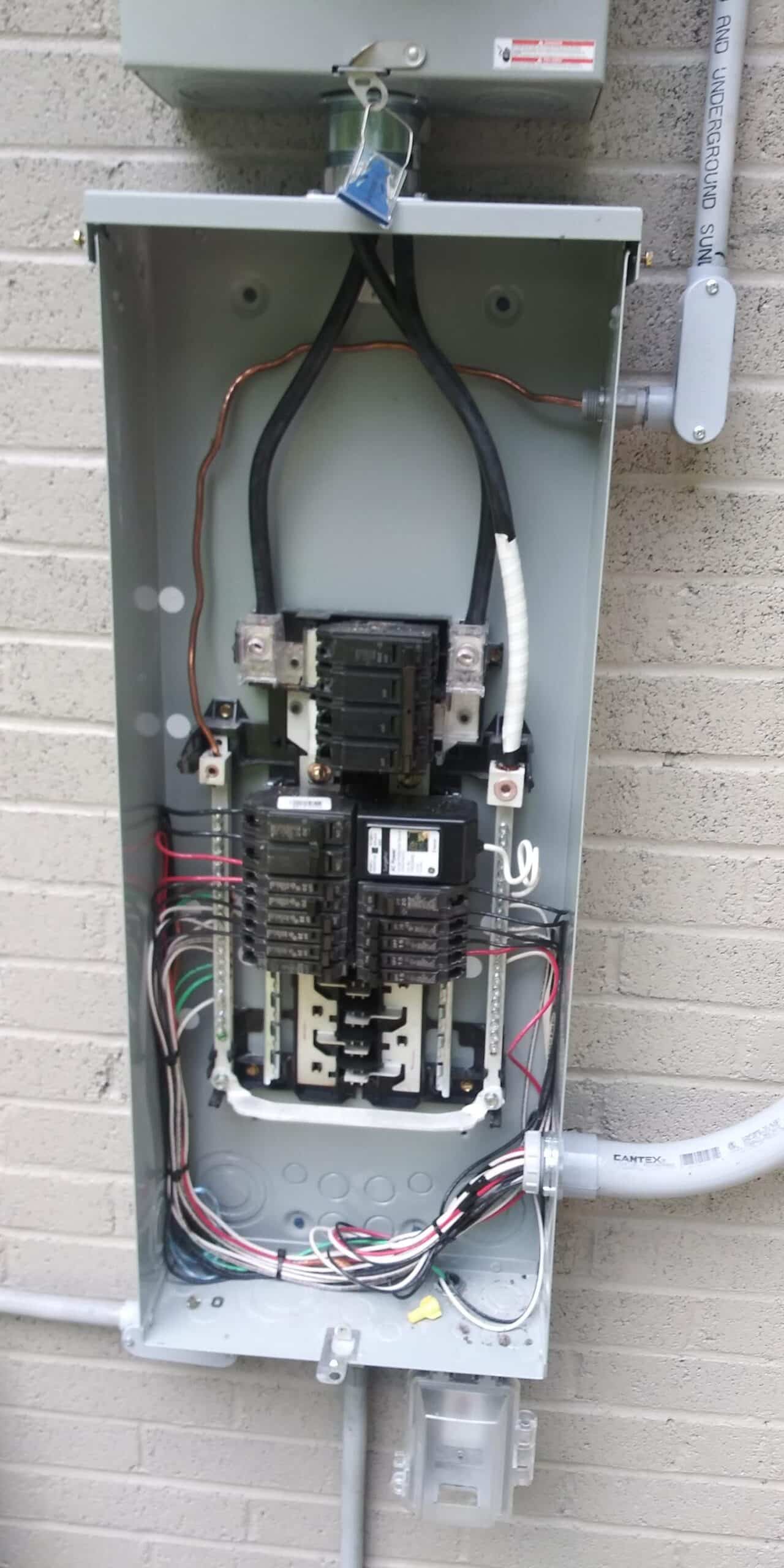
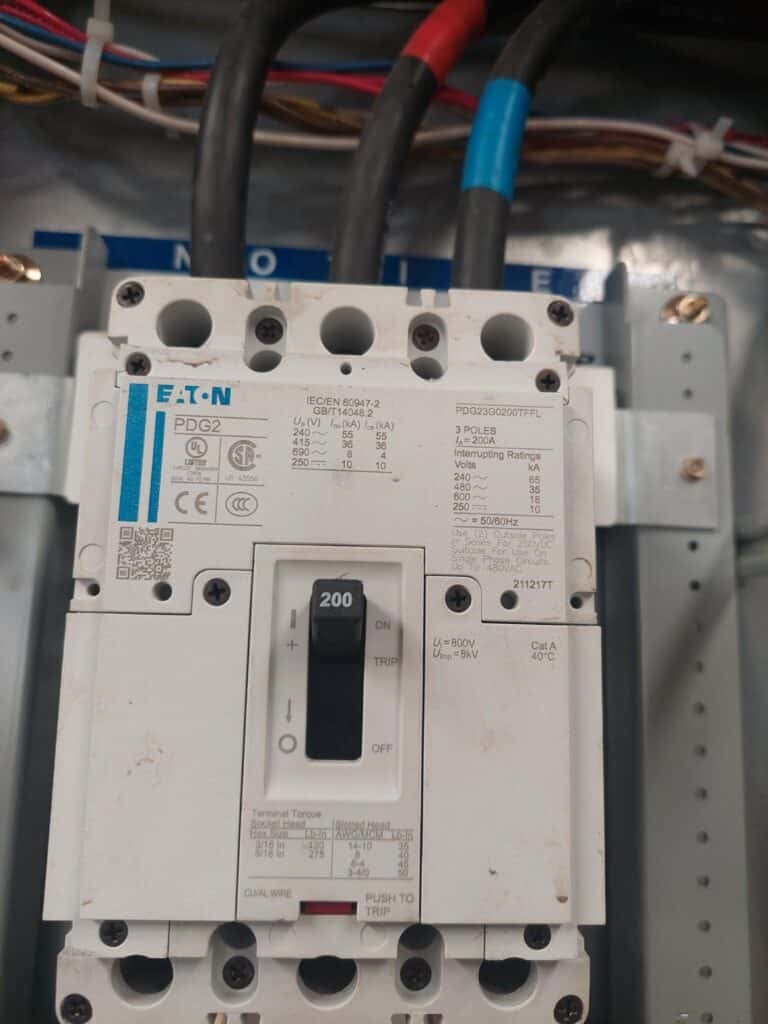
Regular inspections are the backbone of effective electrical maintenance. Start with checking your electrical panels and breakers. Look for signs like tripped breakers or unusual noises, as these can indicate deeper issues. Don’t forget the importance of inspecting lighting systems. Flickering lights often signal electrical problems. Make sure to test emergency lighting and exit signs regularly; these are crucial for tenant safety and are often required by code.
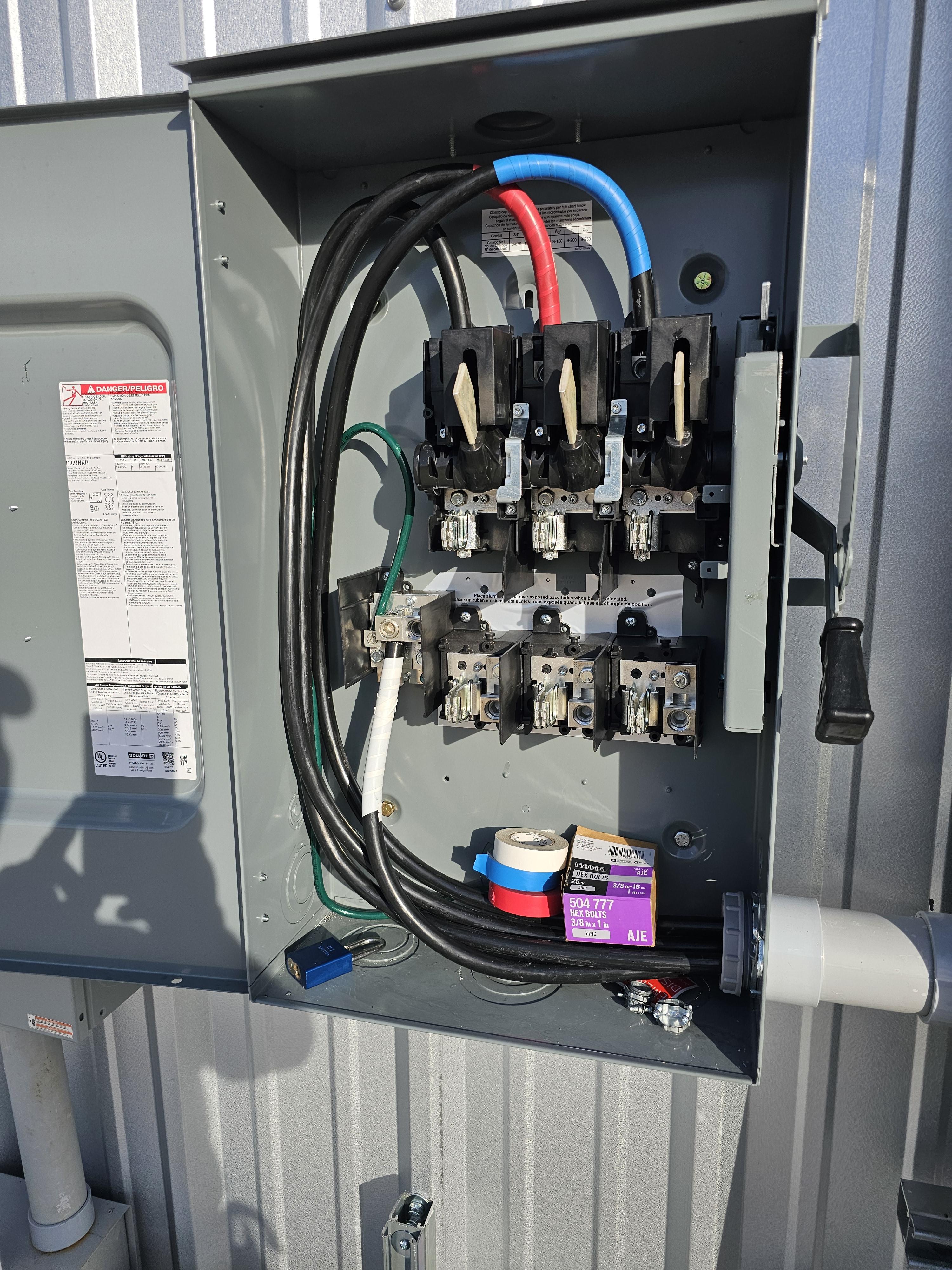
Equally important is verifying your building’s grounding system. Ground faults pose serious risks, so routine checks are a must. You should also keep an eye on your surge protection devices. These help safeguard equipment, and regular inspections ensure they’re still effective.
Tenant Safety and Equipment Longevity
Tenant safety is paramount, and proper maintenance plays a crucial role. Ensuring that all outlets and switches are in good condition can prevent potential hazards. Regularly test smoke detectors and fire alarms, as these are critical for early warning in emergencies.
By maintaining electrical systems, you also extend the life of your equipment. Regular maintenance reduces the strain on your electrical systems, preventing costly breakdowns. This means fewer disruptions for tenants and less stress for you.
Partnering with a Plano Electrician
To keep your electrical system in top shape, consider partnering with a local electrician. A seasoned professional can provide valuable insights and help with more complex tasks. They can assist with routine checks, identify potential issues early, and ensure compliance with all relevant codes.
Partnering also offers peace of mind. Knowing that a knowledgeable expert is available for emergencies reduces the strain on you and ensures quick resolution of issues.
Practical Electrical Maintenance Tips
Building on routine inspections, you need practical tips to streamline your maintenance tasks. Here’s a checklist tailored for property managers.
Checklist for Property Managers
-
Monthly Checks: Inspect common area lighting and test exit signs.
-
Quarterly Tests: Conduct infrared thermography on electrical panels to detect hot spots.
-
Biannual Maintenance: Review surge protection devices and update as needed.
-
Annual Inspections: Complete a full building electrical safety audit to ensure code compliance.
By following this checklist, you can address potential problems before they escalate, saving time and money.
Important Electrical Safety Tests
Safety tests are non-negotiable for maintaining a secure building. Start with testing your fire alarm system. Make sure it’s fully functional and meets all local safety standards. Additionally, conduct regular tests of your emergency lighting system. This ensures safe building evacuation during power outages.
Perform insulation resistance tests on wiring systems. This helps identify deteriorating insulation, which could lead to dangerous faults. Such tests are fundamental for tenant safety and equipment protection.
Preventive Maintenance for Businesses
Preventive maintenance is key to avoiding emergencies. Regularly cleaning electrical equipment removes dust and debris that can cause overheating. Schedule annual inspections of your backup generator to ensure it operates when needed.
Preventive care also includes reviewing and updating electrical schematics. This ensures that any modifications or upgrades are accurately documented, facilitating future maintenance and repairs.
Code Compliance and Emergency Services
Understanding electrical codes and having a plan for emergencies is essential. This section covers what property managers need to know.
Understanding Electrical Code Compliance
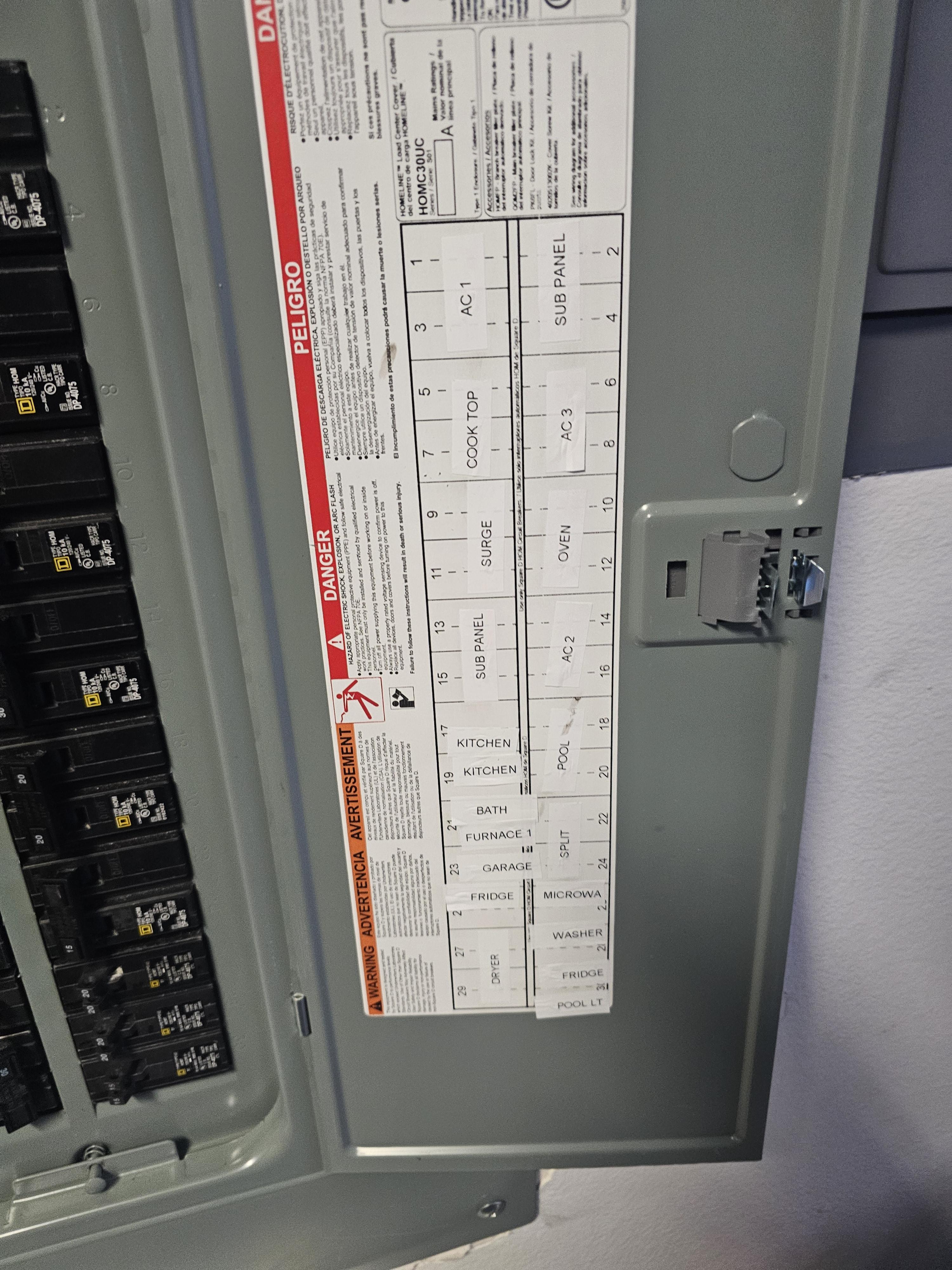
Complying with electrical codes is vital for legal and safety reasons. Ensure that all electrical work adheres to the standards defined by the National Electrical Code (NEC). This includes proper labeling of circuits and maintaining clear access to electrical panels.
Routine audits can help confirm that your property meets all necessary regulations. Staying compliant not only avoids fines but also ensures tenant safety.
24/7 Emergency Electrical Services
Electrical emergencies can happen anytime, so having a reliable response plan is crucial. Partner with an electrician offering 24/7 services to handle urgent issues like power outages or sparking outlets. Quick response can prevent damage and ensure tenant safety.
Being prepared for emergencies reduces downtime and demonstrates to tenants that their safety is a priority.
Scheduling Maintenance and Inspections
Regular scheduling of maintenance and inspections helps prevent issues and ensures compliance. Develop a maintenance calendar that includes all necessary checks, tests, and audits. Consistency is key to a well-maintained building.
Incorporate reminders for upcoming tasks, ensuring nothing is overlooked. Proper scheduling keeps your building safe and operational.
Frequently Asked Questions
What are the signs of electrical panel issues?
Frequent breaker trips, unusual noises, and a burning smell are common indicators. Regular inspections can catch these early.
How often should emergency lighting be tested?
Monthly tests are recommended to ensure all systems function properly in an emergency.
Why is a partnership with a local electrician important?
Local electricians provide expert knowledge, help maintain compliance, and respond quickly to emergencies, ensuring tenant safety.
How can preventive maintenance benefit my building?
It reduces the risk of emergencies, extends equipment life, and saves money on repairs over time.
What should a maintenance schedule include?
Include monthly, quarterly, and annual tasks covering inspections, tests, and updates to maintain safety and compliance.