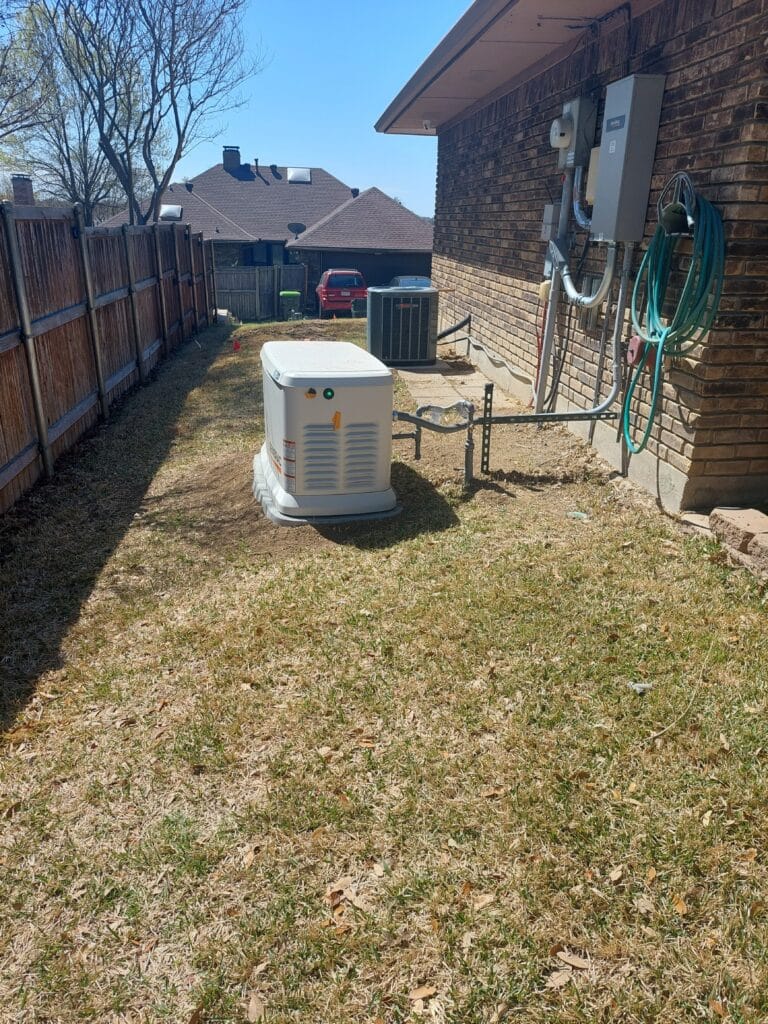
Power outages in North Texas can strike without warning, leaving homes and businesses in the dark when they need power most. If your backup generator isn’t sized right or lacks the right fuel setup, you could face costly downtime and frustration. This guide walks you through key steps—from load calculations to code requirements—to ensure your standby power system keeps everything running smoothly when the grid goes down. Learn more about being storm-ready with this practical guide to backup generator planning for North Texas homes and businesses.
Sizing Your Backup Generator
Choosing the right generator size is crucial for ensuring your home or business can withstand power outages. Here, we break down the steps to get your generator sizing just right.
Calculating Power Needs
Before you pick a generator, it’s vital to determine your power needs. Start by listing all the essential devices and appliances you want to keep running during an outage. From refrigerators to lights, note each item’s wattage. You can find this information on the appliance’s label or manual. Make sure to add some extra watts for startup surges that appliances like refrigerators and air conditioners may need.
Once you have your total wattage, consider any additional devices you might want to power during an extended outage. This calculation will guide you in selecting a generator with the right capacity to meet your needs without overloading the system.
Choosing Between Critical Loads and Whole-Building
Deciding whether to power just critical loads or your entire building is essential for your backup plan. Critical loads include essential items like lights, refrigerators, and HVAC systems. A generator that covers these can keep your home functional during short outages.
On the other hand, a whole-building generator can power everything, ensuring full continuity. This choice provides comfort and convenience but comes at a higher cost. Consider your budget and how often power outages occur in your area when making this decision.
Generator Sizing and Load Calculation
Generator sizing involves more than just adding up wattages. You need to consider factors such as voltage drops, efficiency, and future expansion. Consulting a professional can help you get the most accurate load calculation.
A professional can also assist with complex aspects like load management and shedding. This involves prioritizing which loads the generator will power first, ensuring efficiency. Proper generator sizing not only ensures effective power supply but also prolongs the life of your generator system.
Fuel Options for Generators
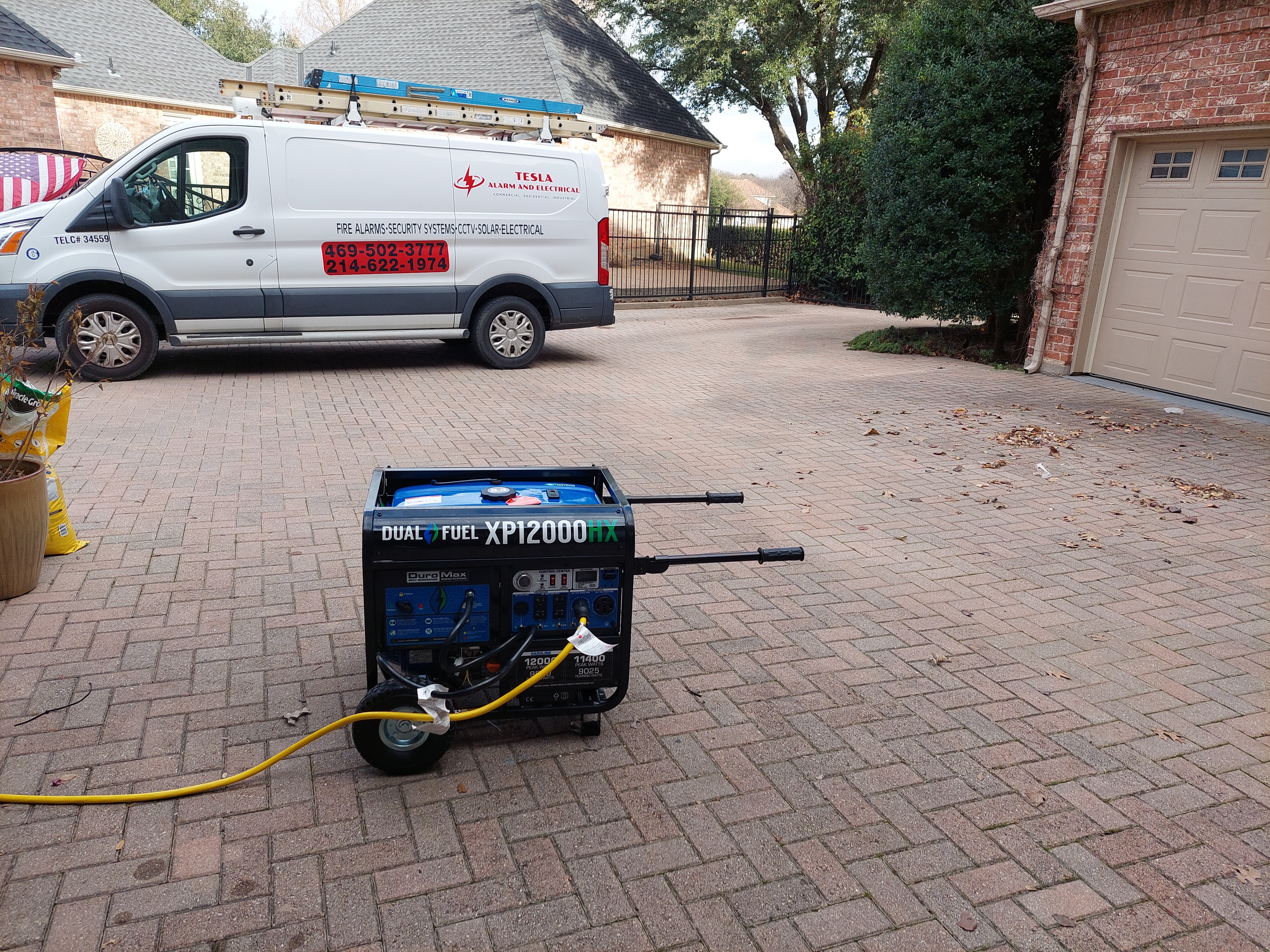
Choosing the right fuel for your generator is as important as the generator itself. Let’s explore the common fuel options available and their suitability for North Texas.
Natural Gas Generator Texas
Natural gas is a popular choice in Texas due to its reliability and convenience. With natural gas generators, you have a constant fuel supply, eliminating the need for storage. They are also more environmentally friendly compared to other fuels.
However, natural gas may not be available in all areas. If your home or business is in a location without natural gas service, you’ll need to consider alternative fuel options. It’s essential to weigh the convenience of natural gas against its availability when making your decision.
Propane Generator Plano
Propane is another excellent choice for generators, especially in Plano. It burns cleanly, reducing emissions and is easy to store in bulk. Propane generators provide reliable power and are particularly useful if you experience frequent outages.
The downside is that propane requires regular refilling and storage space. Consider your storage capacity and how often you might need to refill when choosing propane. A propane generator can be a robust backup power solution if these factors align with your needs.
Installation and Compliance Steps
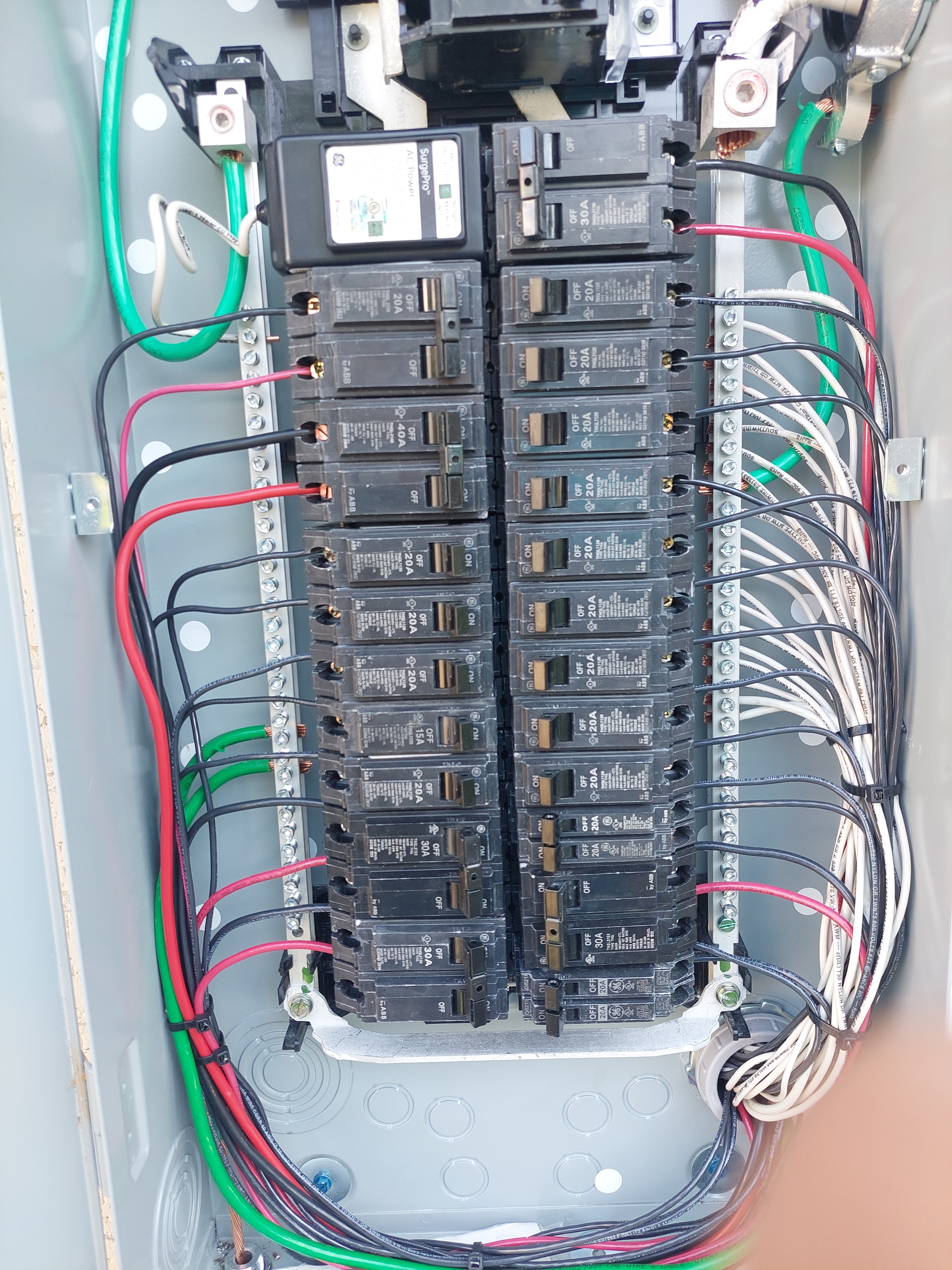
Ensuring proper installation and compliance is critical for the safe operation of your generator. Here’s what you need to know about the installation process.
Automatic Transfer Switch and Placement Planning
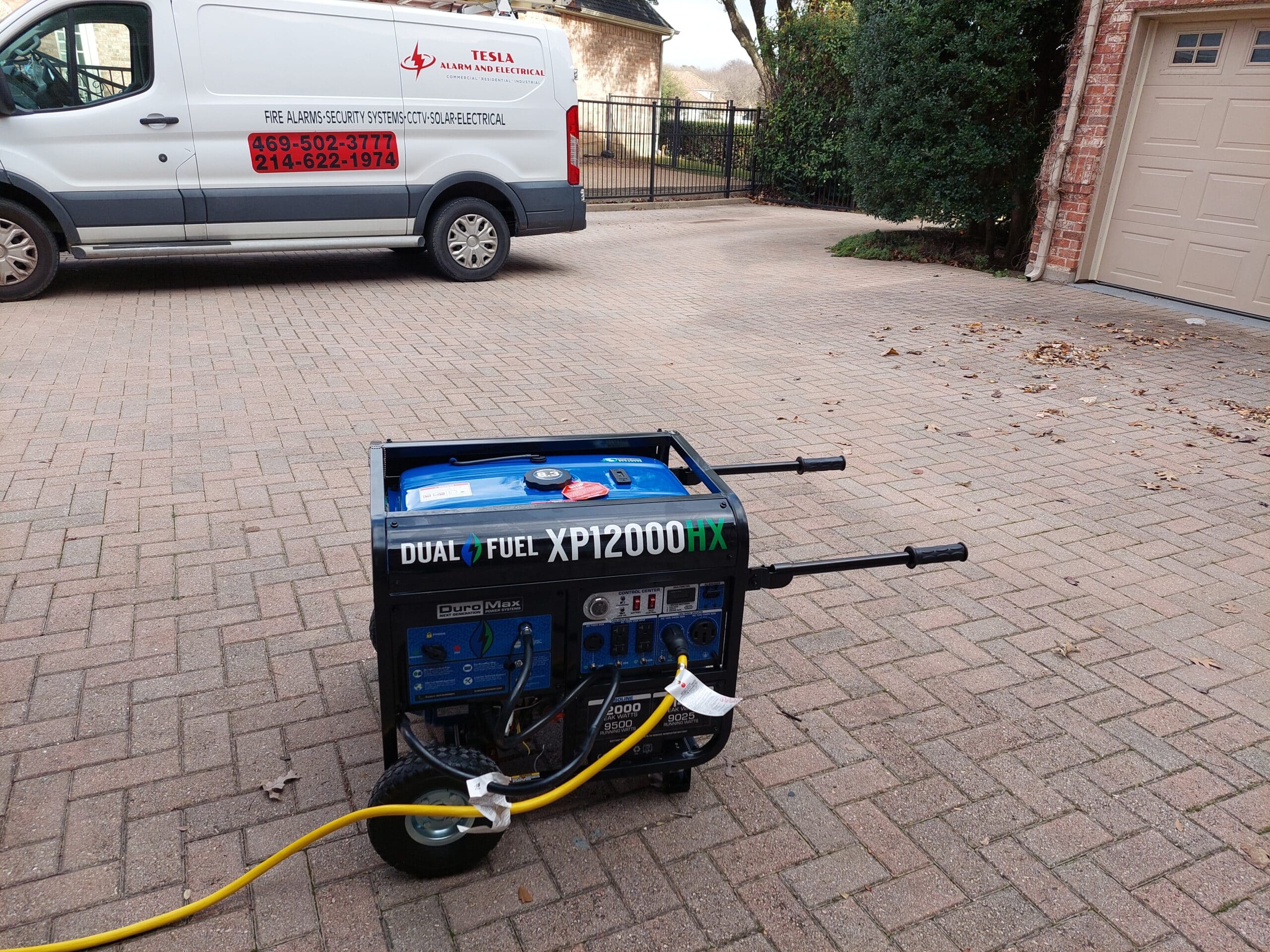
An automatic transfer switch (ATS) is crucial for seamless power transition during an outage. It automatically switches your power source from the grid to the generator, ensuring uninterrupted service. Proper placement of both the ATS and generator is key to efficient operation.
Consider factors such as distance from your main electrical panel and local zoning regulations when planning placement. A well-placed generator not only functions better but also reduces installation costs and complexity.
Permit and Code for Generators Plano
Before installing a generator in Plano, it’s important to understand local permit and code requirements. Failure to comply can result in fines and legal issues. Contact your local authorities to check what permits are necessary for your area.
Working with a certified installer ensures compliance with all regulations, providing peace of mind that your installation meets the highest safety standards. This step is crucial for both residential and commercial standby generator installations.
Panel Upgrade for Generator
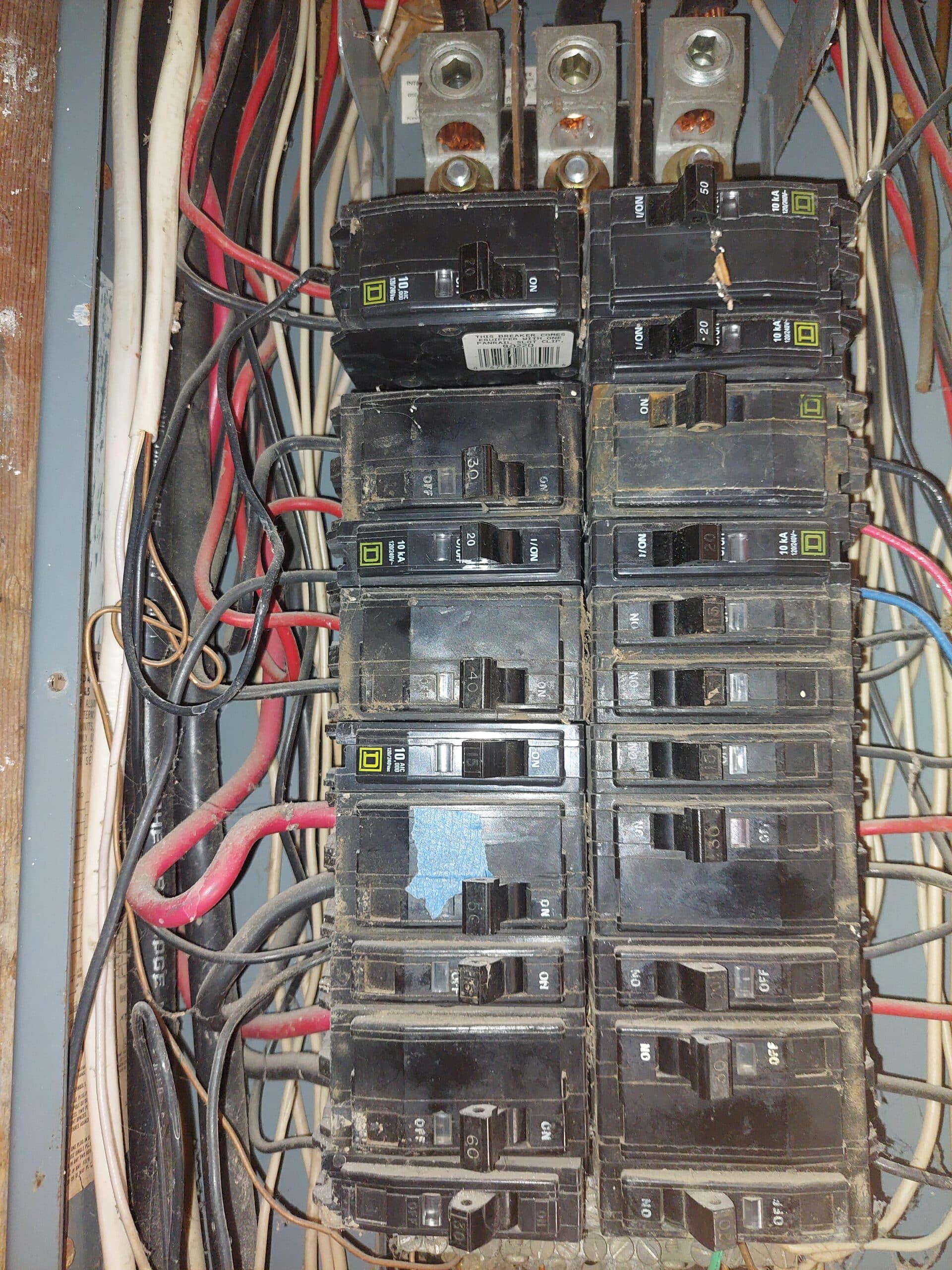
If your current electrical panel is outdated, a panel upgrade might be necessary before installing a generator. Older panels may not support the additional load a generator requires, posing safety risks.
Upgrading your panel can enhance your electrical system’s capacity and safety. It ensures your generator operates efficiently and your home remains safe during outages. A professional evaluation can help determine if a panel upgrade is needed for your specific situation.
Frequently Asked Questions
What size generator do I need for my home?
The size depends on the total wattage of all essential appliances you want to power. Consider factors like startup surges and future needs. Consulting a professional can provide a precise calculation.
Is it better to power the whole house or just critical loads?
This depends on your budget and how often outages occur. Whole-house generators offer more comfort but are costlier. Critical load generators are more budget-friendly and can suffice for short outages.
What’s the difference between natural gas and propane generators?
Natural gas is convenient with a constant supply but may not be available everywhere. Propane is clean-burning and easy to store but requires regular refills. Choose based on availability and convenience.
Do I need a permit to install a generator in Plano?
Yes, obtaining the necessary permits is important for compliance and safety. Contact local authorities for specific requirements and work with a certified installer for hassle-free compliance.
Why might I need a panel upgrade for my generator?
An older panel may not handle the extra load from a generator, risking safety. Upgrading ensures safe and efficient operation, protecting your home during power outages.