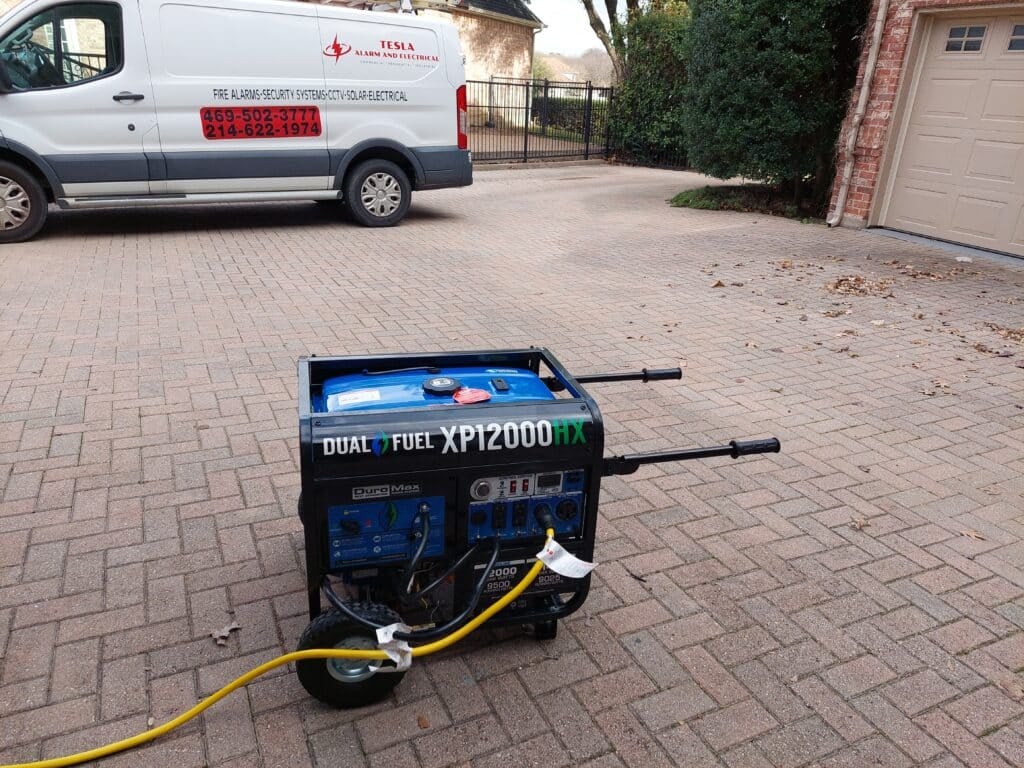
North Texas power outages can strike without warning, leaving homes and businesses in the dark. If you’ve faced sudden blackouts, you know how frustrating it is to scramble for a solution that fits your needs. Planning a backup generator in Plano or Dallas means tackling load sizing, fuel options, placement, and permits before the next outage hits. In this guide, you’ll learn practical steps to design a reliable standby generator system tailored for your property’s unique demands. For more information, you can check out this guide.
Planning Your Backup Generator
Planning your backup generator involves several steps that ensure your system is tailored to your needs. We’ll discuss load sizing, fuel choices, and more.
Assessing Load and Sizing Needs
To start, determining your electricity needs is crucial. How much power do you need during an outage? List essential appliances and systems. Are you aiming to power your home entirely or just critical devices? These questions help you figure out the right generator size. Calculating the load involves adding the wattages of all devices you want to keep running. It’s better to err on the side of caution and choose a slightly larger generator than needed. For personalized guidance, consider consulting a professional who can provide a detailed generator sizing and load calculation.
Deciding Between Natural Gas and Propane
Choosing between natural gas and propane depends on availability and preference. Natural gas offers convenience if you have a pipeline connection; it’s often more affordable over time. Propane, however, is stored on-site, meaning it can be a suitable choice where natural gas isn’t accessible. Consider storage and refueling logistics when making your decision. Propane tanks need regular checks and refills, while natural gas systems are typically maintenance-free in this regard. Both options have their pros and cons, so weigh them against your specific needs.
Strategic Placement and Code Compliance
Generator placement is more than just aesthetics. You must consider noise levels, proximity to windows, and local code requirements. In general, your generator should be at least a few feet away from any structure to prevent carbon monoxide buildup. Consulting local guidelines ensures you’re compliant and avoids potential fines. Additionally, consider how easy it is to access the generator for maintenance and repairs. Proper placement not only ensures safety but also affects the longevity and efficiency of your system.
Installation Essentials
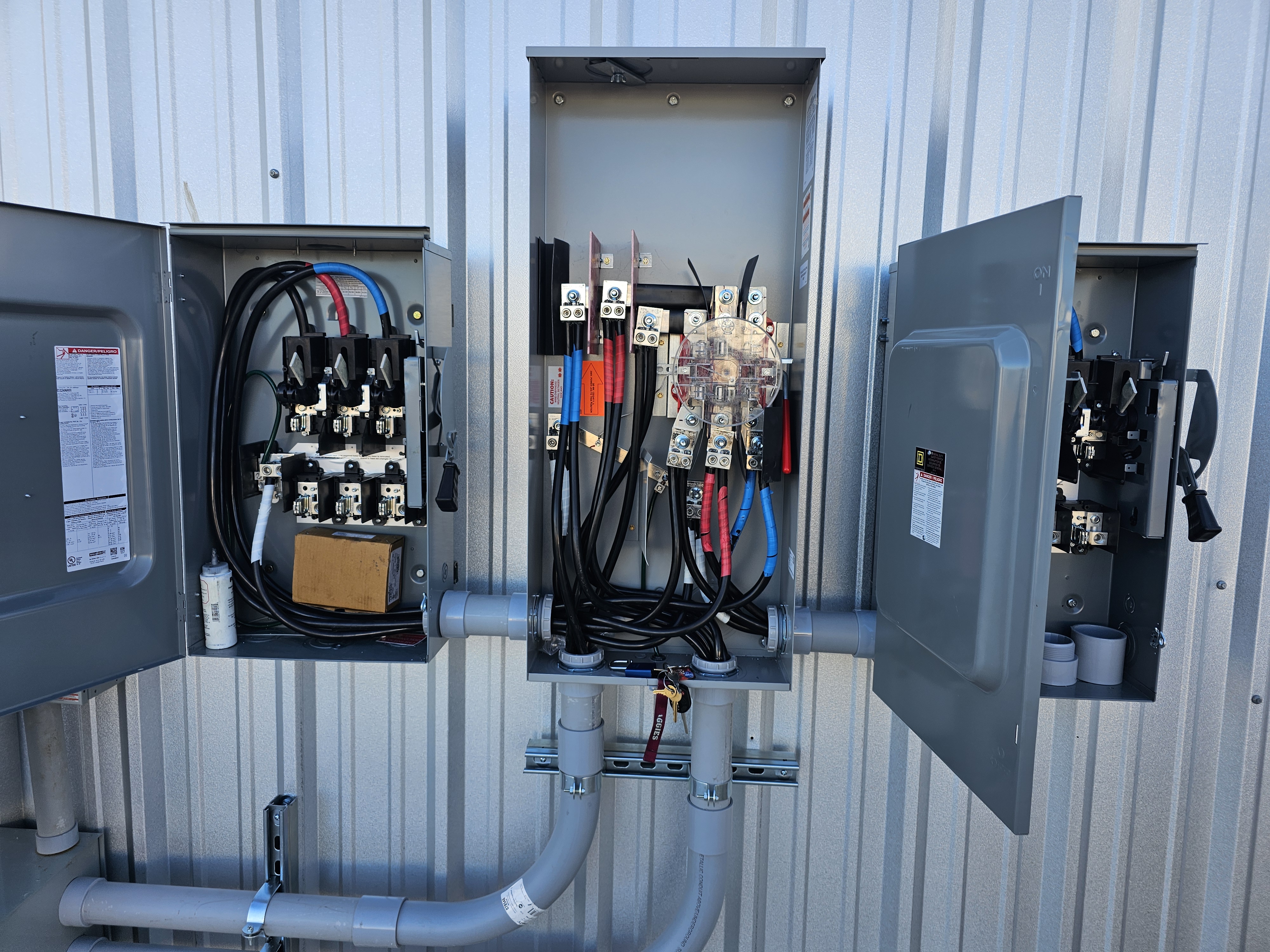
Understanding installation essentials helps ensure that your generator setup operates smoothly when needed. Let’s dive into switches, permits, and protection.
Understanding Automatic Transfer Switches
Automatic transfer switches (ATS) are vital for seamless power transition during an outage. These devices detect power loss and automatically switch your home’s power source to the generator. This feature provides peace of mind as you won’t need to manually start the generator when the power goes out. Proper installation of an ATS is crucial for safety and efficiency. Consulting a professional to handle this installation can prevent potential complications and ensure compliance with NFPA 110 standards.
Permits and Local Regulations
Before installing a generator, check your local building codes and regulations. Permits might be required, and different areas have varying compliance standards. Failing to secure the necessary permits can lead to fines or the need to remove your generator. Consulting with local authorities or hiring experts who know the ins and outs of local regulations ensures you meet all standards. This step saves you from potential headaches down the road.
Surge Protection and Load Shedding
Surge protection is crucial to safeguard your electronics from power surges, especially during a generator startup. Installing a surge protector helps prevent damage to your appliances. Load shedding, on the other hand, involves managing the power load to prevent overloading the generator. This process ensures that only essential devices are powered during an outage, maintaining generator efficiency. Incorporating these systems into your setup enhances safety and equipment longevity.
Ongoing Maintenance and Support
To keep your generator in optimal condition, regular maintenance and support are essential. Let’s explore how to maintain readiness for outages.
Creating a Generator Maintenance Plan
A generator maintenance plan ensures your system is ready when needed. Regular inspections, oil changes, and testing keep the generator in top shape. Many manufacturers recommend a maintenance schedule based on usage hours or time intervals. Performing these checks yourself or hiring a professional can prevent unexpected breakdowns. Consistency is key, so mark your calendar and stick to a routine.
Preparing for ERCOT Grid Outages
ERCOT grid outages in Texas can be unpredictable. Preparing your generator for these events means having a reliable fuel supply and conducting regular system tests. Ensure your generator is ready by running it periodically, checking fuel levels, and ensuring connections are secure. Staying proactive helps you avoid surprises during an actual outage. Follow local news and updates to stay informed about potential grid issues.
Emergency 24/7 Electrician Services in Plano
Having access to emergency electrician services provides peace of mind. In case of a generator issue or other electrical emergencies, a 24/7 service ensures quick response times. This level of support is crucial for resolving problems promptly and minimizing downtime. Keeping contact information for a reliable service handy can make all the difference when facing unexpected challenges.
Frequently Asked Questions
What size generator do I need for my home?
The size depends on your power needs during an outage. List essential appliances and calculate their total wattage to determine the appropriate generator size.
Can I install a generator myself?
While it’s possible, hiring a professional ensures compliance with local codes and safe installation, especially for automatic transfer switches.
What’s the difference between natural gas and propane generators?
Natural gas is convenient if you have a pipeline connection, while propane is stored on-site. Your choice depends on availability and preference.
Do I need a permit to install a generator?
Yes, most areas require permits for generator installation. Check local regulations to ensure compliance and avoid fines.
How often should I maintain my generator?
It’s recommended to follow the manufacturer’s maintenance schedule, usually involving regular inspections, oil changes, and test runs.