North Texas knows how quickly storms can knock out power, leaving homes and businesses in the dark when they least expect it. Planning your backup generator means more than just picking a model—it’s about matching fuel types, sizing your system right, and navigating permits for smooth installation. In this post, you’ll get clear guidance on everything from transfer switches to maintenance, all tailored for local needs and ERCOT outages. For more details, visit our practical guide to backup generator planning for North Texas.
Backup Generator Essentials
Choosing the right backup generator is crucial for keeping your North Texas home or business running during power outages. Let’s explore key components like fuel types, transfer switches, and permits to make this process seamless.
Choosing the Right Fuel Type
The type of fuel your generator uses can impact performance and convenience. Natural gas generators are popular due to their continuous fuel supply, while propane generators offer a cleaner burning option. Diesel generators are known for efficiency and longevity, making them ideal for commercial settings. Each fuel type has its pros and cons, so consider what aligns best with your needs. For instance, if you’re in an area frequently affected by ERCOT outages, a natural gas generator might be your best bet because it reduces the hassle of fuel delivery.
Understanding Transfer Switches
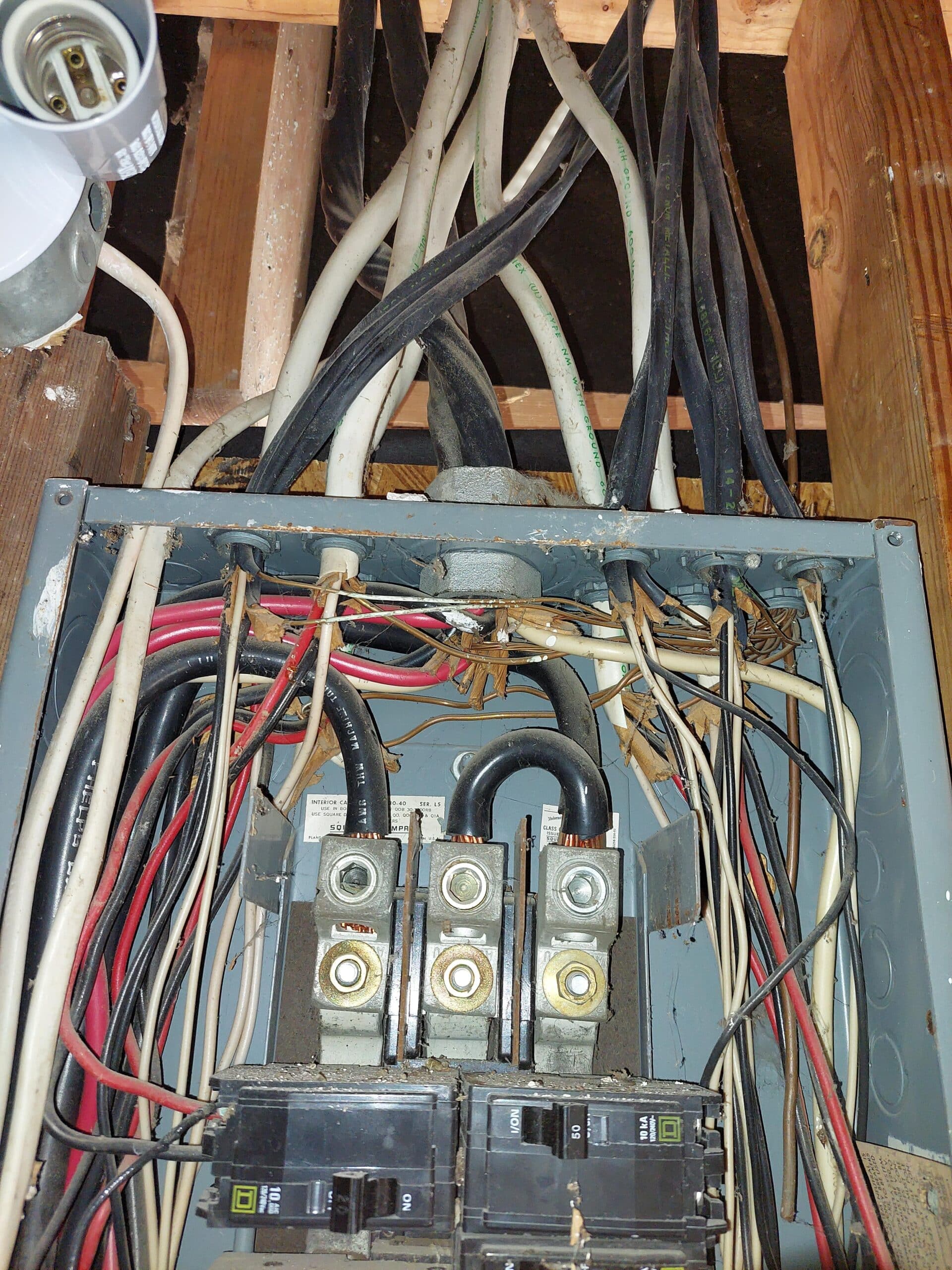
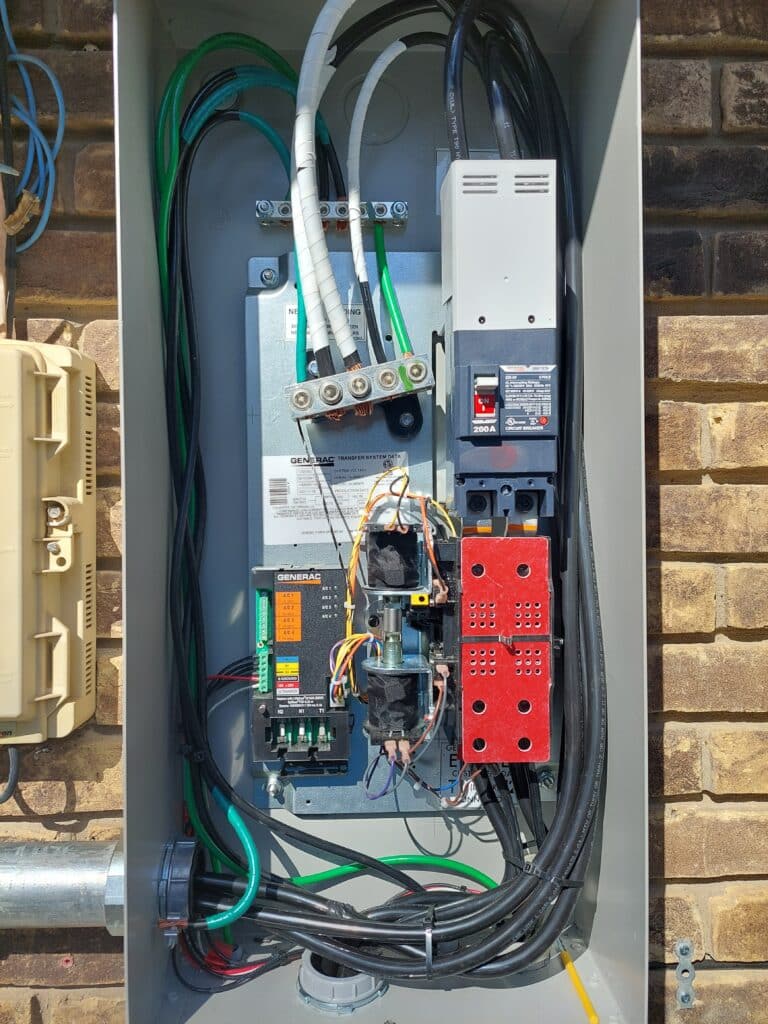
A transfer switch is a critical component in your backup power setup. It safely connects your generator to your home or business’s electrical panel. An automatic transfer switch (ATS) automatically switches power from the grid to your generator during an outage, ensuring a seamless transition. Manual transfer switches require you to flip the switch yourself, which might be fine for smaller homes. Deciding between these depends on your comfort level and the level of automation you desire. For more insights, check out this informative discussion on transfer switches.
Permitting and Placement Considerations
Installing a generator involves understanding local permitting requirements. In places like Plano, you’ll need a generator permit to ensure your setup meets safety standards. Placement also matters: keep the generator a safe distance from windows and doors to avoid exhaust entering your home. Proper placement isn’t just about safety; it’s also about operational efficiency. Make sure your generator is on a stable surface and easily accessible for maintenance.
Sizing and Installation Process
Accurate sizing and thoughtful installation are key to ensuring your generator performs well when you need it most. Here’s what you should know to get it right.
Accurate Load Management
Determining the right size for your whole home generator is crucial. You’ll need to calculate your total power needs, considering essential appliances like HVAC systems and refrigerators. A generator that’s too small won’t meet your needs, while an oversized one can increase costs unnecessarily. Using a generator sizing calculator or consulting with a professional can help you get precise results. Remember, an accurately sized generator saves money and ensures reliability.
Placement and Installation Tips
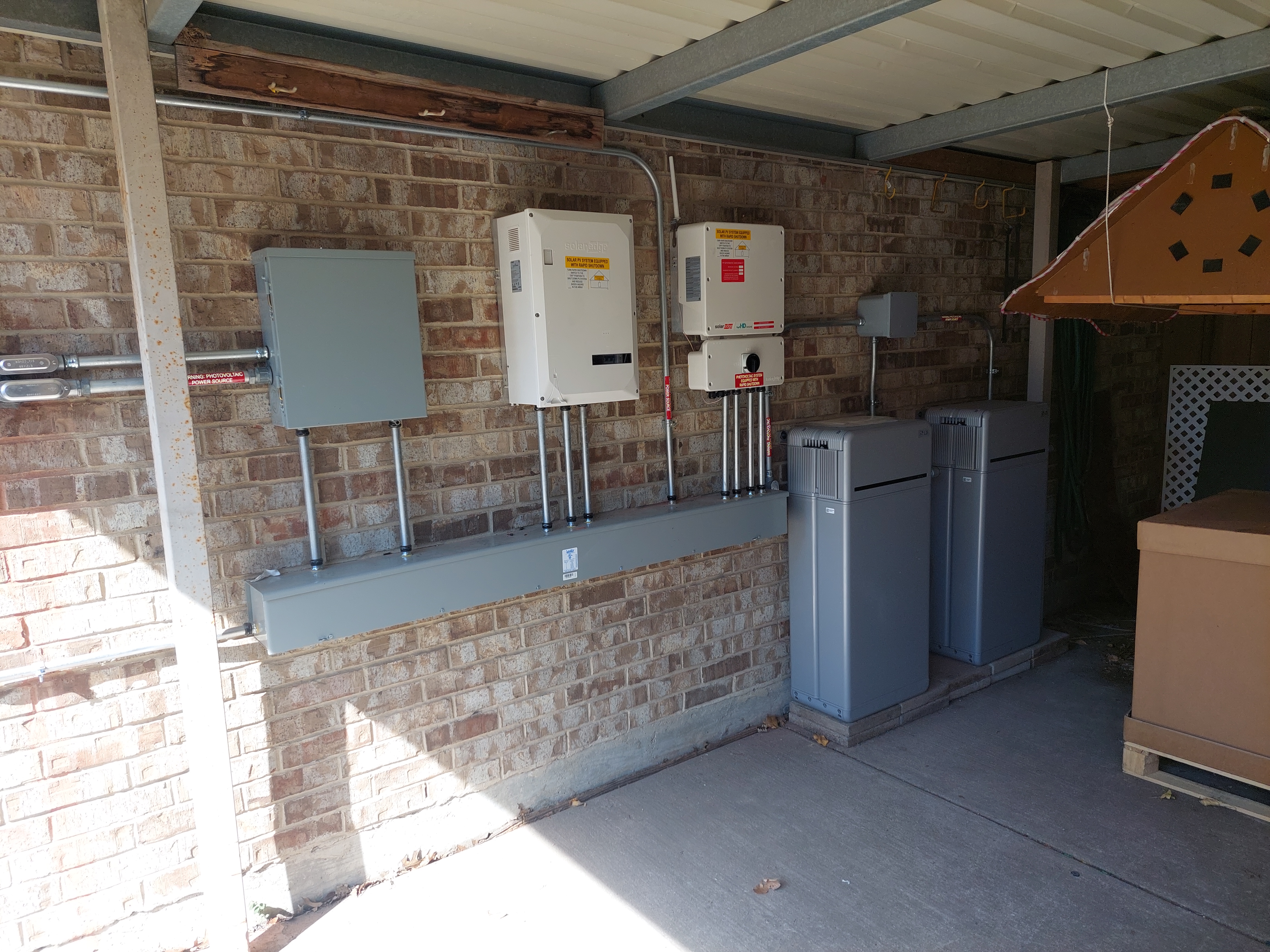
The location of your generator impacts both safety and functionality. Install it on a flat, secure surface away from direct exposure to the elements. Consider hiring experts for generator installation near you to ensure compliance with local codes. An improperly installed generator can lead to inefficiencies and even hazards, so professional installation is often worth the investment. Check this guide for further placement tips.
Budgeting for Your Generator
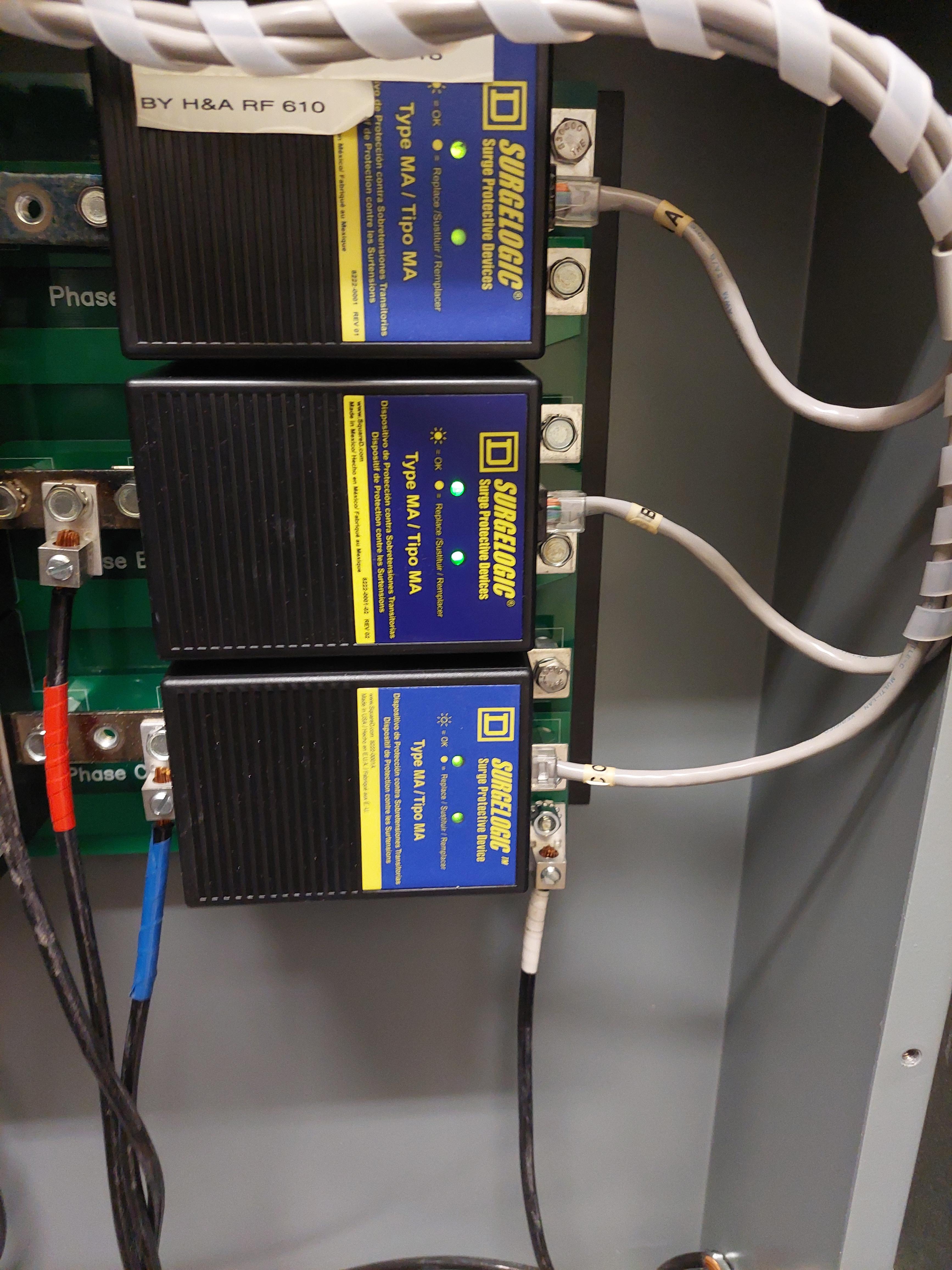
Cost is a crucial factor when planning your generator setup. Prices vary based on capacity and features. It’s important to plan for the generator itself, installation, and potential future maintenance. Factor in costs for surge protection, which protects your appliances during power fluctuations. A well-planned budget ensures you’re not caught off guard by additional expenses and helps maintain financial peace of mind.
Maintenance and Support
Routine care is essential for keeping your generator in top condition. Here’s how to ensure it runs smoothly when the next storm hits.
Routine Maintenance Plans
Regular maintenance extends the life of your generator and ensures reliability. Consider scheduling annual check-ups where technicians can inspect components and perform necessary tasks like oil changes. A generator maintenance plan provides peace of mind, keeping your system ready for any outage. By investing in routine maintenance, you’re investing in long-term reliability and performance.
Emergency Support and Monitoring
When outages occur, having reliable support is crucial. Look for providers offering 24/7 emergency service. Remote monitoring solutions can alert you to issues before they become major problems. This proactive approach ensures minimal downtime and keeps essential systems running when you need them most. With the right support, you’ll never have to worry about unexpected generator failures.
Choosing a Trusted Local Expert
Selecting the right professional for your generator needs is vital. Opt for a local expert with a strong reputation and experience in the area. Tesla Alarm and Electrical, for example, offers comprehensive solutions and reliable service. Working with trusted experts ensures that every aspect of your generator setup is handled with care and precision.
Frequently Asked Questions
What size generator do I need for my home?
The size of the generator you need depends on your power requirements. Consider what appliances and systems are essential during an outage and calculate the total wattage. Consulting with a professional can provide precise recommendations.
How often should I maintain my generator?
Regular maintenance is key to longevity. It’s generally advised to have your generator serviced annually. This includes oil changes, filter replacements, and a thorough inspection to ensure all components function correctly.
Is a permit necessary for installing a generator in Plano?
Yes, a permit is required in Plano to ensure that your generator installation complies with local safety standards. It’s important to check with local authorities or work with a professional familiar with these requirements.
What’s the difference between an automatic and manual transfer switch?
An automatic transfer switch (ATS) automatically switches power to your generator during an outage, ensuring minimal disruption. A manual transfer switch requires you to turn it on yourself. The choice depends on your budget and preference for automation.
Can I install a generator myself?
While it might be tempting to install a generator yourself, it’s recommended to hire professionals. Proper installation ensures compliance with safety standards and optimizes performance. It also prevents potential hazards associated with incorrect setup.