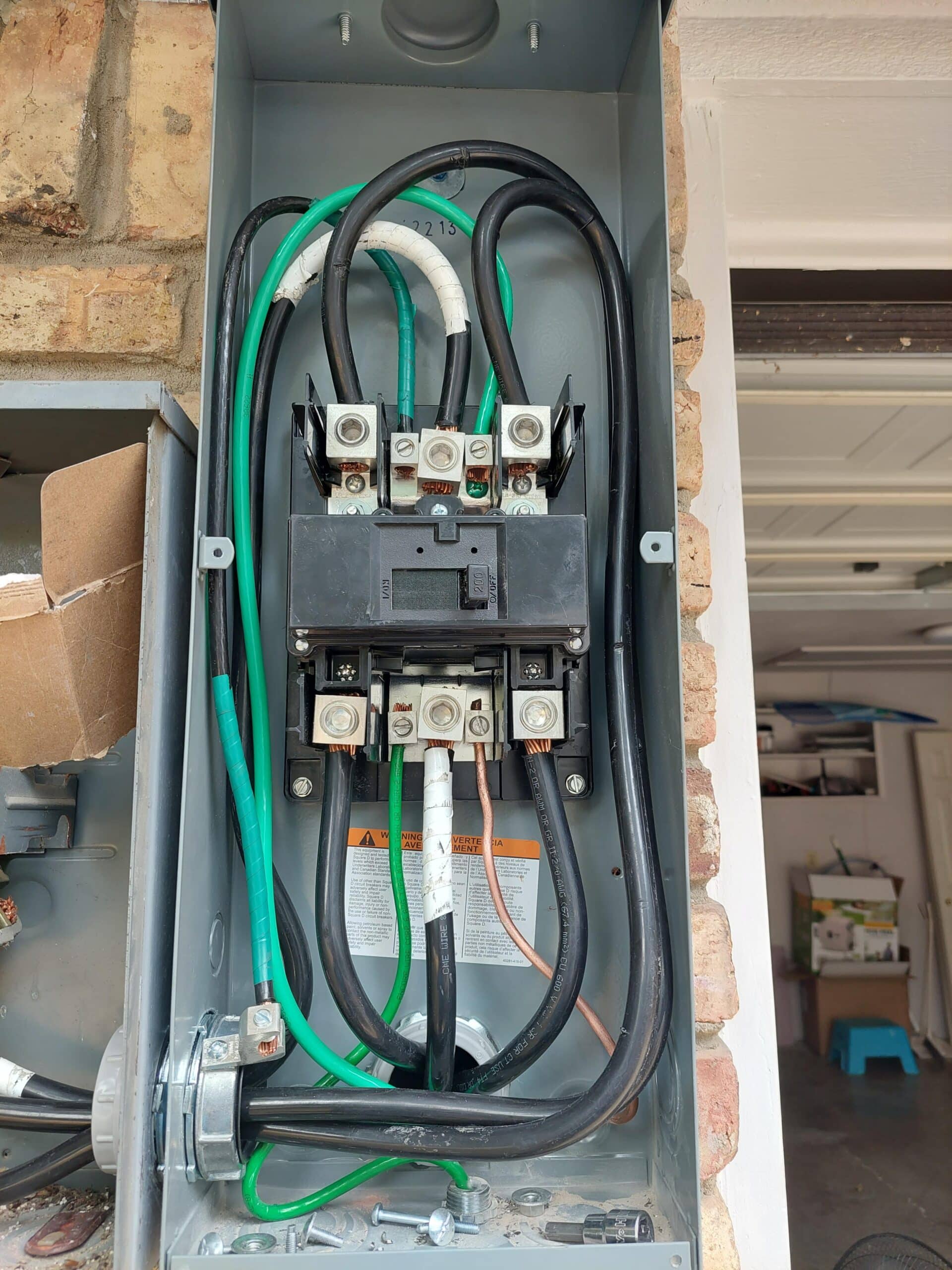
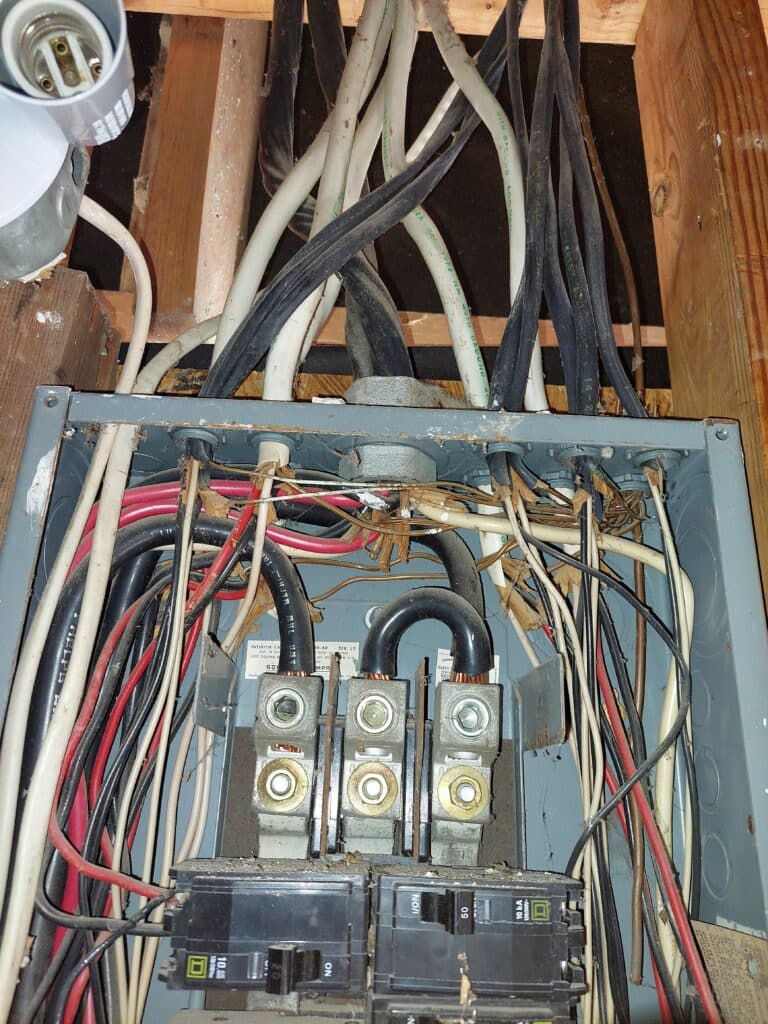
Older electrical panels can hide risks you might not notice until it’s too late. If your Plano home or commercial property was built before 2000, signs like tripping breakers or flickering lights could mean your panel isn’t keeping up. Knowing when to schedule an electrical panel upgrade Plano TX can prevent hazards and ensure your system meets current NEC code compliance. Keep reading to spot the warning signs before they turn into costly problems.
Signs Your Electrical Panel Needs Attention
Recognizing the warning signs of an outdated electrical panel is crucial for safety. Ignoring them could mean exposing your home or business to fire hazards and interruptions. Let’s explore these signs in more detail.
Tripping Breakers and Flickering Lights
Frequent breaker trips are a red flag indicating that your panel can’t handle your home’s electrical load. Flickering lights may seem minor, but they’re often a symptom of a bigger issue. When lights flicker, it suggests your panel struggles with the current demand. This can happen in homes built before 2000, where electrical systems weren’t designed for modern appliances. Pay attention to these signals. If you notice them often, it might be time for an upgrade.
Burning Smell and Warm Panel Door
A burning smell near your panel is a serious warning. It indicates overheating, which can lead to fires. Similarly, if the panel door feels warm to the touch, it means the panel is working too hard. These signs should never be ignored. They require immediate professional attention. Don’t risk your safety; call a professional for an evaluation.
Federal Pacific and Zinsco Panels
Homes with Federal Pacific or Zinsco panels are at greater risk. These older panels are notorious for failing safety standards. They may not trip during overloads, leading to potential hazards. If you have one of these panels, consider a replacement. It’s a proactive step towards a safer living environment.
Risks of an Outdated Electrical Panel
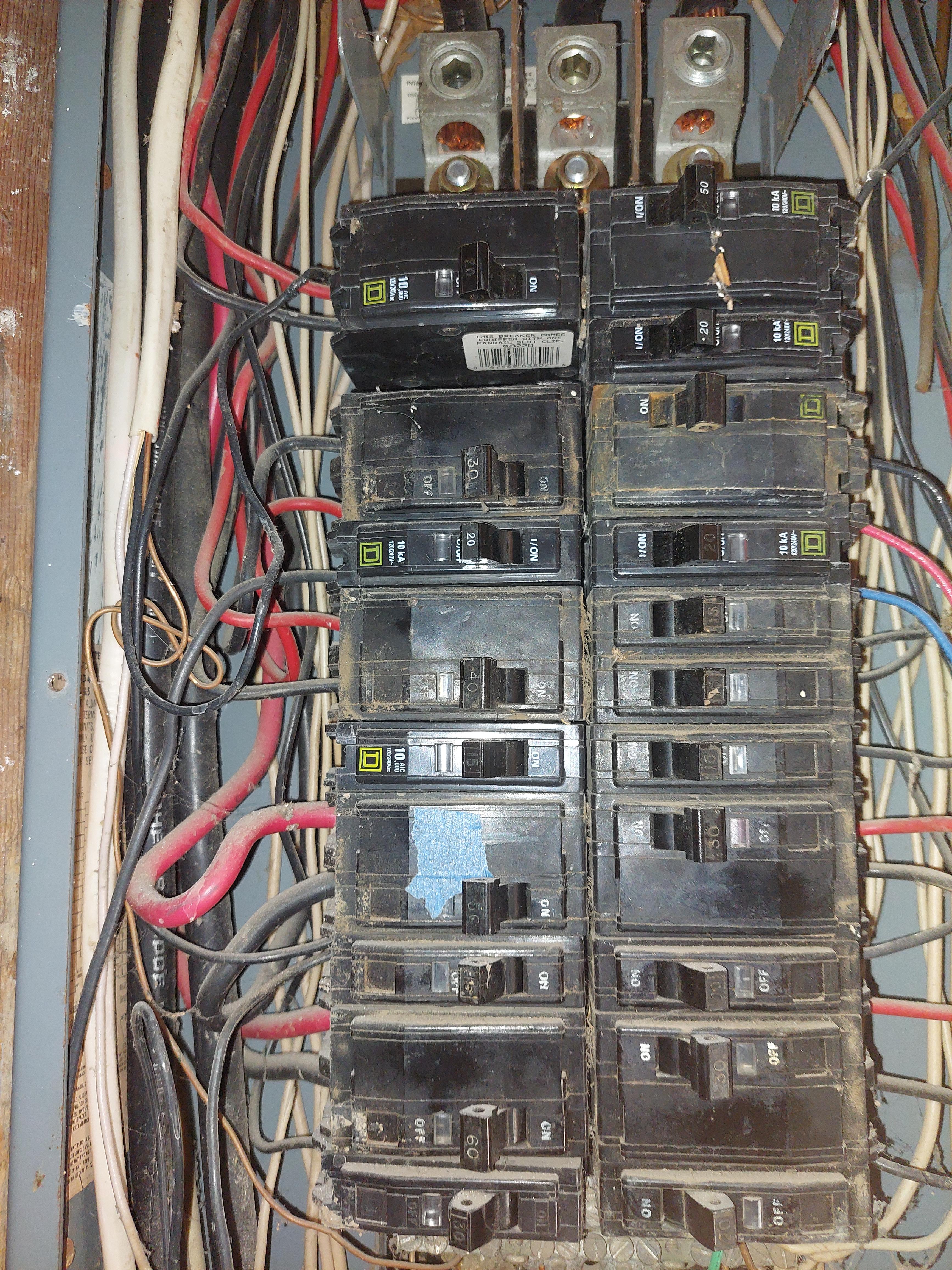
Using an outdated electrical panel can lead to numerous risks. From safety hazards to financial implications, understanding these risks can help you make informed decisions about upgrades.
Safety Hazards and Fire Risks
Old panels pose a significant fire risk. If the panel can’t manage the electrical load, it can overheat, leading to sparks or fires. Overloaded circuits are not just a nuisance; they are dangerous. Regularly check for warning signs and address them promptly to prevent accidents.
Code Violations and Compliance Issues
Outdated panels may not meet current NEC code requirements. This can lead to compliance issues, especially in commercial properties where codes are strict. Non-compliance can result in fines or operational disruptions. Ensuring your panel meets current standards is essential for both safety and legal reasons.
Impact on Insurance and Property Value
An old panel can affect your insurance premiums and property value. Insurance companies may charge higher rates for homes with outdated electrical systems due to the increased risk. Additionally, potential buyers may see an old panel as a liability, reducing your property’s value. Updating your panel can offer peace of mind and protect your investment.
Steps to Upgrade Your Electrical Panel
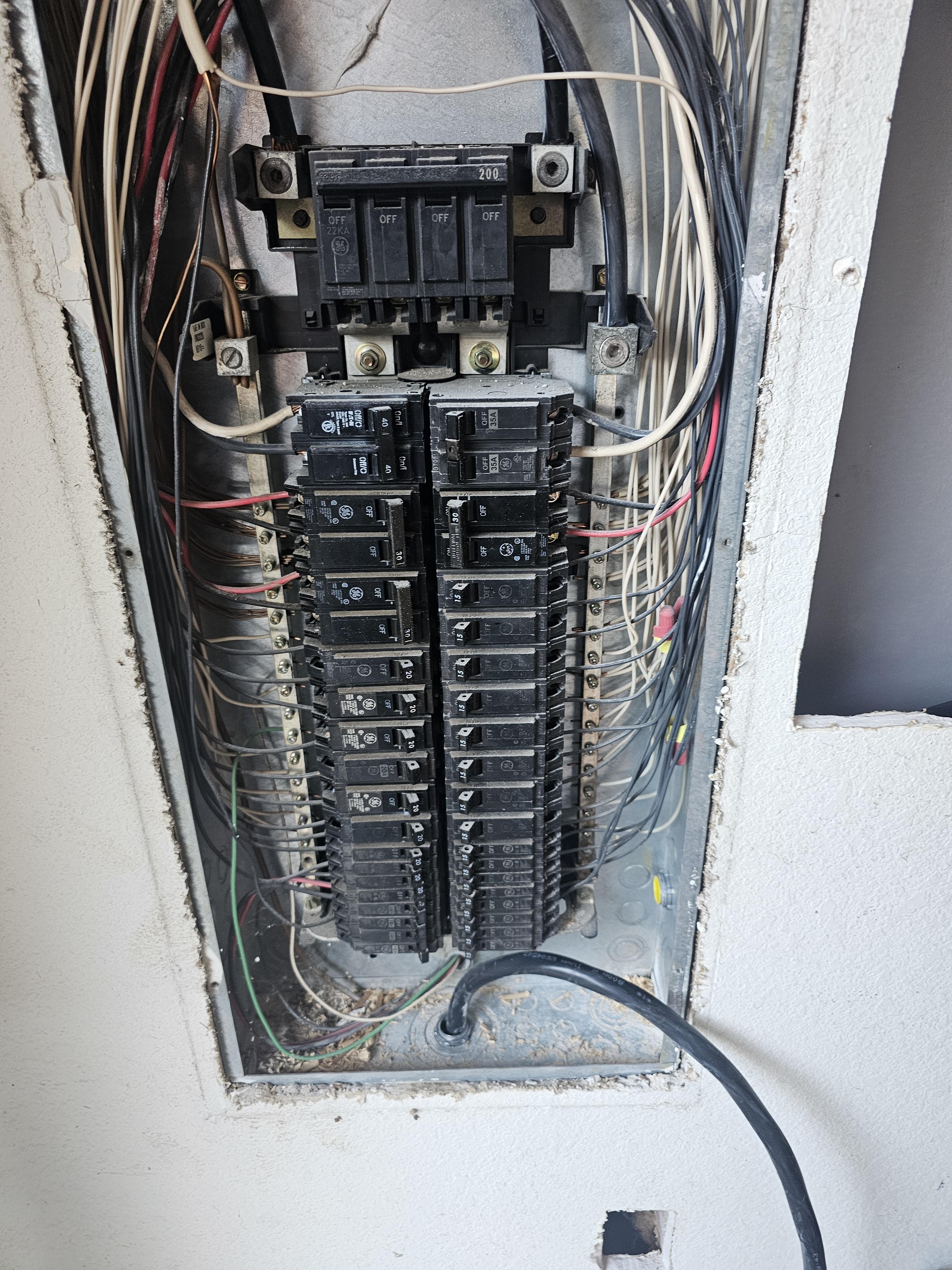
Upgrading your electrical panel is a wise investment for safety and efficiency. Here’s how you can proceed with the upgrade process.
Scheduling a Professional Assessment
The first step is to schedule an assessment with a professional electrician. They will evaluate your current panel, identify issues, and recommend solutions. This assessment is crucial to understand your home’s specific needs.
Understanding Panel Replacement Options
There are various panel options available. You can choose from standard panels to advanced models with better capacity and features. Consider future electrical needs when selecting a panel. A professional can guide you in choosing the right option that fits your requirements.
Planning for Future Electrical Needs
Think about your home’s future needs when upgrading. If you’re planning to add appliances or renovate, ensure the new panel can handle the increased load. This forward-thinking approach will save costs and prevent future issues. Proper planning today ensures a safer and more efficient home tomorrow.
Frequently Asked Questions
Q: What are the signs I need an electrical panel upgrade?
A: Frequent breaker trips, flickering lights, burning smells, and a warm panel door are common signs. Homes with Federal Pacific or Zinsco panels should also consider upgrading.
Q: How does an outdated panel affect my insurance?
A: Insurance companies may charge higher premiums for homes with old panels due to increased risk. Updating your panel can lead to more favorable insurance terms.
Q: Why is it important to meet NEC code compliance?
A: Meeting NEC code ensures safety and legal compliance. It helps prevent fines and operational disruptions, especially in commercial properties.
Q: Can upgrading my panel increase my property value?
A: Yes, a modern electrical panel can boost property value by enhancing safety and efficiency, making it more attractive to potential buyers.
Q: How often should I have my electrical panel inspected?
A: It’s advisable to have your panel inspected every 3-5 years or when you notice any warning signs like tripping breakers or burning smells.