Most offices and retail spaces underestimate what goes into a solid access control system in Plano-DFW. You might think it’s just about key cards or badges, but code compliance, door hardware, and network design all play a huge role. Getting these details right up front saves headaches and costs down the road—here’s what you need to know before installing your commercial key card system.
Understanding Code Compliance
When setting up access control, understanding and meeting code compliance is crucial. It’s not just about installing technology but ensuring it fits the legal requirements seamlessly.
ADA Access Control Compliance
Access control systems must comply with the ADA, ensuring accessibility for everyone. This means systems should accommodate individuals with disabilities, providing ease of entry and exit. Consider installing automatic door openers and ensuring that card readers are at an accessible height. Ignoring ADA requirements can lead to hefty fines and, more importantly, inaccessible spaces for those who need them most.
NFPA 101 Egress Requirements
Safety is paramount, and NFPA 101 sets the standard for exit routes during emergencies. An access control system shouldn’t impede a quick exit. Ensure all doors equipped with these systems allow for easy and immediate egress, even if the power fails. Installing panic hardware is a must to comply with these requirements.
Permit for Access Control Plano
Before installing your system, securing the necessary permits is essential. In Plano, this involves submitting plans that detail the installation and demonstrating compliance with local regulations. Reaching out to the local authority can clarify what’s needed and help avoid costly delays.
Hardware and Network Considerations
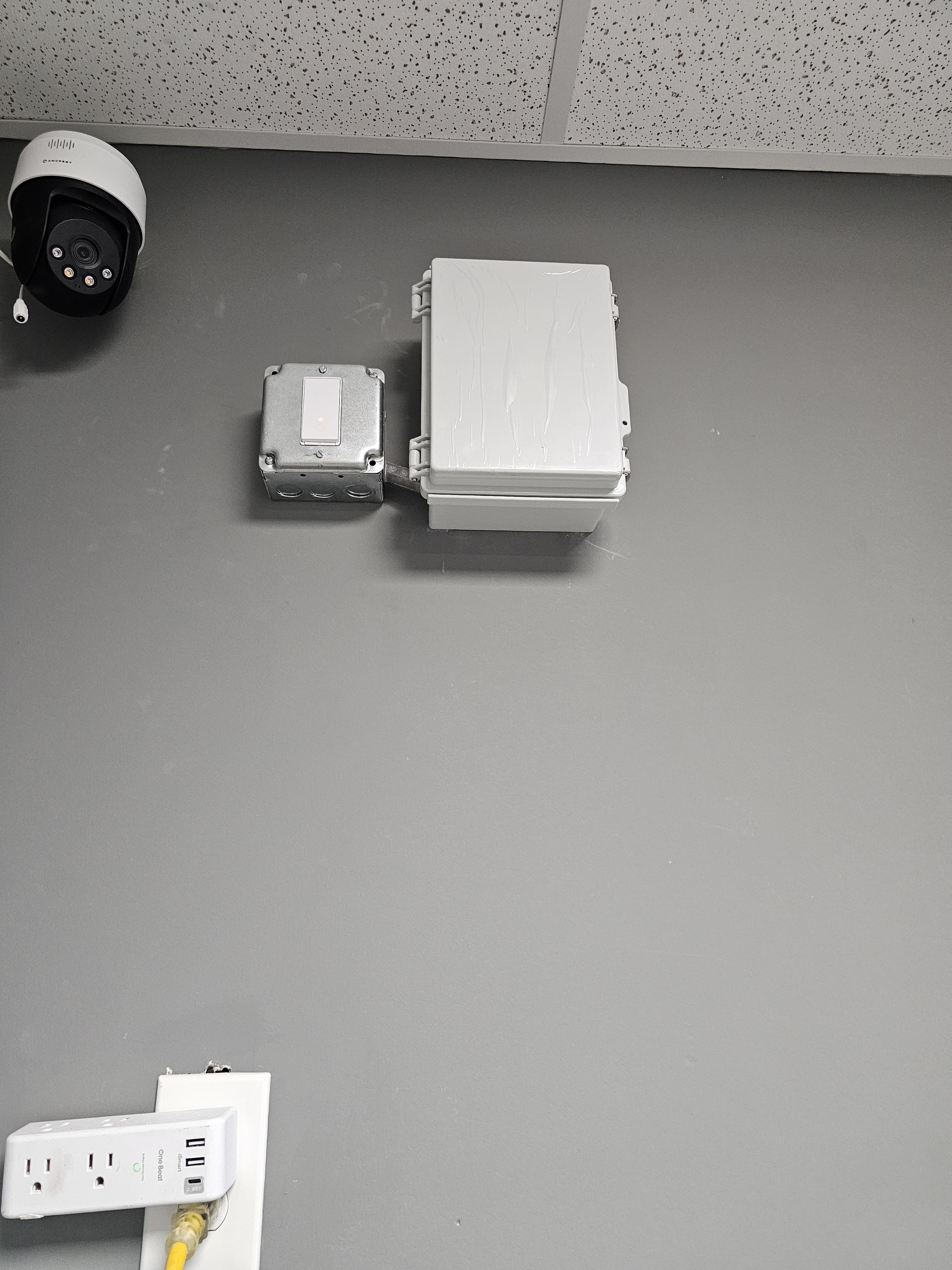
Choosing the right hardware and network setup is key to a functional access control system. Here’s what you should consider.
Maglock vs Electric Strike
Deciding between a maglock and an electric strike can influence both security and convenience. Maglocks provide strong holding force, making them ideal for high-security areas. However, they require continuous power. Electric strikes, on the other hand, are more versatile and can operate in fail-secure or fail-safe modes, ensuring entry or exit during power failures.
PoE Access Control Systems
Power over Ethernet (PoE) systems simplify installation by combining power and data over a single cable. This reduces the need for additional wiring and can lower installation costs. PoE systems are particularly beneficial in large setups, offering scalability and ease of maintenance.
Battery Backup Power Supply Options
Power outages shouldn’t compromise security. Ensure your system includes a battery backup to keep access points operational during outages. Options vary from simple battery packs to more robust solutions like uninterruptible power supplies (UPS). Consider the size and needs of your facility when selecting a backup option.
Choosing the Right Solutions
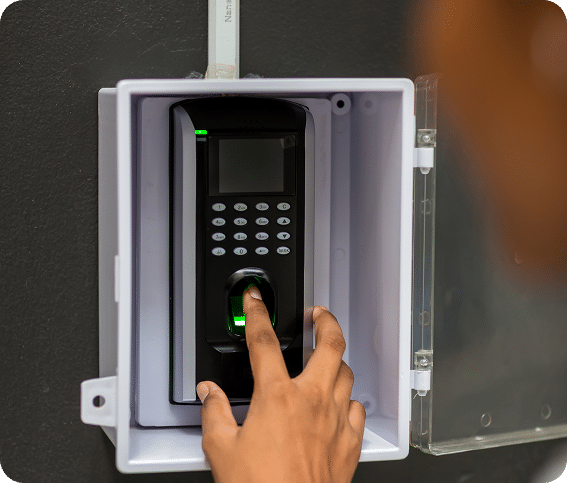
When selecting solutions, consider both current needs and future scalability. Here’s how to make informed choices.
Mobile Credentials BLE NFC
Mobile credentials using BLE (Bluetooth Low Energy) and NFC (Near Field Communication) offer convenience and security. Users can access secured areas with their smartphones, eliminating the need for physical cards. This technology is not only modern but also easy to manage and update.
OSDP Secure Readers vs Wiegand
OSDP readers provide enhanced security features compared to traditional Wiegand systems. OSDP supports bi-directional communication, allowing for encryption and more secure data transfer. While Wiegand is more established, OSDP offers future-proofing benefits, making it a wise choice for new installations.
Visitor Management Integration
Integrating visitor management with your access control system streamlines check-ins and enhances security. Systems can track visitor entries and exits, providing real-time data and insights. This integration not only improves security but also offers a more professional impression to visitors.
Frequently Asked Questions
What is the importance of ADA compliance in access control systems?
ADA compliance ensures that access control systems are accessible to all, including individuals with disabilities. This includes features like automatic door openers and appropriately placed card readers.
How do NFPA 101 requirements affect access control installations?
NFPA 101 ensures that access control systems do not impede emergency egress. Doors must allow quick and easy exits, even during power failures, to comply with these safety standards.
Why choose PoE systems for access control?
PoE systems simplify installation by delivering power and data through a single cable. This can reduce costs and simplify maintenance, making them ideal for larger facilities.
How can mobile credentials enhance security?
Mobile credentials, using BLE and NFC, allow users to access secured areas with their smartphones. This eliminates the need for physical cards and enhances convenience and security.
Why integrate visitor management with access control?
Integrating visitor management streamlines check-ins and enhances security by providing real-time data on visitor movements, improving both security and efficiency.