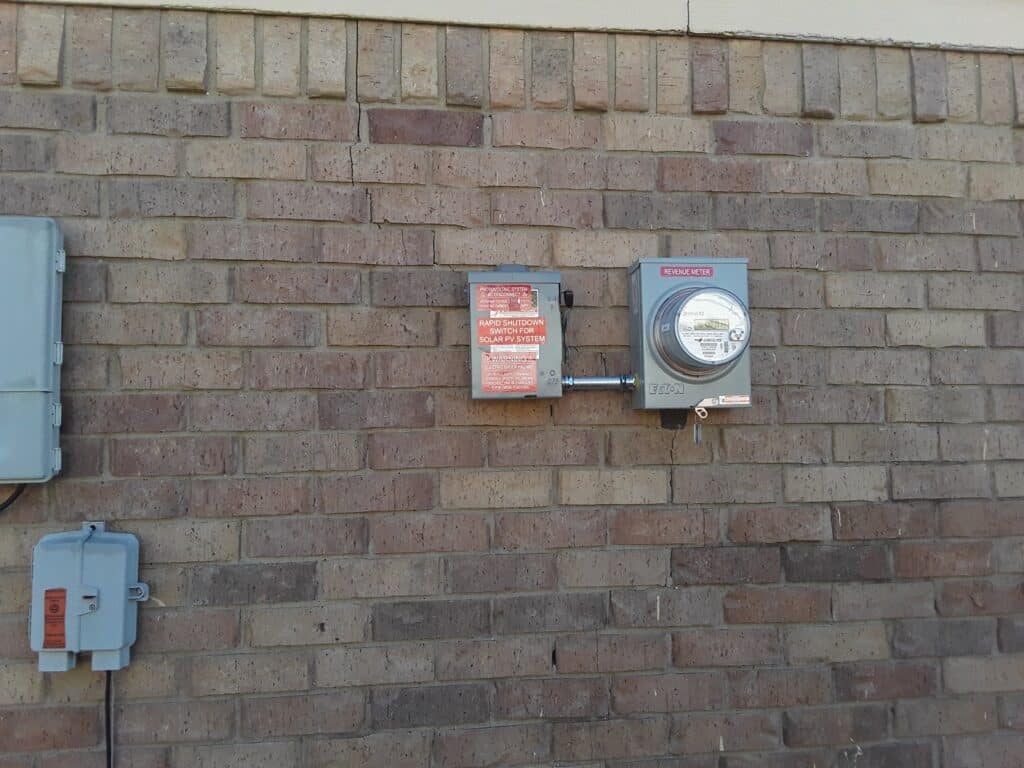
Most Dallas‑area properties aren’t ready for EV charger installation without some prep work. Electrical panels may need upgrades, permits must be secured, and exact load calculations performed to meet local codes. This guide walks you through each step, so your Level 2 EV charger installation goes smoothly and safely with help from a trusted Dallas electrician.
Understanding EV Charger Requirements
Before diving into installation, it’s crucial to grasp the basics of EV charger requirements. Knowing these will help you avoid common pitfalls.
Importance of Load Calculation NEC 220
First, understanding load calculation is key. The National Electrical Code, or NEC 220, outlines how to determine if your electrical system can handle a new EV charger. This involves assessing your current energy usage and seeing if there’s room for the charger. Getting this right means your system won’t be overloaded, which can prevent major hazards. If you’re unsure, consult a Dallas electrician for a professional evaluation.
Electrical Panel Upgrade Dallas Considerations
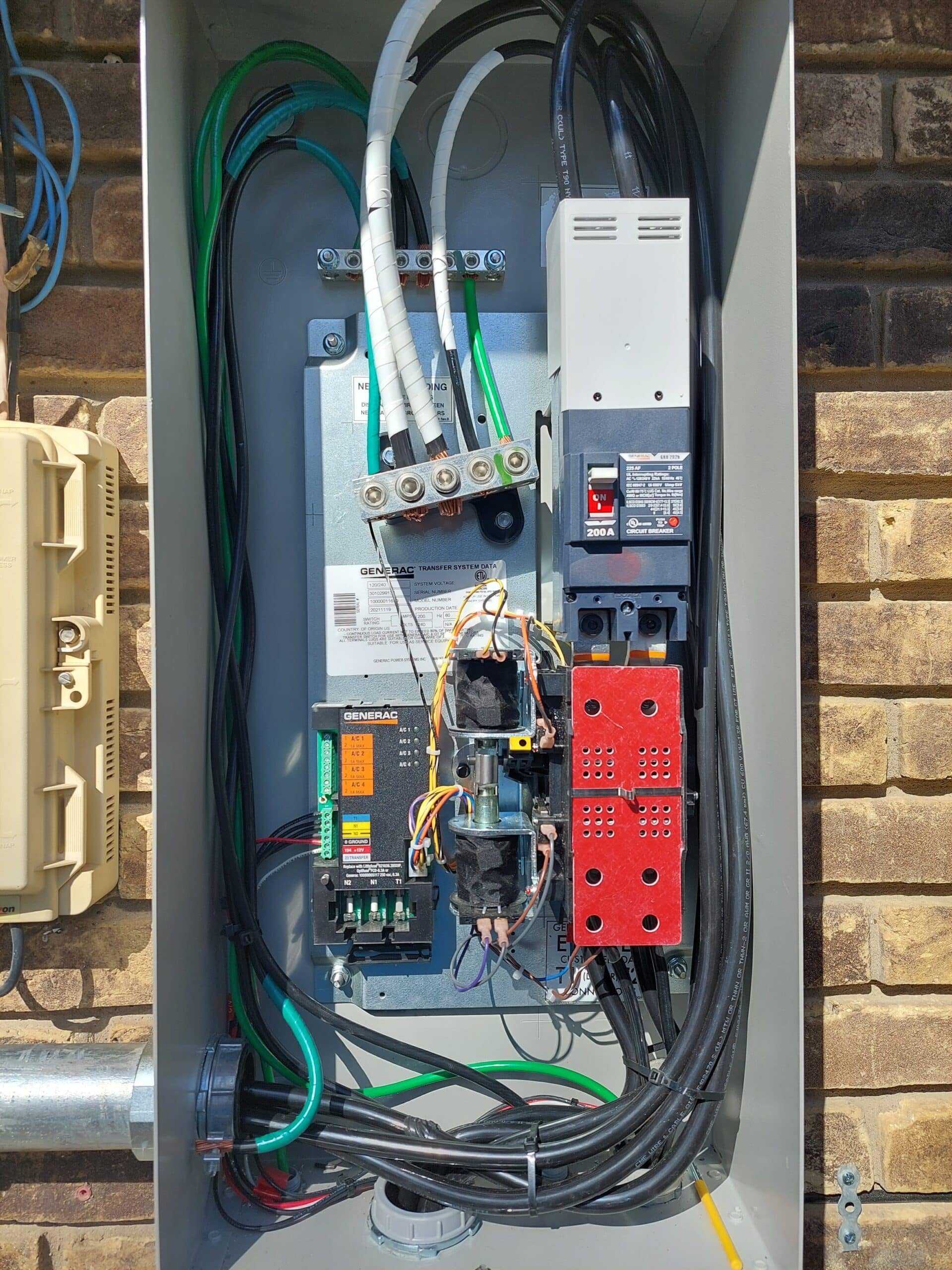
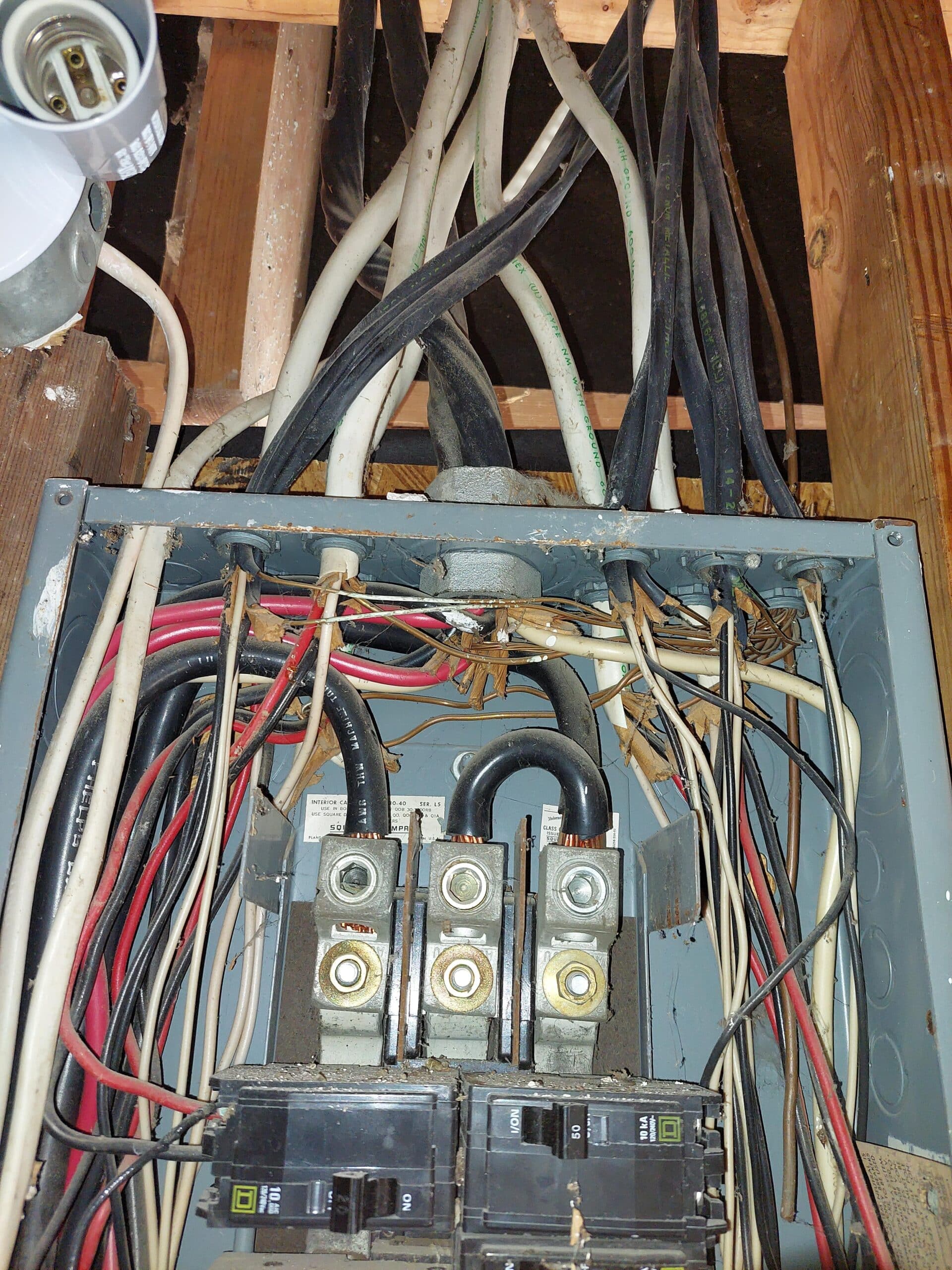
Many homes in Dallas have older electrical panels. These may not be up to the task of supporting a new EV charger. Upgrading your panel might be necessary to ensure safety and efficiency. Signs that you need an upgrade include frequent breaker trips or flickering lights. An upgrade not only supports your charger but also improves overall home safety.
Permit for EV Charger Dallas Essentials
Securing a permit is a must for EV charger installation. A permit ensures your setup meets local safety standards, preventing potential issues down the line. In Dallas, you’ll need to submit a detailed plan showing your intended setup. This includes the location, type of charger, and any necessary upgrades. Once approved, you’re ready to proceed with peace of mind.
Preparing Your Property
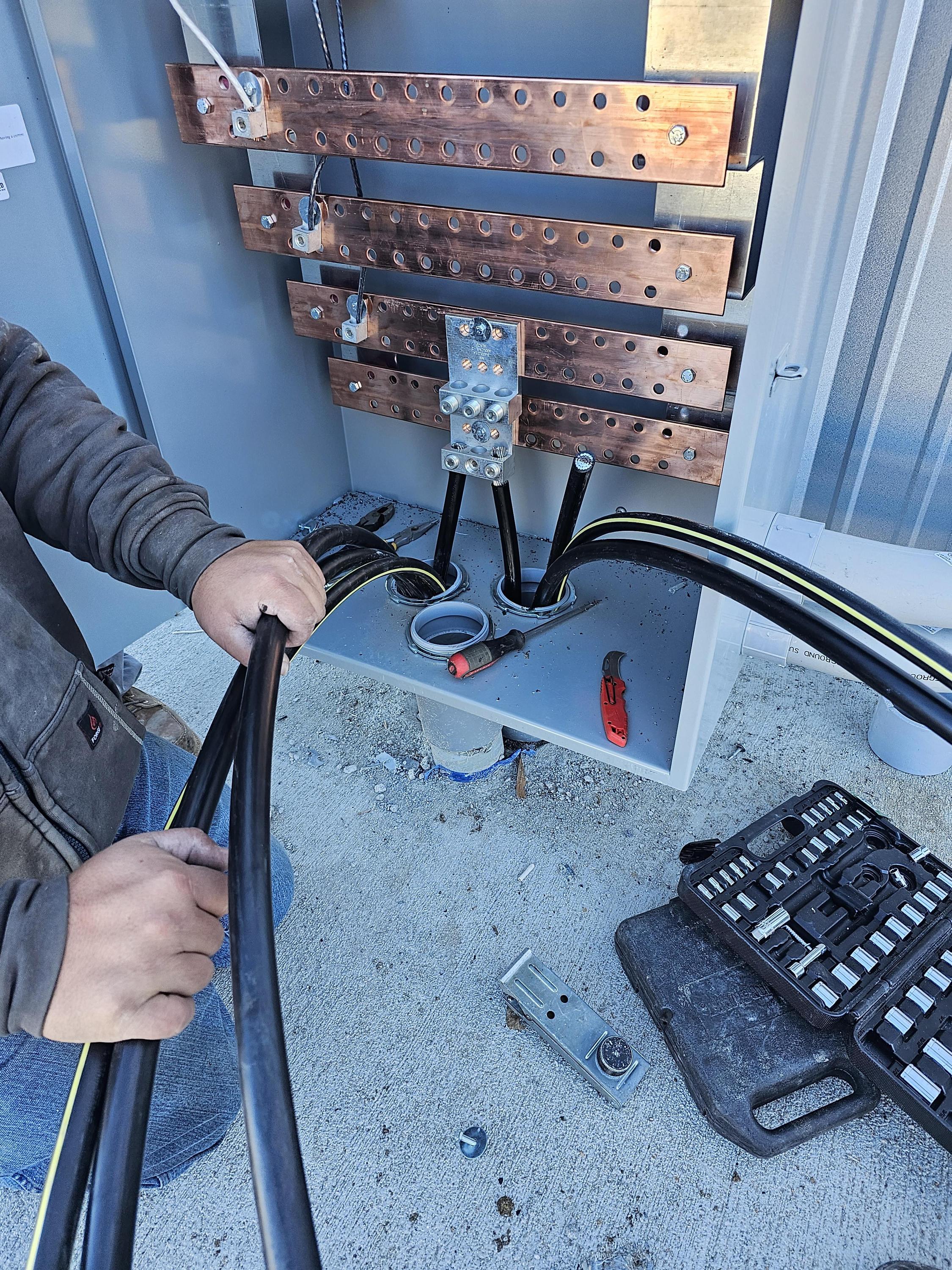
With the basics in hand, it’s time to prepare your property for installation. This involves evaluating your setup and considering logistical needs.
Evaluating Panel Capacity and Location
Start by checking your panel’s capacity. Ensure it can handle the extra load from the charger. If your panel is located far from the garage, you might need additional wiring. This can affect cost and complexity. A strategic placement can save time and money, making your project smoother.
Detached Garage EV Charging Solutions
If you have a detached garage, additional planning is necessary. Running wiring from your home to a separate structure requires careful consideration. You’ll need to decide on the best path for the wiring, which might involve trenching. This ensures the connection is secure and weatherproof, vital for long-term use.
Conduit Trenching Dallas Logistics
Trenching for conduit involves digging a path for wiring, a common need for detached garages. In Dallas, soil type and local regulations can affect this process. Hiring a professional ensures a trench that’s safe and compliant with local codes. Proper trenching protects your wiring and ensures a reliable connection to your charger.
Installation and Compliance
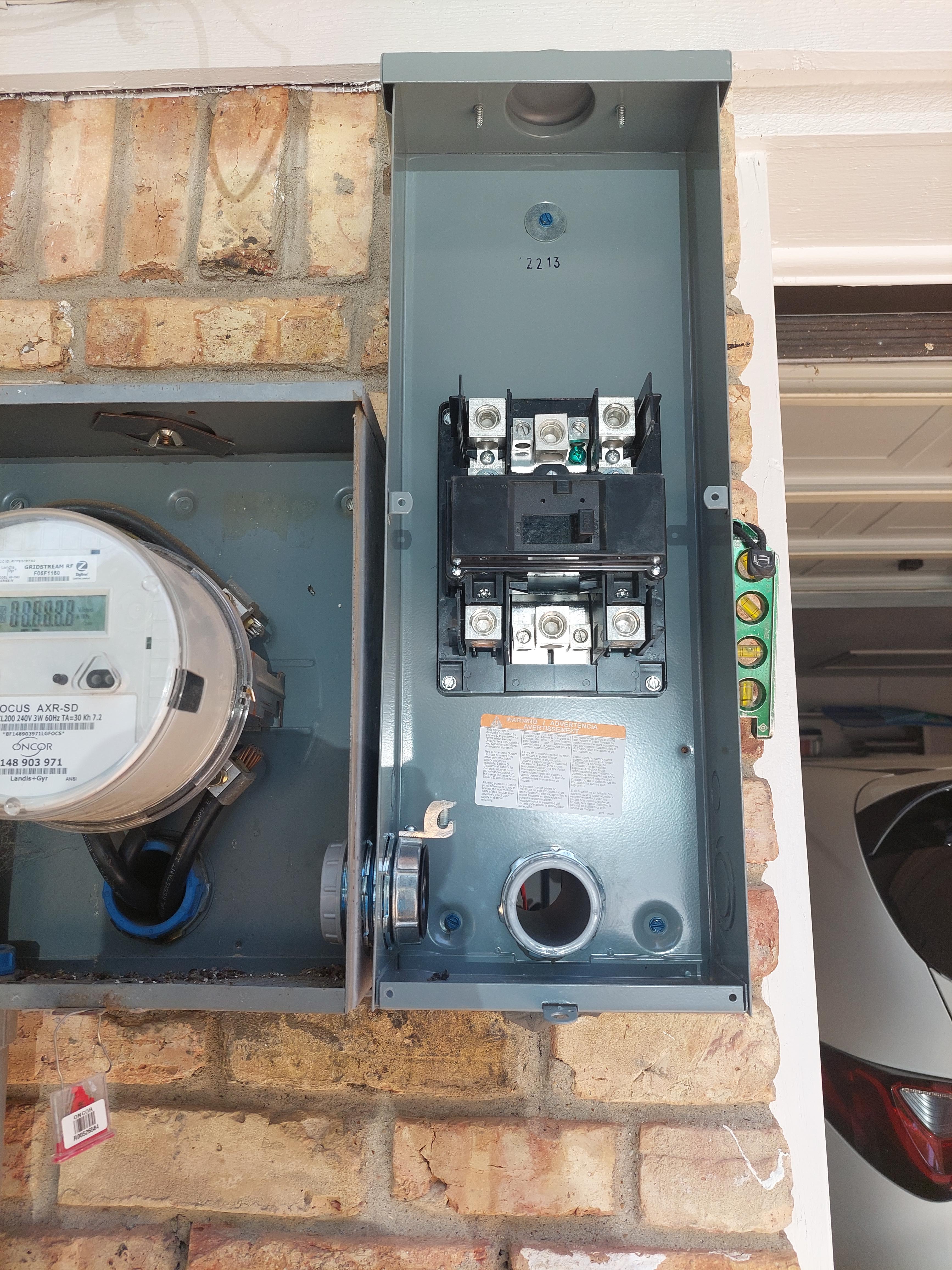
Now, let’s move on to the installation and ensuring everything is compliant with the necessary standards.
Choosing a 240 Volt Circuit Installer
Selecting the right professional to install your 240-volt circuit is crucial. This circuit is needed for most Level 2 chargers. A skilled installer will ensure the circuit is set up efficiently and safely. Look for someone with experience in EV charger installations to avoid common mistakes.
NEC Article 625 Compliance Steps
Compliance with NEC Article 625 ensures that your installation is safe and up to code. This article covers everything from wiring methods to charger placement. Following these guidelines helps prevent electrical hazards and ensures your charger functions correctly and safely.
Smart Charger WiFi Setup Basics
Modern chargers often include smart features like WiFi connectivity. Setting up these features allows you to monitor charging and manage usage from your smartphone. It’s a convenient way to keep tabs on your charging habits and optimize your electricity use. Be sure to follow the manufacturer’s setup guide for the best results.
Frequently Asked Questions
What is the first step in preparing for an EV charger installation in Dallas?
The first step is understanding the load calculation based on NEC 220. This will determine if your current electrical setup can handle an EV charger without being overloaded.
Do I need a permit to install an EV charger at my home in Dallas?
Yes, a permit is required to ensure that your installation meets local safety standards. This involves submitting a detailed plan of your setup for approval.
How do I know if my electrical panel needs an upgrade before installing an EV charger?
Signs that your panel might need an upgrade include frequent breaker trips and flickering lights. Upgrading can ensure your system can handle the additional load safely.
What should I consider if I have a detached garage for EV charging?
For a detached garage, you’ll need to plan for running wiring from your home. This often involves conduit trenching to ensure a safe and weatherproof connection.
Why is compliance with NEC Article 625 important for EV charger installation?
Compliance with NEC Article 625 is crucial for safety. It covers essential guidelines for wiring methods and charger placement, helping prevent electrical hazards.