Many property managers in Dallas and Plano schedule electrical maintenance without a clear checklist—and that often leads to delays, unexpected costs, or code compliance risks. If you want your next commercial electrical service DFW visit to run smoothly, there are key steps to cover first. This property manager electrical checklist will help you tackle safety, access, and load concerns before you book, saving time and headaches down the line.
Pre-Maintenance Safety Checks
Start your electrical maintenance plan by focusing on safety. It’s the foundation for any successful service visit.
Ensuring Safe Work Environments
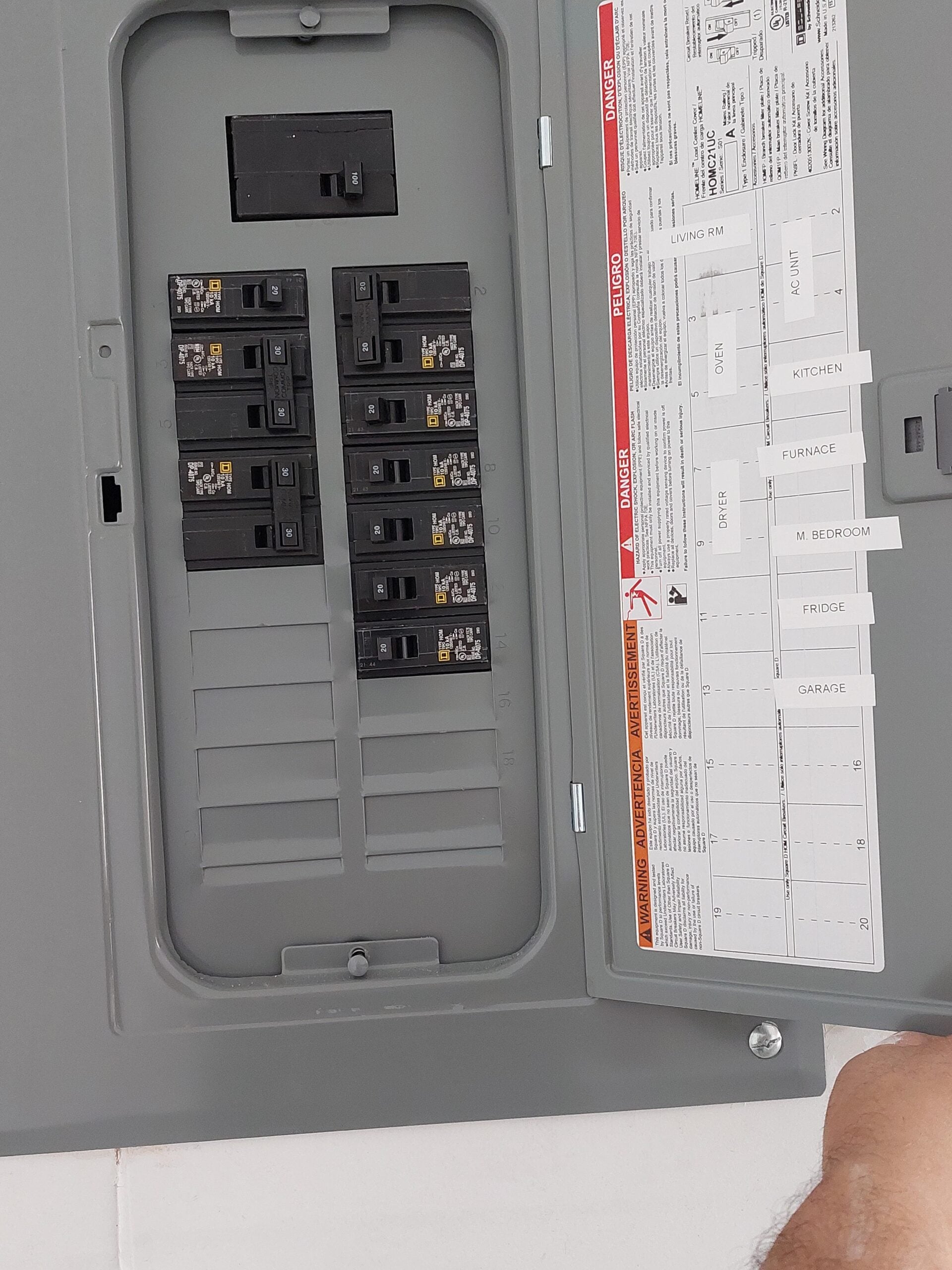
Before scheduling maintenance, ensure the workspace is safe. This means keeping areas clear of debris and ensuring access to electrical panels is unobstructed. It’s vital to secure any loose wires that might pose a tripping hazard. Make sure your team understands the importance of these safety measures. This helps in preventing accidents and maintaining a smooth workflow during maintenance.
Next, inspect your property for signs of potential electrical issues. Look for flickering lights, buzzing sounds, or outlets that feel warm. These are signs that your system might need attention. By catching these early, you can prevent more severe problems later on.
Confirming Tenant Safety Protocols
Tenant safety is a top priority. Before maintenance, notify tenants about scheduled work. Provide them with safety protocols to follow during the process. This might include avoiding certain areas or using alternative exits.
Ensure that all tenants are aware of emergency procedures. This includes knowing where fire extinguishers are located and understanding evacuation routes. Keeping tenants informed reduces confusion and enhances safety for everyone involved.
Documentation and Compliance Essentials

Accurate documentation and compliance are crucial for effective electrical maintenance. They ensure that all work is recorded and meets local regulations.
Gathering Necessary Maintenance Records
Before any visit, gather all relevant maintenance records. This includes past service reports, inspections, and any previous repairs. These documents provide valuable insights into the history of your electrical system. They help technicians understand what might need extra attention.
Keeping organized records saves time and ensures that no important details are overlooked. It’s a proactive step that helps in maintaining the longevity of your electrical systems.
Checking NEC Compliance in Texas
Compliance with the National Electrical Code (NEC) is vital. Ensure your property meets these standards before scheduling maintenance. This involves checking that all installations and repairs adhere to Texas-specific codes.
Consult with your electrician to confirm compliance. This step not only prevents potential fines but also ensures a safer environment for both tenants and staff.
Preparing for Electrical Service Visits

Proper preparation is key to a successful service visit. It ensures that everything goes smoothly and efficiently.
Identifying Access and Load Issues
Identify any access and load issues before the visit. Make sure technicians can easily reach all areas they need to work on. This includes clearing pathways and ensuring that no furniture blocks panels or outlets.
Check your property’s electrical load capacity. Make sure it can handle the current demands. If you’re unsure, consult with an electrician. Understanding your load capacity can prevent future overloads and potential hazards.
Scheduling and Timing Considerations
Timing is everything. Schedule maintenance visits during off-peak hours to minimize disruption. This is especially important in commercial settings where downtime can affect operations.
Communicate clearly with your electrical maintenance team about the expected duration of the visit. This helps in planning and ensures that tenants and staff are informed about any potential interruptions.
Frequently Asked Questions
1. Why is it important to have a pre-maintenance checklist?
A pre-maintenance checklist ensures that all necessary steps are taken before electrical work begins. This prevents delays, reduces unexpected costs, and ensures compliance with safety standards.
2. How do I ensure compliance with the National Electrical Code in Texas?
To ensure compliance, consult with a licensed electrician familiar with Texas-specific codes. They can assess your systems and make any needed adjustments to meet NEC standards.
3. What should I do if tenants are concerned about safety during maintenance?
Communicate openly with tenants about the planned work and safety protocols. Provide clear guidance on areas to avoid and emergency procedures to ensure their safety.
By following these guidelines, you’ll ensure a smoother, safer, and more efficient electrical maintenance process for your properties in the Dallas and Plano areas.