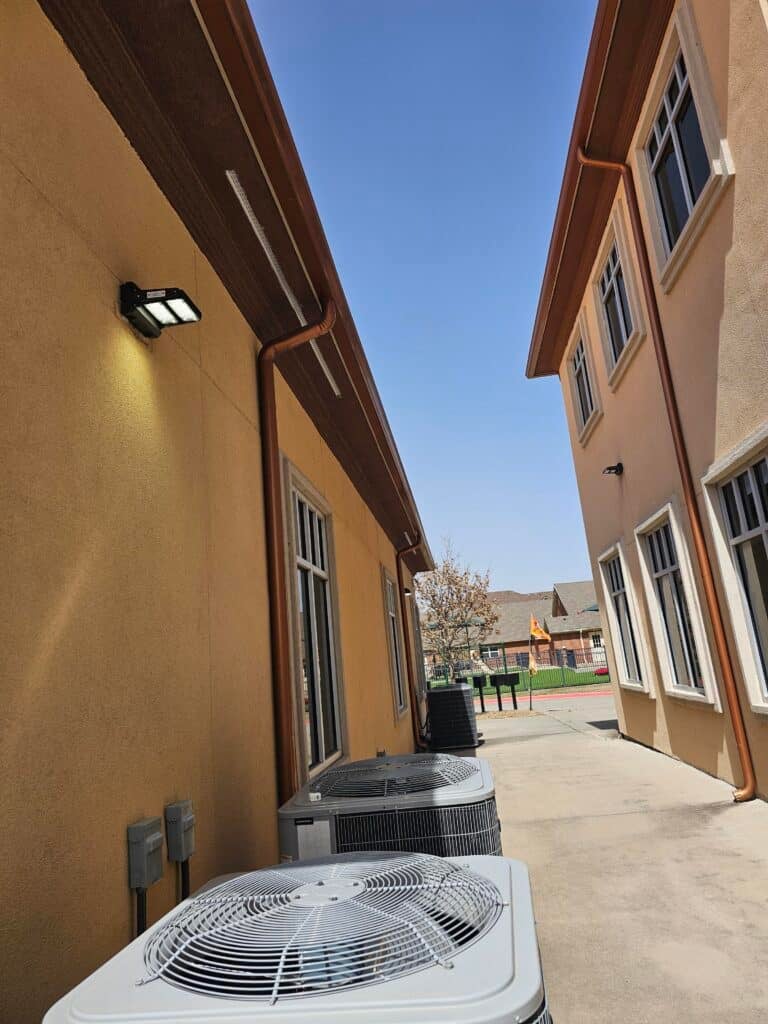
Bright, harsh lights don’t make your home or business safer—they just make it uncomfortable. In Plano and Dallas, choosing the right security lighting means balancing visibility with warmth, without blinding glare. You’ll learn how to pick glare-free lighting that keeps pathways clear, deters intruders, and fits your space’s unique needs. Let’s break down how the right color temperature, fixture placement, and smart controls can upgrade your safety without the harsh feel. Learn more about lighting for harsh environments in this expert guide.
Choosing the Right Lighting
To make your space both safe and welcoming, layered lighting is key. Let’s explore how different lighting techniques come together for optimal results.
Layered Lighting Techniques
Layered lighting involves using multiple light sources to achieve the best results. Start with ambient lighting to create a base layer of illumination. This can be achieved with ceiling lights or wall sconces. Next, add task lighting in areas where specific activities occur, like reading or cooking. This could be table lamps or under-cabinet lights. Finally, accent lighting highlights features like artwork or architectural elements, adding depth and interest to your space.
Understanding Color Temperature
Color temperature affects how your space feels. Measured in Kelvin (K), warmer temperatures (2700K-3000K) create a cozy atmosphere, while cooler temperatures (4000K and above) are brighter and more energizing. For most homes and businesses, a balance between warmth and brightness is essential. Choosing the right color temperature ensures that your lighting feels inviting rather than harsh.
Benefits of High CRI Lighting
High Color Rendering Index (CRI) lighting is crucial for accurately displaying colors. A CRI of 80 or above is recommended for most settings. This type of lighting makes spaces feel more natural and objects appear as they would in daylight. High CRI lighting is particularly beneficial in areas where color accuracy is important, such as kitchens, retail spaces, and offices.
Enhancing Safety and Security
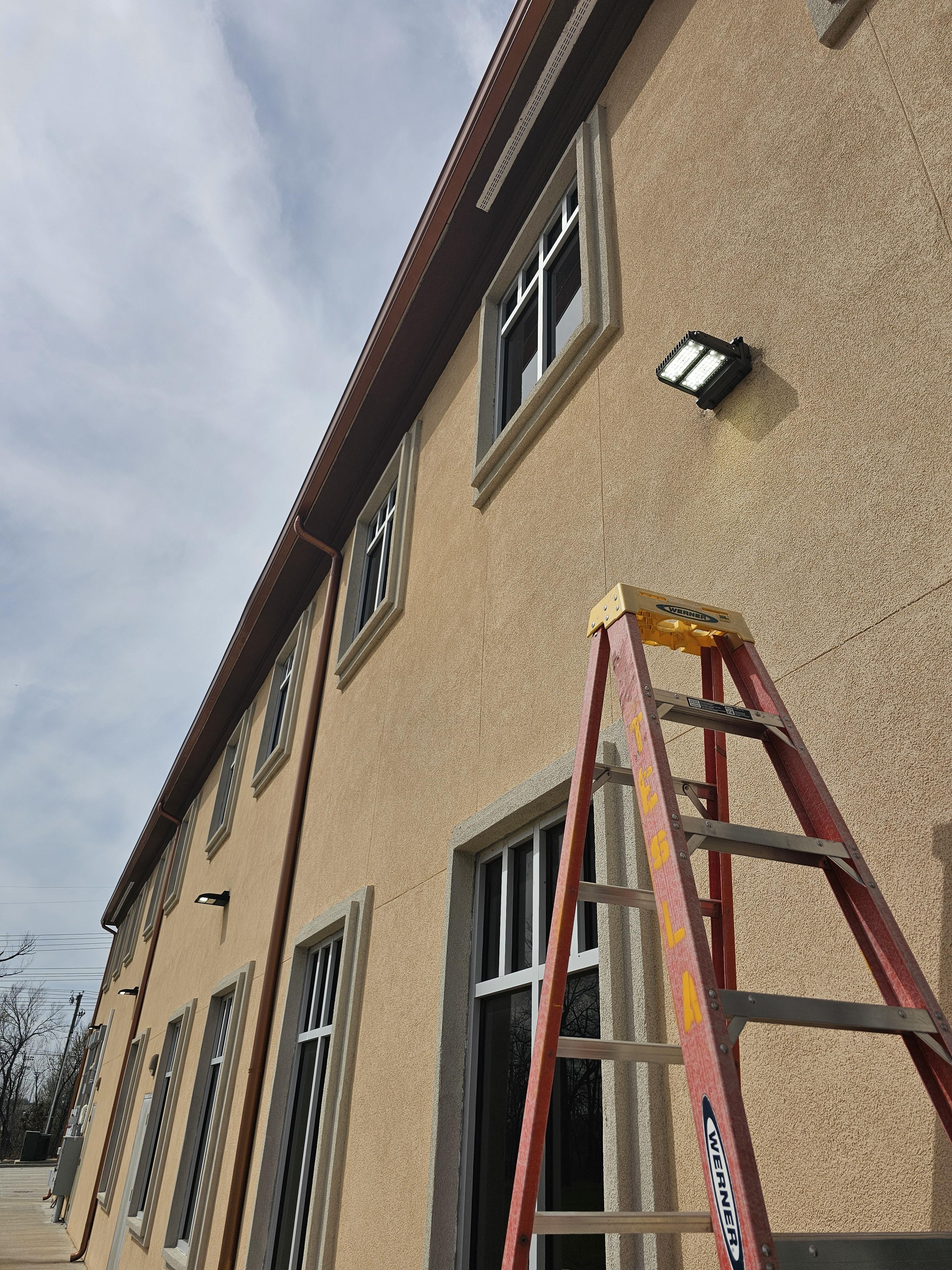
Safety and security are paramount. Learn how to strategically enhance these aspects with smart lighting solutions.
Motion Sensor vs. Photocell Options
Motion sensors and photocells offer different benefits for security lighting. Motion sensors activate lights when movement is detected, deterring potential intruders and conserving energy when lights are not needed. Photocells, on the other hand, turn lights on at dusk and off at dawn, ensuring constant illumination throughout the night. Depending on your needs, you may choose one or combine both for maximum effectiveness.
Strategic Fixture Placement
Placing fixtures properly is vital for effective lighting. Pathways, entrances, and dark corners are prime spots for adding lights. For outdoor areas, consider flood vs. spot beam spread to cover large areas or highlight specific features. Indoors, ensure stairways and hallways are well-lit to prevent accidents. Thoughtful placement not only improves safety but also enhances the overall ambiance.
Importance of Egress Lighting
Egress lighting is crucial in emergency situations. It illuminates paths for safe evacuation, especially in commercial environments. Incorporate egress lighting in areas like stairways and exits. Regular maintenance checks are essential to ensure these lights function correctly when needed most.
Professional Assessment and Upgrades
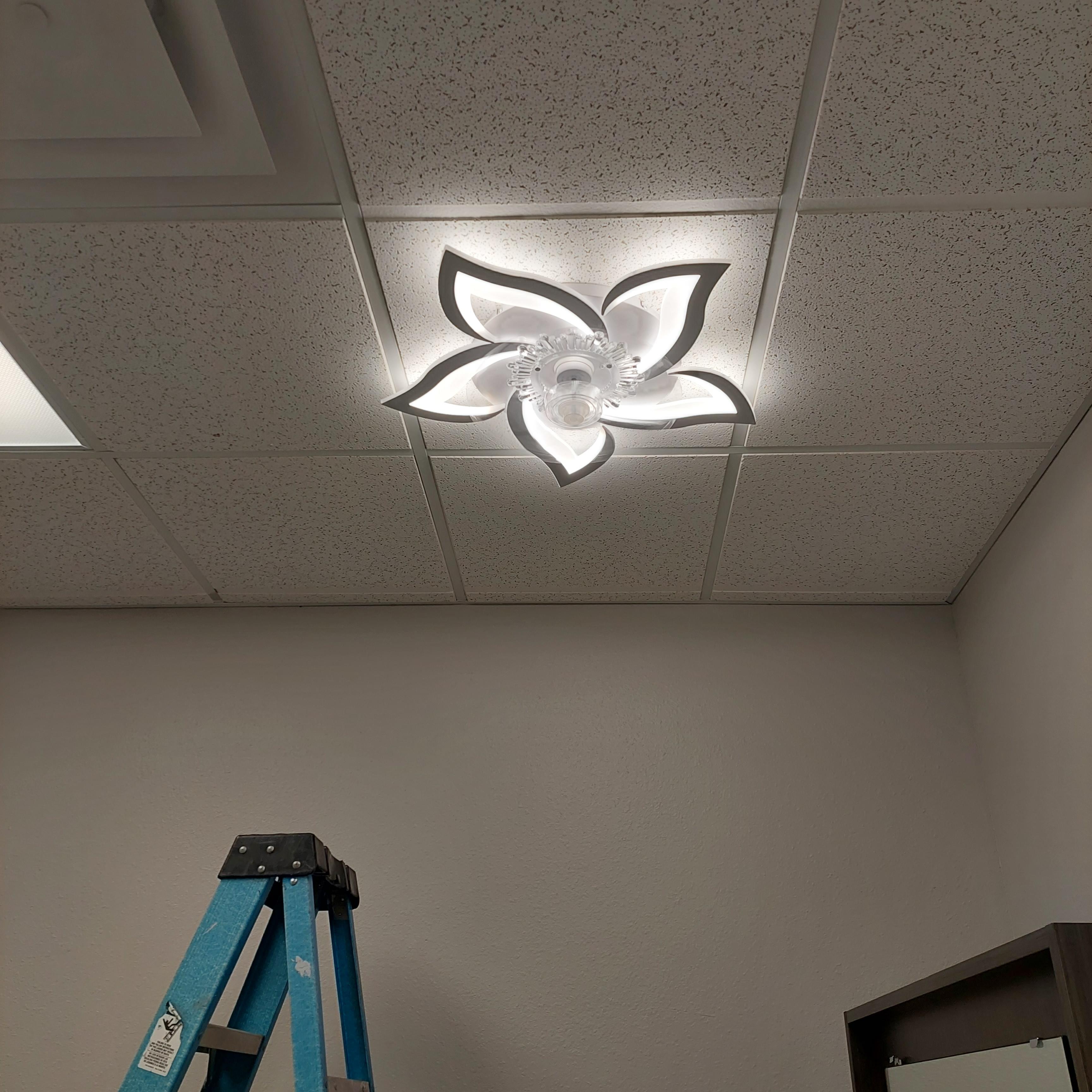
A professional assessment can uncover areas for improvement. Consider the following upgrades to enhance your lighting system.
Benefits of LED Retrofits
LED retrofits offer numerous advantages over traditional lighting. They consume less energy, reducing utility bills, and have a longer lifespan, saving on replacement costs. LEDs are available in various color temperatures and CRI levels, making them versatile for different settings. Upgrading to LEDs is a simple way to increase efficiency and improve lighting quality.
Smart Dimmers and Scenes
Smart dimmers and scenes allow for customizable lighting control. Dimmers let you adjust brightness levels to suit different tasks or moods. Scenes, programmable through smart systems, let you switch between pre-set lighting configurations with ease. These features provide both convenience and energy savings, enhancing the functionality of your lighting system.
Scheduling a Lighting Audit in Plano
A lighting audit identifies areas needing improvement for safety and efficiency. By assessing your current setup, professionals can recommend upgrades, such as LED retrofits or smart controls. Scheduling a lighting audit ensures your space is both safe and well-lit, tailored to your unique needs.
Frequently Asked Questions
What is the ideal color temperature for home lighting?
The ideal color temperature for home lighting is typically between 2700K to 3000K. This range creates a warm and inviting atmosphere, suitable for most residential settings.
How does high CRI lighting benefit my business?
High CRI lighting, with a CRI of 80 or above, enhances color accuracy, making products more appealing and environments more natural. It’s especially beneficial in retail and office settings where true color representation is important.
Are motion sensors better than photocells for security lighting?
Motion sensors and photocells serve different purposes. Motion sensors activate lights when movement is detected, ideal for security. Photocells ensure lights operate from dusk to dawn, providing continuous illumination. Choosing depends on your specific needs or combining both can be effective.
How often should egress lighting be checked?
Egress lighting should be checked regularly, at least once a month, to ensure it’s functioning properly. This is crucial for maintaining safety and compliance with local regulations.
Why consider LED retrofits for my property?
LED retrofits offer energy efficiency, long lifespan, and better lighting quality. They reduce energy costs and maintenance needs, making them a smart investment for both residential and commercial properties.