Electrical maintenance can be a headache if you jump in without a plan. As a property manager in Plano or DFW, missing a few key checks before scheduling work orders can lead to delays and unexpected costs. This property manager electrical checklist walks you through everything you need—from verifying panel labeling to coordinating tenant notices—so your next maintenance call runs without a hitch. For more detailed guidance, you might find this checklist guide useful as well.
Essential Pre-Maintenance Tasks
Before diving into any electrical maintenance, it’s crucial to lay the groundwork. This section ensures you have a solid foundation for a smooth process.
Verify Asset Lists and Diagrams
Start by confirming your asset lists. Knowing exactly what equipment you have streamlines maintenance. Cross-reference these lists with updated single-line diagrams. This gives technicians a clear view of your system layout. Having accurate diagrams minimizes errors and helps in troubleshooting.
Ensure that every asset is accounted for. Missing equipment in your lists can lead to confusion during maintenance. Regular updates and checks keep everything in order. Remember, clarity saves time and money.
Confirm Panel Labeling and Clearance
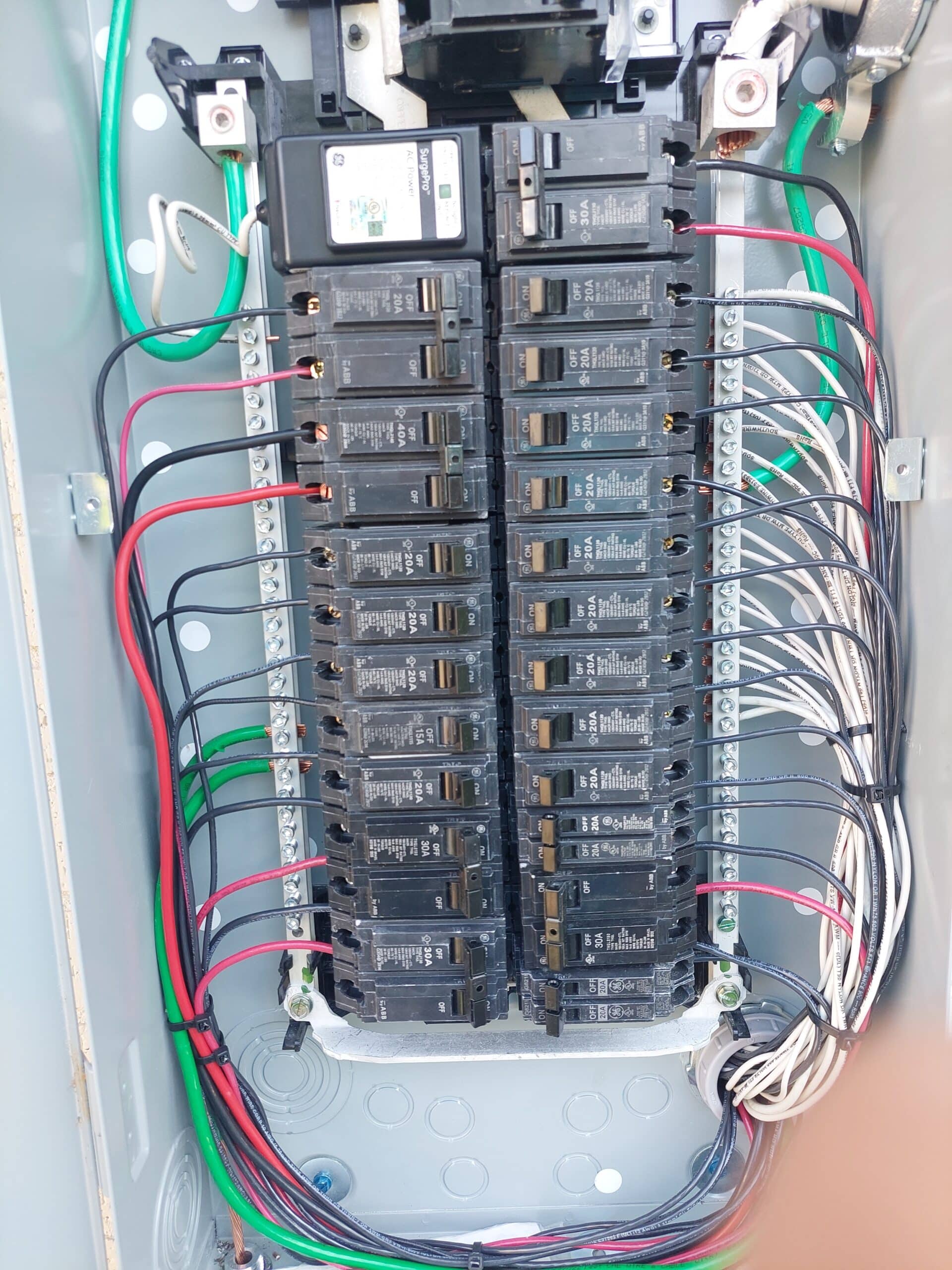
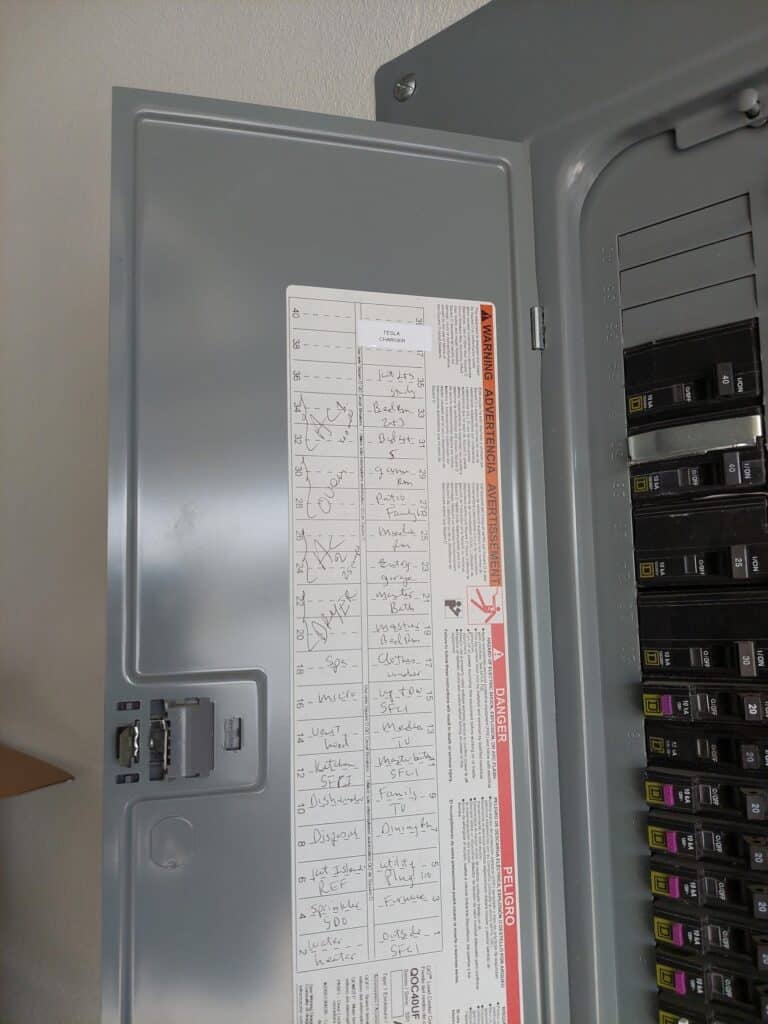
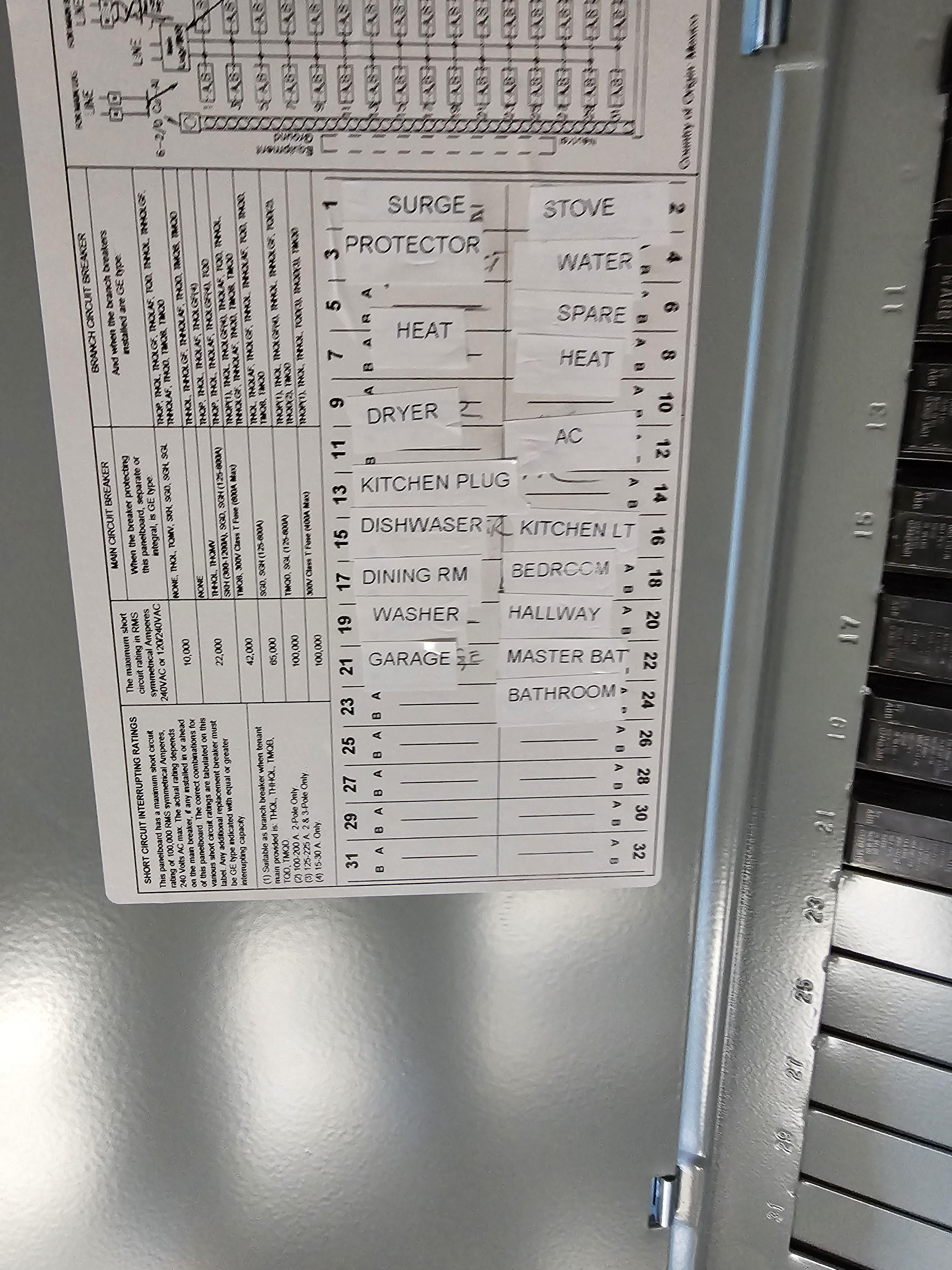
Panel labeling is more than just a formality. It guides technicians during inspections or repairs. Check that all panels have correct labels. This avoids mistakes that could disrupt power to critical areas.
Clearance around panels is equally vital. Ensure at least three feet of space around each panel. This provides safety and ease of access. Regularly check these clearances to maintain a safe working environment.
Review Service History and Warranties
Before scheduling maintenance, review the service history of your electrical systems. This information highlights recurring issues and helps prioritize tasks. Historical data can reveal patterns that need addressing.
Warranties are another crucial aspect. Know what components are still under warranty. This can save costs if parts need replacing. Keeping this information organized ensures you’re not paying for covered repairs.
Planning for Maintenance

With pre-maintenance tasks complete, it’s time to plan. Proper planning ensures that maintenance goes off without a hitch.
Schedule Outage Windows and Notices
Timing is everything in maintenance. Identify the best outage windows to minimize disruption. Coordinate with tenants to ensure they’re informed well in advance. Early communication builds trust and reduces complaints.
Consider the time of day and week when planning outages. Aim for times when impact is minimal, like early mornings or weekends. This thoughtful approach keeps everyone happy and operations running smoothly.
Prepare Roof and Electrical Room Access
Ensure all necessary areas are accessible. Roof and electrical room access might require special permissions or keys. Confirm these arrangements ahead of time to prevent delays.
Safety checks are crucial here. Verify that all access points are secure and safe for technicians. Preemptively addressing these logistics ensures maintenance proceeds without a hitch.
Check NEC and Local Code Compliance
Compliance is non-negotiable. Review the National Electrical Code (NEC) and any local regulations. Ensuring your property meets these standards prevents legal issues down the line.
Regular compliance checks are a safeguard. They not only ensure safety but also protect your property investments. Keeping abreast of code changes is part of responsible property management.
Coordination and Opportunities
With planning in place, focus on coordination and identifying potential upgrades that could benefit your property.
Identify Life Safety Dependencies
Life safety systems like fire alarms and emergency lighting are critical. Identify these systems and prioritize their maintenance. They’re essential for tenant safety and legal compliance.
Ensure dependencies are clear. For example, power supply to fire alarms should never be disrupted during maintenance. Knowing these dependencies helps prevent serious oversights.
Coordinate IT and Low-Voltage Systems
IT and low-voltage systems often rely on stable power. Coordinate with IT teams to ensure minimal disruption. These systems might include security cameras or access control.
Plan maintenance around these critical systems. Downtime can be costly, so strategic coordination minimizes impact. Remember, keeping IT systems online is crucial for business operations.
Flag Upgrade Opportunities
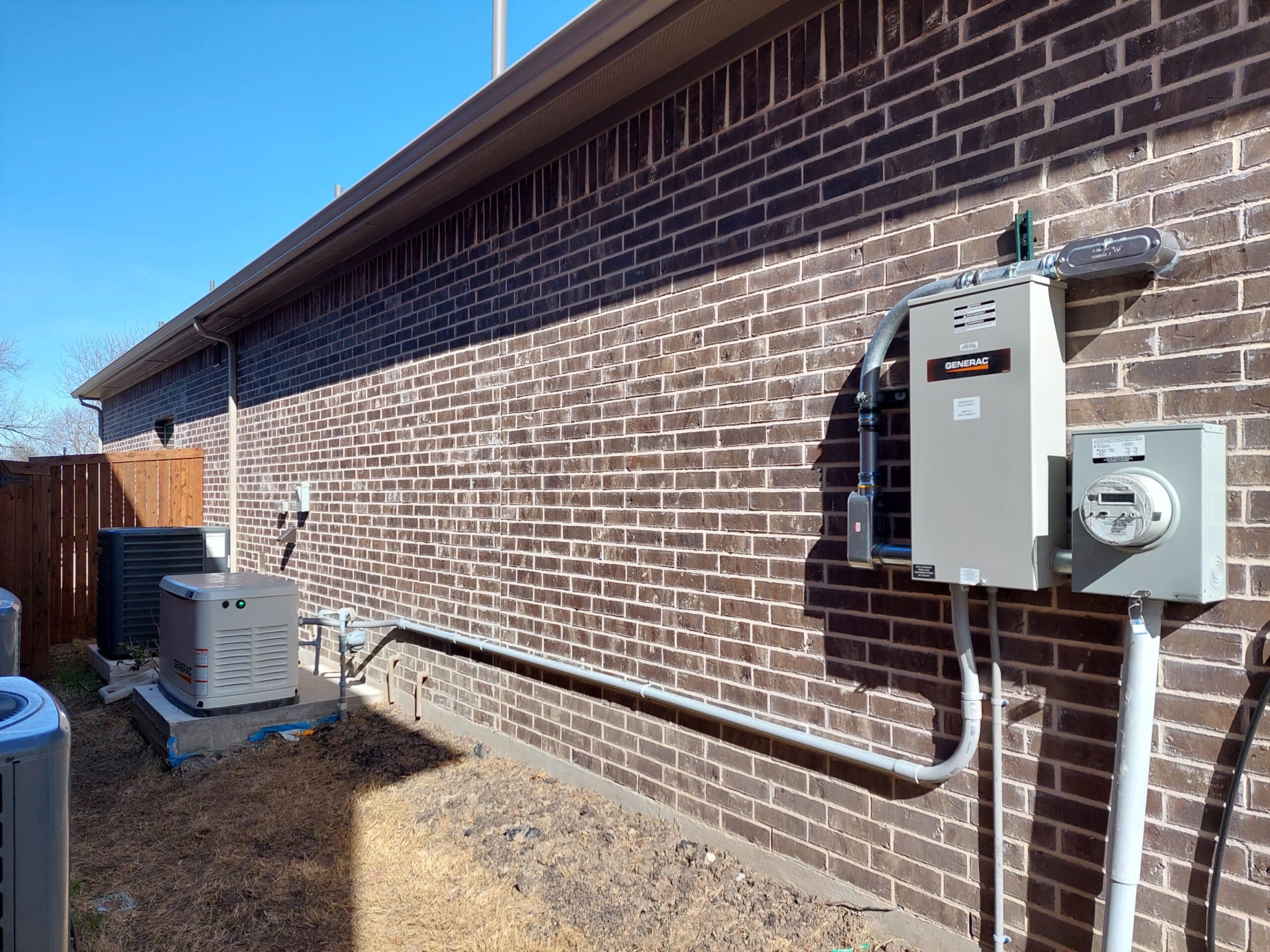
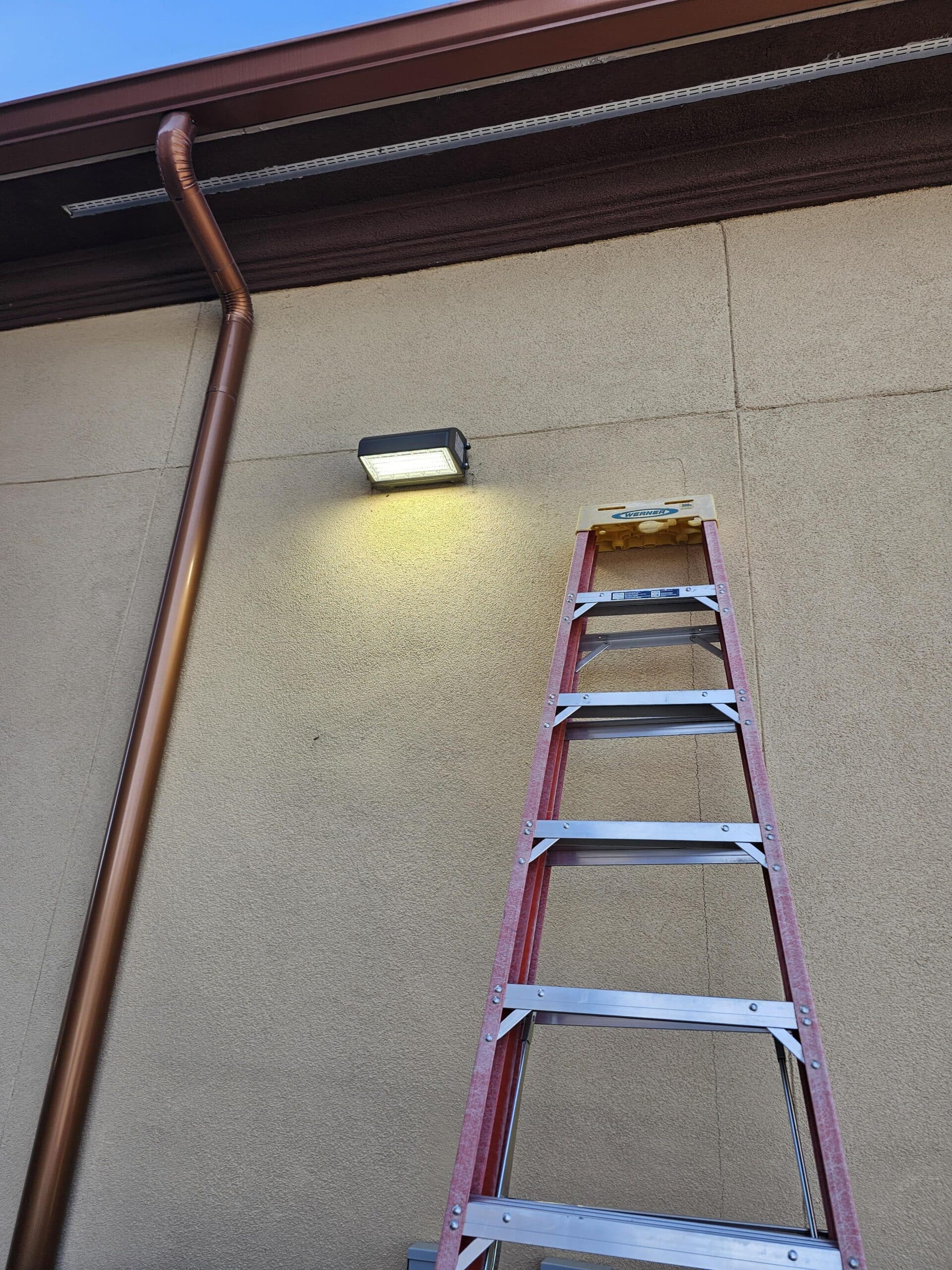
Maintenance time is perfect for considering upgrades. Look for opportunities like surge protection or LED lighting retrofits. These upgrades can enhance efficiency and reduce future maintenance costs.
Discuss potential upgrades with your team. Evaluate the cost versus benefit for each option. Investing in upgrades now can lead to significant savings and improved reliability down the line.
Frequently Asked Questions
What should I check before scheduling electrical maintenance?
Before scheduling, verify asset lists, confirm panel labeling, review service histories, and ensure compliance with NEC and local codes.
Why is panel clearance important?
Proper clearance ensures safety and accessibility during maintenance. It prevents accidents and allows technicians to work efficiently.
How do I manage outage windows effectively?
Plan outages during low-impact times and communicate with tenants in advance to minimize disruption and build trust.
What upgrades should I consider during maintenance?
Consider surge protection, LED retrofits, and panel upgrades. These improvements can boost efficiency and reduce future costs.
How can I ensure compliance with electrical codes?
Regularly review NEC and local requirements, and ensure all installations meet these standards to avoid legal issues.