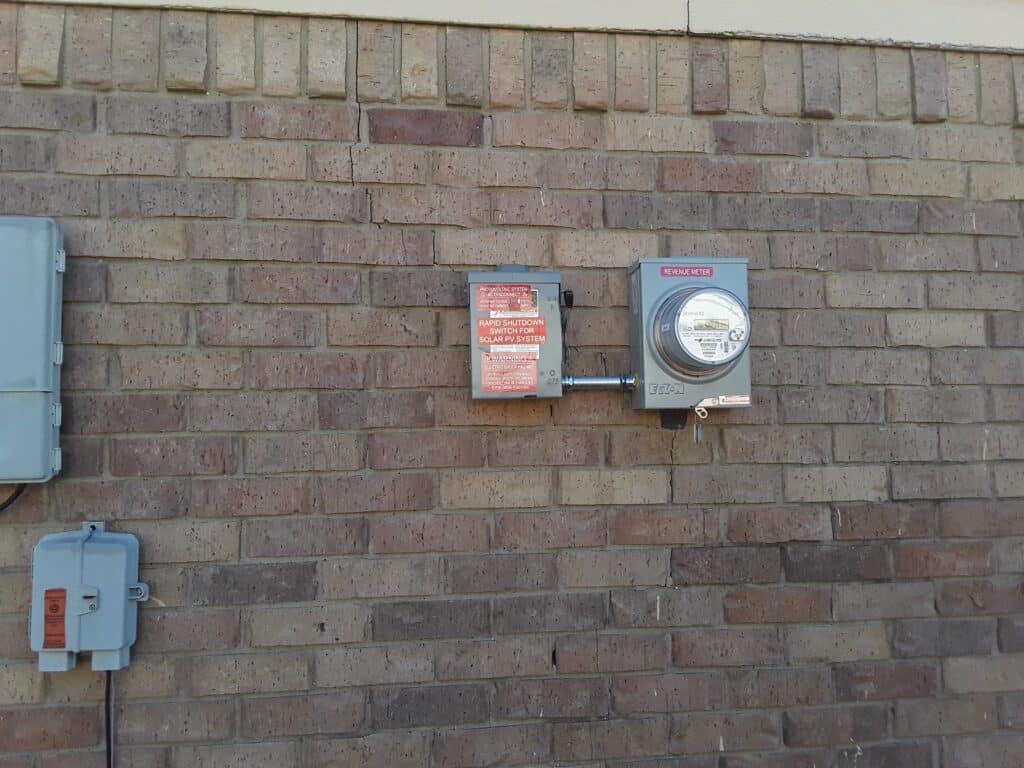
Planning to add EV charging at your Plano home or business? Without a clear electrical readiness check, unexpected costs and code issues can throw your project off track. This guide shows you what to review—from panel capacity to permits—so your EV charger installation in Plano goes smoothly and safely. Keep reading to get the details that help you avoid headaches before you plug in.
Electrical System Assessment
Before setting up an EV charger, it’s essential to evaluate if your electrical system can handle the new demand.
Evaluate Panel Capacity
The first step is checking if your current electrical panel can support the extra load of an EV charger. Many homes have panels with limited capacity, which may not be sufficient for installing a Level 2 charger. You should look for signs like frequent breaker trips or flickering lights, which might indicate that your panel is already struggling. Upgrading your panel might be necessary to ensure safe and efficient charging.
Circuit Options and Layout
Once you’ve assessed your panel, think about how your circuits are arranged. You’ll need a dedicated circuit for your EV charger to prevent overloading existing ones. Consider the layout: is the garage or parking area close enough to the panel? The distance can affect the installation cost and complexity. Plan the circuit’s path carefully to minimize disruption and expense.
Conduct EV Load Calculation
Before proceeding, conduct a load calculation to determine the additional electrical load your EV charger will add. This step helps you understand if your system can handle the charger without causing issues. Many electric vehicles require a 240V circuit, which is different from standard home appliances. Calculate your total load to see if adjustments are necessary, like a panel upgrade or circuit addition.
Compliance and Code Considerations
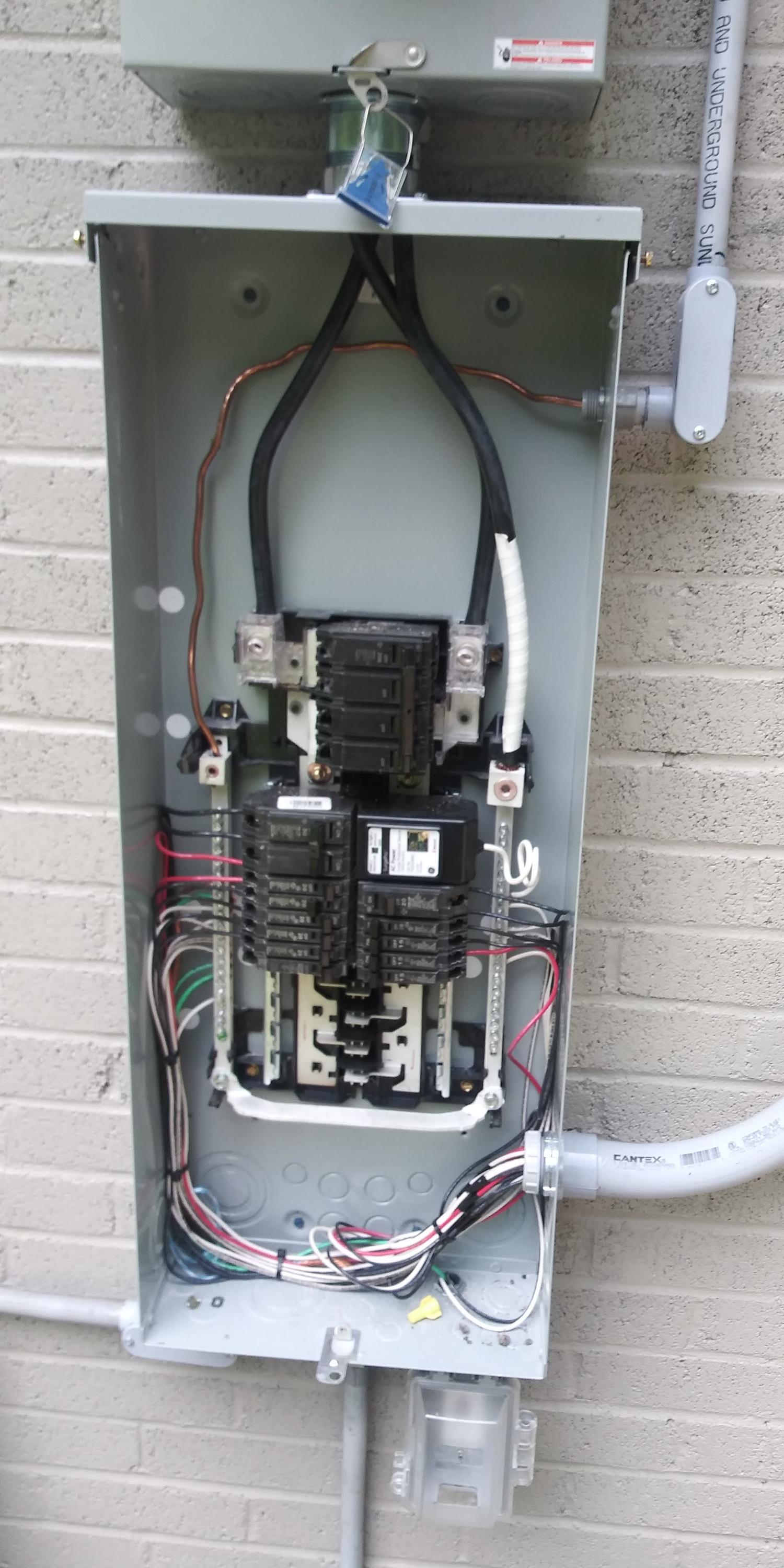
Meeting local regulations and codes is crucial for a safe and legal installation.
NEC 625 Code Essentials
The National Electrical Code (NEC) includes specific guidelines for EV charging installations under section 625. These rules ensure that your setup is safe and up to standard. Key requirements include using the right type of outlet and ensuring proper circuit protection. Familiarize yourself with these essentials to avoid code violations and potential hazards.
Permitting Process in Plano
In Plano, obtaining the correct permits is necessary for legal EV charger installation. This process involves submitting plans that detail your installation, including electrical specifications and layout. Work with a licensed electrician who understands local regulations to streamline the permitting process and avoid delays.
Grounding and GFCI Requirements
Proper grounding and Ground Fault Circuit Interrupter (GFCI) protection are mandatory for EV chargers. These measures protect against electrical shocks and ensure the system’s safety. Make sure your installation includes proper grounding and GFCI devices to comply with safety standards and prevent accidents.
Cost and Installation Factors
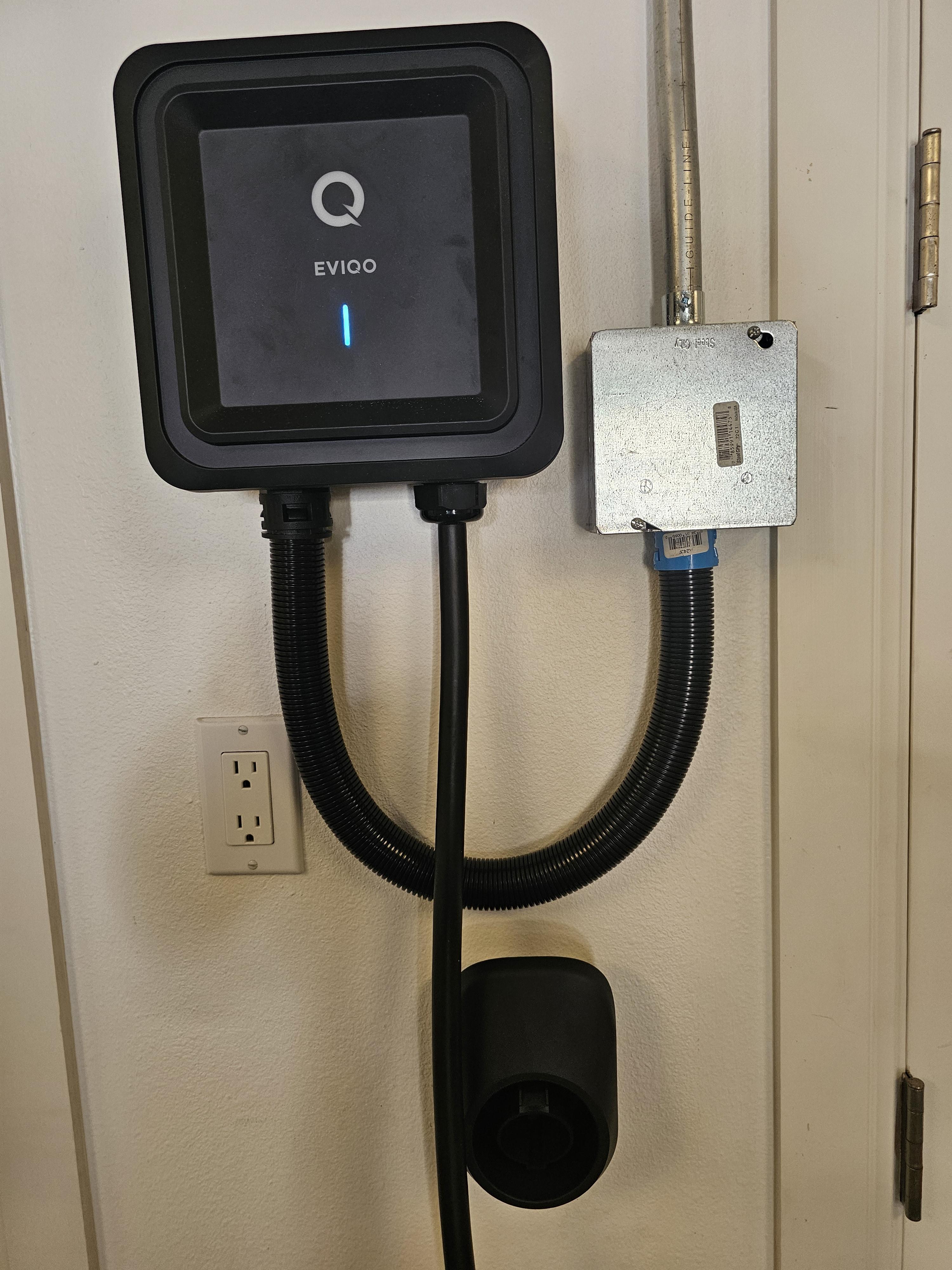
Understanding costs and planning effectively can save you money and hassle.
Electrical Panel Upgrade Costs
If your current panel can’t support an EV charger, you might need an upgrade. This can range from a few hundred to several thousand dollars, depending on your system’s complexity. Consider this potential cost in your budgeting and discuss options with your electrician.
Site Layout and Distance Planning
The location of your charging station relative to your electrical panel affects installation costs. A longer distance requires more wiring and potentially more labor, increasing expenses. Plan your site layout to minimize distance, which can help reduce costs and complexity.
Surge Protection and Safety Measures
Adding surge protection is essential to safeguard your EV charger and vehicle from power surges. These safety measures prevent costly damage to your equipment and ensure longevity. Discuss surge protection options with your installer to choose the best solution for your setup.
Frequently Asked Questions
What is the first step before installing an EV charger?
The first step is to assess your electrical panel capacity to determine if it can handle the added load of an EV charger. This may involve checking for signs of strain like frequent breaker trips.
Do I need a permit to install an EV charger in Plano?
Yes, a permit is required for EV charger installation in Plano. This ensures the installation meets safety and code requirements. Consult with a licensed electrician to navigate the permitting process.
What safety measures are essential for EV charging installations?
Grounding, GFCI protection, and surge protection are essential safety measures. These protect against electrical shocks and power surges, ensuring a safe and reliable charging setup.