Your electrical panel might be working harder than it should without you realizing it. Flickering lights, breakers that trip for no clear reason, or plans for a kitchen remodel could all signal that it’s time for an electrical panel upgrade Dallas homeowners should not ignore. Knowing when to replace your electrical panel can prevent costly repairs and keep your home safe. Let’s walk through 10 clear signs that your Dallas–Plano home needs an upgrade before small problems turn into big headaches.
Recognizing Electrical Panel Issues
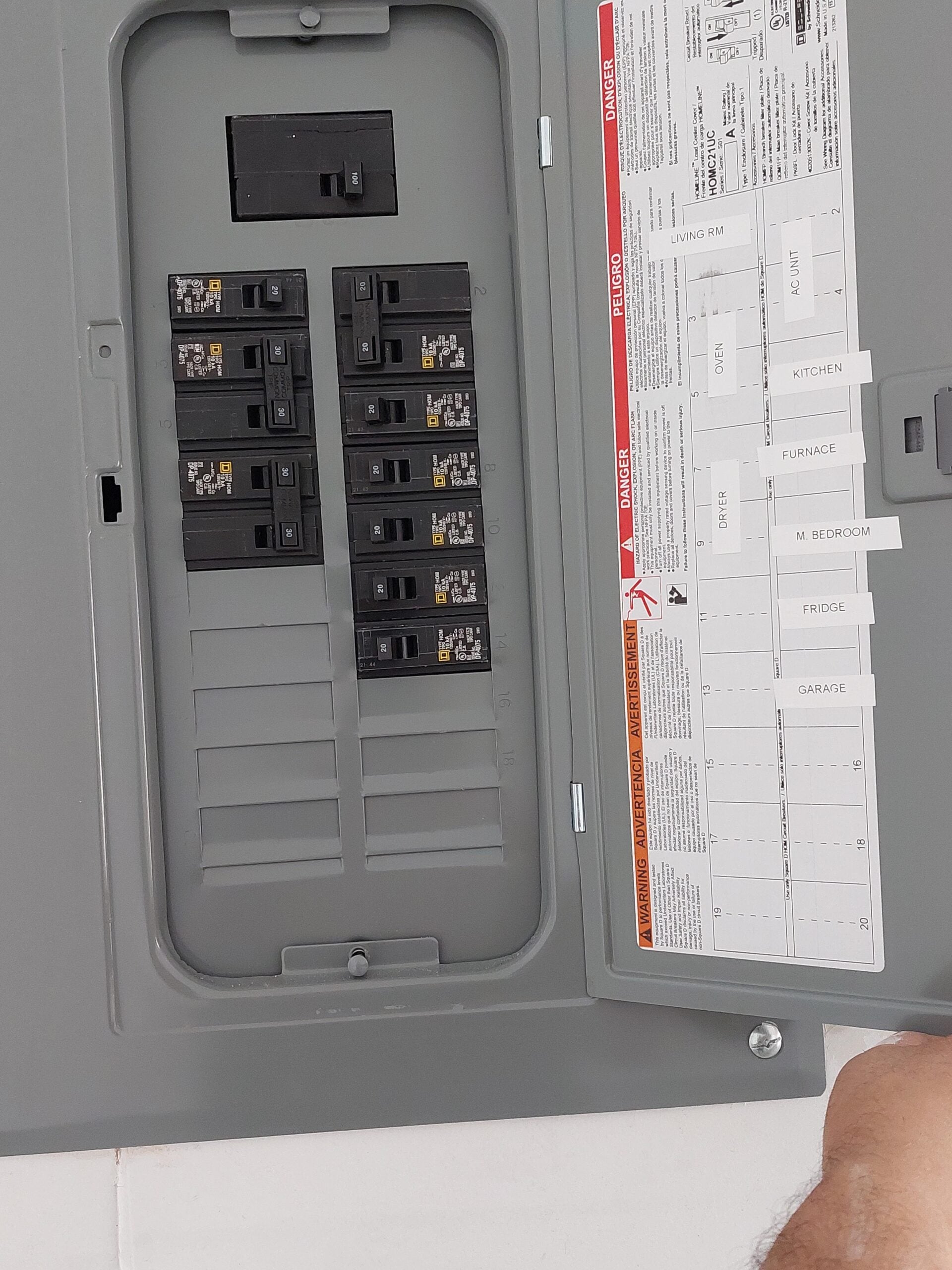
Identifying issues with your electrical panel is crucial to maintaining a safe and functional home environment. Let’s explore some common signs that indicate you might need an upgrade.
Flickering Lights in Dallas Homes
Flickering lights can be more than just a minor annoyance. If you notice your lights flickering frequently, it could be a sign of an underlying issue with your electrical panel. This happens when the panel struggles to distribute power evenly. You might experience this more during heavy usage times, like when multiple appliances are running. It’s essential to address this before it escalates into a more significant problem, such as power surges or electrical fires.
Breaker Keeps Tripping Too Often
A circuit breaker that frequently trips is a clear signal that your electrical panel might be overloaded. This can happen when the panel cannot handle the electrical demands of your home. Each time a breaker trips, it’s protecting your home from potential overload or short circuit. However, constant tripping means it’s time to consider an upgrade. This ensures your home can safely meet your electrical needs without interruptions.
Outdated Federal Pacific Panels
Older homes in Dallas often have Federal Pacific panels, recognized for their safety issues. These panels have a history of failing to trip when needed, leading to potential fire hazards. If your home still uses one of these panels, it’s crucial to replace it. Modern panels offer improved safety features and can handle today’s electrical demands more efficiently.
Planning an Electrical Panel Upgrade
Once you’ve identified the need for an upgrade, planning becomes the next step. This involves understanding regulations and preparing your home for the changes.
Understanding NEC Code Compliance in Texas
In Texas, electrical installations must comply with the National Electrical Code (NEC). This code ensures safety and efficiency in how electrical systems are designed and maintained. Upgrading your panel to meet NEC standards not only keeps your home safe but also ensures compliance with local regulations. This is particularly important in Dallas, where adherence to code is crucial for both safety and legal reasons.
Preparing for a 200 Amp Panel Upgrade
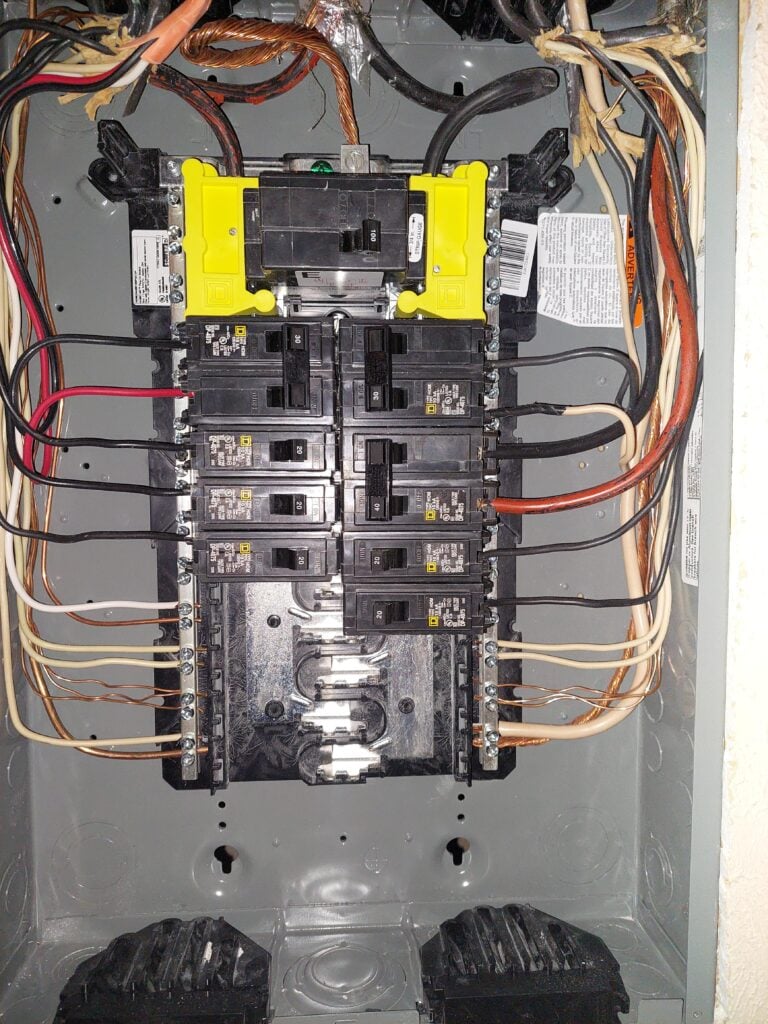
Upgrading to a 200 amp panel can significantly improve your home’s electrical capacity. This is especially beneficial if you plan to add more appliances or are considering a remodel. A 200 amp panel can handle increased loads, reducing the risk of overloads. Before upgrading, consult with a professional to assess your current setup and determine the best approach for your home’s needs.
Smart Home and EV Charger Electrical Capacity
As smart homes and electric vehicles (EVs) become more popular, ensuring your electrical system can support these technologies is vital. Upgrading your panel provides the capacity needed for smart devices and EV chargers. This not only enhances convenience and efficiency but also future-proofs your home, allowing easy integration of new technologies as they develop.
Benefits of Upgrading Your Electrical Panel
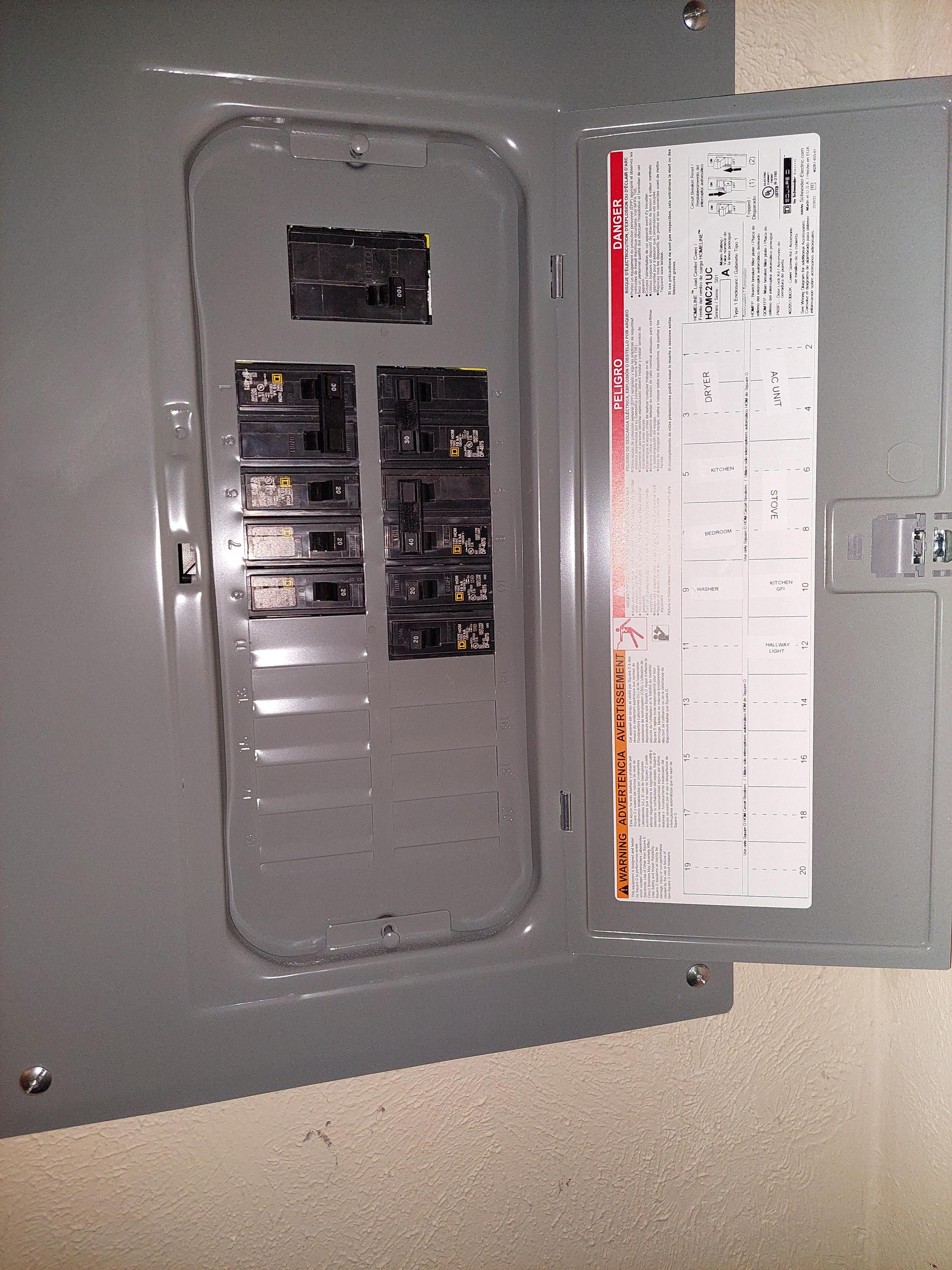
Upgrading your electrical panel offers numerous advantages beyond just meeting current demands. Let’s explore some of these benefits.
Whole Home Surge Protection Solutions
One significant advantage of upgrading your panel is the ability to integrate whole-home surge protection. This protects your appliances and sensitive electronics from power surges, extending their lifespan and reducing replacement costs. Surge protection is an invaluable asset, especially in areas prone to storms and power fluctuations.
AFCI and GFCI Safety Upgrades
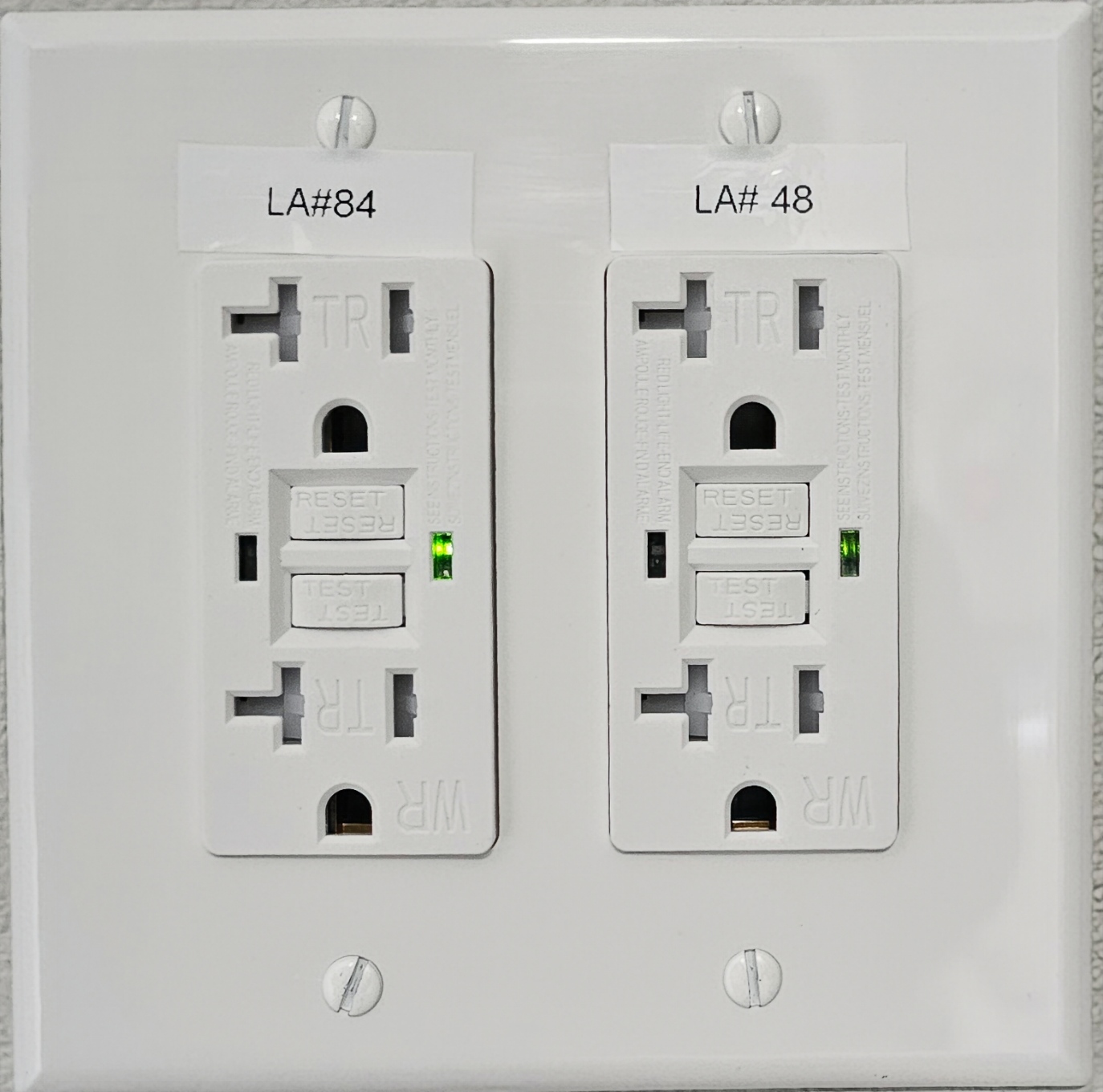
Modern panels allow for the installation of Arc Fault Circuit Interrupters (AFCIs) and Ground Fault Circuit Interrupters (GFCIs). These devices provide additional layers of safety by preventing electrical fires and protecting against electric shocks. AFCIs detect arcs that could lead to fires, while GFCIs prevent electric shocks in wet areas like kitchens and bathrooms.
Backup Generator Ready Panels and More
Upgrading your panel also makes it easier to integrate a backup generator. This is particularly useful during power outages, ensuring your home remains powered. With a backup generator-ready panel, you can maintain essential functions like lighting, refrigeration, and heating. This setup provides peace of mind, knowing your home is prepared for unexpected power interruptions.
Frequently Asked Questions
How do I know if my electrical panel needs an upgrade?
Frequent breaker trips, flickering lights, and an outdated panel are common signs. If your home has increased power needs, such as new appliances or technology, an upgrade might be necessary.
What are the benefits of upgrading to a 200 amp panel?
Upgrading to a 200 amp panel increases your home’s capacity to handle more electrical devices, reduces the risk of overloads, and supports future expansions.
Is it necessary to comply with the NEC code?
Yes, complying with the NEC code ensures your electrical system’s safety and legality. It helps prevent accidents and ensures that your installation meets national safety standards.
Can an upgraded panel support smart home devices and EV chargers?
Yes, upgrading your panel provides the necessary capacity to support smart home devices and EV chargers, making your home more efficient and future-ready.
Why is whole-home surge protection important?
Whole-home surge protection shields your electronics from power surges, extending their lifespan and preventing costly replacements. It is especially beneficial in areas prone to electrical fluctuations.