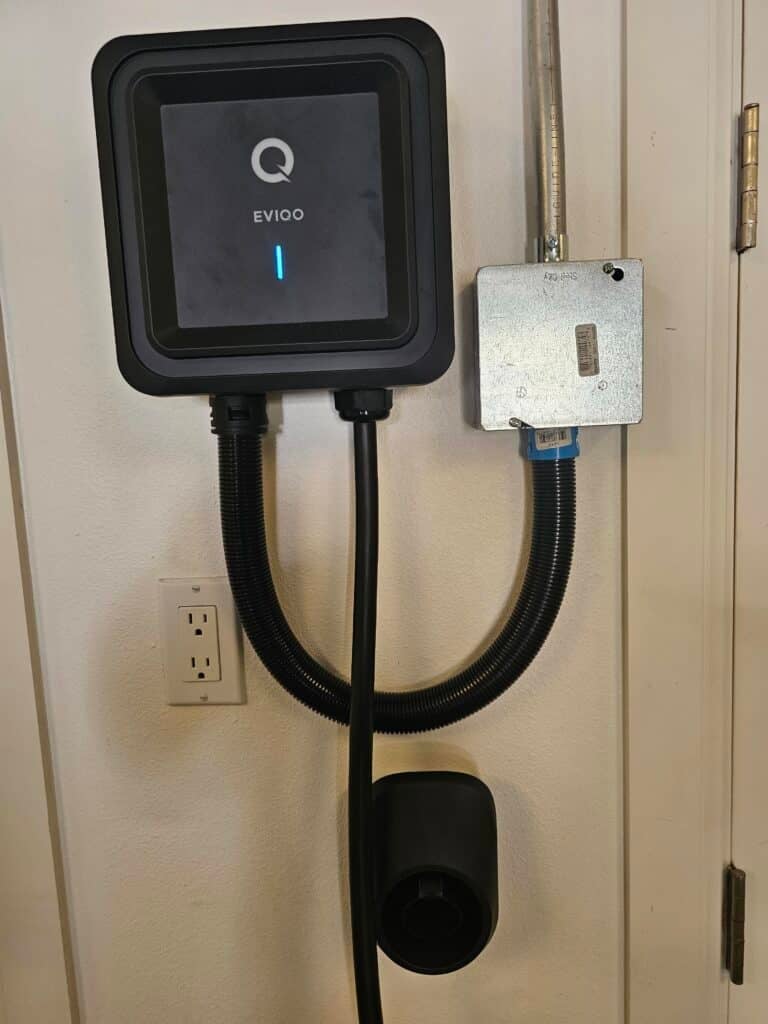
Adding an EV charger to your home or business in Plano isn’t as simple as plugging in a device. Many properties face unexpected hurdles like limited electrical panel capacity, confusing permit rules, and costly upgrades. Knowing what to check before starting your EV charger installation Plano can save you time and money—and help you pick the right setup for your needs. Let’s break down the key steps to get your EV charging project on solid ground.
Understanding Electrical Capacity
Before you install an EV charger, it’s crucial to understand your electrical capacity. Without the right setup, you could face power issues.
Electrical Panel Capacity Check
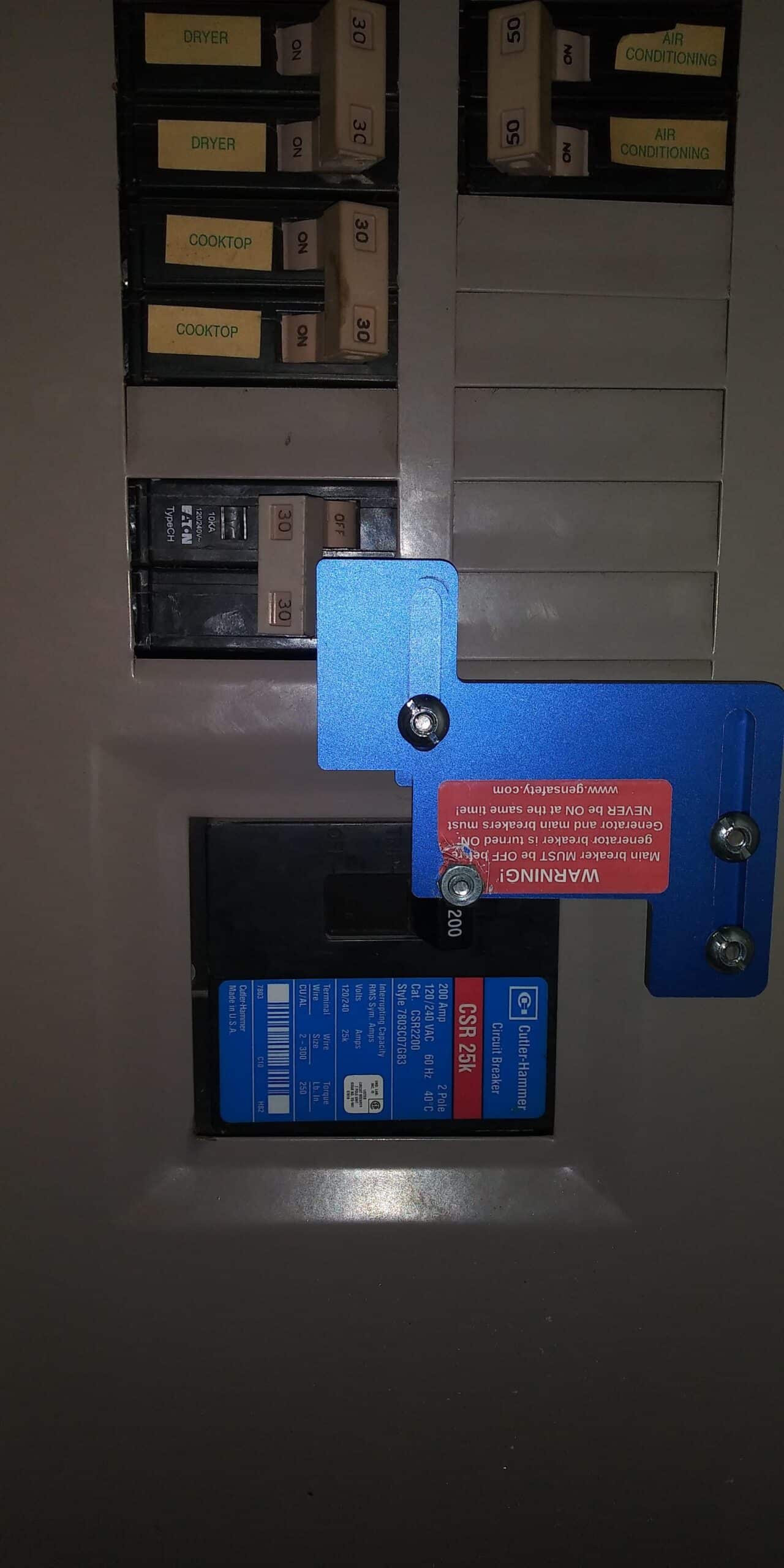
Start by checking your electrical panel capacity. This involves looking at the main breaker to see the amperage it can handle. For many homeowners, this means knowing the difference between a 100-amp and a 200-amp panel. Most homes with older panels may need an upgrade to support Level 2 charging. If your panel is maxed out, you could risk overload.
A NEMA 14-50 outlet is a common choice for EV chargers because it supports a higher charge rate compared to a standard outlet. Make sure your panel can support this, or consult with a professional to determine if a panel upgrade is necessary. This small step can save you big headaches later.
Load Calculation Electrician Insights
It’s not just about the panel. You’ll need a load calculation. This is where a licensed electrician examines your home’s current power usage and determines what more it can handle. They’ll consider all major appliances, AC systems, and lighting. If your home has heavy power demand, you might be closer to the limit than you think.
A professional will help anticipate future needs, especially if you’re planning additional upgrades or appliances. They can provide an accurate picture of whether your current setup is sufficient or if you need a panel upgrade in Plano.
Panel Upgrade Plano Considerations
Many properties in Plano might need a panel upgrade. Upgrading from an older 100-amp panel to a 200-amp panel can handle more load, which is essential for EV chargers. This upgrade is an investment in your home’s electrical infrastructure, making it safer and more efficient.
Upgrading panels also brings the benefit of increased property value. Future buyers will appreciate the modern touch and readiness for EV integration. Consult with a Level 2 charger installer to discuss your options and find the best solution for your needs.
Navigating Permits and Compliance
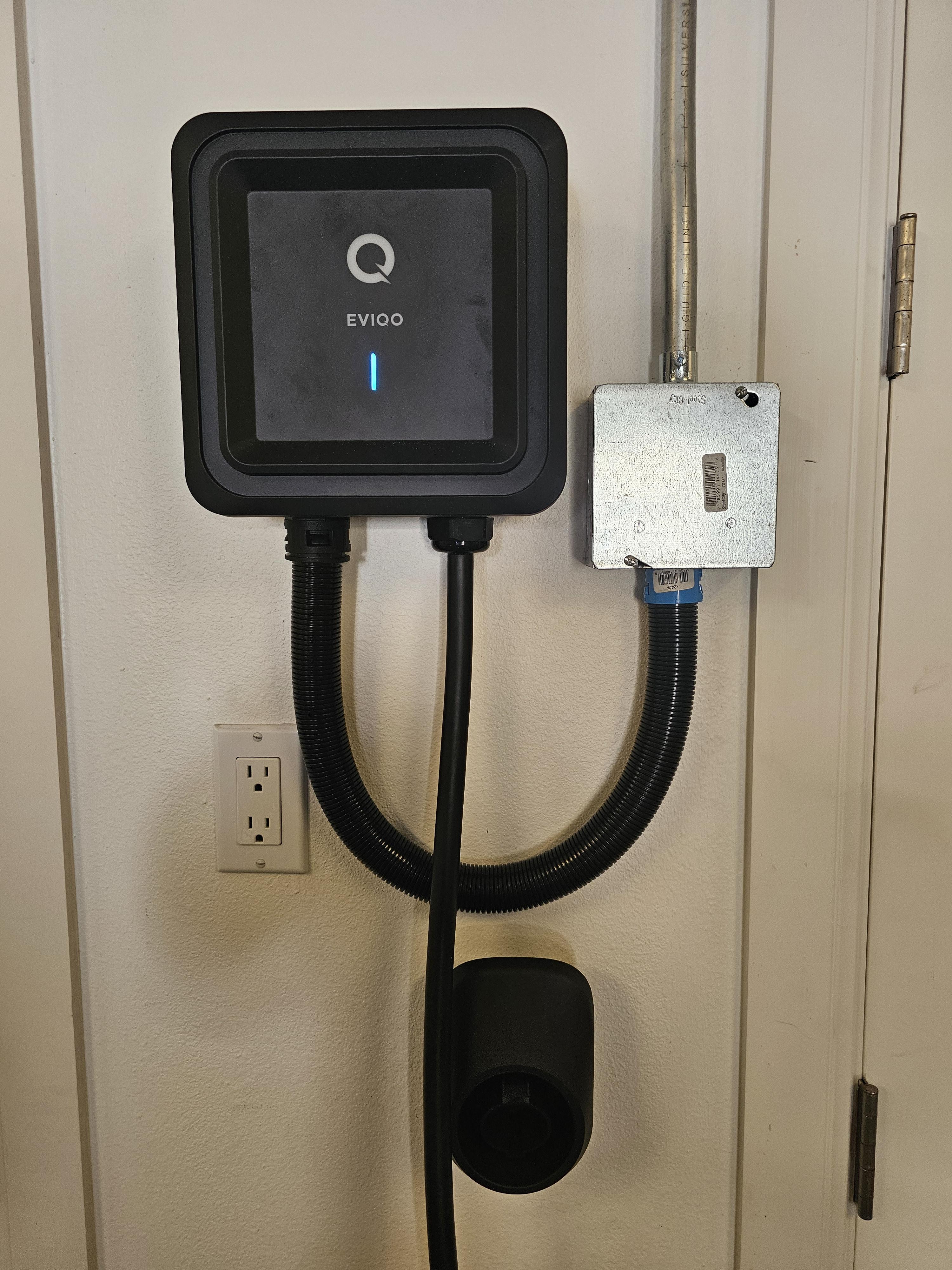
Once your electrical capacity is understood, it’s time to navigate the permits and compliance landscape, ensuring your installation is up to code.
Permit for EV Charger Plano
In Plano, you’ll likely need a permit for EV charger installation. This ensures everything is done to local standards and helps avoid fines or penalties. Permitting processes can vary, so it’s wise to check with local authorities or your installer.
Getting a permit not only legitimizes your installation but also guarantees that the setup is inspected and safe. This step provides peace of mind that your EV charging setup won’t pose a risk to your home or family.
NEC 625 Compliance Guidelines
Compliance with NEC 625 is non-negotiable. These guidelines cover the safety standards for EV charging systems. They include everything from proper grounding techniques to wiring specifications.
Staying compliant ensures your installation is safe and reduces the chance of electrical fires or malfunctions. Always work with a licensed installer familiar with these standards to ensure everything is up to par.
Oncor Service Upgrade Process
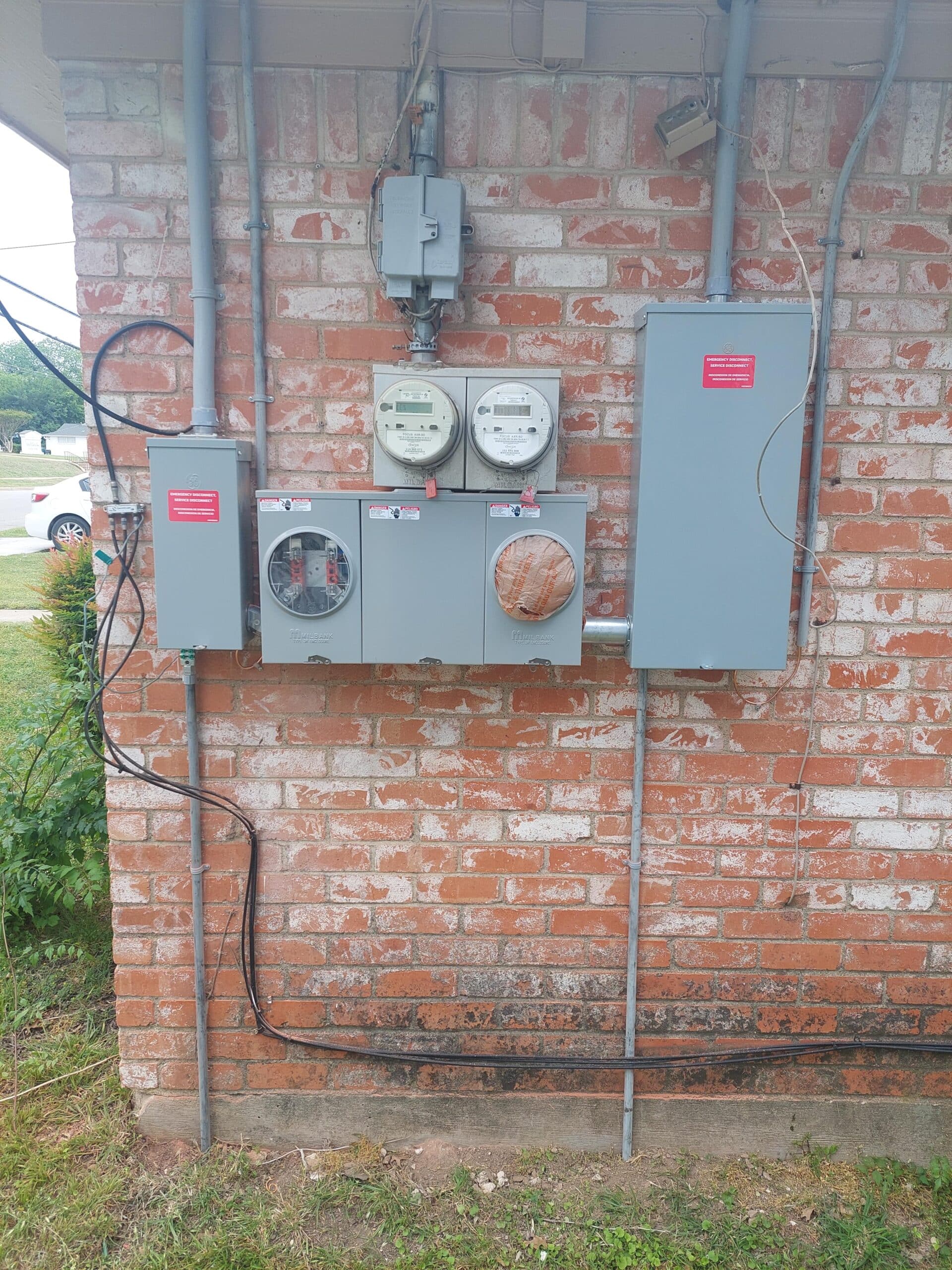
If your current service isn’t enough, you might need an Oncor service upgrade. This involves increasing your home’s connection to the grid to support additional power needs. It’s a process that requires coordination with your utility provider.
This upgrade can take time, so it’s something to consider early in the planning stages. Discuss your needs with Oncor and your electrician to understand the timeline and costs involved.
Designing Your Charging Site
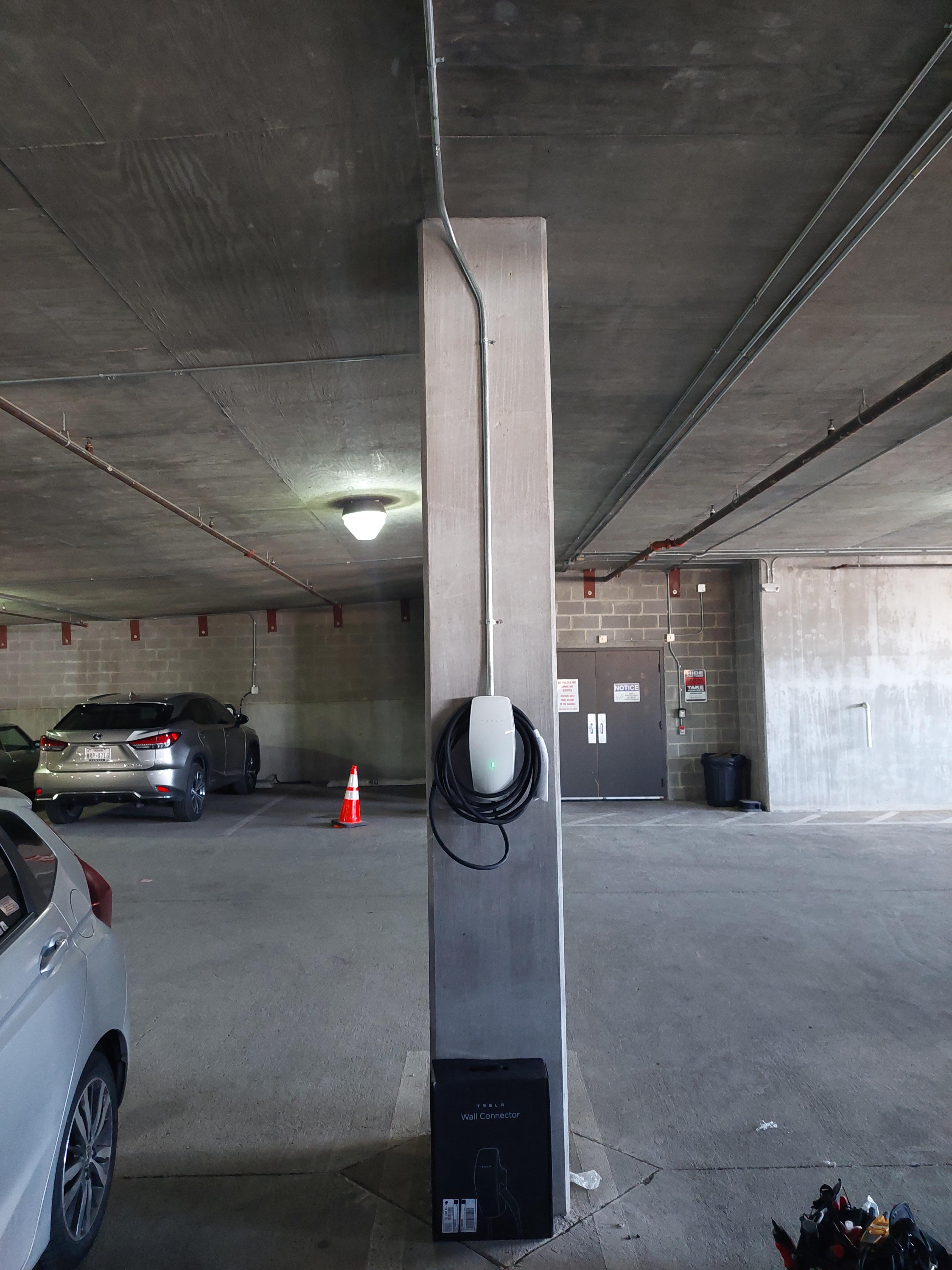
Designing the right charging site is essential for functionality and convenience. Here’s what to consider.
Choosing the Right Charger Type
Decide on the right charger type for your needs. Level 1 chargers are slower but use standard outlets, while Level 2 chargers require special equipment and a dedicated circuit. Most EV owners prefer Level 2 chargers for their faster charging times.
Consider your driving habits and charging needs. If you have multiple EVs or drive long distances regularly, a Level 2 charger might be your best bet. Consult with a Tesla Wall Connector installer to explore options.
Smart Charger Load Management
Implementing smart charger load management can optimize your energy use. This system balances the load between your EV charger and other high-demand appliances, reducing stress on your electrical system.
Smart chargers offer the added benefit of scheduling and monitoring through a smartphone app, providing insights into your energy usage. This feature ensures efficient charging and can save on electricity bills over time.
ADA EV Parking Requirements Texas
If you’re setting up charging for a business, consider ADA EV parking requirements. These rules ensure that EV charging stations are accessible to all, including those with disabilities. Compliance here is not just a legal requirement but a commitment to inclusivity.
Position your charging stations with easy access in mind and ensure pathways are clear and accessible. This consideration can enhance your business image and expand your customer base.
Frequently Asked Questions
1. Do I need a permit to install an EV charger at home?
Yes, in most cases, a permit is required to ensure compliance with local electrical codes and safety standards. Check with local authorities or consult a professional installer.
2. What is the difference between Level 1 and Level 2 chargers?
Level 1 chargers use standard outlets and charge slowly, suitable for overnight charging. Level 2 chargers are faster and require a dedicated circuit, ideal for daily use.
3. How do I know if my electrical panel can handle an EV charger?
Conduct an electrical panel capacity check to determine if your panel can support additional load. A professional electrician can provide a detailed load calculation.
4. What is NEC 625 compliance, and why is it important?
NEC 625 compliance refers to adhering to safety guidelines for EV charging systems. It ensures installations are safe and reduce the risk of electrical hazards.
5. How can smart charger load management save me money?
Smart chargers optimize energy use by balancing load, reducing peak demand charges, and allowing scheduled charging to take advantage of lower electricity rates.