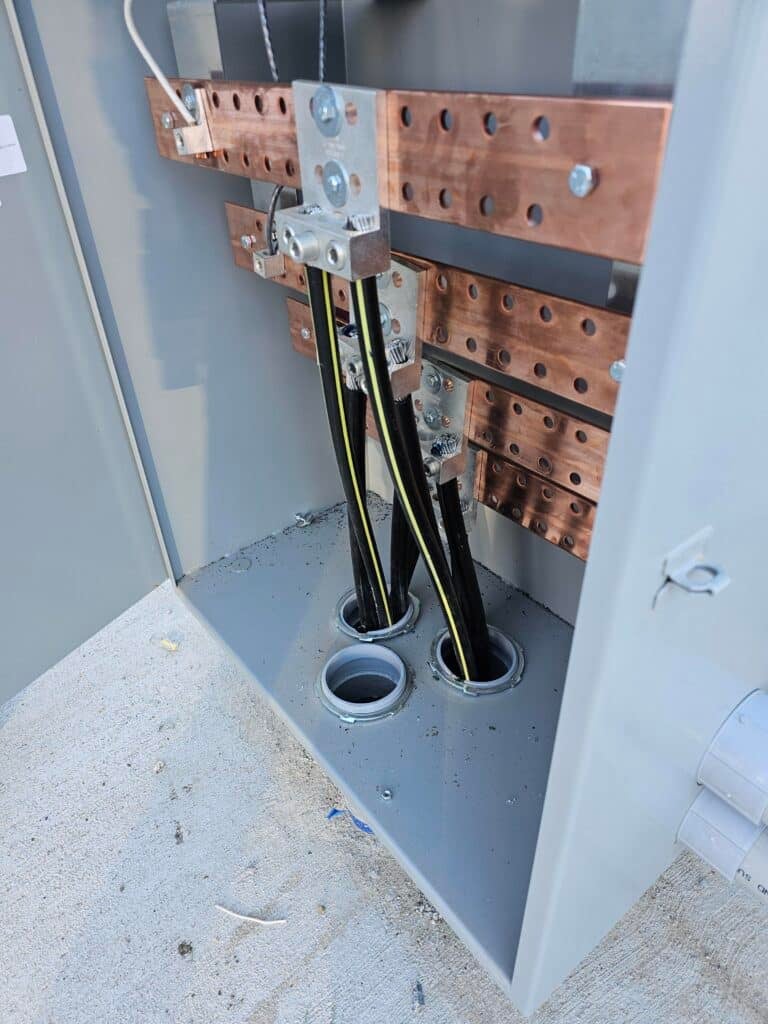
Low-voltage wiring isn’t just a detail—it can make or break your entire security setup. Poor wiring leads to blurry cameras, spotty access control, and unexpected downtime that puts your property at risk. In this guide, you’ll learn why using the right Cat6 cabling, managing PoE loads, and proper grounding are critical to keeping your systems reliable in Plano and Dallas. Let’s get into what ensures your cameras and door hardware run smoothly every day. For more insights, check out The Backbone of Smart Security.
Importance of Low-Voltage Wiring
Low-voltage wiring is a critical element that impacts the functionality and reliability of security systems. A poor setup can mean frequent malfunctions and costly repairs, while proper wiring ensures everything runs smoothly.
Impact on Security Camera Clarity
When it comes to security cameras, clear visuals are paramount. The right cabling can mean the difference between a sharp image and a blurry mess. Using quality cabling like Cat6 ensures that your cameras get the bandwidth they need. This prevents pixelated footage, which can lead to missed details when it matters most. Many homeowners and businesses overlook the role of proper wiring, but it’s a game-changer for maintaining camera clarity.
Security cameras rely heavily on stable connections. A good wiring layout minimizes interference and maximizes data flow, ensuring real-time footage with no delays. A solid network setup with well-chosen cables and connectors can significantly impact video quality. If your footage is often spotty, the wiring might be the culprit. For a deep dive into security systems, check out the complete guide to commercial security.
Access Control System Reliability
Access control systems are integral to securing any property. Their reliability hinges on how well they are wired. Poor wiring can lead to malfunctioning locks or card readers, which can be frustrating and unsafe. Correct wiring, on the other hand, ensures that doors lock and unlock as intended, keeping your premises secure.
These systems require consistent power to operate smoothly. Power over Ethernet (PoE) is a popular choice, as it combines data and power delivery over a single cable. This simplifies installation and minimizes the risk of power failure. Ensuring a reliable power source through proper low-voltage wiring can prevent unexpected downtime and increase the lifespan of your equipment.
Best Practices for Wiring
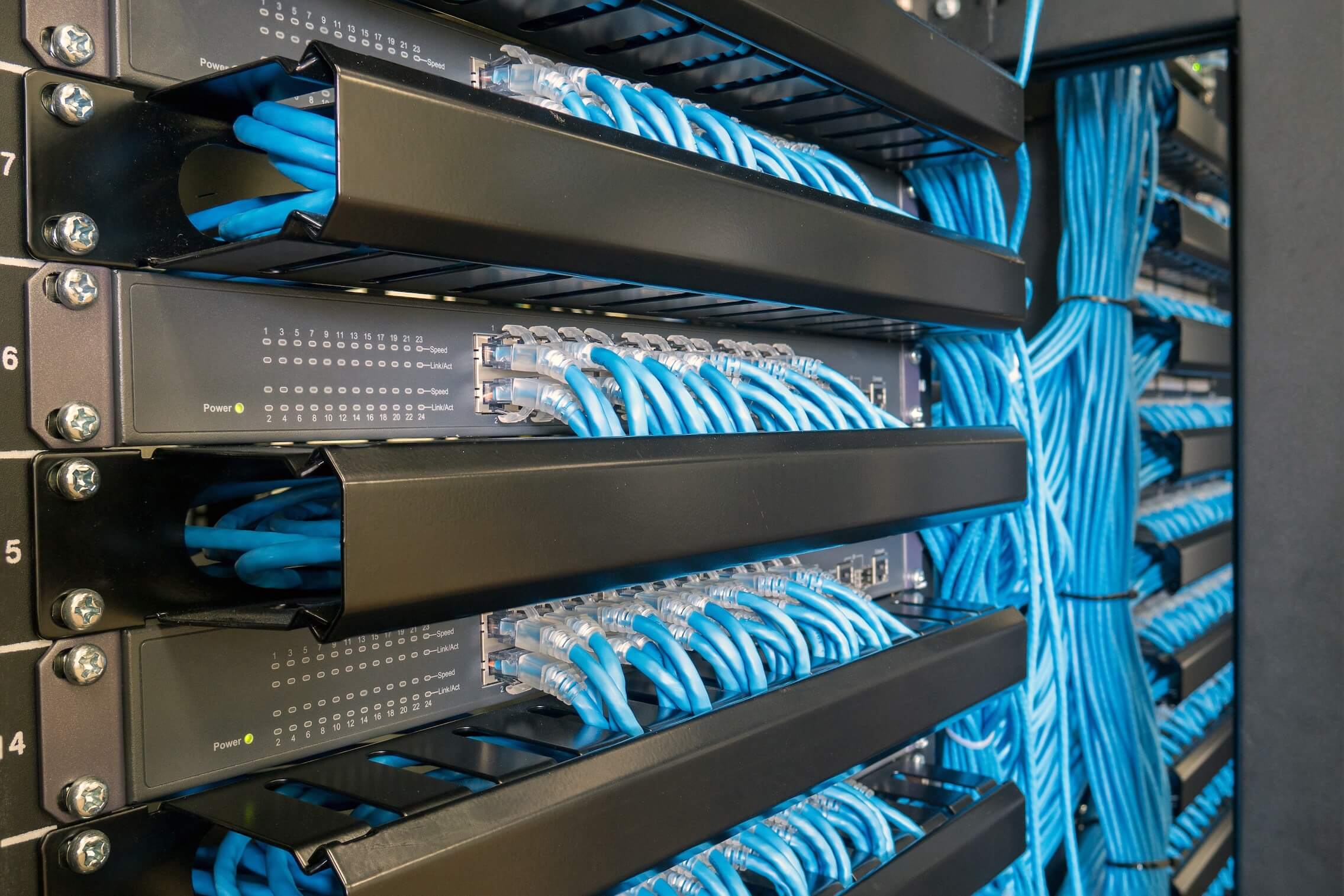
Understanding best practices for low-voltage wiring is crucial for a dependable security setup. From selecting the right cables to ensuring proper grounding, each step plays a vital role in system performance.
Selecting Cat6/6A and PoE Budgeting
Choosing the right type of cable is essential. Cat6 and Cat6A are recommended because they support higher speeds and bandwidths. This is particularly important for PoE camera networks, as it ensures there’s enough power and data transfer capacity to support multiple devices without degrading performance.
Budgeting for PoE is also vital. Assessing the power needs of each device allows you to plan the network efficiently. Calculating the load ensures that the power supply is sufficient, preventing any devices from losing power unexpectedly. A well-planned PoE budget reduces the risk of overloading circuits and helps maintain a stable network.
Managing Voltage Drop and Grounding
Voltage drop can be a hidden issue in large installations. As the distance between the power source and the device increases, voltage levels can decrease, affecting performance. Calculating voltage drop helps in planning the placement of equipment to ensure optimal operation. Tools like a voltage drop calculator are useful for this purpose.
Grounding is another critical component. Proper grounding prevents electrical surges from damaging your equipment and ensures user safety. It’s important to follow the National Electrical Code (NEC) guidelines, which recommend separating low-voltage and high-voltage wires to reduce interference. This practice enhances the longevity and performance of your system.
Professional Installation Benefits
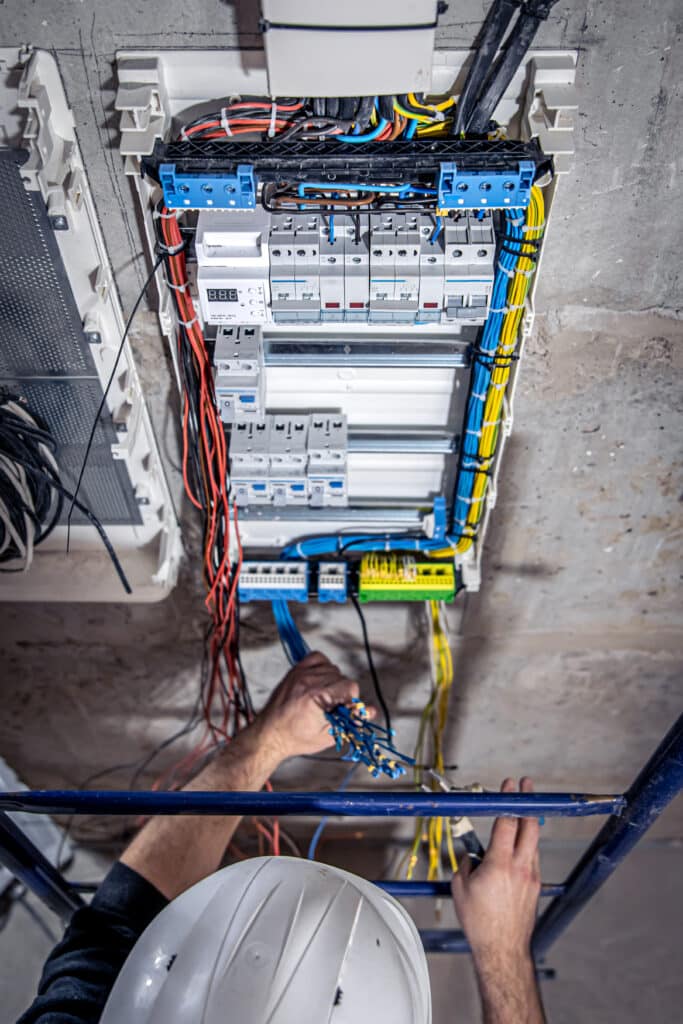
Hiring professionals for installation can save you time and ensure your system is set up correctly from the start. It’s an investment in the longevity and effectiveness of your security systems.
Why Choose a Dallas Low Voltage Installer
Local expertise is invaluable. Choosing a Dallas low voltage installer means working with someone who understands the unique challenges of the area. They’re familiar with local codes and climates, ensuring installations that are compliant and durable. A professional installer can optimize your setup, reducing the chance of future issues.
Moreover, professionals have the experience to troubleshoot complex problems. They can spot potential issues before they become major problems, saving you from costly repairs down the line. If you’re considering an upgrade, a professional can advise on the best options for your specific needs and budget.
Scheduling a Low-Voltage Health Check
Regular maintenance is key to keeping your systems in top shape. Scheduling a low-voltage health check can identify issues early. This proactive approach helps maintain system reliability and can prevent future disruptions. During a health check, technicians can test equipment, review wiring, and ensure everything functions as expected.
A health check is especially beneficial if you’ve noticed any performance issues. It can provide peace of mind, knowing that your systems are operating efficiently. Regular checks are a small investment that can save significant costs and headaches over time.
Frequently Asked Questions
How do I know if my security system needs a wiring upgrade?
If you experience frequent outages, blurry camera footage, or unreliable access control, it may be time for an upgrade. These issues often stem from outdated or inadequate wiring.
What is the benefit of using Cat6 cables for security systems?
Cat6 cables support high-speed data transfer, which is essential for maintaining clear video quality and reliable access control. They are durable and handle higher bandwidths, making them ideal for modern security setups.
Why is grounding important in low-voltage systems?
Proper grounding protects your equipment from electrical surges and reduces interference. It ensures the safety of your system and prolongs the life of your devices.
Can voltage drop affect my security cameras?
Yes, voltage drop can lead to reduced performance or even failure of your security cameras. Proper planning and installation can mitigate this risk and ensure consistent power delivery.
How often should I schedule a low-voltage health check?
It’s advisable to schedule a health check at least once a year or whenever you notice performance issues. Regular maintenance helps in early detection of potential problems, ensuring reliable system operation.