Low-voltage wiring might not be the first thing you think about when upgrading your security cameras or access control in Plano. Yet, every flicker, dropout, or door that won’t unlock traces back to how that wiring was designed and installed. Getting the right cables, power setup, and code compliance in place means your system runs smoothly, stays reliable, and avoids costly surprises down the line. Let’s break down why low-voltage wiring holds the key to keeping your cameras sharp and your doors secure. Learn more by checking out this essential guide to low-voltage systems for commercial security.
Importance of Low-Voltage Wiring
Understanding low-voltage wiring is crucial in ensuring your security systems function at their best. When wired correctly, it provides reliable support for your cameras and access controls, avoiding unexpected issues.
Enhancing Camera Quality
Low-voltage wiring plays a critical role in delivering high-quality images from your security cameras. Proper cabling, such as Cat6 PoE cameras, ensures that the data transmitted remains clear and fast. Without the right wiring, you could experience blurred or lagging footage, which is problematic when security is on the line. By investing in quality materials and installation, you’re ensuring that your security cameras work efficiently, capturing every detail with precision.
Ensuring Door Reliability
Reliable access control begins with the wiring that powers it. Issues like doors not unlocking or locking at the wrong time often trace back to inadequate wiring. With proper planning and installation, you can ensure that your access systems function without fail. This reliability is vital not only for security but also for convenience, reducing the risk of unauthorized access or lockouts.
Maximizing System Uptime
System uptime is vital to maintaining security integrity. Proper wiring ensures that your systems are always operational, minimizing downtime. By using the right cables and installing them correctly, you prevent power interruptions and data loss. This proactive approach reduces maintenance needs and ensures that your security measures are always active.
Key Wiring Components
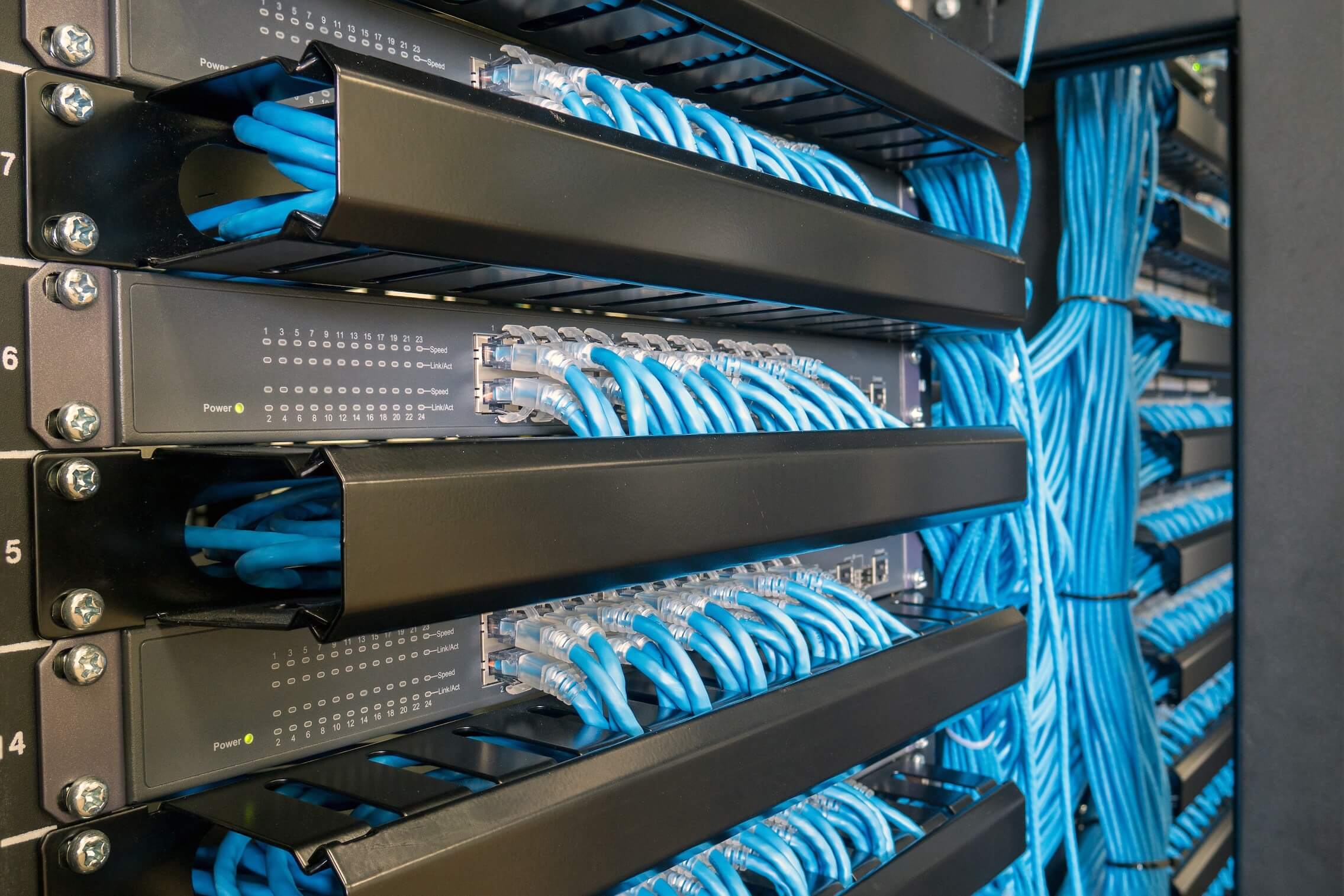
Choosing the right components for your wiring setup is vital for your security system’s performance. Each part, from cables to power supplies, plays a role in ensuring your system’s reliability and effectiveness.
Optimal Cable Selection
Selecting the right cables is foundational to a successful security system. Plenum-rated cables are ideal as they adhere to strict fire safety standards, making your installations safer. Consider using fiber for IP cameras for high data speeds and reliability. Choosing the right type of cable ensures that your system remains fast and secure, providing peace of mind.
Effective Power Delivery
Power delivery is crucial in maintaining the functionality of your security devices. Ensuring that the power supply is consistent and adequate for all components is key. For example, using a PoE budget calculator can help balance power needs effectively. This approach prevents overloading and ensures that your system operates efficiently without interruptions.
Installation Best Practices
Proper installation practices are essential to ensuring the long-term success of your security systems. This includes careful planning, precise execution, and adherence to safety standards. By following best practices, you minimize the risk of errors that could compromise your system’s performance, ensuring it remains robust and reliable.
Planning and Compliance
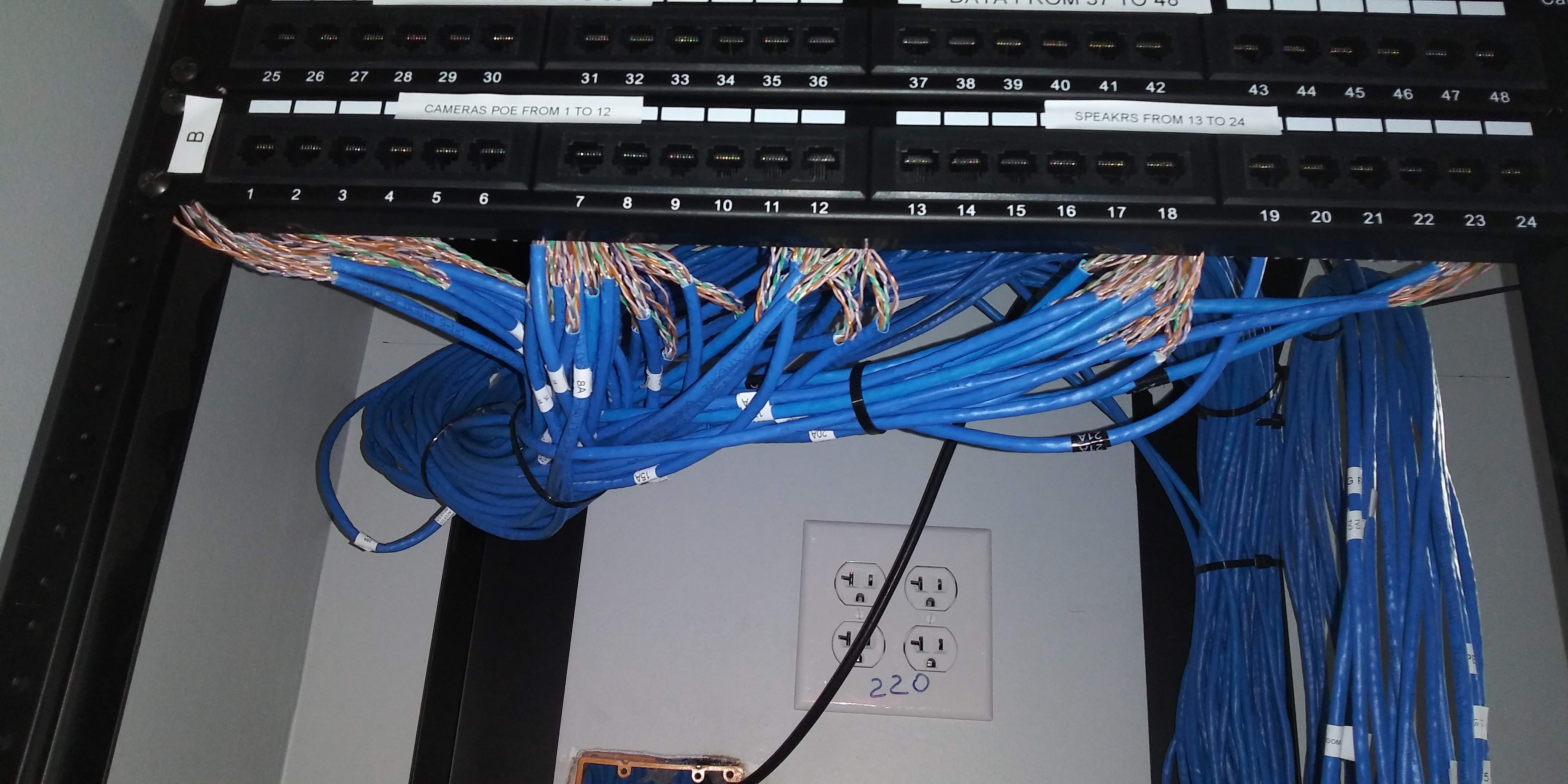
Proper planning and compliance are critical for a successful security system installation. They ensure that your setup meets all necessary standards and operates without issues.
Code Compliance Essentials
Adhering to code compliance is non-negotiable when installing low-voltage wiring. Familiarize yourself with NEC Article 725 to ensure your setup meets all legal requirements. Compliance guarantees safety and efficiency, avoiding costly fines or rework. It’s an essential step to ensure that your system not only functions well but also adheres to all necessary standards.
Project Planning Tips
Effective project planning involves anticipating needs and addressing potential challenges before they arise. Consider factors such as system scalability, future upgrades, and potential obstacles in installation. By planning thoroughly, you set the foundation for a smooth installation process and a reliable security system that meets your current and future needs.
Reducing Unexpected Surprises
Anticipating and addressing potential issues early can significantly reduce unexpected surprises during installation. Regular system checks and maintenance play a vital role in this, ensuring that your system remains in peak condition. By being proactive, you prevent minor issues from turning into major problems, securing your investment in a dependable security system.
Frequently Asked Questions
What is low-voltage wiring used for?
Low-voltage wiring is commonly used for security systems, including cameras and access controls. It provides reliable data transmission and power, essential for these systems’ functionality.
Why is plenum-rated cable important?
Plenum-rated cable is crucial due to its fire-resistant properties. It ensures safety in installations, particularly in commercial buildings where fire codes are stringent.
How can I ensure my security system stays operational?
Regular maintenance and choosing the right components during installation are key. Ensuring proper power delivery and cable selection helps maintain system uptime and reliability.